Top 8 Things To Consider When Buying A Reverse Osmosis Water Purifier in Kenya

Top 8 Things To Consider When Buying A Reverse Osmosis Water Purifier in Kenya Are you in the market for a reverse osmosis system? Are you wondering what should influence your purchase decision? Well, here are the top 8 things to consider when buying a reverse osmosis water purifier in Kenya. Top 8 things to consider when buying a reverse osmosis water purifier in Kenya Water Demand Assessing your water demand is crucial when selecting an RO water purifier. If you are operating a water vending business, a beverage making company, a hospital that needs purified water for dialysis or any other business that needs high volumes of water, you will need a commercial system that can produce the high volumes of purified water. On the other hand, you might just need a small under-sink RO system that produces smaller amounts of purified water or a whole house RO system that produces higher volumes of purified water than the under-sink system. Whichever the case, be sure to determine your water demands to know which type of reverse osmosis water purifier you need. Ensuring the system can meet your total water demand is essential for maintaining a consistent supply of purified water. Water Source The quality of the water source significantly impacts the performance of your RO system. Municipal water is typically treated to remove bacteria and chemicals but may still contain inorganic dissolved solids. An RO system can effectively reduce these contaminants. However, if you rely on a borehole, well water, river water, lake water sea water etc. it may contain harmful pathogens and chemicals in addition to dissolved solids. Gditech RO systems can treat water from all these sources because they are built with multiple purification and treatment systems. The Gditech UF water purifiers also have an additional UV system to disinfect the water after it leaves the storage tank. Budget Budgeting for an RO system involves considering several costs: the initial purchase price, installation, ongoing maintenance, and operating expenses. The initial cost varies based on whether you need an under-sink unit, a whole-house system, or a commercial-grade purifier. Gditech RO systems typically start from Ksh 230,000, with costs increasing if additional components like booster pumps or storage tanks are included. Installation costs depend on the complexity of the setup and whether professional help is required, ranging from Ksh 1,000 to Ksh 10,000 or more. Maintenance costs include replacing filters and membranes, which vary based on usage and system type. Generally, RO membranes need replacement every two years, while filters should be replaced every six months to a year. With proper care, an RO system can last over twenty years, making it a long-term investment in your household’s health and well-being. Below are factors that influence the cost of a RO system discussed in more details Type of System The type of reverse osmosis (RO) system you choose significantly impacts the overall cost. Under-sink systems are generally more affordable, starting from Ksh 30,000, and are suitable for household use. Whole-house systems, on the other hand, are more expensive due to their larger capacity and complexity, often costing several thousand shillings. Commercial-grade reverse osmosis systems are the more costly, designed to handle high volumes of water for businesses like restaurants and hotels. The choice between these systems depends on your specific needs and budget. Pretreatment Pretreatment is essential for ensuring the longevity and efficiency of your RO system, especially if your water source contains high levels of contaminants. Pretreatment options, such as sediment filters, carbon filters, and water softeners, add to the initial cost but protect the RO membrane from damage and clogging. The type and extent of pretreatment required depend on the quality of your feed water, with well water often needing more extensive pretreatment than municipal water. Installation Cost Installation costs vary based on the complexity of the system and whether you opt for professional installation. Simple under-sink systems can often be installed by homeowners, reducing costs. However, whole-house and commercial systems typically require professional installation, which can range from Ksh 1,000 to Ksh 10,000 or more. Factors such as the location of the installation, the need for additional plumbing, and the use of specialized tools can all influence the final installation cost. Maintenance Cost Ongoing maintenance is crucial for the optimal performance of an RO system and includes the cost of replacing filters and membranes. The frequency of these replacements depends on the system’s usage and the quality of the feed water. Generally, RO membranes need to be replaced every two years, while filters should be replaced every six months to a year. Regular maintenance ensures the system’s efficiency and longevity but adds to the overall cost of ownership. Additional Components Additional components, such as booster pumps, permeate pumps, storage tanks, and UV sterilizers, can enhance the functionality and efficiency of an RO system but also increase the cost. Booster pumps are useful in areas with low water pressure, while permeate pumps improve water recovery rates. Storage tanks ensure a steady supply of purified water, and UV sterilizers provide additional disinfection, especially for well water. The need for these components depends on your specific water quality and system requirements. Continuation- top 8 things to consider when buying a reverse osmosis water purifier in Kenya Efficiency Reverse osmosis systems are known for their thorough filtration, but they are not the most efficient in terms of water usage. After filtering contaminants, the system sends a significant amount of water to the drain. This water, however, is not entirely wasted as it carries away the impurities, ensuring the remaining water is potable. Unlike standard filters that collect contaminants on their surface, the RO membrane stops them and uses water to flush them out. Adding a permeate pump can make your RO system up to 85% more efficient. This pump uses the wastewater as energy to push clean water into the storage tank, making the system more environmentally friendly. Many modern RO systems come with a permeate pump or allow for
RO Systems Sold in Kenya

Understanding RO Systems Sold in Kenya Introduction A reverse osmosis (RO) is renowned for its ability to produce clean, great-tasting water. This method is highly effective in removing contaminants, making it a popular choice for various applications. RO systems sold in Kenya can be used for whole-house filtration, ensuring every tap in your home delivers purified water. They are also ideal for specific points of use, such as faucets, providing convenient access to clean water for drinking and cooking. Additionally, RO systems are perfect for aquariums, maintaining a healthy environment for aquatic life, and for restaurants, ensuring high-quality water for food preparation and beverages. Regardless of your starting water quality, there’s an RO system designed to meet your specific needs. What is Reverse Osmosis Water Treatment? Reverse osmosis (RO) is a multi-stage water treatment process designed to remove contaminants from unfiltered water, also known as feed water. This process involves forcing water through a semipermeable membrane under pressure. Residential RO systems typically use at least three stages of treatment to significantly reduce the levels of various contaminants. During the final stage, water moves from the more concentrated side of the membrane, which contains more contaminants, to the less concentrated side, resulting in clean drinking water. This purified water is referred to as permeate. The leftover concentrated water, which contains the removed contaminants, is known as waste or brine. This method is highly effective in providing safe and clean water for household use. View Catalogue of RO Systems sold in Kenya: Gditech Reverse Osmosis Systems How RO Systems Sold in Kenya Work When water first enters a reverse osmosis (RO) system, it undergoes prefiltration. This initial stage typically involves a carbon filter and a sediment filter. The sediment filter captures larger particles like dirt and rust, while the carbon filter removes chlorine and other chemicals that could potentially damage the RO membrane. Next, the water passes through the reverse osmosis membrane. This is where the magic happens. The membrane is designed to remove dissolved particles that are so tiny they can’t even be seen with an electron microscope. This stage is crucial for eliminating a wide range of contaminants, ensuring the water is as pure as possible. After the water has been filtered through the RO membrane, it flows into a storage tank. Here, the purified water is held until you need it. The RO system continues to filter water until the storage tank is full, at which point it automatically shuts off to conserve energy and water. When you turn on your drinking water faucet, the water is drawn from the storage tank and passes through a final postfilter. This last filter polishes the water, removing any remaining tastes or odors, ensuring that the water you drink is clean, fresh, and great-tasting. By understanding each step of the process, you can appreciate how RO system sold in Kenya work to provide you with high-quality drinking water. Reverse Osmosis System Benefits A reverse osmosis (RO) system is one of the most comprehensive methods of water filtration available. It effectively removes up to 98% of dissolved solids, making the water healthier to drink. While water distillers also reduce total dissolved solids (TDS), they are generally less efficient than RO systems. Here are some key benefits of using a reverse osmosis system: Reduces Harmful Dissolved Contaminants in Ground Water One of the primary benefits of an RO system is its ability to reduce harmful dissolved contaminants in ground water. These systems are designed to remove a wide range of impurities, including heavy metals like lead and mercury, as well as chemicals such as chlorine and fluoride. By filtering out these contaminants, an RO system ensures that the water you drink is safer and healthier. Reduces Sodium RO systems are also effective at reducing sodium levels in your water. High sodium levels can be a concern, especially for individuals with hypertension or other health conditions that require a low-sodium diet. By removing sodium, an RO system helps to provide water that is better suited for those with specific dietary needs. Removes Foul Tastes and Odors Another significant advantage of RO systems is their ability to remove foul tastes and odors from your water. Contaminants like chlorine and sulfur can give water an unpleasant taste and smell. The carbon filters in an RO system effectively eliminate these contaminants, resulting in water that tastes and smells clean and fresh. More Environmentally Friendly Than Bottled Water Using an RO system is more environmentally friendly than relying on bottled water. Bottled water production and disposal contribute to plastic waste and environmental pollution. By using an RO system, you can reduce your reliance on bottled water, thereby minimizing your environmental footprint and promoting sustainability. Easy to Install and Maintain RO systems sold in Kenya are relatively easy to install and maintain. Most systems come with clear instructions and can be installed under the kitchen sink without the need for professional help. Maintenance typically involves replacing the filters and membrane periodically, which is a straightforward process. This ease of installation and maintenance makes RO systems a convenient choice for many households. Some Domestic RO Systems Sold in Kenya Can Fit Under the Kitchen Sink One of the practical benefits of a domestic RO system is its compact design, which allows it to fit neatly under the kitchen sink. This space-saving feature ensures that you can enjoy the benefits of purified water without sacrificing valuable counter or storage space. The discreet placement also keeps the system out of sight, maintaining the aesthetics of your kitchen. In summary, a reverse osmosis system offers numerous benefits, from reducing harmful contaminants and sodium to improving taste and being environmentally friendly. Its ease of installation and maintenance, along with its compact design, make it an excellent choice for anyone looking to improve the quality of their drinking water. Why Reverse Osmosis Systems Need a Booster Pump? Reverse osmosis booster pumps are essential if your home’s water pressure is below 40 psi. If your water pressure
How To Choose The Right Reverse Osmosis Water Purifier
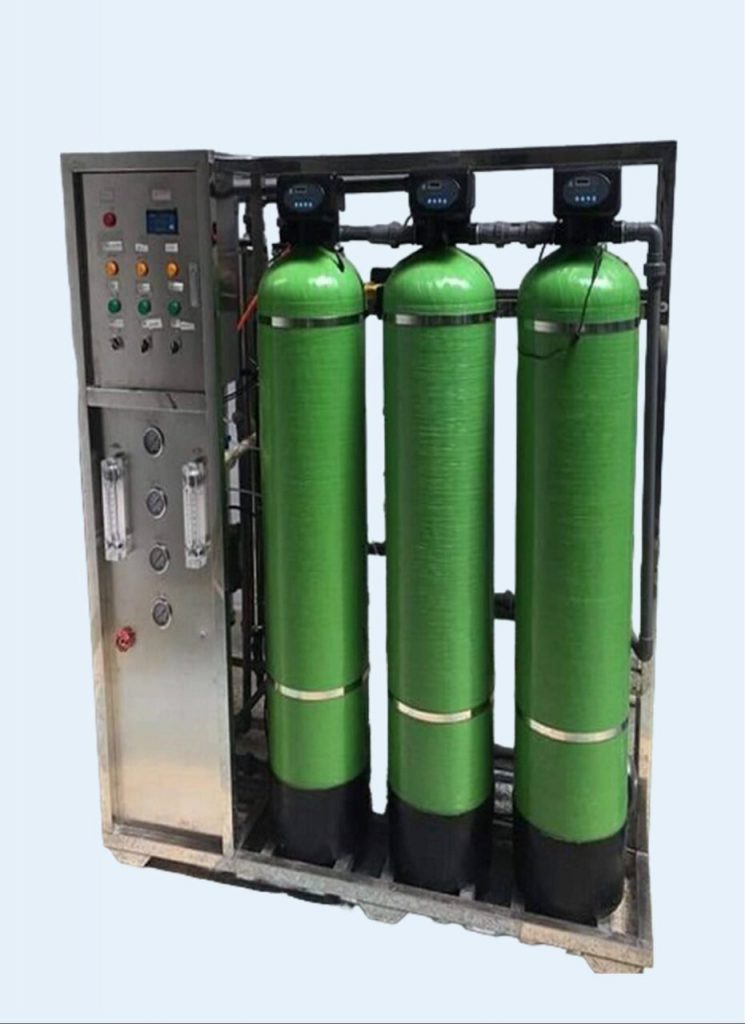
How To Choose The Right Reverse Osmosis Water Purifier Reverse osmosis (RO) is a water purification method that uses a semipermeable membrane to remove pollutants from water. RO water purifiers can give you with clean, pure water that is suitable for drinking, cooking, and other purposes. However, not all RO water purifiers are the same. You need to choose the right reverse osmosis water purifier that suits your needs and preferences. But how do you choose the right reverse osmosis water purifier? We shall be discussing guidelines for buying the most suitable RO system for your needs later in this article. Before then let us understand what a reverse osmosis machine is, how does it work and some of the common pollutants found in water that necessitates use of an RO system to make it clean and safe for human consumption. What is a Reverse Osmosis (RO) Water Purification System? A reverse osmosis (RO) water purification system is a technology that removes impurities from water by using pressure to force it through a semi-permeable membrane. This membrane acts like a molecular sieve, allowing water molecules to pass through while blocking larger contaminants. Think of it like this: Imagine pouring water through a fine mesh strainer. The strainer catches the larger particles, while the water passes through. An RO system works on a similar principle, but on an incredibly smaller scale, filtering out even microscopic impurities. Essentially, RO systems provide a high level of water purification, making them a popular choice for homes and businesses seeking clean, safe drinking water. How does a reverse osmosis water purification system work? A reverse osmosis (RO) water purification system works by using a semi-permeable membrane to remove contaminants from water. Here’s a step-by-step breakdown of the process: Pre-Filtration: Water first passes through a pre-filter to remove larger particles like sediment and chlorine, which can damage the RO membrane. Reverse Osmosis: The water is then forced through the semi-permeable membrane under high pressure. This membrane has tiny pores (about 0.0001 microns) that allow only water molecules to pass through, blocking contaminants such as dissolved salts, bacteria, and other impurities. Post-Filtration: After passing through the RO membrane, the water goes through additional filters (like carbon filters) to remove any remaining tastes or odors. Storage: The purified water is stored in a tank until needed. Final Filtration: Before use, the water may pass through a final polishing filter to ensure the highest quality. This multi-stage process ensures that the water is free from most contaminants, making it safe and clean for drinking. What are the common water pollutants that necessitates use of an RO system to make it clean and safe for human consumption? Water, while essential to life, can unfortunately harbor a range of contaminants that can pose health risks. This is where reverse osmosis (RO) systems shine. Here are some of the common water pollutants that make RO systems a necessity: Bacteria and Viruses: These microscopic organisms can cause waterborne illnesses and are effectively removed by RO systems. Lead: This heavy metal can leach from old pipes and pose serious health risks, especially for children. RO systems effectively filter out lead. Pesticides and Herbicides: Agricultural runoff can introduce these chemicals into water supplies, potentially contaminating drinking water. RO systems can help remove them. Pharmaceuticals and Personal Care Products (PPCPs): These emerging contaminants are finding their way into water sources. RO systems can help reduce their presence. Nitrates: Excessive nitrates in water can be harmful, especially for infants. RO systems effectively remove nitrates. Dissolved Solids: These include salts, minerals, and other substances that can affect the taste and quality of water. RO systems excel at reducing dissolved solids. Chlorine: While used to disinfect water, chlorine can impart an unpleasant taste and odor. RO systems can effectively remove chlorine. Turbidity: Cloudy or murky water often contains suspended particles that can harbor bacteria. RO systems can improve water clarity. It’s important to note that while RO systems are highly effective, they might not remove all contaminants. Regular maintenance and replacement of filters are crucial for optimal performance. Remember: The specific contaminants in your water supply will vary depending on your location and water source. It’s always recommended to have your water tested to determine the exact contaminants present and select an appropriate water purification system. Guidelines on Buying the Right Reverse Osmosis Water Purifier for Your Needs When choosing a reverse osmosis (RO) water purifier, consider these key factors to ensure you get the right system for your needs: Purpose: Determine whether the RO purifier is for domestic or commercial use. Domestic Use: If you need an RO purifier for household needs, such as drinking, cooking, and washing, you’ll want a system that is compact, efficient, and easy to maintain. Domestic RO systems are typically designed to fit under the kitchen sink or on the countertop, providing a convenient solution for everyday water purification. These systems often come with features like a faucet for easy access to purified water and a storage tank to ensure a steady supply. Commercial Use: For businesses like restaurants, hotels, offices, and factories, the requirements are different. Commercial RO systems need to handle larger volumes of water and often come with higher capacity and more robust features. These systems are designed to meet the demands of high-usage environments, ensuring that there is always enough purified water available for various applications. The size, capacity, and features of the system will be influenced by the specific needs of your business. Capacity: Estimate your daily or hourly water purification needs. Measurement: The capacity of an RO system is measured in liters per hour (LPH) or gallons per day (GPD). This measurement indicates how much purified water the system can produce within a specific time frame. It’s crucial to choose a system with a capacity that matches your water consumption needs to ensure you have a sufficient supply of purified water. Example: If your household or business requires 100 liters of purified water daily, you should select
High-Quality Municipal Water Purifiers
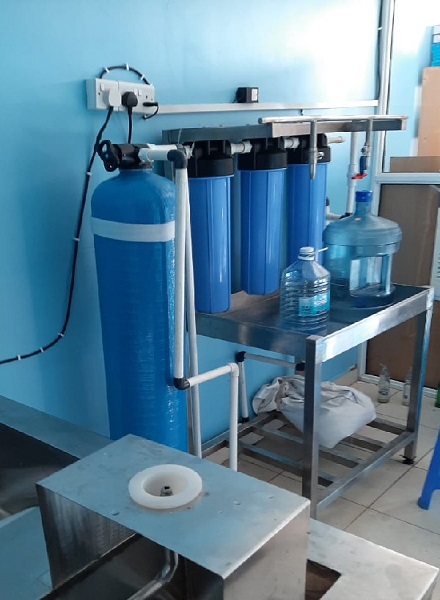
High-Quality Municipal Water Purifiers Introduction In today’s world, access to clean and safe water is more crucial than ever. Our municipal water purifiers, featuring Ultrafiltration (UF) systems, are designed to meet this essential need. Our high-quality municipal water purifiers effectively eliminate impurities, making them ideal for both commercial and residential use. In this post, we discuss what is ultrafiltration, how does it work, it’s benefits and the different applications of ultrafiltration. We shall also discuss the advantages of investing in our municipal water purifiers and why they are a smart choice for ensuring water safety. What is an Ultrafiltration System? Ultrafiltration is a sophisticated water treatment process that employs a hollow fiber or sheet membrane to mechanically filter water, removing very small particulates. This technology is highly efficient at eliminating solids and particulates from your water, ensuring that what you consume is pure and safe. An ultrafiltration (UF) water system works by filtering out suspended particulates at a microscopic level. The membrane used in these systems can filter particles down to 0.025 microns. To put this into perspective, the diameter of a human hair is about 75-80 microns. This means that an ultrafiltration system operates on a micro level, effectively removing all suspended solids from the water. How Does Ultrafiltration Work? The ultrafiltration process involves water passing through a membrane with extremely fine pores. These pores are small enough to block bacteria, viruses, and other dissolved water contaminants, while allowing water molecules to pass through. This ensures that the water you get is free from harmful substances and safe for consumption. Pressurized Water Flow: Water is pushed through the UF membrane under pressure. This pressure forces the water through the tiny pores of the membrane. Filtration of Contaminants: As water passes through the membrane, contaminants such as bacteria, viruses, suspended solids and other chemical contaminants are trapped and blocked by the membrane. Only clean water molecules are allowed to pass through. Collection of Purified Water: The purified water is collected on the other side of the membrane, ready for use. The contaminants are left behind and can be flushed away, ensuring that the membrane remains effective and clean. Benefits of Ultrafiltration Systems Consistent and Reliable Purification: One of the key benefits of ultrafiltration systems is their ability to provide consistent and reliable water purification. Unlike other methods that may require chemical additives, ultrafiltration relies purely on physical filtration, making it a more natural and environmentally friendly option. Effective Contaminant Removal: These systems are highly effective at removing a wide range of contaminants, including bacteria, viruses, and suspended solids. This ensures that the water is not only safe but also tastes better, free from any unpleasant odors or flavors. Environmentally Friendly: Ultrafiltration systems do not require the use of chemicals, making them a greener option for water purification. This reduces the environmental impact and ensures that the water remains free from chemical residues. Low Maintenance: UF systems are relatively low maintenance compared to other water purification methods. The membranes are durable and can be easily cleaned or replaced, ensuring long-term efficiency and reliability. Applications of Ultrafiltration Systems Municipal Water Treatment: Ultrafiltration systems are suitable for municipal water treatment, providing clean water to entire communities. They can handle large volumes of water, ensuring that the supply is safe and reliable for all residents. Residential Use: These systems are also ideal for residential use, ensuring that households have access to safe drinking water. Whether you are using tap water, well water, or any other source, a UF system can provide the purification needed to protect your family’s health. Commercial Settings: Ultrafiltration systems can be used in commercial settings, such as restaurants and hotels, where water quality is paramount. Clean water is essential for cooking, cleaning, and providing guests with a safe and pleasant experience. Industrial Applications: In industrial applications, UF systems can be used to purify water for various processes, ensuring that the water meets the required standards for production and operation. Why a High-Quality Municipal Water Purifier is Your Smart Choice for Safe Drinking Water We all know how important clean water is for our health. It fuels our bodies, keeps us hydrated, and helps everything function properly. But what happens when you’re not entirely sure if the water coming out of your tap is truly safe to drink? Municipal water treatment plants work hard to ensure clean water reaches our homes, but sometimes things can slip through the cracks. Here in Kenya, factors like aging pipes, agricultural runoff, or even seasonal variations can affect water quality. That’s where a high-quality municipal water purifier steps in – it becomes your personal guardian of safe drinking water. Why Municipal Water Might Need a Helping Hand Let’s face it, our water travels a long journey before it reaches our faucets. While treatment plants remove many impurities, some things can still be present: Chlorine: Used to disinfect water, but can sometimes leave an unpleasant taste or odor. Trace Metals: Low levels of metals like lead or copper might leach from aging pipes. Agricultural Runoff: Fertilizers and pesticides used in farming can sometimes contaminate water sources. Microscopic Contaminants: While rare, bacteria or viruses might not be completely eliminated during treatment. The Benefits of a High-Quality Municipal Water Purifier Investing in a high-quality municipal water purifier is like giving your tap water a spa treatment. These handy devices remove a wide range of contaminants, leaving you with cleaner, healthier water for drinking, cooking, and even making coffee (because let’s be honest, good coffee deserves good water!). Here’s a closer look at the benefits: Improved Taste and Odor: Say goodbye to that chlorine aftertaste! Municipal water purifiers effectively remove chlorine and other impurities, leaving your water fresh and delicious. Reduced Health Risks: By filtering out potential contaminants like bacteria, viruses, and heavy metals, a water purifier can help minimize the risk of waterborne illnesses and exposure to harmful substances. Peace of Mind: Knowing you have an extra layer of protection for your drinking water can bring great
The Best Commercial RO Water Purifiers in Kenya
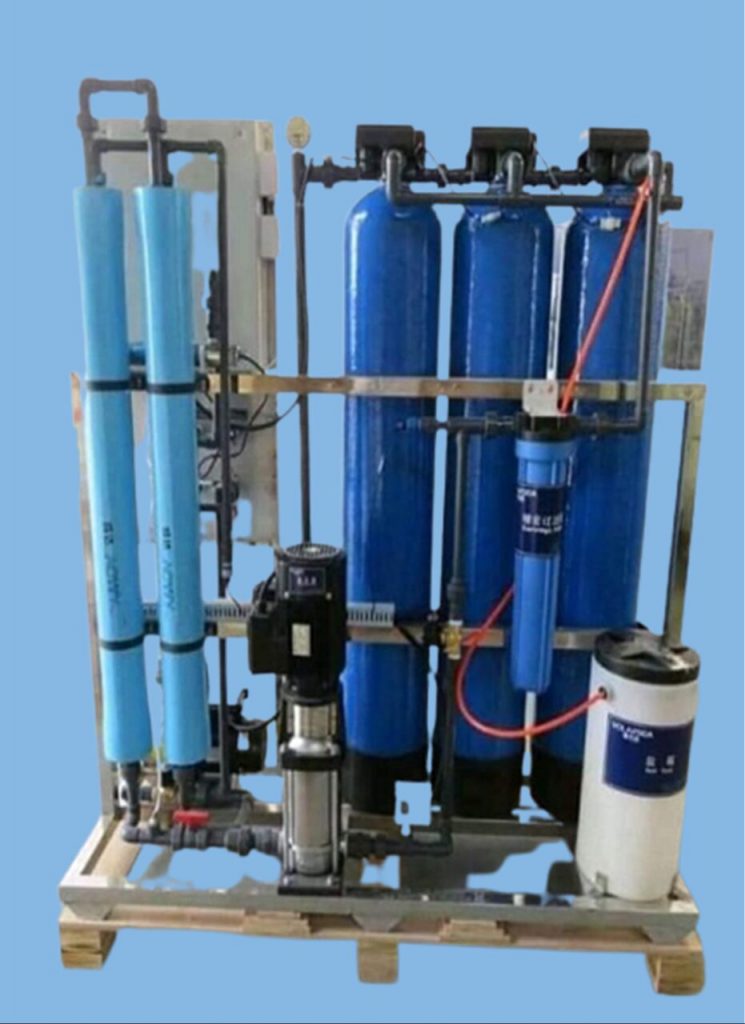
The Best Commercial RO Water Purifiers in Kenya The demand for clean safe water in Kenya is ever increasing and no sign that the market will manage to satisfy this need any time soon. And that is good news to entrepreneurs who would want to venture in water vending or water bottling business. In this business, one of the most important equipment is a reverse osmosis water purifier. At Vinsol, we are known for making the best commercial RO water purifiers in Kenya since 2018. All our RO systems are proudly made in Kenya. How does a reverse osmosis water purifier work? Reverse osmosis (RO) systems use a fascinating process to purify water, leveraging the principles of science to deliver clean, safe drinking water. The core component of an RO system is a semi-permeable membrane with tiny pores that act like a microscopic sieve, allowing only water molecules to pass through while blocking larger contaminants. Here’s an explanation of the RO system’s purification process: This multi-step process results in cleaner, healthier drinking water for you and your family. It’s important to note that RO systems typically waste some water during the filtration process, as the contaminants are flushed away with a portion of the water. If water conservation is a significant concern for you, consider this aspect when choosing an RO system. Some advanced RO systems are designed to minimize water waste, making them more efficient and environmentally friendly. Examples of businesses, institutions and sectors that use our Commercial RO water purifiers We are dedicated to providing top-notch water purification solutions tailored to the needs of various industries. Our commitment to quality and customer satisfaction has made us a trusted name in the market. Choose our robust water purifiers for your water purification needs and benefit from our experience the expertise. Why buy Commercial RO water purifiers from Vinsol Buy the best commercial RO water purifiers in Kenya from us Are you in the market for a commercial RO water purifier? No need to look further. We are the experts in making high quality reverse osmosis systems in Kenya. Choose our versatile and affordable RO systems for your water purification needs and experience the confidence that comes with using a trusted and reliable brand. With Vinsol, you are not just buying a product; you are investing in a solution that ensures the health and safety of your water supply. Get In Touch To Order RO System From Us Today Use any of the options below to get in touch with us to order one: Call/WhatsApp Us: +254 715 01 45 10 Email: inquiries@vinsol.co.ke | info@vinsol.co.ke Location: Next to Total Petrol Station- Kihunguro, Ruiru