Where to Buy High Quality RO Systems in Kenya
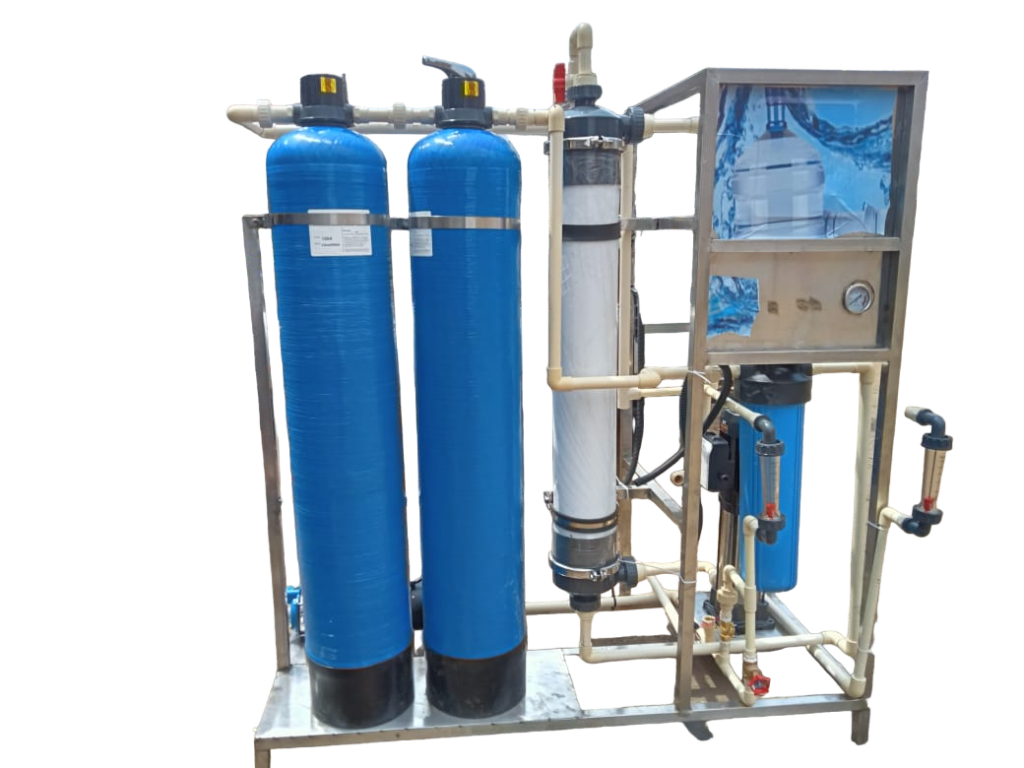
Where to Buy High Quality RO Systems in Kenya Thinking of starting a water vending business in Kenya? Selling purified water is a venture with consistent demand, particularly in urban and rural communities where access to clean drinking water remains a challenge. However, setting up a successful water vending business requires reliable equipment, and at the heart of this equipment is a quality reverse osmosis (RO) system. In this post, we’ll guide you on essential factors to consider when buying a high-quality RO system and explain why Vinsol is the go-to source if you’re wondering where to buy high quality RO systems in Kenya. The Consequences of Consuming Contaminated Water on Human Health: Waterborne Diseases: Consuming water contaminated with bacteria, viruses, or parasites can lead to a range of waterborne diseases, including cholera, typhoid, dysentery, and gastrointestinal illnesses. Chronic Health Issues: Long-term exposure to contaminated water can lead to chronic health problems such as kidney disease, liver damage, and neurological disorders. Malnutrition: Contaminated water can interfere with nutrient absorption, leading to malnutrition and stunted growth, especially in children. The Consequences of Contaminated Water on Home Use: Damaged Appliances: Contaminated water can damage household appliances like washing machines, dishwashers, and water heaters. Reduced Water Quality: Poor water quality can lead to issues like scaling, corrosion, and clogging of pipes, reducing water flow and efficiency. Increased Maintenance Costs: Regular maintenance and repairs may be required to address the damage caused by contaminated water. The Consequences of Contaminated Water on Industrial Use: Reduced Productivity: Contaminated water can damage machinery and equipment, leading to reduced productivity and increased downtime. Product Contamination: In industries that use water in their production processes, contaminated water can lead to product contamination and quality issues. Increased Operational Costs: The need for water treatment and purification can increase operational costs. Environmental Impact: Improper disposal of contaminated wastewater can harm the environment and contribute to water pollution. Why Purifying Water Matters Ensuring access to clean water through purification is essential for several critical reasons: Public Health Contaminated water can harbor harmful microorganisms, including bacteria, viruses, and parasites, which can lead to diseases like cholera, typhoid, and dysentery. Water purification removes these dangerous pathogens, providing safe drinking water and reducing the risk of waterborne illnesses—especially for vulnerable groups such as children, the elderly, and those with weakened immune systems. Environmental Protection Purifying water before it’s released back into the environment helps protect rivers, lakes, and oceans by reducing pollution. This is vital for preserving biodiversity and maintaining healthy aquatic ecosystems, ensuring that water bodies remain viable for wildlife and for future human use. Sustainable Water Management Purifying water allows us to use sources that would otherwise be unsuitable, which conserves our limited freshwater supplies. By turning previously unusable water into a safe resource, water purification supports sustainable management of our essential water reserves, reducing pressure on natural freshwater sources. Economic Growth Clean water is foundational for economic development. It’s crucial in agriculture, where it provides safe irrigation, and in industries that rely on clean water for manufacturing processes. Additionally, when communities have access to clean water, public health improves, which boosts productivity and quality of life, fostering broader economic growth. Enhanced Taste and Aesthetic Quality Purified water not only removes harmful contaminants but also eliminates unpleasant odors, colors, and tastes caused by impurities. This results in water that’s more enjoyable to drink and cook with, promoting healthier hydration habits and enhancing everyday quality of life. In summary, water purification is essential for safeguarding public health, protecting the environment, managing water resources responsibly, and supporting economic growth. Access to clean water is a cornerstone of a healthy, resilient, and productive society. Key Considerations When Buying an RO System in Kenya Finding the right RO system involves a few crucial considerations. Let’s explore some of the main factors to keep in mind to ensure that the equipment you invest in meets your business needs effectively: Output Capacity Output capacity is one of the most essential factors. The RO system’s output capacity will determine the volume of purified water it can produce per hour. If you’re planning to serve a large community or anticipate high demand, a higher capacity system is essential. Conversely, smaller operations may find that a lower-capacity system is more cost-effective. Before you decide on an RO system, consider your target market and daily water requirements to choose a machine that aligns with your business goals. Water Source Compatibility Different sources of water—boreholes, rivers, and municipal supplies—come with unique purification needs. For example, borehole water may contain high levels of minerals and sediments, while river water may require heavy filtration for biological contaminants. At Vinsol, we offer a range of RO systems designed to purify various water sources efficiently. Let us know your primary water source, and we’ll recommend the ideal RO system to ensure effective purification. Price and Affordability Price is often a key concern for any business. However, when investing in an RO system, it’s crucial to balance affordability with quality. While there are many RO systems on the market, not all offer the durability and performance you need to run a successful business. Vinsol offers competitive pricing on high-quality RO systems in Kenya, ensuring you get excellent value without compromising on performance. After-Sale Service and Support The ongoing support you receive after purchasing an RO system is just as important as the purchase itself. Regular maintenance and occasional repairs are part of any water purification business, so having access to reliable after-sales support is essential. One advantage of buying locally with Vinsol is that you receive prompt and cost-effective after-sales support from our team. Importing a system may save money initially but can make maintenance and repairs costly and difficult, especially if you require technician assistance from overseas. System Warranty A warranty provides assurance of quality and reliability. When buying an RO system, check if the vendor offers a comprehensive warranty that covers manufacturing defects and potential malfunctions. Vinsol stands by the quality of our products with warranties
How Much Does it Cost to Start a Milk ATM Business in Kenya
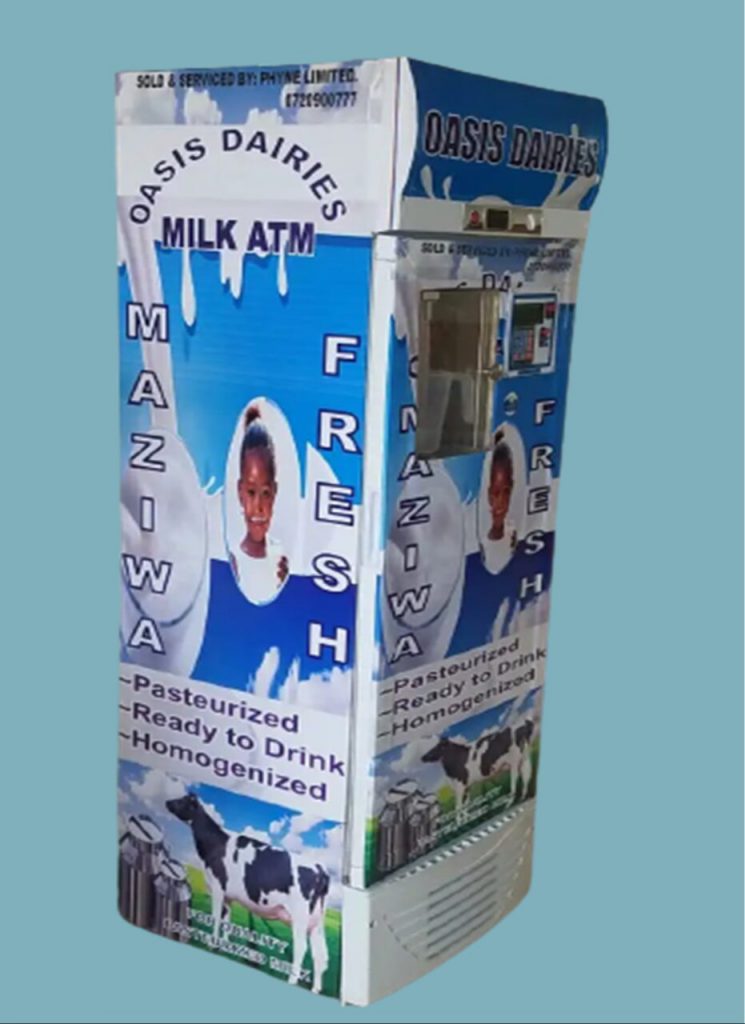
How Much Does it Cost to Start a Milk ATM Business in Kenya Are you interested in starting a milk vending business in Kenya? Would you like to know how much does it cost to start a milk ATM business in Kenya? This post is for you. We shall be breaking down all the costs involved. However, it’s important to note these are cost estimates and actual costs in your case might be higher or lower. But first before we discuss how much does it cost to start a milk ATM business in Kenya, let us see what are the considerations to make when starting a milk dispenser business in Kenya. How much does it cost to start a milk ATM business in Kenya: 6 key factors to consider when starting the business Starting a milk ATM business in Kenya can be a lucrative venture, but it requires careful planning and understanding of various factors that will influence its success. From the initial start-up costs to sourcing reliable milk suppliers, there are key elements that must be addressed before you set up shop. In this post, we’ll take you through the six most crucial factors to consider before embarking on your milk ATM business journey. Business Plan A business plan is a critical first step in any venture, and a milk ATM business is no exception. Your plan should outline your objectives, the market you intend to target, financial projections, and how you plan to grow your business over time. It’s essentially a roadmap that guides you through the startup phase and beyond. Without a solid business plan, you might find it difficult to attract investors, secure loans, or even run the business effectively. As a result knowing how to write a good business plan is essential to help you have a clear road map of what the journey ahead entails. When creating your business plan, consider including: Marketing strategies to attract customers. Operational details, such as daily management and staffing needs. Financial forecasts, including revenue and profit projections. The time you invest in developing a comprehensive business plan will help you avoid pitfalls and create a clear path toward profitability. Identifying Your Target Customer Understanding who your target customer is will make a significant difference in your success. Is your customer base made up of households looking for affordable, fresh milk daily? Or are they more likely to shop at supermarkets for convenience? Conducting market research will help you pinpoint potential buyers in your area and figure out their buying habits. Will they opt for milk from an ATM or stick to their usual suppliers? This research can guide where you should set up your business, what type of milk to stock, and how to price it competitively. Location, Location, Location Your business location will make or break your milk ATM business. Setting up in a high-traffic area that is easily accessible to your target customers is essential. While it might be tempting to rent a cheaper space in a remote area, this can limit your customer base and reduce your overall sales. A strategically located milk ATM can attract more foot traffic, increasing your chances of daily sales. Focus on areas like: Busy estates with many households. Marketplaces where locals frequent. Near schools or commercial hubs where people need quick access to essential goods like milk. Competition Understanding the level of competition in your area is another critical factor. If the area is already saturated with other milk ATMs, you may struggle to gain a foothold. However, high demand could still make a profitable niche available, even in competitive environments. For example, in densely populated estates, even with competition, focusing on a few streets with less access to milk ATMs can help you carve out a loyal customer base. Remember, competition is only a problem when the demand isn’t strong enough to sustain multiple vendors. Stock Source Your milk supplier will directly impact the reliability and quality of your service. You must ensure a consistent supply of high-quality milk to maintain customer satisfaction. Relying on just one supplier may expose you to potential disruptions like delivery issues or shortages. It’s smart to diversify your suppliers so you always have access to fresh milk. Additionally, the quality of your milk is paramount. Working with suppliers who adhere to high safety standards ensures your customers get the best product, which in turn builds trust and loyalty. Start-Up Costs One of the main considerations when starting any business is how much capital is needed. It helps you know if you should go for it or postpone to another time when you have enough capital. This is no different with a milk ATM business. The question on everyone’s mind who wants to venture into milk dispenser business is how much does it cost to start a milk ATM business in Kenya? Here’s a breakdown of the major start-up costs to consider: Milk ATM Machine The primary investment is the milk ATM machine. The price varies depending on the model, size, and capacity, but generally ranges between Ksh. 80,000 and Ksh. 150,000. Rent You will need to rent or lease a space for your milk ATM. Depending on your location, rental costs can vary widely. Aim for a balance between high traffic and affordable rent. In some cases, you might even negotiate a revenue-sharing agreement with the property owner. Licensing and Permits To operate legally, you will need a business permit from the county government and a food hygiene certificate from the Ministry of Health. These typically cost between Ksh. 10,000 and Ksh. 20,000. Milk Supply The price of milk will fluctuate depending on the season, ranging from Ksh. 35 to Ksh. 50 per liter. It’s advisable to start with an initial stock that can sustain you for the first few days or weeks, which will likely cost around Ksh. 50,000. Utilities and Maintenance Operating a milk ATM requires a reliable source of electricity and water. Expect utility bills of around Ksh.
Why Mama Pima Cooking Oil Dispensers Trade Model Launched by Moses Kuria Flopped Massively and the Best Alternative You Can Go for And Succeed

Why Mama Pima Cooking Oil Dispensers Trade Model Launched by Moses Kuria Flopped Massively and the Best Alternative You Can Go for And Succeed On August, 2023, Kenya’s then Cabinet Secretary for the Ministry of Investments, Trade, and Industry, Moses Kuria, launched the Mama Pima Salad Oil ATM. The initiative aimed to provide consumers with easier access to cooking salad oil. However, a closer look at the initiative raises questions about the feasibility and potential impact on Kenya’s economy and manufacturing sector. In this post, we shall look at why Mama Pima cooking oil dispensers trade model launched by Moses Kuria flopped massively and the best alternative you can go for and succeed. Why Mama Pima cooking oil dispensers trade model launched by Moses Kuria flopped massively and the best alternative you can go for and succeed A closer look at Kenya’s Mama Pima salad oil ATMs investment and trade model launched by Moses Kuria flopped Expensive to the target market and more affordable alternatives The Mama Pima Salad Oil ATM was priced at 185,000 Kenyan Shillings, which is a significant amount for the target market. This price stands in stark contrast to existing options in the market, where similar cooking oil machines are available locally for as low as 35,000 to 50,000 Kenyan Shillings. The decision to introduce a more expensive model raises questions about the rationale behind its pricing and the long-term viability and benefits for Kenya’s economy and manufacturing sector. Poor research about the viability of the model Considering that relatively lower-priced alternatives already exist in the country it either shows lack of research or just a deliberate effort to make the project fail. The latter looks more realistic considering that has been the trend in Kenya where money is given out to actualize an initiative but ends up in people’s pockets. However, even if the intentions were good, the execution was wrong. The biggest beneficiary would be Indonesia instead of Kenya At the core of the issue was the beneficiaries of the the Mama Pima cooking oil trade. Indonesia and Malaysia produces a massive 85% of the world’s palm oil, while Africa’s contribution to palm oil production is just 9%, with Nigeria being the largest consumer. This makes it clear that Indonesia was the primary beneficiary of the project, given its dominance in the palm oil market. Negative impact on local Kenyan manufacturers of cooking oil The impact on Kenya’s manufacturing sector was another important consideration. The investment in the Mama Pima cooking oil initiative raised concerns about its effect on local manufacturers. Local cooking oil manufacturing companies faced the risk of tough competition from the influx of imported oil from Indonesia. This could have resulted in job losses and reduced revenue for Kenya’s manufacturing industry. Negative impact on local Kenyan manufacturers of cooking oil ATMs Not only did the project pose a threat to the local cooking oil manufacturing companies but also would have had an impact on local manufacturers of cooking oil vending dispensers. There was no indication that the government planned to source the cooking oil ATM machines from local manufacturers. Even if that would have been the case, we know due to the corruption, only a few would have benefitted and those are the ones willing and had the money to bribe the right people so they can be awarded the supply tenders. The timing and priority were not ideal The timing of the initiative was also questionable. While the government’s focus on innovation and modernization was commendable, it raised concerns about prioritization. In a country where unemployment and underemployment remained significant challenges, channeling resources into a project that threatened local jobs seemed like a misplaced effort. As mentioned earlier, this move would have negatively impacted both local manufacturers of cooking oil vending machines and cooking oil producers. The potential consequences on employment and overall economic growth could have been substantial. The option to farm oil palm trees locally would take time and not have an immediate impact on local economy Encouraging palm farming was a positive step toward diversifying Kenya’s agricultural sector. However, it is important to acknowledge that the benefits of palm oil farming, including actual production, take time to materialize. Palm trees can take at least five years to mature and begin producing oil, depending on the species, with an additional year spent in the nursery. The government’s focus on immediate solutions, like the Mama Pima project, risked overshadowing the long-term benefits that sustainable agricultural practices could bring. Given these factors, it was crucial to consider the bigger picture and reflect on the broader implications of such an initiative. While the Mama Pima Salad Oil ATM concept may have seemed convenient, the potential negative impacts on the local economy, manufacturing sector, and job creation outweighed its immediate appeal. To avoid these issues, the government and stakeholders should have considered a more holistic strategy. Redirecting resources toward strengthening the manufacturing sector, promoting local industry growth, and investing in sustainable agricultural practices would have been more in line with Kenya’s economic needs and long-term goals. By adopting a balanced approach, Kenya could ensure that its investments not only serve the nation’s best interests but also contribute to its overall prosperity. What is the alternative to Mama Pima Cooking Oil Dispensers trade model by the Kenyan government As mentioned earlier, the local market has been working just fine whether it’s with cooking oil manufacturing or cooking oil dispensing machines. The best alternative to Mama Pima Cooking Oil Dispensers trade model by the Kenyan government is starting your own salad ATM vending business using a locally manufactured cooking oil ATM. Starting a cooking oil vending business in Kenya is relatively easy and inexpensive. With a locally made salad oil dispenser youths and many other people without big capital or incomes can start one as a main business or a side hustle. With less than half of what the government required you to invest, you can easily start a cooking oil business in
Cost Of Borehole Drilling Services In Kenya
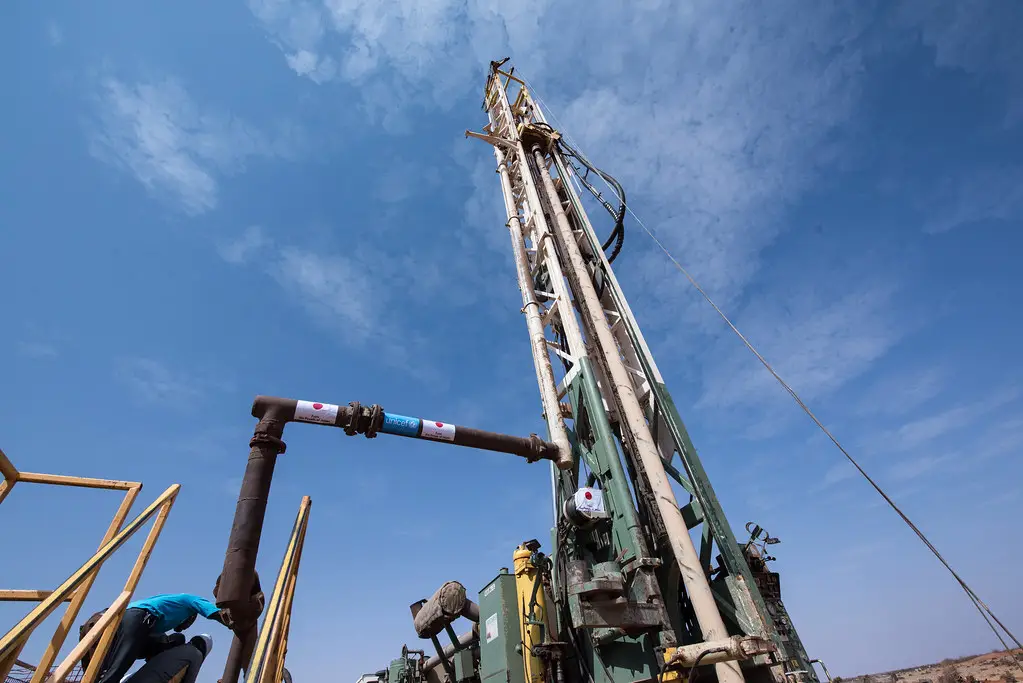
Cost Of Borehole Drilling Services In Kenya Per Meter Per County The growing demand for water in Kenya for different uses keeps increasing year by year. This has led to the increase in need for borehole drilling services across Kenya. Some of the common uses for borehole water are but not limited to agribusiness farming, industrial use, hotels, hospitals, real estate, public/community use in arid and semiarid regions and many other commercial and private uses. We offer borehole drilling services in Kenya to satisfy these needs. But what is cost of borehole drilling services in Kenya per meter per county? On average, the cost of borehole drilling services in Kenya per meter per county ranges between KES 6,500 to KES 9,500. We shall be giving details in a table format in this post and also share what contributes to these costs. We shall also discuss what are the requirements of borehole drilling services in Kenya. Tip: How Boreholes Help in Enhancing Agribusiness Growth in Kenya Why Vinsol should be your preferred borehole drilling services provider in Kenya At Vinsol, we are committed to helping satisfy the ever-increasing demand for water in Kenya. The ever-growing population and development mean the demand for water shall keep increasing and as a result need for borehole drilling services will keep increasing. Our borehole drilling services are carried out efficiently because we use state of the art borehole drilling machines and equipment. Our borehole drilling rigs are some of the best you will find in the world. Types of borehole drilling services in Kenya we offer at Vinsol There are basically two types of borehole drilling services we offer: Air borehole drilling- This refers to drilling boreholes on a stable ground that has a proper rock formation beneath. Mud borehole drilling- This refers to drilling boreholes on loose ground that has no or minimal rock beneath. Requirements for Drilling a Borehole in Kenya Before starting the process of drilling a borehole in Kenya, there are several legal and technical requirements that must be met. These include surveys, permits, and environmental assessments to ensure compliance with Kenyan law. Hydrogeological Survey A hydrogeological survey is required to assess the underground water potential. This survey provides crucial information, such as the estimated drilling depth, the site’s location, and the geological formations. It helps determine the type of casing material and estimate the cost of drilling. The survey must be conducted by an independent, qualified, and registered hydrogeologist. The cost of the hydrogeological survey typically ranges from Ksh. 95,000 to Ksh. 110,000, depending on the location. Water Resource Authority (WRA) Permit The Water Resources Authority (WRA) regulates the use of water resources in Kenya. After receiving the hydrogeological report, you will need to apply for a drilling permit from the WRA. The WRA grants authorization to access water resources once the report confirms water availability and site suitability. An online application can be made, or you can visit their offices across the country to obtain the necessary permits. National Environment Management Authority (NEMA) Permit The National Environment Management Authority (NEMA) requires an environmental assessment before drilling can begin. The NEMA assessment evaluates the potential environmental impact of the borehole. If the project poses no significant environmental risks, NEMA will issue a permit allowing drilling to proceed. What Determines the Cost of Borehole Drilling in Kenya The cost of borehole drilling services in Kenya can vary depending on several factors. Understanding these determinants can help you plan effectively for this significant investment. Below are the key factors influencing borehole drilling costs: The Depth of the Borehole The depth of the borehole is directly proportional to the drilling cost. It is the single mos important determinant of the cost of sinking a borehole. Deeper boreholes take longer to drill and require more materials, such as casings and drilling fluids. As a result, the deeper the borehole, the higher the expense due to the additional labor and resources required. The Location the Borehole is to be Sunk The physical location of the drilling site can affect costs. Boreholes drilled in remote or difficult-to-access areas may involve additional logistical expenses, including transport of equipment and personnel. Certain locations may also require extra permits or adherence to local regulations, further impacting costs. The Geological Conditions of the Borehole Site The type of soil and rock formations where drilling occurs play a major role in cost determination. Drilling through soft, easily penetrated soil is more affordable than drilling through hard rock formations. Areas with challenging geological conditions may require more advanced drilling techniques, increasing overall costs. The Equipment and Technology to be Used The choice of drilling equipment and technology also impacts the cost. Modern, efficient drilling rigs can reduce the time needed to drill a borehole, potentially lowering costs. However, high-tech equipment may come with a higher initial price, but it often leads to more accurate and reliable results. The Desired Water Quality and Quantity If higher water quality or a specific water yield is desired, costs may increase. Deeper or more productive boreholes may require advanced techniques or well development procedures, which can drive up the overall cost. Casing and Pumping System Used The materials used for casing and the type of pump installed influence the cost. Higher-quality materials, such as stainless steel casings or durable pumps, can be more expensive initially but offer better longevity and reliability, saving money in the long run. The Required Regulations and Permits Local regulations and the need for permits can add to the total cost of borehole drilling. Compliance with governmental rules, including permits from the Water Resource Authority (WRA) or National Environment Management Authority (NEMA), can be a significant expense, depending on the location and water usage plans. Other factors that might determine the overall cost of the borehole Maintenance and Repairs While the upfront costs of drilling a borehole are a one-time expense, ongoing maintenance and occasional repairs are necessary to ensure the borehole continues to function efficiently. It’s important to budget for future costs to
How Much Capital You Need To Set Up A Water Bottling Business In Kenya
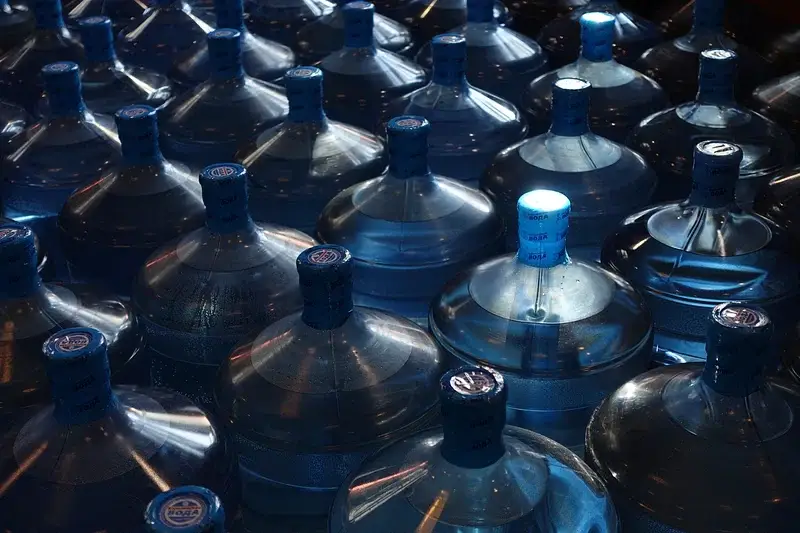
How Much Capital You Need To Set Up A Water Bottling Business In Kenya Are you interested in venturing in the water bottling business and want to have an idea of how much you should invest? When starting any business, one of the main considerations is the amount of capital that shall be required. The amount will mostly depend on the number, size/capacity and brand of equipment you choose, size of your business and location. In the table below we have indicated an estimate of how much capital you need to set up a water bottling business in Kenya. But before we share the capital estimates needed to start a small water bottling venture in Kenya, let us look at the value of bottled water industry in Kenya. Value of Bottled Water Industry in Kenya The exact value of the bottled water industry in Kenya is not well established, with estimates often around Ksh 18 billion Kenya shillings. However, government data suggests this figure pertains to the soft drink industry, and water constitutes about 15% of that value. In terms of volume, bottled water contributes 500 million liters annually, accounting for 0.7% of the total commercially consumed water. The industry has been growing at an annual rate of 12%, driven by rising demand and more entrepreneurs entering the market. Competition Overview Officially, around 600 companies operate in the water bottling business, though the number is likely higher due to unregistered firms. Some operate informally, even bottling tap water or performing minimal purification. Many registered companies still avoid paying taxes to reduce costs and increase profits. The barriers to entry have lowered considerably, thanks to more companies offering affordable water purification and packaging technologies. Increased competition among suppliers has made machines more affordable, leading to a growing second-hand market for water treatment equipment. Industry Standards and Challenges The water bottling industry faces challenges in maintaining standards. While many firms possess Kenya Bureau of Standards (KEBS) certification, some fake it or fail to maintain quality after obtaining it. This lowers production costs for non-compliant companies, allowing them to offer lower prices and capture a price-sensitive market. Packaging technology has also advanced, making it easier and cheaper to create labels, thus increasing the number of players in the market. However, this influx has led to some small firms compromising quality in favor of profits, eroding consumer trust in newer, lesser-known brands. Maturity and Market Saturation The industry is still growing, but competition will likely intensify, eventually leading to market saturation. At that point, only firms that can excel in quality, branding, distribution, and cost management will survive. Currently, six brands—Keringet, Highlands, Aquamist, Quencher, Highlands and Dasani—dominate 60% of the market, leaving the remaining 40% to over 500 small firms. The Dominance of Established Brands The top brands have succeeded due to early entry, adherence to high standards, and strategic branding. Keringet and Aquamist, for example, targeted high-value consumers and corporate clients early on, securing a strong foothold in the premium market. Companies like Quencher, Highlands, and Dasani leveraged their parent companies’ established reputations to quickly gain consumer trust. These dominant players have robust distribution networks and larger capital reserves, enabling them to invest in branding, advertising, and marketing activities—further solidifying their market presence. Equipment and Machines Needed to Set Up a Water Bottling Business in Kenya Setting up a water bottling business requires various machines and equipment to ensure water purification and packaging meet industry standards. This guide provides an overview of the essential equipment needed for a small to medium-scale water bottling venture. If you’re planning to establish your business, Vinsol offers reliable, efficient, and cost-effective solutions tailored to meet your needs. Water Purification Machines The water purification process is vital to ensure that the water is safe for consumption. Vinsol offers several water purification machines, each tailored to different water sources and purification needs. The cost is generally based on the output capacity of each machine. Vinsol Fresh Water Purification Machine Ideal for: Council water, spring water, and other natural sources. Output capacity: 250 liters per hour Cost: KSh 220,000 Vinsol Reverse Osmosis (RO) System Ideal for: Water treatment with low fluoride and total dissolved solids. Output capacity: 200 liters per hour Cost: KSh 230,000 Vinsol General Purpose Water Purifiers Ideal for: Water with high fluoride, iron, and suspended solids. Output capacity: 250 liters per hour Cost: KSh 350,000 Choosing the right water purification system depends on the source and quality of your water. Each system is designed to handle specific types of contaminants, ensuring you meet safety and quality standards. Filling Stations Your choice of filling station will depend on your target market and the type of packaging you wish to use. Vinsol offers both manual and automated filling stations to suit various needs. Table Top Filling Stations Output capacity: 2 taps Cost: KSh 110,000 Vinsol Cabinet Water Vending Station ATM with Digital Control Unit (PLC) Features: Password-protected, records sales for reconciliation, allows for flexible pricing (starting from KSh 10). Output capacity: 2 taps Cost: KSh 100,000 For larger-scale production, you might consider an automated production line with a conveyor belt. Vinsol also offers equipment and control systems outsourcing services for businesses looking to import such machinery for larger operations. Other Equipment Needed In addition to the water purification and filling machines, several other pieces of equipment are necessary to ensure efficient operation of your bottling business. Bottle Washing Sink with Jet Rinser Features: Double pot sink for washing bottle exteriors with raw water, and a pressurized jet for rinsing the bottle interior with product water. Capacity: Suitable for bottle sizes from 500ml to 20 liters Cost: KSh 120,000 Normal Washing Sink Cost: KSh 30,000 Packaging Bench/Table Size: 2 feet by 4 feet Cost: KSh 20,000 Purified Water Stainless Steel Holding Tank with Taps Capacity: 300 liters Cost: KSh 70,000 Raw Water Storage Tank This can be a plastic tank from local manufacturers, used for storing untreated water before purification. How much capital you need to set up a
3 Businesses You Can Start In Kenya Today and Make Good Money
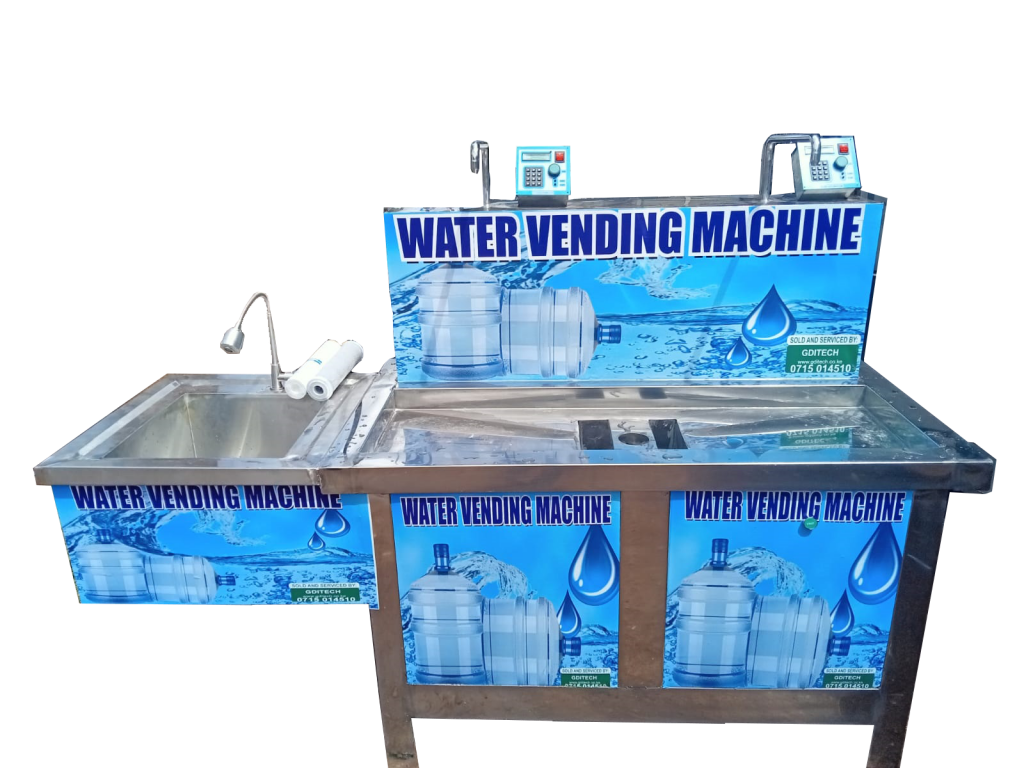
3 Businesses You Can Start In Kenya Today and Make Good Money Introduction At the beginning of each year, many people resolve to start a business and increase their income. With the impact of the Covid-19 pandemic and the economic uncertainty in Kenya, having multiple sources of income has become crucial. If you’re looking for opportunities, you’re in the right place. In this blog post, we will discuss 3 businesses you can start in Kenya today and make good money. These ventures are simple to set up, can generate consistent income, and have a strong demand in the market. What are the advantages of having multiple sources of income? Having multiple sources of income offers several significant advantages: Financial Security: Reduced Risk: Multiple income streams help mitigate the financial impact of job loss or economic downturns. Emergency Fund: Additional income can contribute to building an emergency fund to cover unexpected expenses. Financial Freedom: Multiple sources of income can provide greater financial flexibility and freedom. Increased Wealth: Compound Growth: Multiple income streams can accelerate wealth accumulation through compound interest and investment growth. Financial Independence: Diversified income can help you achieve financial independence earlier. Lifestyle Benefits: Flexibility: Multiple income streams can offer more flexibility in your lifestyle and career choices. Work-Life Balance: You may be able to reduce your workload or pursue other interests while maintaining a comfortable standard of living. Retirement Planning: Multiple income streams can contribute to a more secure and comfortable retirement. Risk Management: Diversification: Multiple income sources can help diversify your financial portfolio, reducing your overall risk exposure. Resilience: In the face of economic downturns, having multiple income streams can make you more resilient to financial challenges. Personal Fulfillment: Pursuing Passions: Multiple income streams can allow you to pursue your passions and interests. Skill Development: Engaging in various income-generating activities can help you develop new skills and knowledge. Overall, having multiple sources of income provides a solid foundation for financial security, wealth accumulation, and personal fulfillment. It’s a strategic approach that can significantly enhance your overall financial well-being. Let us now look at the 3 businesses you can start in Kenya today and make good money. 3 businesses you can start in Kenya today and make good money 1. Selling Salad/Cooking Oil Using an ATM One of the 3 businesses you can start in Kenya today and make good money is selling salad or cooking oil through an ATM machine. Cooking oil is an everyday necessity for households, and many Kenyans, particularly those in middle- and low-income areas, prefer to buy in small quantities due to budget constraints. This creates a profitable opportunity for those interested in selling cooking oil through an ATM, where customers can purchase affordable portions of oil. Why the Salad Oil ATM Business is Lucrative High Demand: Cooking oil is a staple in every kitchen. By offering it in affordable quantities, you can cater to a large customer base. Health Trends: More health-conscious consumers prefer salad oil over solid cooking fats, which is another reason this business is thriving. Daily Revenue: Since cooking oil is bought regularly, you can count on consistent daily sales. Key Considerations The success of your cooking oil ATM business hinges on the quality of your equipment. Subpar machines can break down frequently, leading to lost sales and expensive repairs. It’s crucial to invest in a reliable and durable machine from a trusted supplier. Vinsol provides high-quality cooking oil ATMs with a 13-month warranty and after-sales services to ensure that your operations run smoothly. Their machines are built to last and include basic maintenance training to minimize disruptions. 2. Water Vending Business The second business idea in our list of 3 businesses you can start in Kenya today and make good money is a water vending business. Clean drinking water is a basic necessity, and in many urban and rural areas, access to safe water is limited. A water vending business allows you to provide a valuable service while generating steady income. Why Start a Water Vending Business? Consistent Demand: Clean drinking water is essential for every household, making it a recession-proof business. Low Operating Costs: Once the initial setup is done, operational costs are minimal. You only need to maintain the vending machine and restock the water. High Returns: Given the high demand for safe drinking water, you can expect a good return on investment, especially in densely populated areas. Key Considerations To run a successful water vending business, you need to invest in quality equipment. Vinsol offers top-notch water vending machines and complete water station setups. Their machines come with a 13-month warranty, free maintenance training, and reliable after-sales service. This ensures that your business can operate smoothly and profitably without frequent breakdowns. Additionally, Gditech has created a comprehensive guide on how to start a water vending business in Kenya, which can be a useful resource as you plan your venture. 3. Selling Milk Using an ATM The third and final business on our list of 3 businesses you can start in Kenya today and make good money is selling milk using an ATM. Milk is a daily necessity in most households, and many consumers prefer buying fresh ATM milk because it’s often cheaper than processed, packaged milk. Why the Milk ATM Business is Profitable High Demand: Milk is consumed daily, making it one of the most reliable sources of income. Cost-Effective for Customers: Buying milk from an ATM is generally more affordable than buying packaged milk, which draws in budget-conscious consumers. Strategic Locations: By placing your milk ATM in a high-traffic area, you can ensure steady sales. Key Considerations To succeed in the milk vending business, it’s important to invest in a Kenya Dairy Board (KDB)-approved dairy milk dispensing machine. Using unapproved equipment could result in legal trouble, including fines or the closure of your business. Vinsol offers high-quality, KDB-approved milk ATMs with advanced features such as password-protected PLC units, which store sales data digitally. This feature is especially helpful if you have employees managing the machine,