Ideal Sites To Install Milk ATMs in Kenya

Ideal Sites To Install Milk ATMs in Kenya (Best Locations for Milk ATMs Across Kenya) Choosing the right location is the single most important decision when starting or scaling a milk ATM business. Even the best milk ATMs in Kenya will underperform if installed in the wrong place, while a well-positioned unit can generate consistent daily sales with minimal marketing. Across Kenya, successful operators understand that milk vending machines thrive where convenience, routine purchasing, and trust intersect. This guide explores the ideal sites to install milk ATMs in Kenya, explains why some locations outperform others, and provides practical insights drawn from real-world dairy retail patterns. Whether you are setting up your first 100-litre unit or expanding into multiple counties, understanding where milk sold via milk ATMs sell best in Kenya will significantly improve your profitability. Why Location Determines Milk ATM Success in Kenya Milk is a daily-consumption product. Unlike luxury goods, it relies on convenience, proximity, and habit. This is why milk ATMs perform best in areas where customers can easily integrate milk purchases into their daily routines. Across Kenya, operators who prioritize accessibility over prestige consistently achieve higher turnover. Another critical factor is trust. Consumers are more willing to buy milk from dairy milk dispensers placed in familiar, well-trafficked environments. A visible, clean, and professionally branded machine in the right location builds confidence and encourages repeat purchases, often without any active selling. Ideal Sites To Install Milk ATMs in Kenya · Residential Estates: The Backbone of Milk ATM Sales Residential estates remain the most reliable locations for milk ATMs across Kenya. These areas offer consistent daily demand, predictable foot traffic, and repeat customers who buy milk for household use. Estates with mid- to high-density housing perform particularly well because residents prefer nearby milk sources rather than traveling long distances. When installed within or near estate entrances, milk vending machines become part of residents’ daily routines. Operators report that estates generate stable morning and evening sales peaks, making stock planning easier. For new entrepreneurs, estates are often the safest starting point when evaluating ideal sites to install milk ATMs in Kenya. · Market Centres and Trading Hubs Local markets and trading centres are among the high foot traffic milk vending locations in Kenya. These areas attract a diverse mix of shoppers, traders, and commuters throughout the day. Milk ATMs placed near vegetable stalls, butcheries, or grocery clusters benefit from impulse purchases and bulk buying. In trading hubs, visibility is crucial. A milk ATM positioned where customers naturally pause, such as near entrances or popular stalls, will outperform one tucked away. Many experienced operators prefer compact, reliable units such as Vinsol dairy milk dispensers for these environments due to their durability and ease of maintenance. · Transport Hubs and Commuter Zones Bus stages, matatu termini, and commuter pickup points are often overlooked but highly effective locations for milk ATMs. These areas experience predictable rush-hour traffic in the morning and evening, aligning perfectly with milk purchasing habits. Commuters frequently buy milk on their way home, especially when the ATM is conveniently placed along their route. Mobile money integration is essential in such locations, as speed and convenience drive sales. Operators using Vinsol milk ATMs in commuter zones often report strong evening turnover with minimal price sensitivity. · Peri-Urban Areas and Fast-Growing Towns Across Kenya, peri-urban areas are expanding rapidly due to urban migration and housing development. These locations often lack established retail infrastructure but have growing populations with daily milk needs. Milk ATMs perform exceptionally well here because they fill a clear gap between informal milk sellers and packaged milk brands. For entrepreneurs looking to scale, peri-urban towns represent some of the best places to install dairy milk dispensers. Lower rent costs, limited competition, and strong community ties make these areas ideal for long-term growth. Consistent quality and hygiene are especially important in building trust in these emerging markets. · Institutions and Community-Centered Locations Schools, colleges, hospitals, and staff housing complexes also offer strong potential for milk ATM placement. These environments support consistent demand, particularly when access to fresh milk is limited. However, such locations often require stricter compliance and formal agreements. Using milk ATMs that meet Kenya Dairy Board standards is non-negotiable in institutional settings. Operators supplying institutions typically rely on high-quality dairy milk dispensers that are easy to clean and maintain, reinforcing professionalism and safety. Ideal Sites To Install Milk ATMs in Kenya: Other Considerations to Make How Foot Traffic Quality Matters More Than Quantity While foot traffic is important, its quality matters even more. High traffic does not automatically translate into high sales if people are passing through without stopping or purchasing household goods. Successful operators analyze how people move, where they pause, and what else they are buying. Understanding tips for milk ATM placement in Kenya includes observing daily routines. Locations where people already purchase food items consistently outperform purely transit-oriented spaces. This insight helps explain where milk sold via milk ATMs sell best in Kenya, in places tied to daily living rather than occasional movement. Competition and Market Saturation Considerations Competition is not necessarily a bad thing. In fact, areas with existing milk sellers often indicate proven demand. However, saturation without differentiation can limit growth. Before installing a milk ATM, operators should assess pricing, hygiene standards, and customer loyalty among existing sellers. Installing affordable dairy milk dispensers in competitive areas works best when combined with visible hygiene, consistent quality, and reliable availability. Customers are quick to switch if they perceive better value or cleanliness. Compliance and Visibility Go Hand in Hand Across Kenya, compliance influences location viability. County governments and public health officers closely monitor food vending activities, especially in public spaces. Choosing locations that allow easy inspection access and proper sanitation reduces operational risk. Using KDB approved milk ATMs and clearly displaying licenses builds trust with both regulators and customers. Locations that support proper drainage, water access, and power supply are more sustainable in the long term. Choosing the Right Machine for Each Location Type
A Step-by-Step Guide to Operating a Milk ATM Business in Kenya
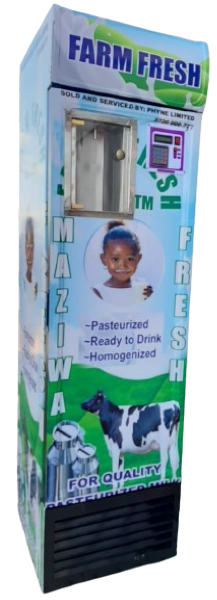
A Step-by-Step Guide to Operating a Milk ATM Business in Kenya The dairy industry in Kenya is evolving rapidly. Rising urban populations, changing consumer habits, and growing demand for hygienic, affordable fresh milk have created a powerful opportunity for entrepreneurs. At the center of this transformation is the milk ATM also known as a dairy milk dispenser or a milk vending machine, a compact yet highly profitable milk vending solution that bridges the gap between dairy farmers and urban consumers. This step-by-step guide to operating a milk ATM business in Kenya is designed for serious entrepreneurs, dairy farmers, and investors who want practical, real-world insights, not theory. Whether you’re starting your first milk vending business or expanding an existing dairy operation, this guide walks you through everything that matters: compliance, sourcing, operations, profitability, hygiene, and long-term growth. Also: The Ultimate Guide to Starting a Profitable Dairy Milk Dispenser Business in Kenya Why Milk ATMs Are Transforming Kenya’s Dairy Sector Kenya produces millions of litres of milk daily, yet a significant portion is lost due to poor cold-chain infrastructure, middlemen exploitation, and limited market access. Milk ATMs solve these challenges by enabling direct-to-consumer sales while preserving quality and safety. Milk ATMs, also known as dairy milk dispensers or milk vending machines, store milk in chilled, food-grade tanks and dispense precise quantities on demand. Customers pay using cash or mobile money, making the process fast, transparent, and convenient. For entrepreneurs, this model eliminates unnecessary intermediaries, improves margins, and offers daily cash flow—something few agribusinesses can guarantee. Why a Vinsol Milk ATM Is Ideal for Kenya A Vinsol 100-Litre milk ATM unit is widely regarded as the sweet spot for most Kenyan startups. It balances affordability, operational simplicity, and scalability. Key Advantages of Vinsol 100-Litre Milk ATMs: Lower capital investment compared to larger units Easier compliance with hygiene and regulatory standards Faster stock turnover, reducing spoilage risk Ideal for estates, markets, and peri-urban locations Perfect for testing demand before scaling This is why many consider 100-litre units among the best milk ATMs in Kenya for first-time operators. A Step-by-Step Guide to Operating a Milk ATM Business in Kenya Step 1: Market Research and Location Selection Before purchasing a machine, understand who will buy your milk and where. High-performing locations include: Residential estates with high population density Local markets and shopping centers Transport hubs and stage areas Areas with limited access to packaged milk Peri-urban neighborhoods with price-sensitive consumers A good location alone can determine up to 60% of your milk ATM business success. Step 2: Business Registration and Legal Compliance Operating legally builds trust and protects your investment. Required licenses and approvals: Business registration (sole proprietor or limited company) County Single Business Permit Public Health Certificate Kenya Dairy Board (KDB) license Machine compliance with KEBS standards Always ensure your machine qualifies as one of the milk ATMs that meet Kenya Dairy Board standards. Non-compliant machines risk closure, fines, or confiscation. Step 3: Choosing the Right Milk ATM Machine Not all milk ATMs are created equal. Your profitability depends heavily on machine quality. What to look for: Food-grade stainless steel tank Reliable cooling system (2–4°C) Accurate volume calibration M-Pesa integration Easy cleaning and maintenance Warranty and spare parts availability Vinsol milk vending machines are increasingly popular due to their durability, hygienic design, and local after-sales support. Many entrepreneurs specifically prefer Vinsol milk ATMs for their reliability and KEBS-compliant construction. If you’re searching for where to buy high quality milk ATMs in Kenya, always prioritize certified suppliers with proven installations. Also: How to Choose the Best Milk ATM for Your Business Step 4: Cost of Milk ATMs in Kenya The price of milk vending machines in Kenya varies based on features and supplier. Typical cost breakdown: Machine price: KES 70,000 – 150,000 Licensing & permits: KES 10,000 – 30,000 Initial milk stock: KES 5,000 – 10,000 Branding & setup: KES 5,000 – 15,000 Vinsol dairy milk dispensers are some of the most affordable milk ATMs in the market. Step 5: Sourcing High-Quality Milk Milk quality is your brand. Best sourcing options: Trusted local dairy farmers Licensed milk processors Dairy cooperatives with chilling facilities Milk must be: Fresh and pasteurized Delivered cold Free from antibiotics and contaminants Consistent quality is what builds customer loyalty and repeat sales. Step 6: Daily Operations and Hygiene Management Operating milk vending machines in Kenya requires strict discipline. Daily routine checklist: Load chilled milk into the ATM Clean dispensing nozzles and surfaces Monitor temperature and volume accuracy Reconcile M-Pesa and cash collections Track daily sales and stock levels Hygiene is non-negotiable. Clean machines inspire confidence and keep regulators away. Step 7: Pricing Strategy and Profitability Most milk ATM operators sell milk between KES 60–80 per litre, depending on location. Profit example (conservative): Daily sales: 80 litres Selling price: KES 70/litre Daily revenue: KES 5,600 Gross margin: KES 20–25 per litre Monthly net profit: KES 40,000–70,000 At this rate, many operators recover their investment in 6–12 months, making milk vending machines one of the fastest payback agribusinesses in Kenya. Also: How to Choose the Best Milk ATM for Your Business Marketing Your Milk ATM for Consistent Sales Even the best machine needs visibility. Proven marketing tactics: Clear signage with pricing Emphasize “fresh, chilled, hygienic” Loyalty incentives for repeat customers WhatsApp community promotions Strategic branding around trust and quality Milk ATMs thrive on habitual daily purchases, so consistency matters more than aggressive advertising. Scaling Beyond a Single Unit Milk ATM Once demand grows, scaling becomes natural. Options include: Adding another milk dispenser unit in a new location Adding other related products instead of just milk. For example you can add yoghurt, bread, eggs, mala etc. Creating a mini milk ATM network Partnering with farmer groups for supply security Many successful operators start small and scale fast without loans. Common Challenges and How to Overcome Them Key risks: Milk spoilage due to power outages Inconsistent milk supply Poor hygiene practices Machine downtime Practical solutions: Backup power or ice buffering Supplier diversification Strict cleaning schedules Preventive maintenance