

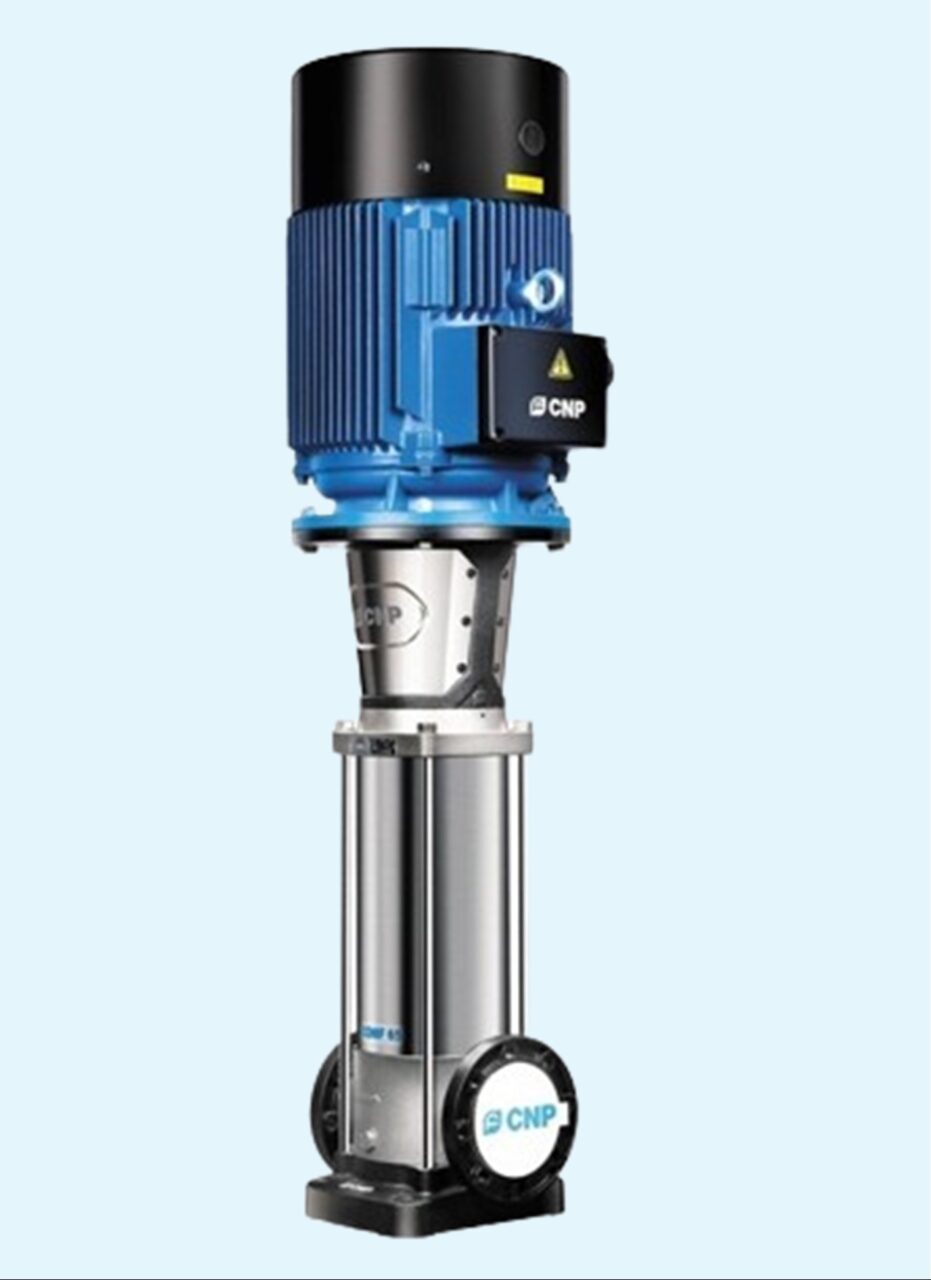
Description
Reverse Osmosis High-Pressure Pumps: The Engine of Pure Water Production
In a Reverse Osmosis (RO) system, the High-Pressure Pump is the most critical component. It is the “heart” that generates the force required to overcome natural osmotic pressure, pushing water through the semi-permeable membrane to leave behind salts, bacteria, and contaminants. At Vinsol, we supply industrial-grade Reverse Osmosis High-Pressure Pumps designed for high-duty cycles, ensuring your water vending station or desalination plant maintains a consistent flow rate—whether you are aiming for 500 LPH or 10,000 LPH.
Why the Pump Choice Determines Your RO System’s Success
A poorly sized or low-quality pump doesn’t just reduce flow; it can destroy your membranes. If the pressure is too low, the rejection rate drops, and your water “saltiness” increases. If it’s inconsistent, the membrane suffers from premature fouling.
The Vinsol Advantage:
- Precision Engineering: Our pumps are designed to deliver a steady 40–80 bar (600–1200 PSI) for brackish and seawater applications.
- Corrosion Resistance: Given the high concentration of salts in “reject water,” our pumps feature SS304 or SS316 stainless steel internals to prevent pitting and rust.
- Energy Optimization: We prioritize pumps with high-efficiency motors to keep your monthly KPLC bills manageable—a critical factor for the profitability of any water business.
- Built-in Protection: Integrated thermal and dry-run protection ensures the motor shuts down if the feed water supply is interrupted, saving you from expensive repairs.
Reverse Osmosis High-Pressure Pumps Technical Performance & Selection Guide
Selecting the right pump depends on your feed water’s Total Dissolved Solids (TDS) and your desired hourly output.
| Pump Type | Ideal Application | Typical Pressure | Material Build |
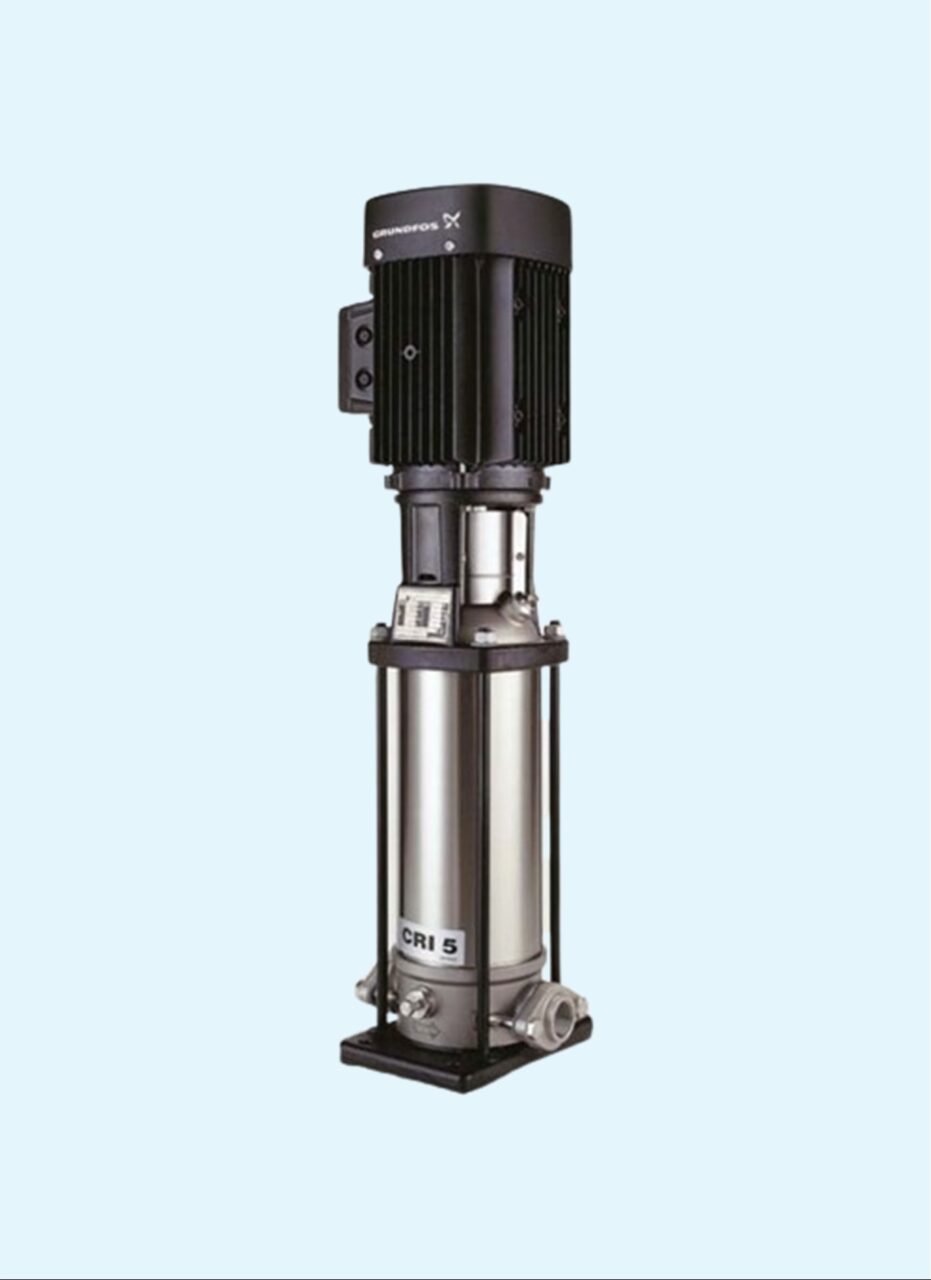
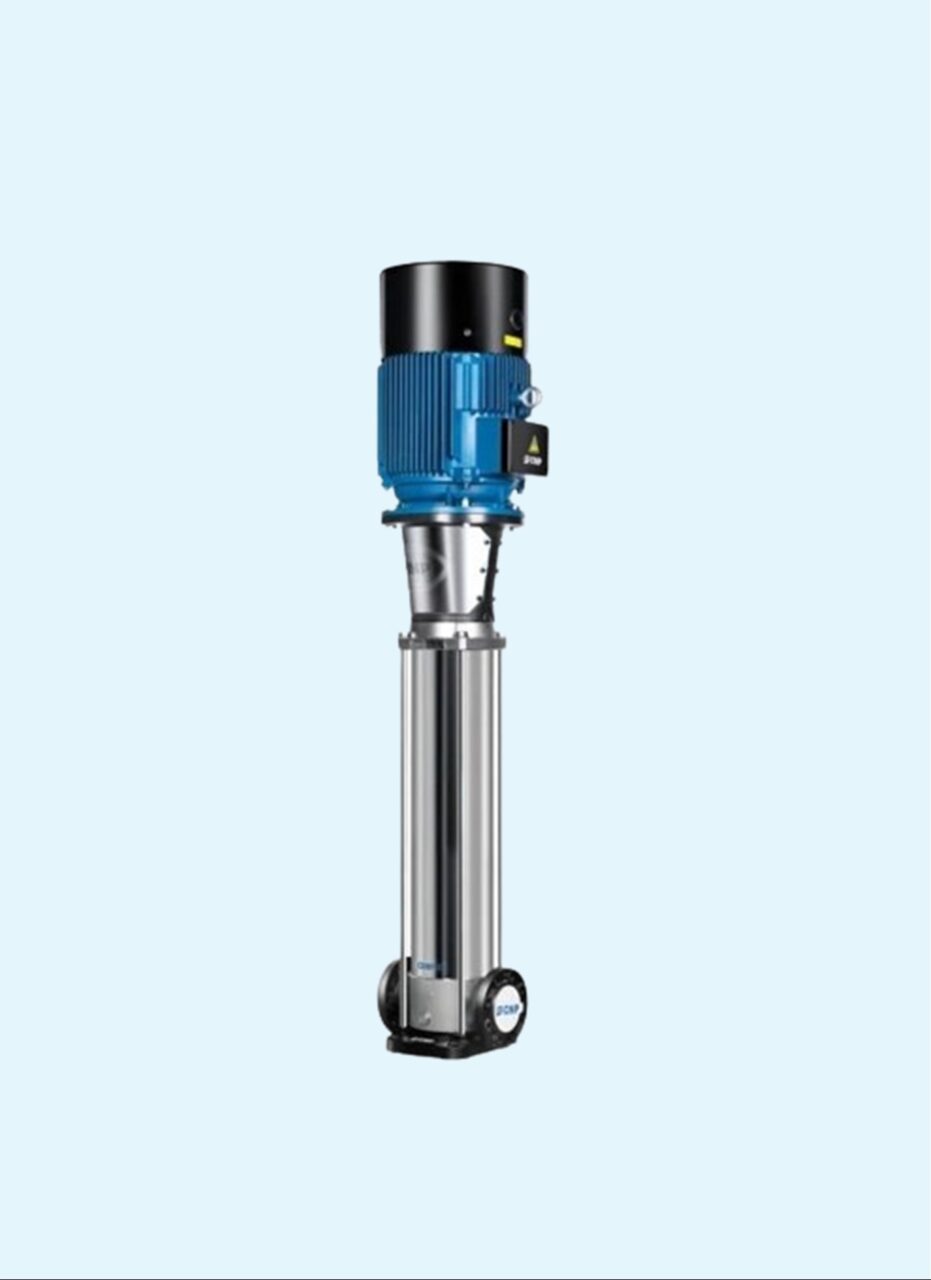
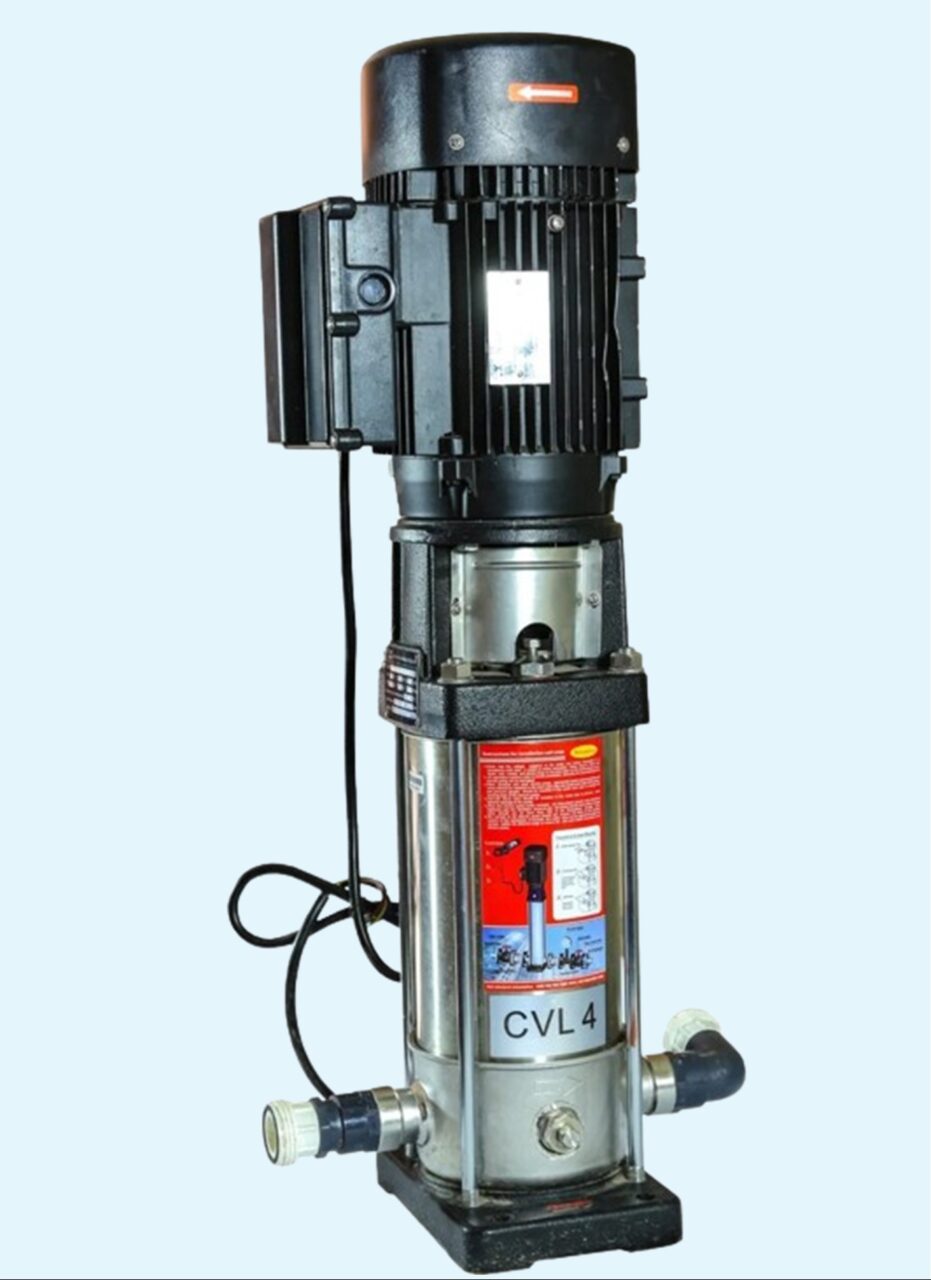
| Vertical Multistage | Commercial RO Systems & Water Stations | 100 – 400 PSI | SS304 / SS316 |
| Horizontal Multistage | Compact Industrial Systems | 80 – 250 PSI | Stainless Steel / Cast Iron |
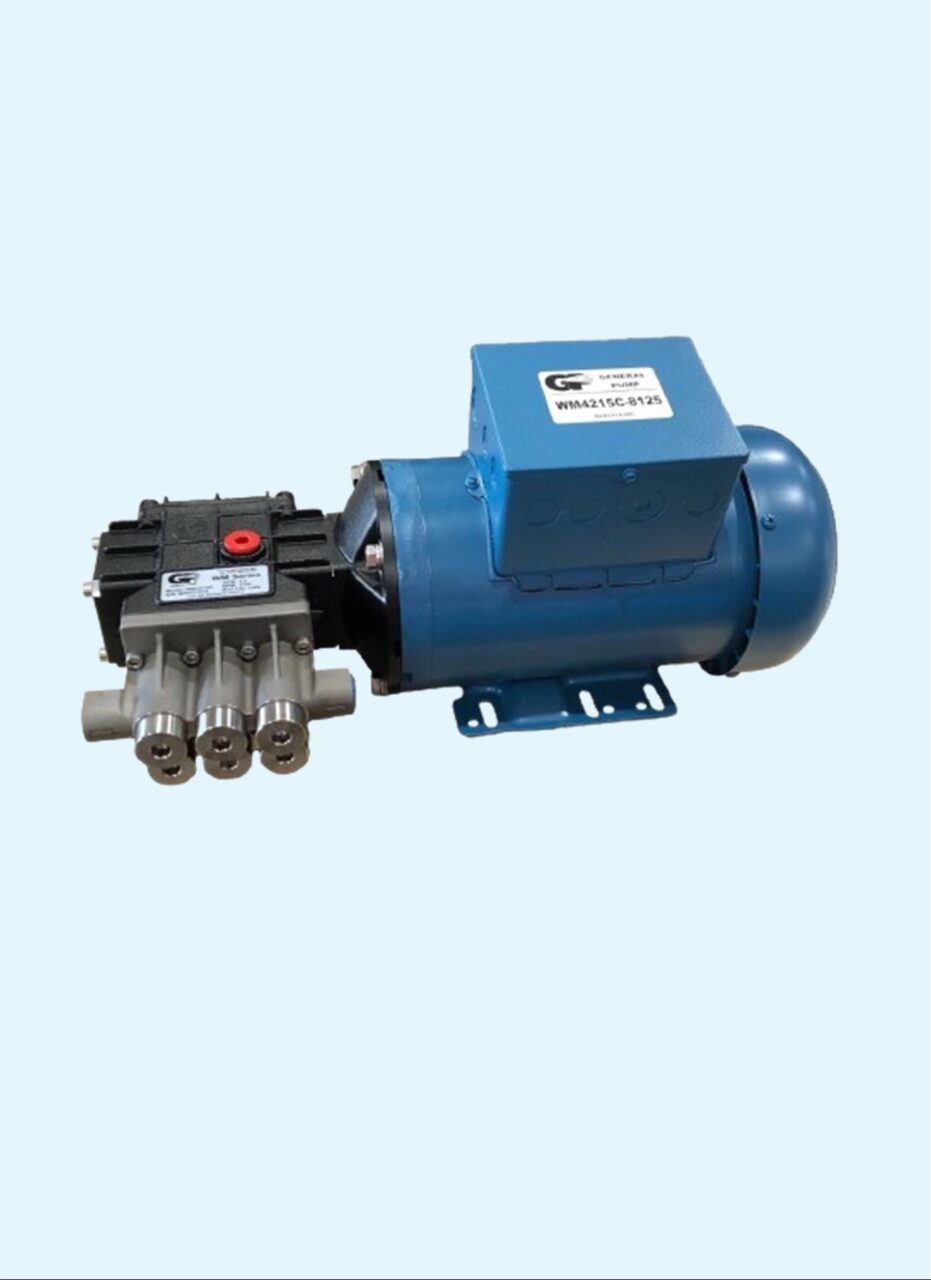
| Axial Piston | Seawater Desalination (SWRO) | 800 – 1200 PSI | Duplex Stainless Steel |
| 12V/24V Diaphragm | Solar-powered / Residential | 70 – 100 PSI | EPDM / Polypropylene |
Maintenance Tips for Maximum Longevity
To ensure your pump lasts for years of continuous operation:
- Pre-Filtration is Key: Always ensure your 5-micron sediment filter is clean. Any sand or grit entering the high-pressure pump will score the impellers instantly.
- Monitor the VFD: We recommend using a Variable Frequency Drive (VFD) with larger industrial pumps to allow for “soft starts,” reducing mechanical stress and saving energy.
- Check the Seals: Regularly inspect the mechanical seals for leaks. A small leak today can lead to a motor burnout tomorrow.
Why Source Reverse Osmosis High-Pressure Pumps in Kenya from Vinsol?
As the leading experts in water purification technology in Kenya, we don’t just sell pumps—we provide the technical backbone for your business.
- Local Expertise: We understand the specific water chemistry of different regions in Kenya (from the hard water of Kitengela to the saline waters of the Coast).
- Instant Availability: We stock the most common sizes (1.5 m³/h to 10 m³/h) to ensure zero downtime for our clients.
- 12-Month Industrial Warranty: Peace of mind for every purchase.
Power up your purification system today- Buy best grade Reverse Osmosis High-Pressure Pumps from Vinsol
Don’t let an underpowered pump throttle your production. Invest in a RO High-Pressure Pump from Vinsol and experience the difference in water quality and system efficiency.
Contact us today through any of the means below to place your order or make an inquiry:
- Call/WhatsApp Us: +254 715 01 45 10
- Email: inquiries@vinsol.co.ke | info@vinsol.co.ke
- Contact Form: Fill out the contact form here.
- Visit Our Branches:
- Ruiru Branch: Next to Total Petrol Station – Kihunguro, Ruiru
- Eldoret Branch: Rehema Complex, opposite Japara Ltd., along Oloo Street, Eldoret.
We look forward to serving you.
Frequently Asked Questions: Expert RO Pump Insights
- What is the difference between a booster pump and an RO high-pressure pump?
While both move water, a booster pump is generally for low-pressure domestic flow. An RO High-Pressure Pump is a precision tool specifically designed to handle the “back-pressure” created by an RO membrane. Standard pumps will fail or “cavitate” if forced to push against a 0.0001-micron membrane. - How do I know if my RO pump is failing?
The three biggest signs are:
- Drop in Permeate Flow: If your 1000 LPH system is only producing 600 LPH.
- Increased TDS: High salt passage often indicates the pump can no longer maintain the “Critical Pressure” needed for rejection.
- Excessive Noise: A grinding or high-pitched whine usually points to bearing failure or air in the system.
- Can these pumps handle brackish or borehole water?
However, for borehole water with high salinity (TDS > 2000 ppm), you must use a stainless steel multistage pump. Using a cast-iron pump will lead to internal corrosion within months due to the concentrated minerals in the RO reject stream.



Reviews
There are no reviews yet.