How To Choose The Right Reverse Osmosis Water Purifier
Reverse osmosis (RO) is a water purification method that uses a semipermeable membrane to remove pollutants from water. RO water purifiers can give you with clean, pure water that is suitable for drinking, cooking, and other purposes. However, not all RO water purifiers are the same. You need to choose the right reverse osmosis water purifier that suits your needs and preferences. But how do you choose the right reverse osmosis water purifier?
We shall be discussing guidelines for buying the most suitable RO system for your needs later in this article. Before then let us understand what a reverse osmosis machine is, how does it work and some of the common pollutants found in water that necessitates use of an RO system to make it clean and safe for human consumption.
What is a Reverse Osmosis (RO) Water Purification System?
A reverse osmosis (RO) water purification system is a technology that removes impurities from water by using pressure to force it through a semi-permeable membrane. This membrane acts like a molecular sieve, allowing water molecules to pass through while blocking larger contaminants.
Think of it like this: Imagine pouring water through a fine mesh strainer. The strainer catches the larger particles, while the water passes through. An RO system works on a similar principle, but on an incredibly smaller scale, filtering out even microscopic impurities.
Essentially, RO systems provide a high level of water purification, making them a popular choice for homes and businesses seeking clean, safe drinking water.
How does a reverse osmosis water purification system work?
 A reverse osmosis (RO) water purification system works by using a semi-permeable membrane to remove contaminants from water. Here’s a step-by-step breakdown of the process:
- Pre-Filtration: Water first passes through a pre-filter to remove larger particles like sediment and chlorine, which can damage the RO membrane.
- Reverse Osmosis: The water is then forced through the semi-permeable membrane under high pressure. This membrane has tiny pores (about 0.0001 microns) that allow only water molecules to pass through, blocking contaminants such as dissolved salts, bacteria, and other impurities.
- Post-Filtration: After passing through the RO membrane, the water goes through additional filters (like carbon filters) to remove any remaining tastes or odors.
- Storage: The purified water is stored in a tank until needed.
- Final Filtration: Before use, the water may pass through a final polishing filter to ensure the highest quality.
This multi-stage process ensures that the water is free from most contaminants, making it safe and clean for drinking.
What are the common water pollutants that necessitates use of an RO system to make it clean and safe for human consumption?
Water, while essential to life, can unfortunately harbor a range of contaminants that can pose health risks. This is where reverse osmosis (RO) systems shine. Here are some of the common water pollutants that make RO systems a necessity:
- Bacteria and Viruses: These microscopic organisms can cause waterborne illnesses and are effectively removed by RO systems.
- Lead: This heavy metal can leach from old pipes and pose serious health risks, especially for children. RO systems effectively filter out lead.
- Pesticides and Herbicides: Agricultural runoff can introduce these chemicals into water supplies, potentially contaminating drinking water. RO systems can help remove them.
- Pharmaceuticals and Personal Care Products (PPCPs): These emerging contaminants are finding their way into water sources. RO systems can help reduce their presence.
- Nitrates: Excessive nitrates in water can be harmful, especially for infants. RO systems effectively remove nitrates.
- Dissolved Solids: These include salts, minerals, and other substances that can affect the taste and quality of water. RO systems excel at reducing dissolved solids.
- Chlorine: While used to disinfect water, chlorine can impart an unpleasant taste and odor. RO systems can effectively remove chlorine.
- Turbidity: Cloudy or murky water often contains suspended particles that can harbor bacteria. RO systems can improve water clarity.
It’s important to note that while RO systems are highly effective, they might not remove all contaminants. Regular maintenance and replacement of filters are crucial for optimal performance.
Remember: The specific contaminants in your water supply will vary depending on your location and water source. It’s always recommended to have your water tested to determine the exact contaminants present and select an appropriate water purification system.
Guidelines on Buying the Right Reverse Osmosis Water Purifier for Your Needs
When choosing a reverse osmosis (RO) water purifier, consider these key factors to ensure you get the right system for your needs:

- Purpose: Determine whether the RO purifier is for domestic or commercial use.
Domestic Use: If you need an RO purifier for household needs, such as drinking, cooking, and washing, you’ll want a system that is compact, efficient, and easy to maintain. Domestic RO systems are typically designed to fit under the kitchen sink or on the countertop, providing a convenient solution for everyday water purification. These systems often come with features like a faucet for easy access to purified water and a storage tank to ensure a steady supply.
Commercial Use: For businesses like restaurants, hotels, offices, and factories, the requirements are different. Commercial RO systems need to handle larger volumes of water and often come with higher capacity and more robust features. These systems are designed to meet the demands of high-usage environments, ensuring that there is always enough purified water available for various applications. The size, capacity, and features of the system will be influenced by the specific needs of your business.
- Capacity: Estimate your daily or hourly water purification needs.
Measurement: The capacity of an RO system is measured in liters per hour (LPH) or gallons per day (GPD). This measurement indicates how much purified water the system can produce within a specific time frame. It’s crucial to choose a system with a capacity that matches your water consumption needs to ensure you have a sufficient supply of purified water.
Example: If your household or business requires 100 liters of purified water daily, you should select an RO purifier with a capacity of at least 100 LPH or 26 GPD. This ensures that the system can meet your daily water demands without running out or overworking the system, which can lead to maintenance issues and reduced lifespan.
- Features: Check the features of the RO purifier to ensure it meets your requirements.
Pre-Filters: These filters remove large particles like sand, dust, and rust from the water before it enters the RO membrane. Pre-filters are essential because they protect the RO membrane from clogging and damage, which can extend the lifespan of the system and maintain its efficiency.
Post-Filters: After the water passes through the RO membrane, post-filters remove any remaining impurities, such as chlorine, odors, and tastes. This step enhances the quality and taste of the purified water, making it more pleasant to drink and use for cooking.
Storage Tank: A storage tank is useful for holding purified water, ensuring a constant supply even when water pressure is low or demand is high. Storage tanks come in various sizes and materials, such as plastic or stainless steel. Choose a tank that is large enough to store the amount of water you need and made from a durable, safe material.
Faucet: The faucet dispenses purified water from the storage tank. When selecting a faucet, consider the design and finish to match your kitchen or bathroom decor. Additionally, ensure the faucet is easy to use and maintain, providing a convenient way to access purified water.
Indicator: An indicator displays the status of the RO system, including water level, filter life, and water quality. Indicators can be digital or analog and help you monitor the system’s performance and maintenance needs. They alert you when there is a problem or when it’s time to replace filters or the membrane, ensuring the system operates efficiently.
- Performance Efficiency: Evaluating the performance efficiency of an RO water purifier is crucial. This refers to how effectively the system purifies water and how much water it wastes. Performance efficiency is measured by two key parameters: the filtration rate and the recovery rate.
Filtration Rate: This is the percentage of water that is purified by the RO system. A higher filtration rate means better quality purified water. The filtration rate depends on several factors, including the quality of the feed water, the pressure of the feed water, the condition of the RO membrane, and the system settings. Typically, RO water purifiers have a filtration rate of around 90% to 95%.
Recovery Rate: This is the percentage of water that is recovered by the RO system. A higher recovery rate indicates less water wastage. Like the filtration rate, the recovery rate is influenced by the quality and pressure of the feed water, the condition of the RO membrane, and the system settings. On average, RO water purifiers have a recovery rate ranging from 25% to 50%.
- Cost: When considering the cost of an RO water purifier, it’s important to look beyond the initial purchase price. The total cost includes the initial purchase price, installation cost, maintenance cost, and operating cost. Comparing these costs across different models will help you find the best value for your budget.
Initial Purchase Price: This is the upfront cost of buying the RO water purifier. It varies based on the brand, model, capacity, features, and quality of the system. For instance, domestic RO water purifiers can range from Ksh 230,000, while commercial systems can start from Ksh 300,000 and go higher.
Installation Cost: This is the cost associated with setting up the RO water purifier. It depends on the complexity of the installation, the location, the materials and tools required, and labor charges. Installation costs can range from Ksh 2,500 to Ksh 10,000 or more depending with the renovations needed and other thing that need to be in place.
Maintenance Cost: Maintaining an RO water purifier involves replacing filters and membranes, cleaning the system, and repairing any damages. The maintenance cost depends on the frequency of use, the quality of the feed water, the quality of the RO system, and the warranty and service terms. Regular maintenance ensures the system operates efficiently and prolongs its lifespan.
Operating Cost: This includes the ongoing expenses of running the RO water purifier, such as electricity, water, and other consumables. The operating cost is influenced by the system’s capacity, features, performance efficiency, and usage. Understanding these costs will help you budget for the long-term operation of the purifier.
These are some of the key things that you need to look for when choosing the right reverse osmosis water purifier for your needs. By carefully considering these factors, you can choose an RO water purifier that meets your needs and provides a reliable supply of clean, safe water. This approach ensures you make an informed decision, balancing performance and cost effectively. It will give you peace of mind and improved water quality for your home or business.
Need a reliable, efficient and cost friendly reverse osmosis water purifier? Get in touch with us to order one today
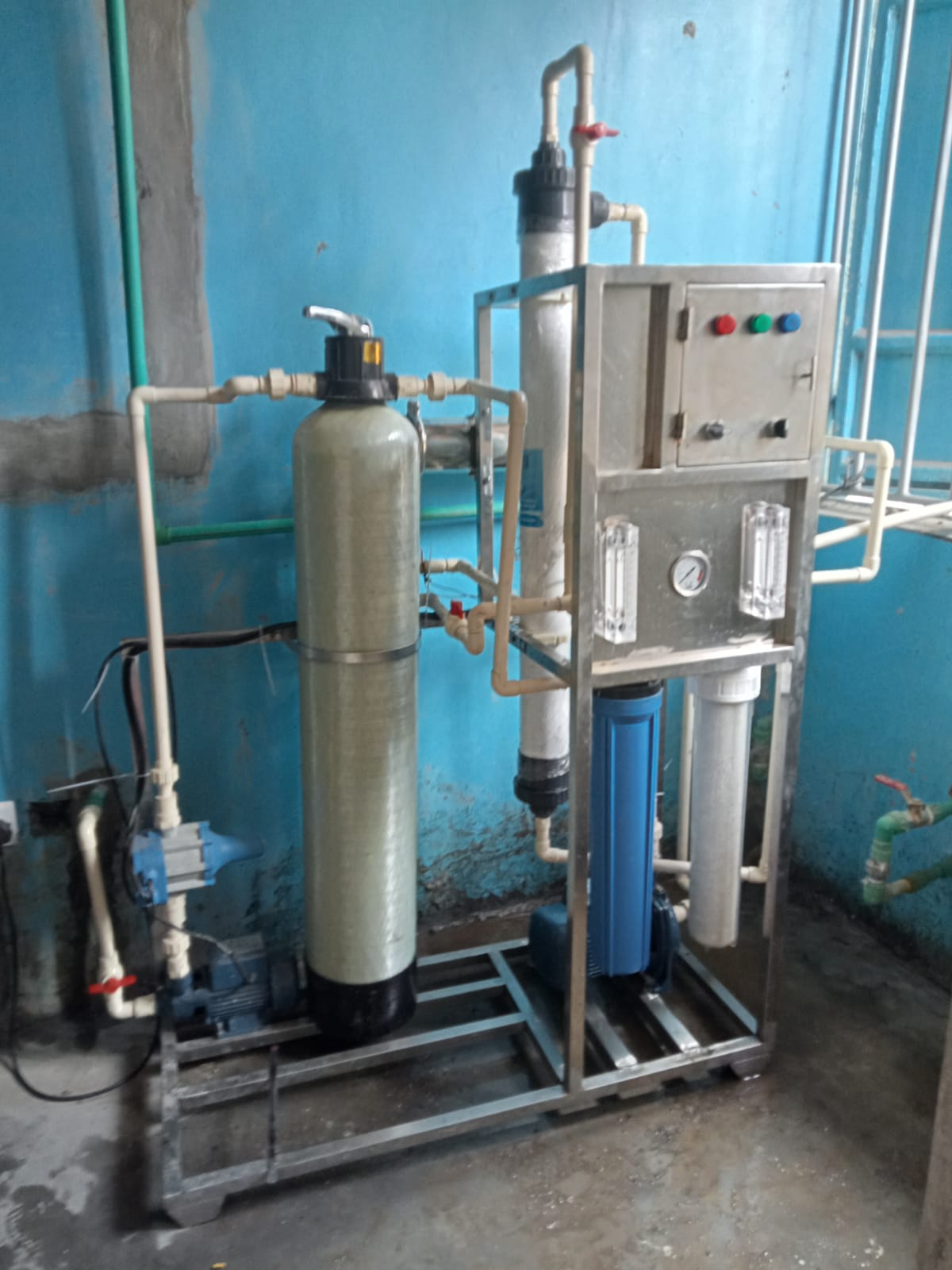 Have you been searching where to source the best quality RO water purifiers in Kenya? No need to look any further. At Vinsol, we are experts in making reverse osmosis water purification machines that meet international standards.
Use any of the options below to get in touch with us to order one:
Contact us form: You can also reach out to us by filling the contact us form.