How Boreholes Help in Enhancing Agribusiness Growth in Kenya
Introduction
Water is a vital resource in agriculture, the backbone of Kenya’s economy. However, water scarcity remains a significant challenge in many parts of the country, especially in arid and semi-arid regions. This shortage poses a threat to agricultural productivity and the growth of agribusiness. Boreholes have emerged as a reliable and sustainable solution to address these challenges by providing a consistent source of groundwater for agricultural activities. In this article, we will explore how boreholes help in enhancing agribusiness growth in Kenya, from supporting irrigation and livestock farming to driving economic development in rural communities.
How Boreholes Help in Enhancing Agribusiness Growth in Kenya
As seen in the introduction above, boreholes play a crucial role in enhancing agribusiness growth in Kenya. Le us now discuss deeper how boreholes help in enhancing agribusiness growth in Kenya.
The Role of Boreholes in Agriculture- A Catalyst for Agribusiness Growth in Kenya
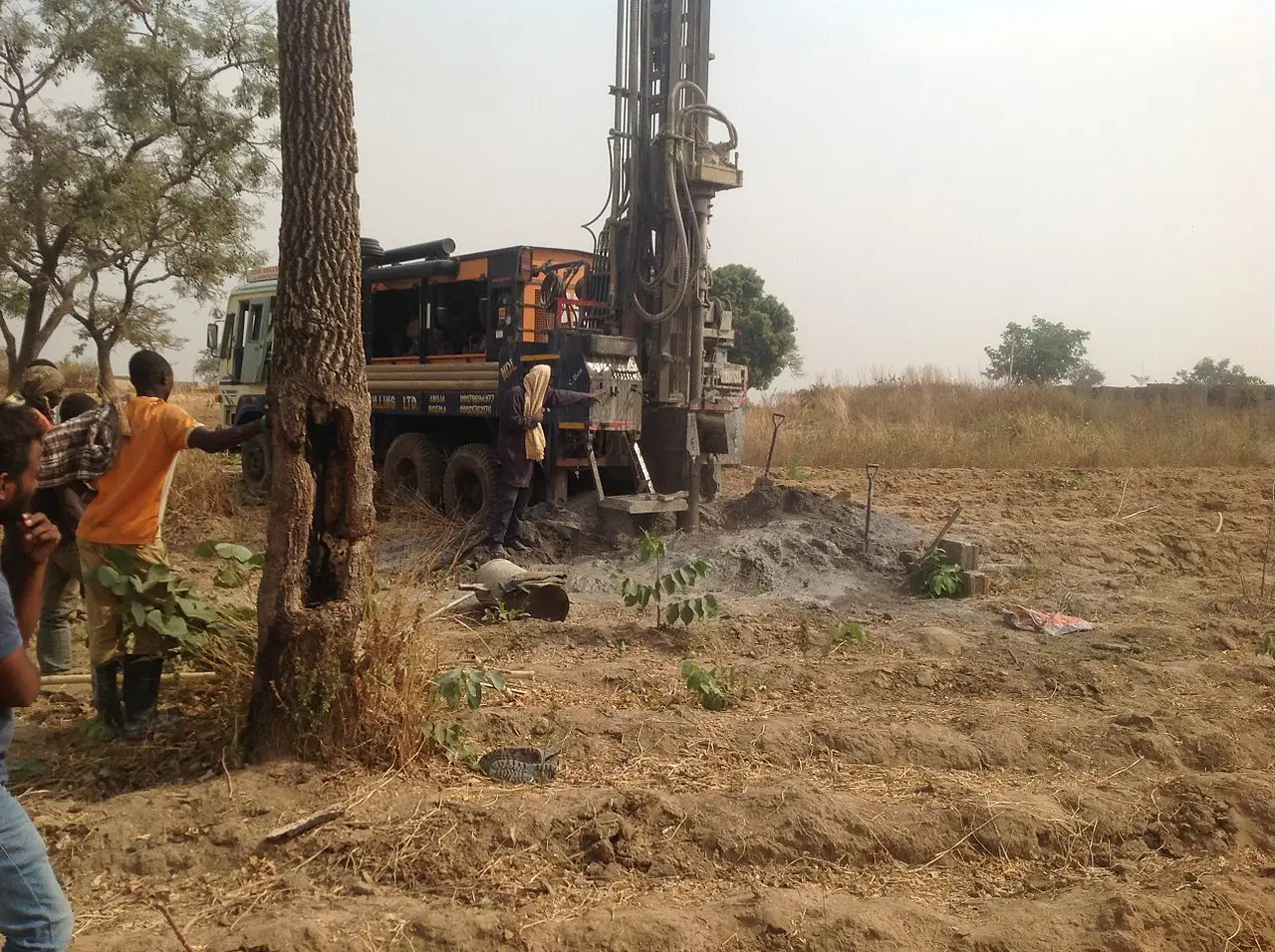
- Irrigation in Water-Scarce Areas
In areas with limited or unreliable rainfall, boreholes provide a dependable water source for irrigation. Farmers no longer need to rely solely on seasonal rain, which can be unpredictable and inadequate for crop production. Borehole water allows them to irrigate their fields consistently, ensuring that crops receive the necessary hydration throughout the growing season. This not only improves crop yields but also stabilizes food production, making agriculture more resilient in the face of drought. - Benefits of Borehole Water for Agriculture
Using borehole water for agriculture offers multiple benefits. First, it leads to improved crop yields, as farmers can grow crops year-round, even in dry seasons. Second, boreholes enable efficient water usage, especially when paired with modern irrigation techniques like drip irrigation, which reduces water wastage and ensures that crops receive water directly where it’s needed. Lastly, with boreholes providing a reliable water supply, farmers can diversify their crops, cultivating high-value crops like fruits and vegetables that require more water than traditional rain-fed crops. - Supporting Livestock Farming
In addition to crop irrigation, boreholes also support livestock farming. A consistent source of clean drinking water is essential for maintaining healthy livestock, particularly in regions where droughts frequently dry up rivers and other surface water sources. Boreholes can also be used to irrigate fodder crops, ensuring that livestock have enough feed throughout the year. This leads to better animal health, increased milk and meat production, and a more sustainable livestock farming industry.
Case Studies of Successful Borehole Projects
Increased Agricultural Production in Turkana
In Turkana, an arid region in northern Kenya, borehole projects have transformed local agriculture. Before the installation of boreholes, farmers in this region struggled to produce enough food due to erratic rainfall and frequent droughts. With the introduction of borehole water, these farmers have been able to irrigate their crops regularly, significantly increasing their yields. As a result, food security has improved, and local communities have a more stable source of income.
Boosting Livelihoods in Machakos
In Machakos County, small-scale farmers have benefited greatly from borehole initiatives. These boreholes provide water not only for crop irrigation but also for livestock, helping farmers increase both crop and animal production. The availability of water has allowed farmers to plant crops even during dry seasons and grow higher-value produce, enhancing their livelihoods and creating new economic opportunities in the region.
Challenges and Considerations
- Drilling Costs and Water Quality Issues
While boreholes offer immense benefits, there are challenges associated with drilling and maintenance. The initial cost of drilling a borehole can be prohibitively expensive for many small-scale farmers, often requiring financial assistance or community collaboration. Additionally, not all groundwater is suitable for irrigation or consumption. Borehole water quality can vary, and some may contain high levels of salts or contaminants that can damage crops or pose health risks. Regular water testing is essential to ensure the water is safe for agricultural use. - Sustainability and Management
Proper management of boreholes is crucial to ensure their sustainability. Over-extraction of groundwater can lead to the depletion of aquifers, making it essential to monitor water usage carefully. Communities and farmers must be trained in water management practices to avoid overuse and ensure the long-term viability of the water resource. Selecting a reputable borehole drilling company that follows sustainable drilling practices is also key to preventing environmental degradation.
Government Initiatives and Support For Borehole Drilling
- Promoting Borehole Development
The Kenyan government has recognized the importance of boreholes in boosting agricultural productivity and has launched several programs to promote borehole development. These initiatives include providing technical assistance to farmers, offering financial support through grants and loans, and partnering with international organizations to fund large-scale borehole projects in drought-prone regions. - Government Agencies’ Role
Agencies such as the Ministry of Water and Irrigation play a key role in helping small-scale farmers access borehole technology. They offer training on borehole management, water conservation, and sustainable farming practices. By providing these resources, the government helps farmers maximize the benefits of borehole water while ensuring the responsible use of groundwater.
The Importance of Ensuring Water Quality in Borehole-Driven Agribusinesses
Water quality is crucial for the success of borehole-driven agribusinesses. Poor-quality water can harm crops, affect livestock health, and diminish overall productivity. To prevent these issues, regular testing for contaminants is essential. This includes:
- Chemical Contaminants: Testing for harmful chemicals like nitrates, pesticides, and heavy metals is necessary to ensure the water is safe for irrigation and consumption.
- Salt Levels: High salinity in water can damage crops by affecting soil structure and plant absorption of nutrients.
- Microbial Pathogens: Waterborne diseases caused by bacteria and parasites can spread through irrigation, affecting both crops and livestock.
In addition to regular testing, filtration systems or water treatment methods may be required to improve water quality. Treating borehole water ensures it is safe for use, fostering healthy plants and animals while maintaining the long-term viability of the agribusiness.
Community Involvement is Important in the Quest for Drilling, Using, and Maintenance of Boreholes
Community involvement is critical for the sustainable management of boreholes. By involving local stakeholders in decision-making, communities can ensure effective and equitable use of borehole water. Key benefits include:
- Collective Ownership: When the community feels responsible for the borehole, they are more likely to ensure its proper use and maintenance.
- Equitable Water Distribution: Local farmers can collaborate to share water resources fairly, preventing overuse or misuse.
- Shared Costs: Communities can pool resources to cover the high costs associated with drilling, regular maintenance, and water quality testing, making boreholes more affordable for small-scale farmers.
This approach fosters long-term sustainability and ensures that the borehole continues to serve the needs of the entire community effectively.
Environmental Impact of Boreholes
While boreholes provide a reliable source of water for agribusiness, they can have environmental consequences if not managed responsibly. Over-extraction of groundwater is a significant concern, as it can lead to the depletion of aquifers and disrupt the natural water cycle. The potential environmental impacts include:
- Depletion of Aquifers: Excessive extraction without proper monitoring can lower groundwater levels, making it harder for future generations to access this vital resource.
- Disruption of Ecosystems: Over-extraction can affect nearby rivers, wetlands, and other ecosystems that depend on groundwater.
To minimize these risks, sustainable practices should be adopted, including:
- Monitoring Water Levels: Regularly tracking groundwater levels helps prevent over-extraction.
- Recharge Techniques: Implementing methods to replenish aquifers, such as rainwater harvesting, can offset the depletion of groundwater resources.
- Eco-friendly Drilling Methods: Opting for environmentally responsible drilling techniques can help protect the surrounding ecosystems and ensure long-term water availability.
Future Outlook – The Future of Borehole Development in Kenya
The future of borehole development in Kenya is bright, with advancements in technology making boreholes more efficient and cost-effective. Innovations include:
- Solar-Powered Boreholes: Solar technology offers a sustainable and cost-effective alternative to diesel-powered pumps, reducing operating costs and minimizing the environmental footprint.
- Improved Water Filtration Systems: As water filtration technology advances, farmers can access safer, cleaner water for both irrigation and livestock. These systems ensure that water drawn from boreholes meets health standards for agricultural use.
- Smart Water Management Systems: Emerging technologies like smart sensors can help monitor water usage and groundwater levels in real time, ensuring sustainable use of borehole resources.
As these technologies continue to evolve, boreholes will become even more critical in driving agribusiness growth and improving food security in Kenya. By adopting these innovations and managing boreholes sustainably, farmers can secure a stable water supply for years to come, enhancing agricultural productivity and resilience in the face of climate change.

How Boreholes Help in Enhancing Agribusiness Growth in Kenya- Conclusion
Boreholes have become a vital tool in enhancing agribusiness growth in Kenya. By providing a reliable source of water for irrigation and livestock farming, they enable farmers to increase production, improve food security, and stabilize incomes. However, the success of borehole projects relies on sustainable management, proper water quality testing, and community involvement.
With continued government support and the adoption of advanced technologies, boreholes can further revolutionize agribusiness, ensuring long-term economic and food security benefits for Kenya’s agricultural sector. Farmers and communities should explore borehole options as a viable solution to their water needs.
Get reliable and affordable borehole drilling services in Kenya from us
At Vinsol, we are experts in drilling boreholes in different parts of Kenya. We have a qualified and experienced team of technicians who have sunk some of the best performing boreholes in Kenya.
We also have the latest equipment and technology for drilling boreholes. These help us determine with great accuracy the best locations to drill a borehole so that you can get sufficient water for the longest time possible.
If therefore you are looking for reliable and affordable borehole drilling services in Kenya, we are the best contractor to hire. Reach out to us today to book a site visit or inquire about our services.
Contact us form: You can also reach out to us by filling the contact us form.