Cost Of Borehole Drilling Services In Kenya Per Meter Per County
The growing demand for water in Kenya for different uses keeps increasing year by year. This has led to the increase in need for borehole drilling services across Kenya. Some of the common uses for borehole water are but not limited to agribusiness farming, industrial use, hotels, hospitals, real estate, public/community use in arid and semiarid regions and many other commercial and private uses. We offer borehole drilling services in Kenya to satisfy these needs. But what is cost of borehole drilling services in Kenya per meter per county?
On average, the cost of borehole drilling services in Kenya per meter per county ranges between KES 6,500 to KES 9,500. We shall be giving details in a table format in this post and also share what contributes to these costs. We shall also discuss what are the requirements of borehole drilling services in Kenya.
Tip: How Boreholes Help in Enhancing Agribusiness Growth in Kenya
Why Vinsol should be your preferred borehole drilling services provider in Kenya
At Vinsol, we are committed to helping satisfy the ever-increasing demand for water in Kenya. The ever-growing population and development mean the demand for water shall keep increasing and as a result need for borehole drilling services will keep increasing.
Our borehole drilling services are carried out efficiently because we use state of the art borehole drilling machines and equipment. Our borehole drilling rigs are some of the best you will find in the world.
Types of borehole drilling services in Kenya we offer at Vinsol
There are basically two types of borehole drilling services we offer:
- Air borehole drilling- This refers to drilling boreholes on a stable ground that has a proper rock formation beneath.
- Mud borehole drilling- This refers to drilling boreholes on loose ground that has no or minimal rock beneath.
Requirements for Drilling a Borehole in Kenya
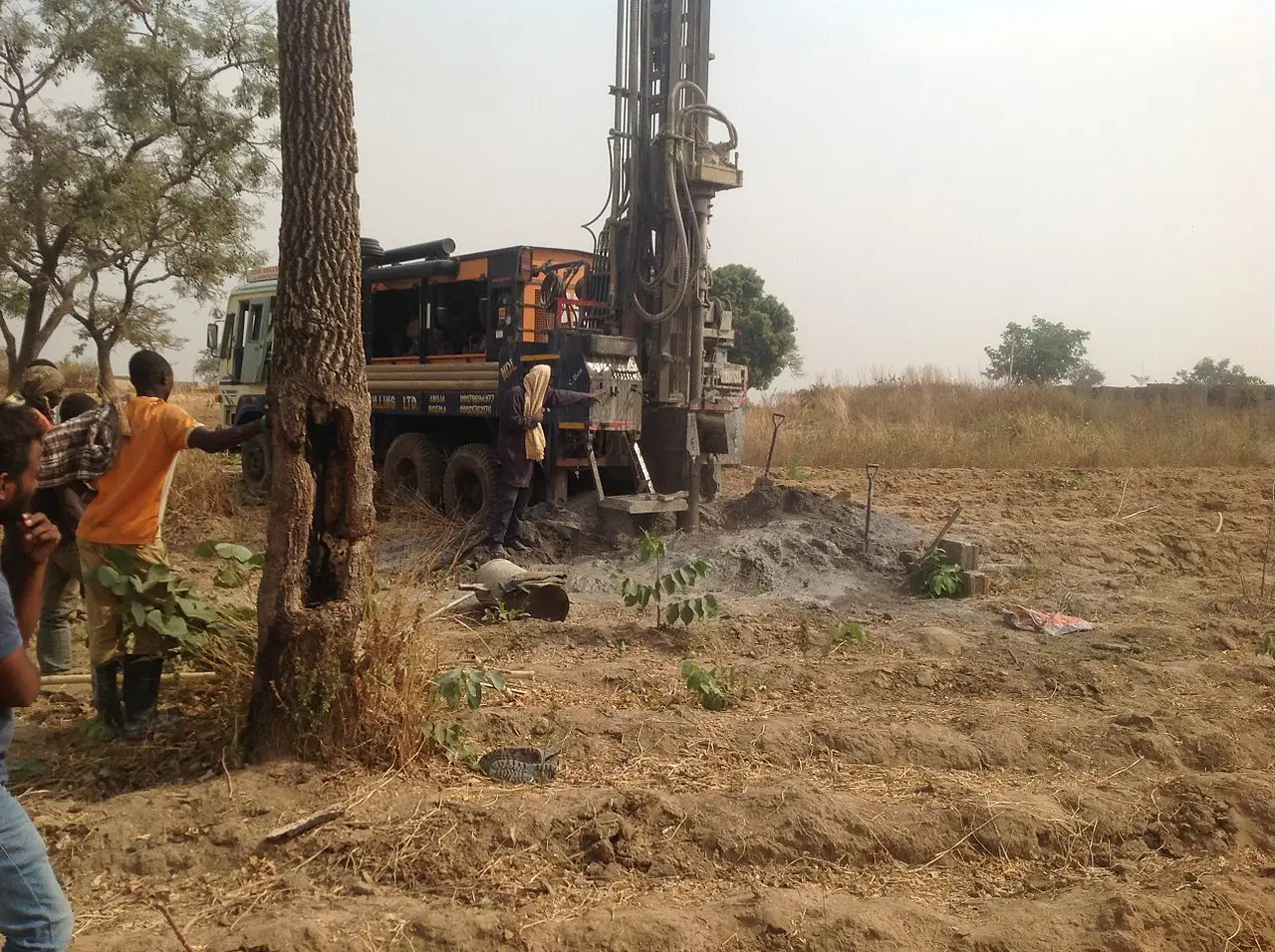 Before starting the process of drilling a borehole in Kenya, there are several legal and technical requirements that must be met. These include surveys, permits, and environmental assessments to ensure compliance with Kenyan law.
- Hydrogeological Survey
A hydrogeological survey is required to assess the underground water potential. This survey provides crucial information, such as the estimated drilling depth, the site’s location, and the geological formations. It helps determine the type of casing material and estimate the cost of drilling. The survey must be conducted by an independent, qualified, and registered hydrogeologist. The cost of the hydrogeological survey typically ranges from Ksh. 95,000 to Ksh. 110,000, depending on the location.
- Water Resource Authority (WRA) Permit
The Water Resources Authority (WRA) regulates the use of water resources in Kenya. After receiving the hydrogeological report, you will need to apply for a drilling permit from the WRA. The WRA grants authorization to access water resources once the report confirms water availability and site suitability. An online application can be made, or you can visit their offices across the country to obtain the necessary permits.
- National Environment Management Authority (NEMA) Permit
The National Environment Management Authority (NEMA) requires an environmental assessment before drilling can begin. The NEMA assessment evaluates the potential environmental impact of the borehole. If the project poses no significant environmental risks, NEMA will issue a permit allowing drilling to proceed.
What Determines the Cost of Borehole Drilling in Kenya
The cost of borehole drilling services in Kenya can vary depending on several factors. Understanding these determinants can help you plan effectively for this significant investment. Below are the key factors influencing borehole drilling costs:
- The Depth of the Borehole
The depth of the borehole is directly proportional to the drilling cost. It is the single mos important determinant of the cost of sinking a borehole. Deeper boreholes take longer to drill and require more materials, such as casings and drilling fluids. As a result, the deeper the borehole, the higher the expense due to the additional labor and resources required.
- The Location the Borehole is to be Sunk
The physical location of the drilling site can affect costs. Boreholes drilled in remote or difficult-to-access areas may involve additional logistical expenses, including transport of equipment and personnel. Certain locations may also require extra permits or adherence to local regulations, further impacting costs.
- The Geological Conditions of the Borehole Site
The type of soil and rock formations where drilling occurs play a major role in cost determination. Drilling through soft, easily penetrated soil is more affordable than drilling through hard rock formations. Areas with challenging geological conditions may require more advanced drilling techniques, increasing overall costs.
- The Equipment and Technology to be Used
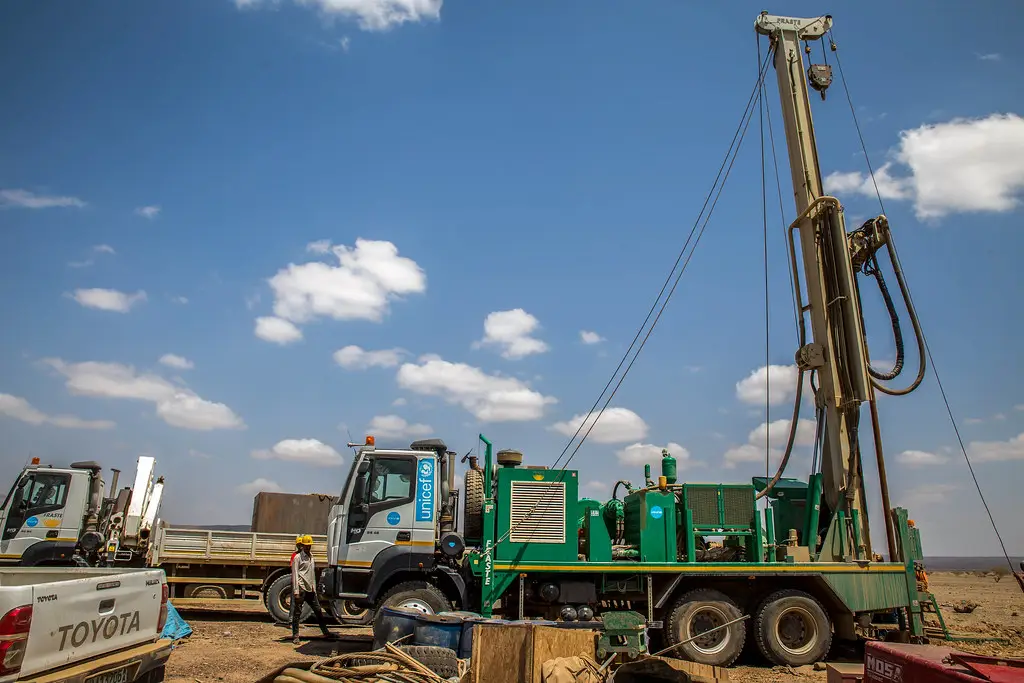
The choice of drilling equipment and technology also impacts the cost. Modern, efficient drilling rigs can reduce the time needed to drill a borehole, potentially lowering costs. However, high-tech equipment may come with a higher initial price, but it often leads to more accurate and reliable results.
- The Desired Water Quality and Quantity
If higher water quality or a specific water yield is desired, costs may increase. Deeper or more productive boreholes may require advanced techniques or well development procedures, which can drive up the overall cost.
- Casing and Pumping System Used
The materials used for casing and the type of pump installed influence the cost. Higher-quality materials, such as stainless steel casings or durable pumps, can be more expensive initially but offer better longevity and reliability, saving money in the long run.
- The Required Regulations and Permits
Local regulations and the need for permits can add to the total cost of borehole drilling. Compliance with governmental rules, including permits from the Water Resource Authority (WRA) or National Environment Management Authority (NEMA), can be a significant expense, depending on the location and water usage plans.
Other factors that might determine the overall cost of the borehole
- Maintenance and Repairs
While the upfront costs of drilling a borehole are a one-time expense, ongoing maintenance and occasional repairs are necessary to ensure the borehole continues to function efficiently. It’s important to budget for future costs to maintain water quality and pumping capacity.
- Reputation of the Drilling Company and Expertise
The experience and reputation of the drilling company are important factors in determining the overall cost. Established companies with a proven track record may charge more for their services, but they are more likely to deliver a reliable and durable borehole.
By understanding the factors that affect borehole drilling costs and adhering to regulatory requirements, you can ensure a successful and compliant project. Proper planning, selecting reliable drilling experts, and acquiring the necessary permits are crucial for a smooth and efficient borehole drilling process in Kenya.
Cost of borehole drilling services in Kenya per meter per county (air drilling)
Our drilling costs as indicated below covers the actual drilling, casing, test pumping and water analysis.
| County | Cost (Min) | Cost (Max) |
| Nairobi | KES 6,500 | KES 9,500 |
| Kajiado | KES 6,500 | KES 9,500 |
| Machakos | KES 6,500 | KES 9,500 |
| Kitui | KES 6,600 | KES 9,500 |
| Makueni | KES 6,500 | KES 9,500 |
| Kiambu | KES 6,500 | KES 9,500 |
| Nakuru | KES 6,500 | KES 9,500 |
| Kisumu | KES 6,500 | KES 9,500 |
| Turkana | KES 8,000 | KES 9,500 |
| Bungoma | KES 6,500 | KES 9,500 |
| Busia | KES 7,700 | KES 9,500 |
| Narok | KES 6,800 | KES 9,500 |
| Mombasa | KES 7,000 | KES 9,500 |
| Kilifi | KES 7,500 | KES 9,500 |
| Kwale | KES 7,600 | KES 9,500 |
| Baringo | KES 6,900 | KES 9,500 |
| Siaya | KES 6,500 | KES 9,500 |
| Homabay | KES 6,500 | KES 9,500 |
| Uasin Gishu | KES 6,500 | KES 9,500 |
| Budalangi | KES 6,500 | KES. 11,000 |
Cost of borehole drilling services in Kenya per meter per county – Conclusion
 Borehole drilling services in Kenya are essential for accessing groundwater, providing reliable water sources for agriculture, industry, and domestic use. The cost of drilling a borehole depends on several factors, such as the geological conditions of the site, the required borehole depth, the type of equipment used, the location, water quality, and compliance with regulatory requirements.
When planning a borehole project, it’s crucial for individuals, businesses, and organizations to carefully evaluate these factors to ensure get a good return on investment. A well-planned and properly executed borehole can offer a sustainable and cost-effective water supply for many years.
Get reliable and affordable borehole drilling services in Kenya from Vinsol
At Vinsol, we are experts in drilling boreholes in different parts of Kenya. We have a team of experienced and qualified technicians who have sunk some of the best performing boreholes in Kenya. We also have the state-of-the-art equipment and technology for drilling boreholes in different geographical terrains.
If therefore you are looking for reliable and affordable borehole drilling services in Kenya, no need to look further. Get in touch with us today to book a site visit or inquire about our services.
Use any of the options below to get in touch with us to order one:
Call/WhatsApp Us: +254 715 01 45 10
Email: inquiries@vinsol.co.ke | info@vinsol.co.ke
Location: Next to Total Petrol Station- Kihunguro, Ruiru
Contact us form: You can also reach out to us by filling the contact us form.