Why the Purified Water Vending and Bottling Business in Kenya Is Booming
Introduction
Despite significant investments by governments, NGOs, and development agencies to improve water infrastructure in Kenya, water scarcity and contamination remain widespread. Safe drinking water is still out of reach for many Kenyans, particularly in rural and peri-urban areas. This has led to a growing demand for alternative solutions, with the purified water vending and bottling industry stepping in to bridge the gap. Water vending stations and small-scale bottling plants have become a crucial part of the water supply ecosystem, offering affordable and safe drinking water to underserved communities. In this post, we shall be having an in-depth analysis on why the purified water vending and bottling business in Kenya is booming.
The Rise of Purified Water Vending Stations in Kenya
Purified water vending stations and bottling businesses in Kenya initially gained popularity among middle- and upper-income households in urban areas. However, today, the industry has evolved to include diverse socioeconomic segments across cities, towns, and even rural areas. Water vending stations are strategically located in residential estates, where they serve consumers who need clean drinking water but are often unable to access it through traditional sources. This shift illustrates the adaptability of the industry in addressing consumer needs at affordable prices.
The Traditional Bottled Water Market: Expanding Demand and Opportunity
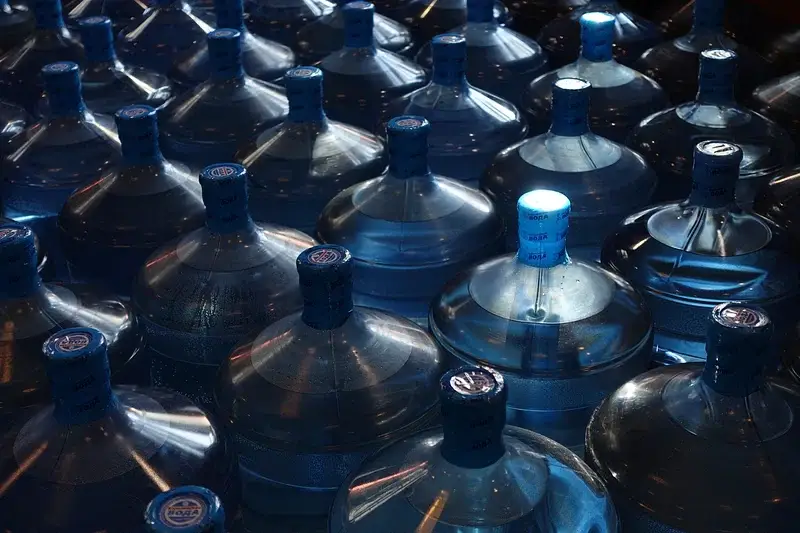 Kenya’s traditional bottled water market is valued at around $750 million as of 2024. Major companies produce and distribute bottled water in various formats, from large containers for dispensers to smaller single-use bottles for retail. These products have gained popularity because many consumers are hesitant to drink water straight from the tap due to safety concerns.
As a result, bottled water demand has surged not only in urban centers but also across peri-urban and rural areas. While this market continues to grow, there is an increasing opportunity for smaller, localized water vending and bottling businesses to offer purified water at competitive prices.
Why the Purified Water Vending and Bottling Business in Kenya Is Booming- Understanding the Consumer Demand for Purified Water
There is a clear and growing consumer demand for purified water in Kenya. This demand stems from both an increased awareness of the health risks associated with unsafe drinking water and a desire for accessible, high-quality water. Purified water vending businesses are uniquely positioned to meet this demand because:
- Health Awareness: Consumers are becoming more aware of waterborne diseases like cholera, typhoid, and other gastrointestinal illnesses. This knowledge drives them to seek out safer water sources, even if they come at a small cost.
- Income Levels and Willingness to Pay: While one might assume that only middle- or high-income consumers prioritize purified water, data shows that even low-income communities are willing to pay a premium for safe drinking water. This indicates that purified water is no longer a luxury but a necessity across socioeconomic divides.
- Convenience and Accessibility: Purified water vending stations are typically located within easy reach of the communities they serve, making it convenient for consumers to access high-quality water without needing to travel long distances or rely solely on municipal water sources.
Water Sources and Treatment Methods Used by Water Vending Stations 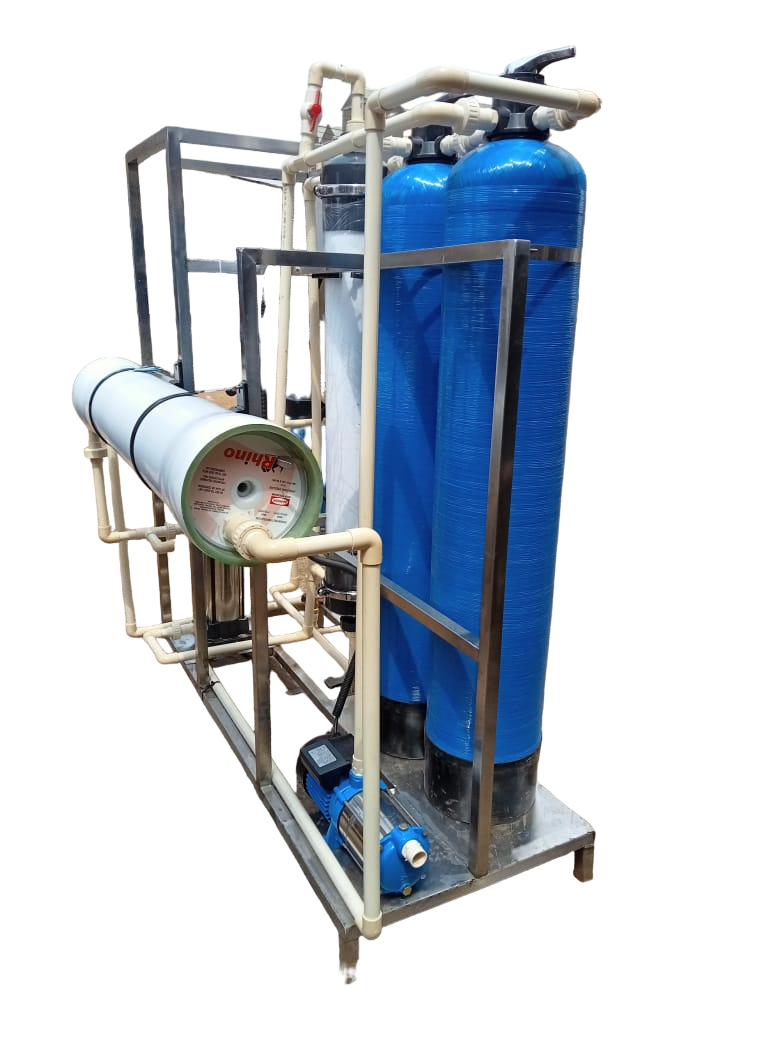
To ensure the highest quality, many water vending stations source their water from municipal systems or boreholes. However, untreated water from these sources often contains impurities, which must be removed to meet the standards set by the Kenyan Bureau of Standards (KEBS). Some common water treatment methods used include:
- Reverse Osmosis (RO): This method is effective for treating water with high levels of total dissolved solids (TDS), including fluoride and heavy metals. RO systems are particularly suitable for borehole water and produce highly purified drinking water.
- Ultraviolet (UV) Irradiation: Often used in combination with RO, UV irradiation kills bacteria and other pathogens, ensuring the water is safe to consume.
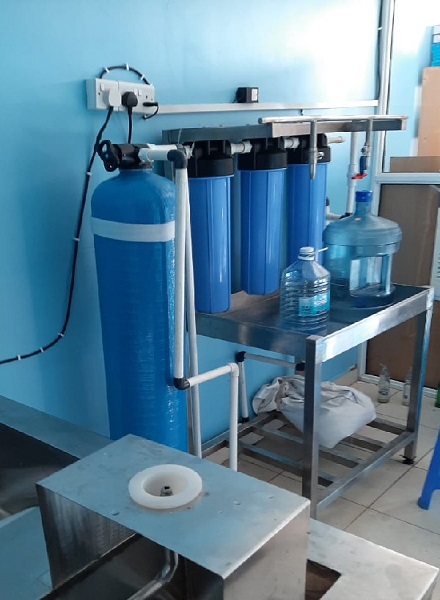
- Pure Water Filtration Systems: These systems are used for treating municipal water, which generally has lower contamination levels than borehole or river water but still requires filtration to remove chlorine, sediment, and other impurities.
Competitive Market Dynamics in the Water Vending Industry
With increasing demand for purified water, more entrepreneurs are entering the industry, leading to increased competition among water vending stations. As new players replicate the business model of early entrants, prices have decreased, making purified water more affordable for consumers. However, this competition also places pressure on profit margins, pushing some vendors to expand their operations or open additional branches to maximize their sales volumes.
In this competitive environment, many businesses focus on providing consistent quality and reliable service to stand out. A significant number of water vending stations in Kenya have also invested in branding and customer loyalty programs to build trust within their communities.
Why the Purified Water Vending and Bottling Business in Kenya Is Booming – Factors Driving the Growth of the Purified Water Vending Business in Kenya
Growing Demand for Purified Water by Health-Conscious Middle Class and Low-Income Earners
One of the main reasons on why the purified water vending and bottling business in Kenya is booming is because of the growing demand by health-conscious middle- and low-income earners. Kenya’s water vending and small-scale bottling industry is expected to expand significantly in the coming years. Data from existing businesses shows that consumers are willing to pay for clean water, especially when it is conveniently located within their neighborhoods.
This is particularly true in rural areas, where many consumers face a choice between collecting low-quality water for free or paying a small fee for purified water. Studies indicate that a large portion of rural consumers are willing to pay a modest premium for safe drinking water, which provides an encouraging outlook for the future of small-scale purified water businesses.
Other reasons why the purified water vending and bottling business in Kenya is booming:
- Government Support and Access to Financing: The Kenyan government, in collaboration with financial institutions, has made it easier for entrepreneurs to secure startup capital for water vending businesses. This has facilitated the establishment of more vending stations, especially in underserved communities.
- Availability of Information and Resources: Entrepreneurs today have access to more information and resources than ever before. They can learn about the equipment needed, regulatory requirements, and operational strategies to run a successful water vending business.
- Technological Advancements: Water treatment technologies, such as RO systems and UV filtration, have become more accessible and affordable, allowing smaller businesses to produce purified water at a competitive price.
- Health and Environmental Awareness: Growing awareness of the health risks associated with contaminated water, coupled with an increasing interest in environmental sustainability, has fueled consumer demand for purified water. Water vending stations and bottling businesses offer a more sustainable and economical alternative to single-use bottled water.
Why the Purified Water Vending and Bottling Business in Kenya Is Booming – Conclusion
 As we have seen in the above discussion on why the purified water vending and bottling business in Kenya is booming, the purified water vending and bottling business in Kenya is well-positioned for continued growth. This industry not only fills a crucial gap in Kenya’s water supply but also provides an opportunity for entrepreneurs to build sustainable and impactful businesses. As more Kenyans become aware of the health benefits of purified water, demand will likely continue to rise, supporting the expansion of water vending stations and small-scale bottling plants across the country.
With government support, technological advancements, and increasing consumer demand, the purified water vending business is an attractive venture for those looking to make a positive impact while building a profitable enterprise. For anyone considering entering this market, it’s clear that purified water is no longer just a product—it’s a vital service that supports health, economic growth, and environmental sustainability in Kenya.
Equipment and Machines Needed to Set Up a Water Vending and Bottling Business in Kenya
Starting a water vending and bottling business in Kenya involves investing in several machines and equipment to ensure the water is purified and packaged to industry standards. This guide covers the essential equipment required for small to medium-scale water bottling operations. If you’re preparing to launch your business, Vinsol provides dependable, efficient, and affordable solutions designed to suit your specific requirements.
Water Purification Machines
Water purification machines are essential to make sure the water you provide is safe for consumption. Vinsol offers a variety of purification systems tailored to different water sources and purification requirements, with costs generally determined by each machine’s output capacity.
Vinsol Fresh Water Purification Machine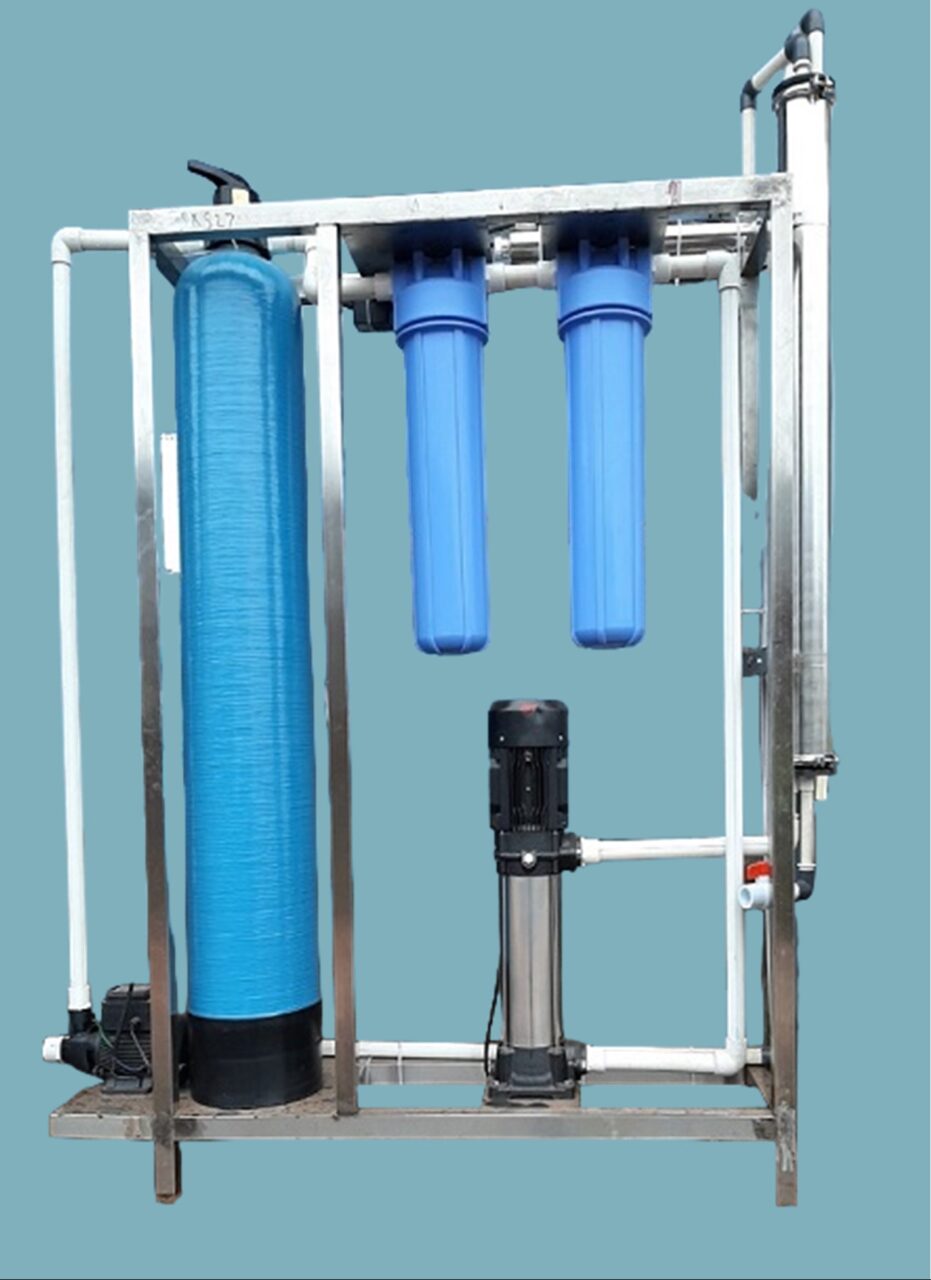
- Ideal for: Council water, spring water, and other natural sources.
- Output capacity: 250 liters per hour
- Cost: KSh 220,000
Vinsol Reverse Osmosis (RO) System
- Ideal for: Water treatment with low fluoride and total dissolved solids.
- Output capacity: 200 liters per hour
- Cost: KSh 230,000
Vinsol General Purpose Water Purifiers
- Ideal for: Water with high fluoride, iron, and suspended solids.
- Output capacity: 250 liters per hour
- Cost: KSh 350,000
Choosing the right purification system depends on the specific source and quality of your water. Each system is designed to target and remove specific contaminants, helping you maintain safety and quality standards.
Filling Stations
The choice of filling station will vary based on your target market and preferred packaging type. Vinsol provides both manual and automated filling stations to accommodate diverse operational needs.
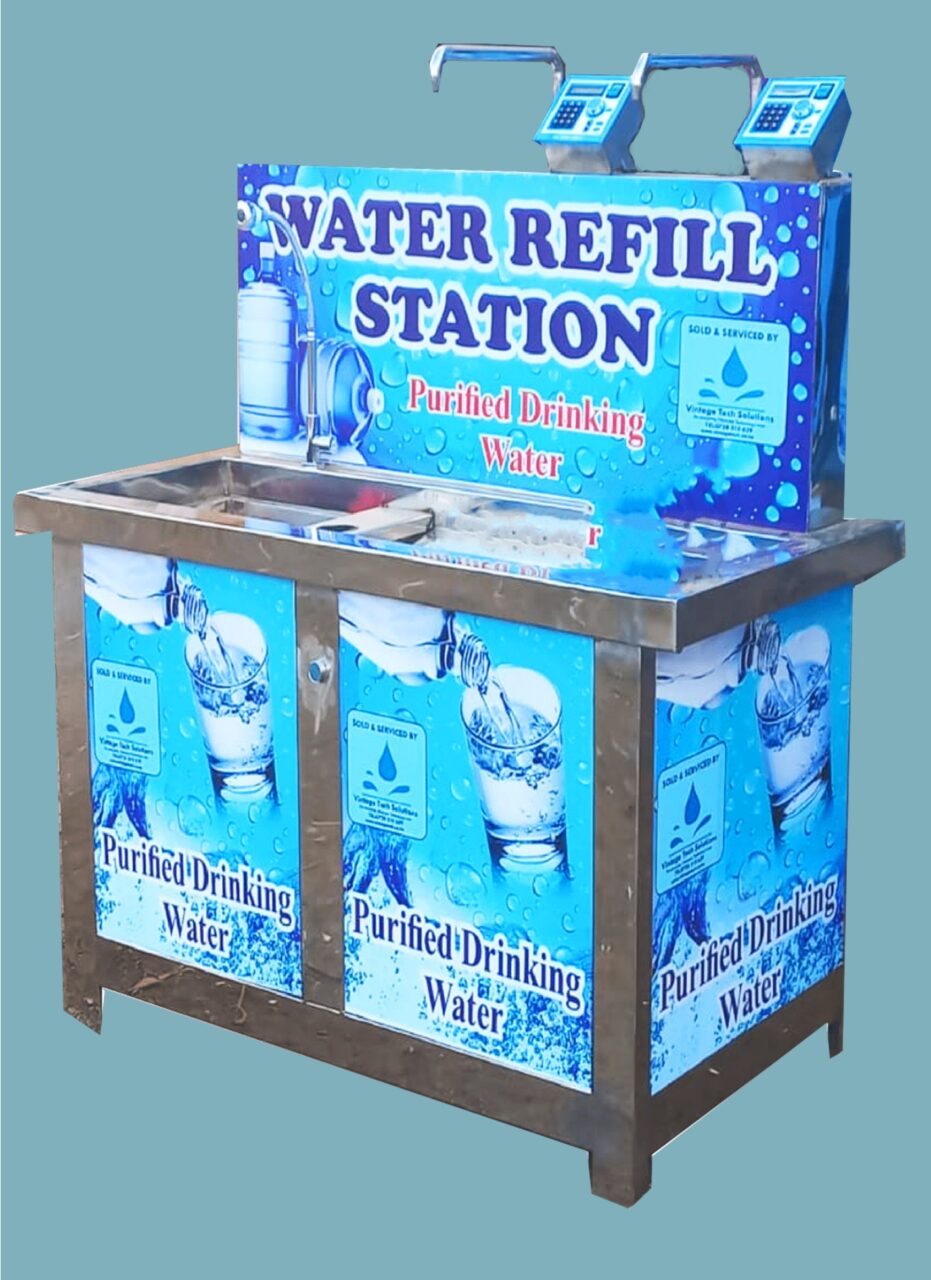
- Output capacity: 2 taps
- Cost: KSh 110,000
- Vinsol Cabinet Water Vending Station ATM with Digital Control Unit (PLC)
- Features: Password-protected, records sales for reconciliation, allows for flexible pricing (starting from KSh 10).
- Output capacity: 2 taps
- Cost: KSh 100,000
For larger-scale production, an automated production line with a conveyor belt may be ideal. Vinsol also offers equipment and control system outsourcing services, which is a great option if you’re considering imported machinery for high-volume operations.
Other Equipment Needed
Beyond purification and filling systems, additional equipment is essential for the efficient operation of a successful bottling business.
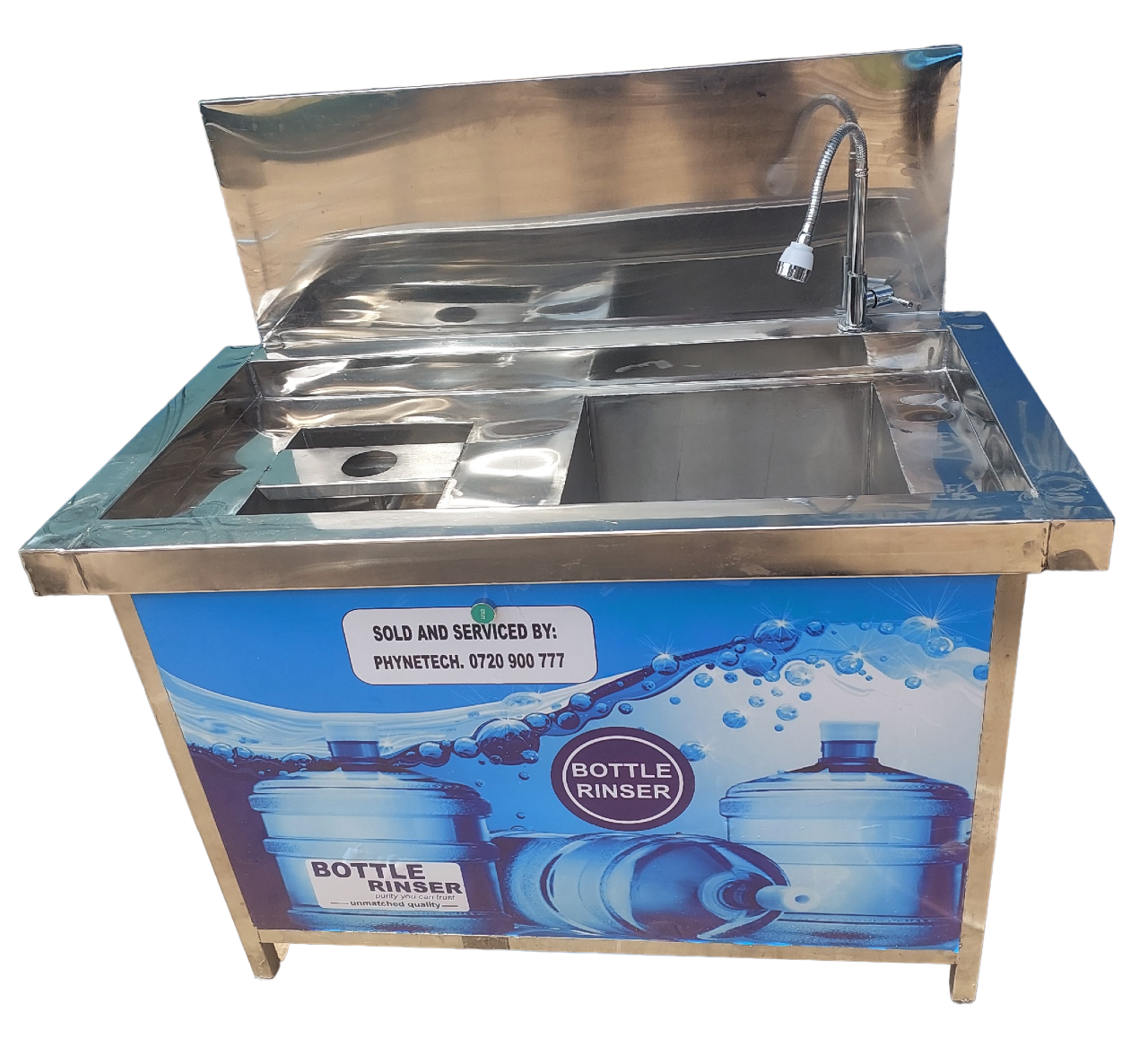 Bottle Washing Sink with Jet Rinser
- Features: Double pot sink for washing bottle exteriors with raw water, and a pressurized jet for rinsing the bottle interior with product water.
- Capacity: Suitable for bottle sizes from 500ml to 20 liters
- Cost: KSh 120,000
Normal Washing Sink
- Cost: KSh 30,000
Packaging Bench/Table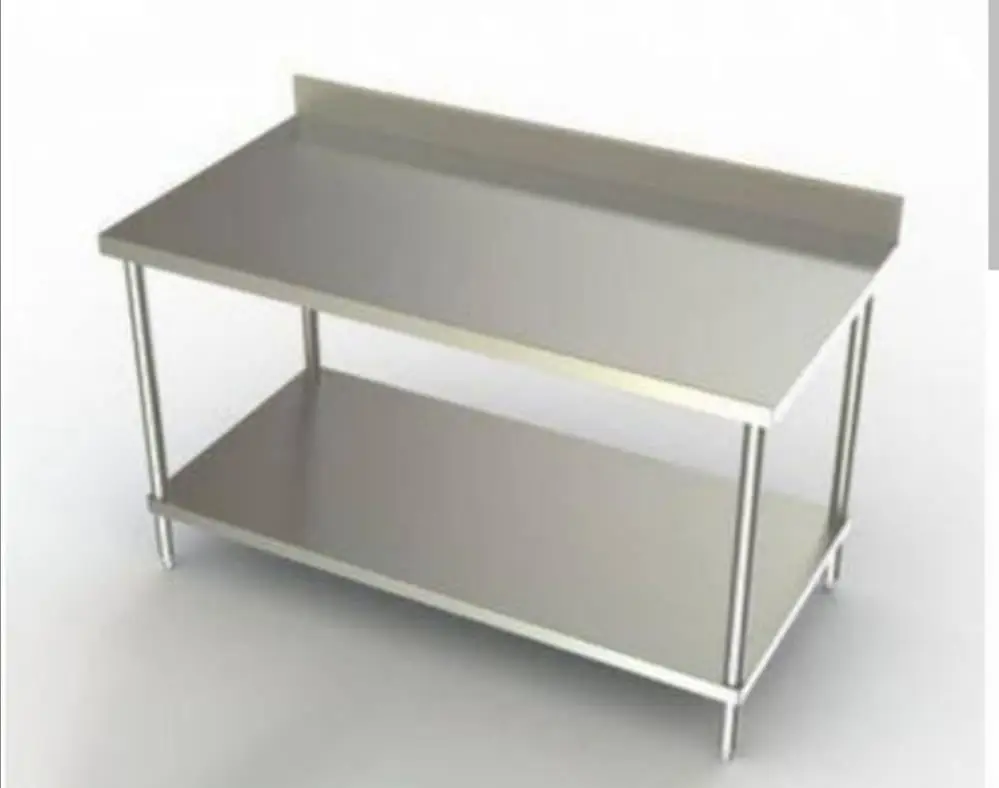
- Size: 2 feet by 4 feet
- Cost: KSh 20,000
Purified Water Stainless Steel Holding Tank with Taps
- Capacity: 300 liters
- Cost: KSh 70,000
Raw Water Storage Tank
This can be a plastic tank from local manufacturers, used for storing untreated water before purification.
Buy water vending and bottling equipment from Vinsol
 Are you interested in venturing into the water vending and bottling business? Are you wondering where to buy the right high-quality equipment and machines? We are a leading manufacturer of high quality and KEBS standard commercial water purification machines. We also make water vending machines like cabinet water station machines and table top water refilling station machines with a washing sink. We also build packaging tables and other water vending machines that are necessary to set up such a business.
If you need any of these machines and equipment, get in touch with us today to order one. Use any of the means below:
Call/WhatsApp Us: +254 715 01 45 10
Email: inquiries@vinsol.co.ke | info@vinsol.co.ke
Location: Next to Total Petrol Station- Kihunguro, Ruiru
Contact us form: You can also reach out to us by filling the contact us form.