How To Start a Water Refilling Station Business in Kenya
Launching a Water refilling station business in Kenya presents a promising opportunity, driven by the rising demand for affordable, clean drinking water. Rapid urbanization, population growth, and inconsistent municipal supply create a steady market for reliable water solutions. This guide outlines how to start a water refilling station business in Kenya. We shall discuss key steps to establish your Water refilling station business, from planning to execution.
How To Start a Water Refilling Station Business in Kenya 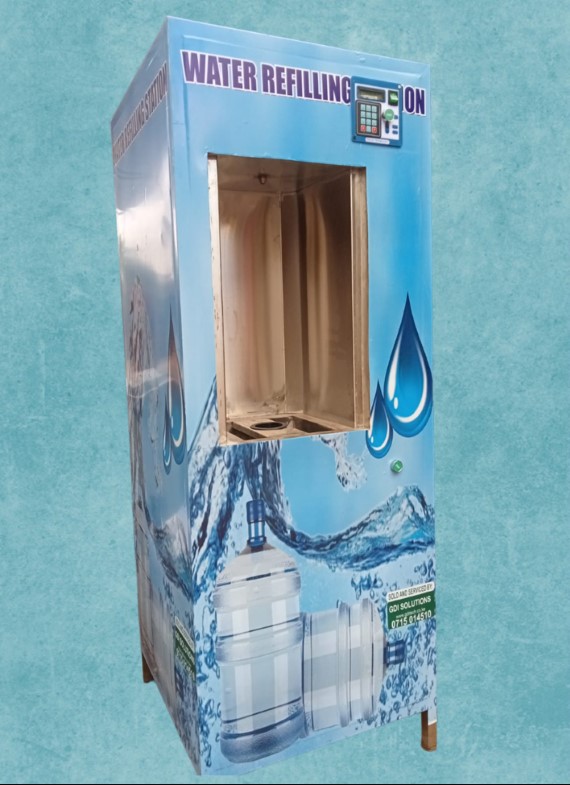
- Conduct Market Research
Begin by analyzing local demand and competition. Identify regions with water shortages or areas where existing suppliers fail to meet quality or capacity needs. Assess competitors’ pricing, packaging, and customer reach. Understanding gaps in the market will help you position your Water refilling station business strategically. - Develop a Business Plan
Craft a detailed business plan outlining your objectives, target demographics, pricing model, and operational costs. Include expenses for equipment (e.g., purification systems, storage tanks), packaging, distribution, and marketing. Financial projections and contingency plans will strengthen your strategy and attract potential investors or lenders. - Obtain Licenses and Permits
Comply with Kenyan regulations by securing permits from the Kenya Bureau of Standards (KEBS) for water quality certification and the National Environment Management Authority (NEMA) for environmental compliance. Additional licenses from local authorities may be required. Adhering to standards builds trust and avoids legal hurdles. - Buy a High-quality Water Station Machine
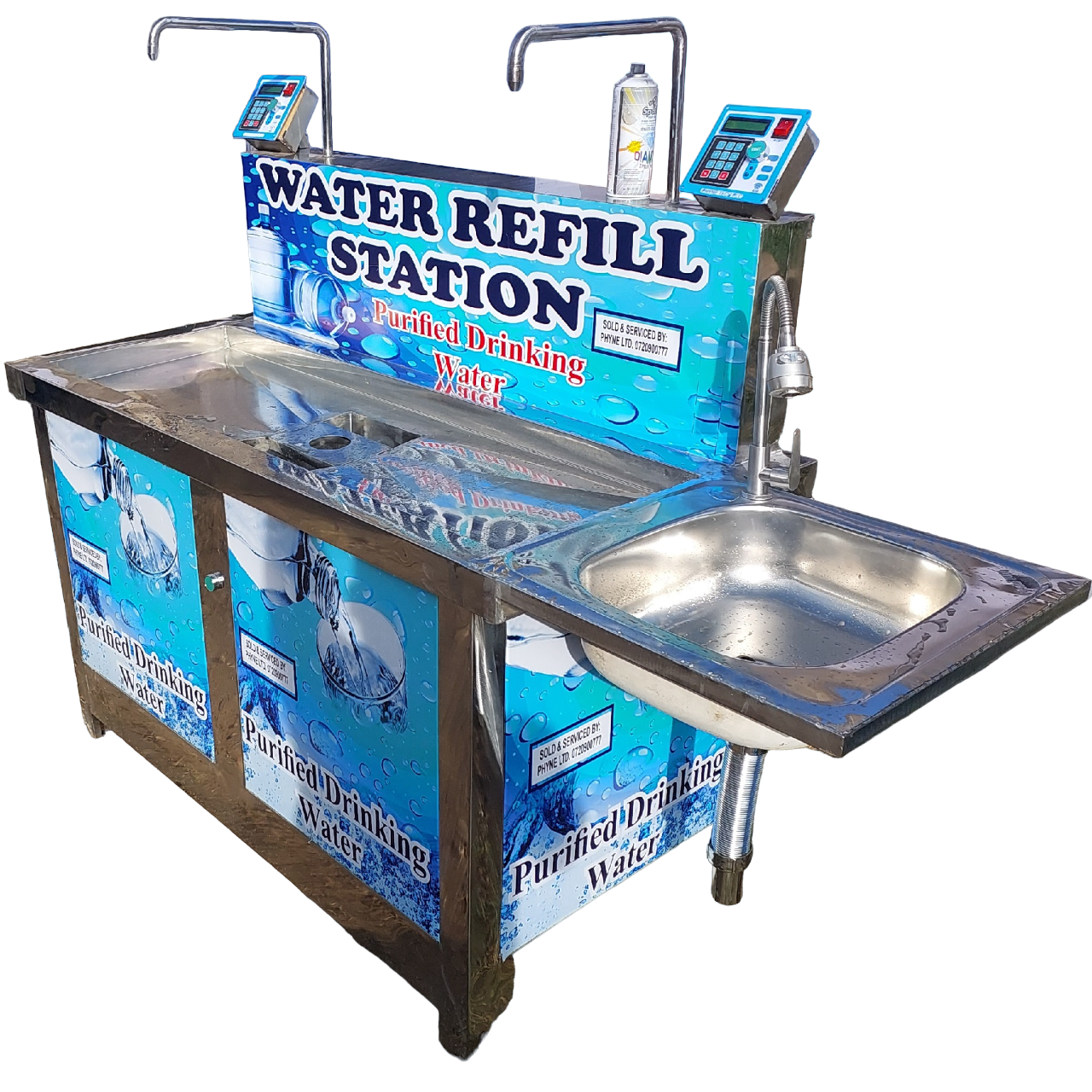
Investing in a high quality water station machine is one of the best decisions you shall make and one of the key’s to the success of your business. If you need to buy a high-quality water station machine no need to look any further. At Vinsol, we make the best water station machines in Kenya. - Secure a Reliable Water Source
You are in the business of selling water. You therefore need to source a reliable supply of the same. Choose a sustainable water source, such as a borehole, dam, well, treated municipal supply, or natural spring. The key thing is to find a reliable and safe water source. Inasmuch as you may have a water purification system, you still need to consider the source. A very contaminated source will mean more purification cost because first you will need to invest in a very sophisticated and expensive water purifier. Secondly you will be changing membranes and other replaceable parts very often. - Invest in a high-quality Water Purifier that Meets KEBS Standards
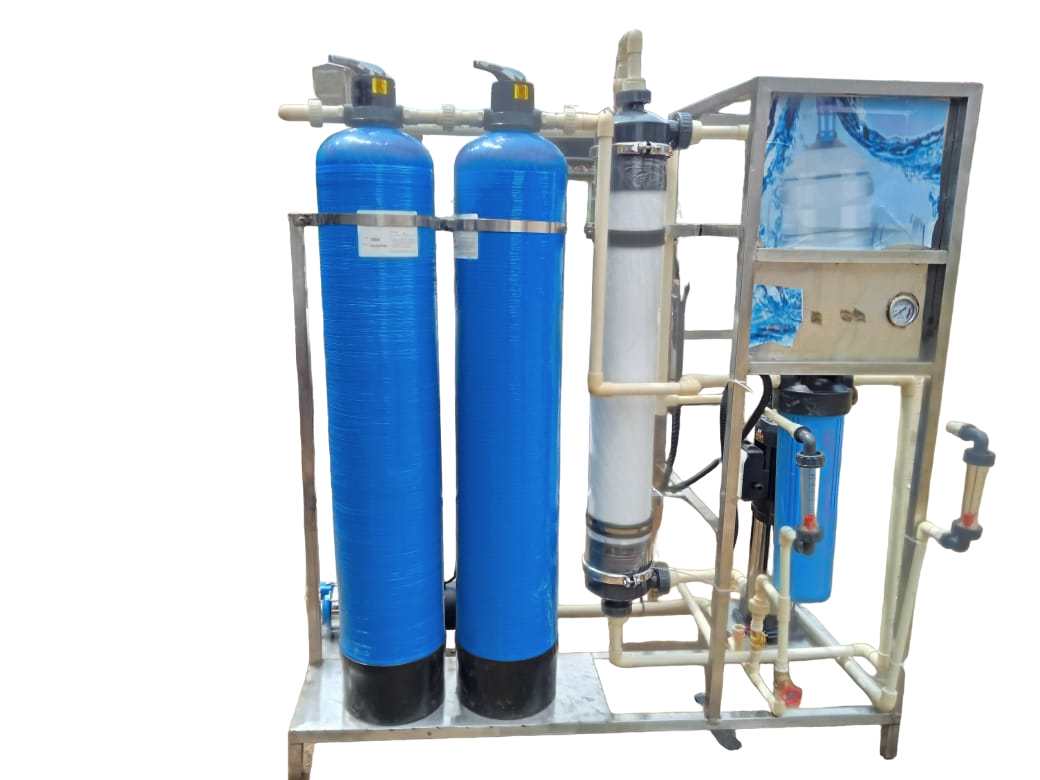
Another important item you need to invest in is a high-quality water purification machine (e.g., reverse osmosis system that meets KEBS standards to ensure water meets KEBS safety standards. Regular testing and maintenance are critical to maintaining quality and customer confidence. However this can be optional if you buy purified water. The only disadvantage is that buying purified water might be more expensive than purifying your own. In the long run the costs you save by purifying your own water and the better profit margins as a result most likely will repay the initial cost of buying a water purification system. - Design Packaging and Distribution Systems
Opt for durable, eco-friendly containers (e.g., reusable 20L bottles) to appeal to environmentally conscious consumers. Brand your packaging professionally to stand out. Establish a distribution network—consider partnerships with shops, offices, and home delivery services—to maximize reach and convenience. - Launch Strategic Marketing Campaigns
Promote your Water refilling station business through digital and community channels. Leverage social media for engagement and run promotions (e.g., discounted first orders) to attract initial customers. WhatsApp, Facebook, Tiktok are good platforms. - Prioritize Customer Experience
Train staff in hygiene practices, customer service, and efficient delivery. Implement feedback mechanisms (e.g., surveys) to address concerns and improve services. Loyalty programs or subscription models can enhance retention and ensure recurring revenue. - Monitor Business Performance
Track metrics like sales growth, delivery efficiency, and customer satisfaction. Adapt to market trends—such as rising demand for home dispensers—and refine operations accordingly. Regular audits of water quality and costs will ensure long-term profitability.
Types of Water Refilling Businesses You Can Start in Your Estate
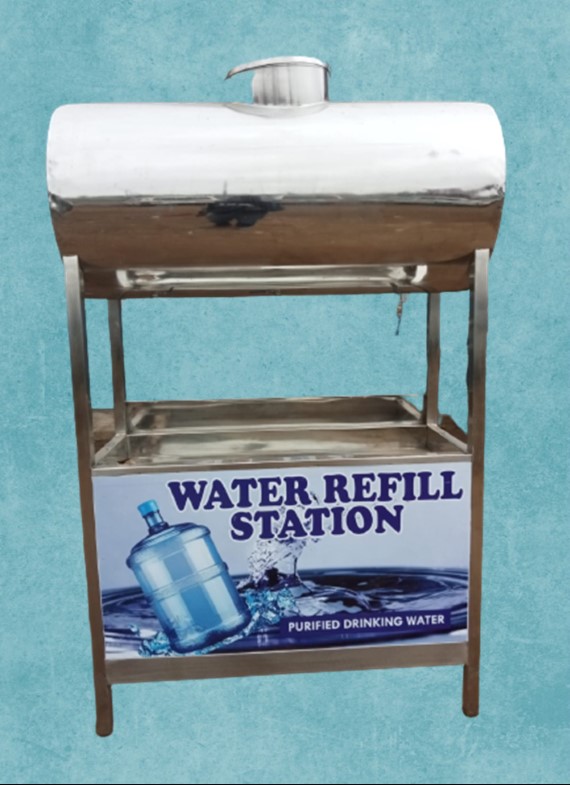 Launching a water refilling station business in your estate offers flexibility to align with your budget and market needs. Below are two primary models to consider:
- Pre-Packaged Bottled Water
- Overview: Sell sealed, branded bottles (e.g., 500ml or 1L) through vending machines or retail outlets.
- Pros:
- Lower upfront costs: Requires minimal equipment (e.g., vending machines, storage shelves).
- Convenience: Appeals to on-the-go consumers.
- Cons:
- Higher recurring expenses: Costs for purchasing pre-filled bottles, packaging, and transportation.
- Environmental impact: Plastic waste may deter eco-conscious customers.
Tips for Success:
- Partner with reputable suppliers to ensure consistent quality.
- Use eye-catching labels and eco-friendly materials to differentiate your brand.
- Bulk Water Refilling
- Overview: Customers bring containers (e.g., 20L jerricans) for refilling, paying per liter.
- Pros:
- Cost-efficient long-term: Eliminates packaging costs; water can be sourced locally (e.g., boreholes, treated municipal supply).
- Sustainability: Reduces plastic waste, appealing to environmentally aware clients.
- Cons:
- Higher initial investment: Requires purification systems, storage tanks, and dispensers.
- Space needs: Adequate area for equipment and customer queues.
Tips for Success:
- Offer discounted rates for regular customers or bulk purchases.
- Provide clean, branded containers for sale to build trust.
Key Considerations for Both Models
- Water Quality: Obtain certifications (e.g., KEBS) and conduct regular testing.
- Pricing Strategy: Balance affordability with profitability; research competitors’ rates.
- Customer Service: Train staff in hygiene practices and efficient service to foster loyalty.
How to Maximize Profits
- Prime Location: Set up near busy hubs (e.g., schools, transport stations) to ensure steady foot traffic.
- Competitive Pricing: Offer tiered pricing (e.g., discounts for large volumes).
- Loyalty Programs: Introduce subscription plans or referral rewards.
- Monitor Trends: Adapt to shifts like demand for home delivery or alkaline water options.
How to start a water refilling station business in Kenya: Conclusion
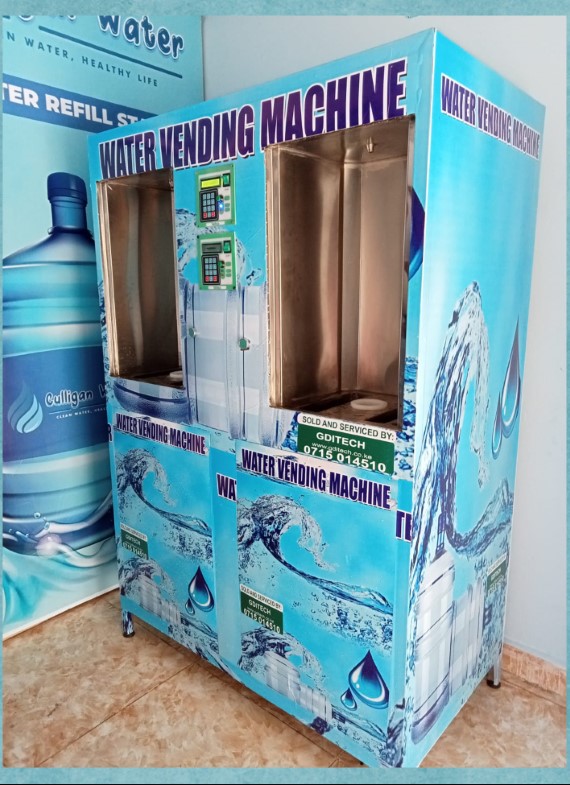 In conclusion, meticulous planning, market research, and compliance with legal regulations are necessary when launching a water refilling station business in Kenya. You can start a profitable business in this expanding sector by offering safe and clean drinking water along with first-rate customer service. Maintain focus, adjust to changing market conditions, and never stop innovating to make sure your water refilling station business succeeds in the long run.
A water refilling station business in your estate can thrive by combining strategic location, quality service, and smart marketing. Whether you choose pre-packaged convenience or eco-friendly bulk refilling, prioritize safety, affordability, and customer engagement to secure your place in this essential market. Stay responsive to community needs, and your venture will become a trusted local resource.
With careful planning and execution, a water refilling station business in Kenya can thrive as an essential service. By prioritizing quality, sustainability, and customer needs, entrepreneurs can tap into a resilient market while contributing to public health. This guide on how to start a water refilling station business in Kenya is just a starting point. You need to get to the ground and do the actual work from the start to the end to taste success and see progress. Stay agile, innovate continuously, and your venture is poised for success.
Frequently Asked Questions (FAQs)
- What licenses and permits do I need to sell bottled water in Kenya?
You need to obtain the necessary licenses and permits to legally sell water in Kenya. Contact regulatory bodies such as the Kenya Bureau of Standards (KEBS) and the National Environment Management Authority (NEMA)to understand the specific requirements and guidelines. You also need a business permit from your county. - Where can I find a reliable source of water for my business?
You can find a reliable source of water by investigating boreholes, natural springs, or collaborating with a water treatment plant. Ensure that the water source meets the necessary quality standards and is safe to consume. The other option is to buy treated and purified water and sell it directly. - Which packaging options should I consider for my water products?
Consider using eco-friendly packaging materials to address environmental concerns. Look for long-lasting, safe packaging options that will keep your water’s quality while also making it convenient for customers. - How can I promote my Water refilling station business?
Use a variety of marketing methods to advertise your company, such as social media, a well-designed website, and focused advertising campaigns. Interact with your target market, provide special offers, and concentrate on developing a powerful brand identity. - How can I guarantee top-notch client support?
Teach your employees to deliver exceptional customer service with an emphasis on water safety and cleanliness. Provide a prompt customer care system, welcome consumer input, and make ongoing improvements to your goods and services in response to their recommendations. - How frequently should I check on my business’ performance?
Monitor and assess your water refilling station business’s performance on a regular basis. Monitor important indicators including market share, sales volume, and customer retention rate. To keep ahead of the competition and make the required changes, evaluate and assess the success of your marketing campaigns.