Commercial Solar Installation Services in Kenya: Power Your Business with Reliable, Cost-Effective Energy
Introduction: Why Businesses in Kenya Are Rapidly Switching to Solar Energy
Energy reliability and cost control have become top priorities for businesses across Kenya. Frequent power outages, rising electricity tariffs, and the need for operational stability are pushing companies to explore alternative energy solutions. As a result, solar power has emerged as one of the most practical and cost-effective options for businesses seeking long-term energy independence. Companies are no longer viewing solar as a luxury but as a strategic investment that supports growth and resilience.
Modern businesses depend heavily on electricity to run operations, serve customers, and protect productivity. When power interruptions occur, the consequences can include lost sales, delayed production, and equipment downtime. Solar systems provide a dependable backup and reduce reliance on the national grid. This reliability is especially valuable for industries where continuous power is essential, such as manufacturing, healthcare, hospitality, and retail.
Professional commercial solar installation services in Kenya enable businesses to generate their own electricity, reduce operating costs, and maintain consistent operations. A well-designed system can significantly lower monthly energy bills while providing stable power during outages. Over time, the savings generated by solar energy can be reinvested into business expansion, equipment upgrades, or workforce development. In this way, solar energy becomes both an operational tool and a financial asset.
Working with an experienced installer like Vinsol Kenya ensures that commercial solar systems are properly engineered, safely installed, and optimized for performance. From system design to installation and maintenance, professional expertise plays a critical role in achieving reliable energy outcomes. Businesses that invest in professional solar installation gain confidence in the durability and efficiency of their energy systems. This foundation supports long-term operational success.
What Is Commercial Solar Installation?
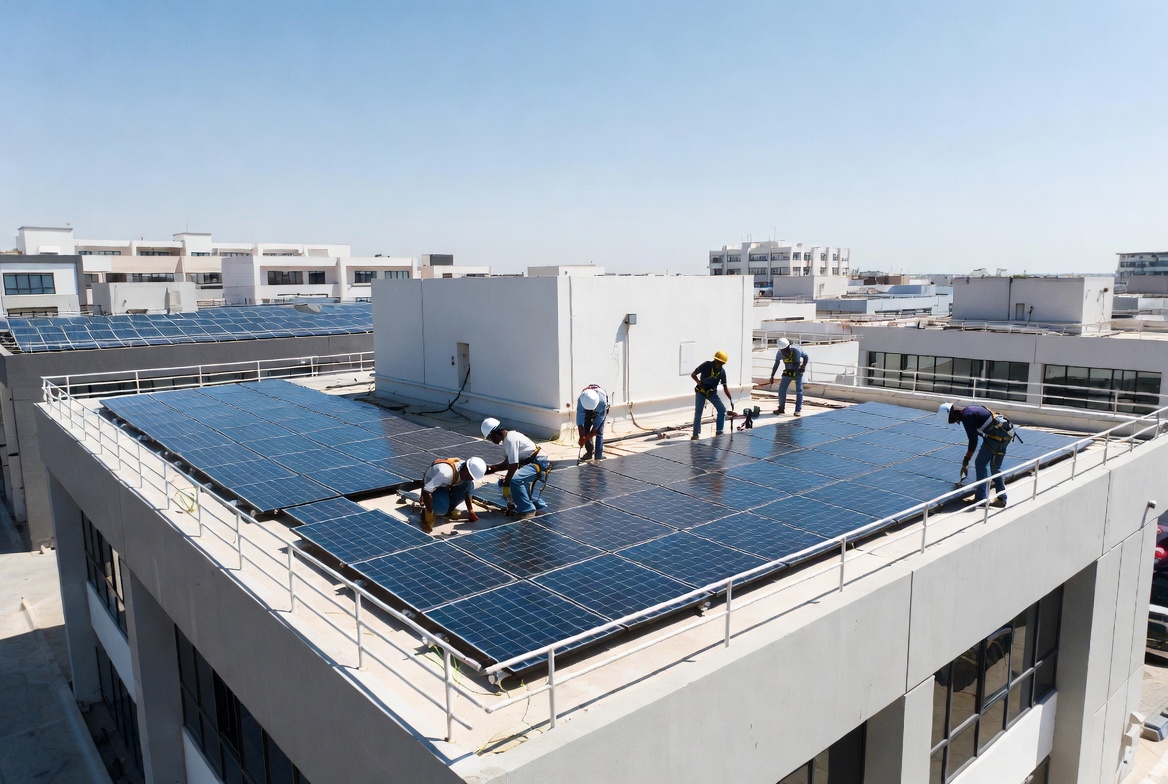 Commercial solar installation involves designing and installing solar power systems specifically for business and industrial environments. Unlike residential systems, commercial installations typically require larger energy capacity and more advanced system configurations. These systems are built to support heavy electrical loads and operate continuously throughout the day. As a result, they require careful planning and professional execution.
Commercial solar systems can be installed in several locations depending on available space and operational requirements. Common installation sites include building rooftops, warehouses, parking structures, and open land areas. Each location requires different mounting techniques and structural considerations. Proper site assessment ensures safe installation and maximum energy generation.
The goal of commercial solar system installation in Kenya is to provide reliable electricity while reducing dependence on expensive grid power. Businesses benefit from predictable energy costs and improved power stability. This reliability allows companies to plan operations more effectively and avoid disruptions caused by power shortages. Ultimately, commercial solar systems support operational efficiency and financial stability.
Types of Businesses That Benefit from Solar Power
Solar energy is suitable for a wide range of commercial and industrial operations. Any business that relies on electricity can benefit from installing a solar system. The level of benefit typically depends on energy consumption patterns and operational hours. Businesses with high daytime electricity usage often achieve the greatest savings.
- Manufacturing and Industrial Facilities
Factories and industrial plants consume significant amounts of electricity for machinery, lighting, and production processes. Energy costs can represent a large portion of operational expenses in these environments. Installing industrial solar power systems in Kenya helps reduce energy bills and improve cost control. Reliable solar power also minimizes production interruptions caused by outages. - Offices and Commercial Buildings
Office buildings require consistent electricity to support computers, lighting, air conditioning, and communication systems. Power interruptions can disrupt business operations and reduce employee productivity. Solar systems provide stable electricity and reduce dependence on the grid. Over time, energy savings can significantly improve business profitability. - Hotels and Hospitality Businesses
Hotels depend on reliable electricity to provide guest comfort and maintain service quality. Power outages can affect lighting, refrigeration, and security systems, leading to customer dissatisfaction. Solar power ensures uninterrupted service and improves operational reliability. It also enhances the hotel’s reputation for sustainability and environmental responsibility. - Retail Shops and Supermarkets
Retail businesses rely on electricity for lighting, refrigeration, and payment systems. Even short power interruptions can result in product loss or sales disruptions. Solar energy provides dependable backup power and protects business revenue. Reliable electricity also improves customer experience. - Hospitals and Healthcare Facilities
Healthcare facilities require continuous electricity to operate medical equipment and maintain patient safety. Power outages in hospitals can have serious consequences. Solar systems provide reliable backup power and improve operational resilience. This reliability is essential for maintaining high-quality healthcare services.
Key Components of a Commercial Solar System
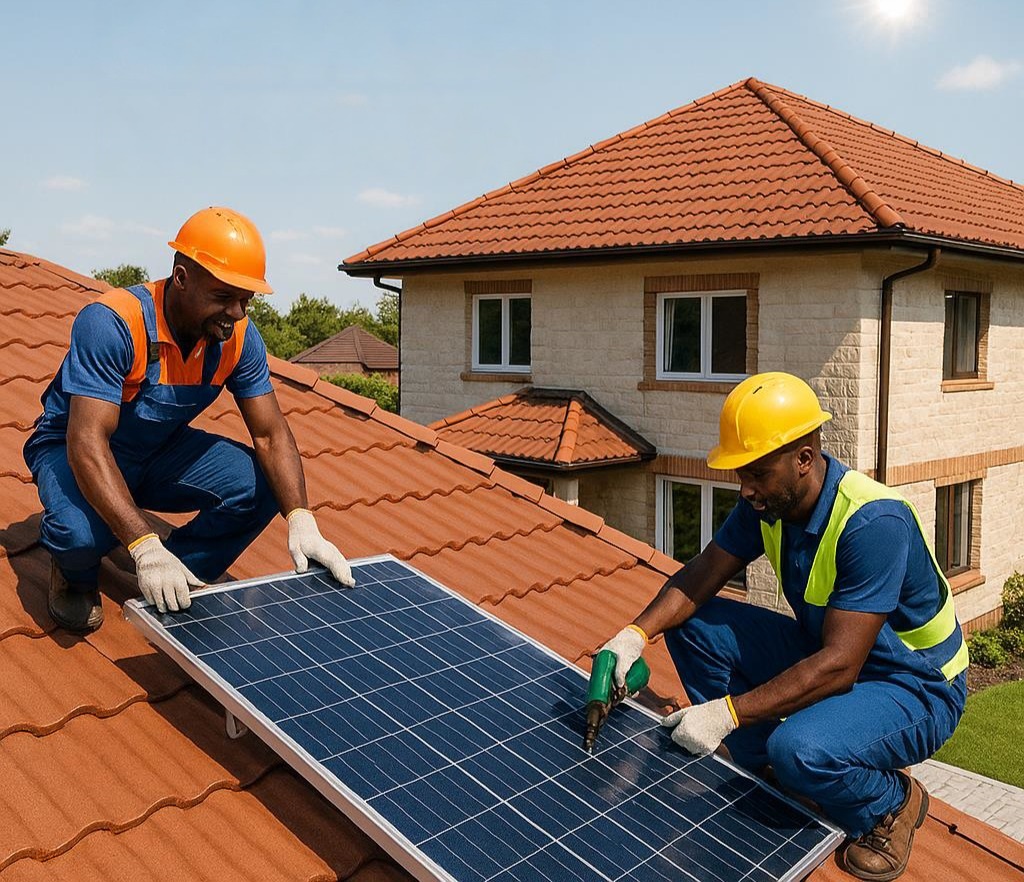 A commercial solar system consists of several essential components that work together to generate and distribute electricity. Each component plays a critical role in system performance and reliability. Understanding these components helps businesses make informed decisions when planning a solar installation.
- Solar Panels
Solar panels capture sunlight and convert it into electrical energy. They are typically installed on rooftops or open land areas where sunlight exposure is maximum. High-quality panels produce more electricity and last longer than low-quality alternatives. Investing in efficient panels improves long-term system performance. - Inverters
The inverter converts solar energy into usable electricity for business operations. It also manages power flow between the solar system, batteries, and the electrical grid. A reliable inverter ensures stable energy supply and protects equipment from electrical fluctuations. Proper inverter selection is essential for system efficiency. - Battery Storage
Batteries store excess solar energy for use during nighttime or power outages. This stored energy ensures continuous electricity supply when sunlight is unavailable. High-capacity batteries improve system reliability and operational flexibility. Businesses that require uninterrupted power often prioritize battery storage. - Mounting Structures
Mounting structures secure solar panels to rooftops or ground surfaces. These structures must withstand weather conditions such as wind and heavy rainfall. Durable mounting systems protect panels and maintain proper alignment. Stable mounting improves safety and energy production. - Monitoring Systems
Monitoring systems track solar energy production and system performance in real time. They allow technicians to detect faults quickly and optimize energy usage. Businesses can use monitoring data to evaluate system efficiency and plan maintenance schedules. Effective monitoring supports long-term reliability.
Benefits of Solar Energy for Businesses
Installing solar power systems provides multiple operational and financial benefits for businesses. These benefits extend beyond energy savings and contribute to long-term business stability.
- Reduced Electricity Costs
Solar energy significantly reduces dependence on expensive grid electricity. Lower energy bills improve business profitability and cash flow. Predictable energy costs also simplify financial planning. Over time, energy savings can offset the initial installation cost. - Reliable Power Supply
Solar systems provide consistent electricity during power outages. Reliable power protects business operations from disruption. This reliability is particularly important for businesses that rely on continuous production or service delivery. Stable electricity improves operational efficiency. - Environmental Sustainability
Solar energy is clean and renewable, reducing carbon emissions and environmental impact. Businesses that adopt solar power demonstrate commitment to sustainability. This commitment can improve brand reputation and attract environmentally conscious customers. Sustainable operations also support regulatory compliance. - Increased Property Value
Commercial properties with solar installations often have higher market value. Buyers and tenants appreciate buildings with reliable energy systems. Solar-equipped properties are more attractive in competitive real estate markets. This added value strengthens long-term investment returns.
Commercial Solar Installation Cost in Kenya
The business solar installation cost in Kenya varies depending on system size, energy demand, and installation complexity. Understanding typical cost ranges helps businesses plan budgets and evaluate return on investment.
 Typical Commercial Solar Cost Estimates
Small commercial system:
KSh 500,000 – 1,500,000
Medium commercial system:
KSh 1,500,000 – 4,000,000
Large industrial system:
KSh 4,000,000 – 12,000,000
Factors That Influence Cost
Several factors affect the final cost of commercial solar installation.
These include:
- Energy consumption level
- Number of solar panels required
- Battery capacity
- Installation location
- Equipment quality
Careful planning helps optimize system design and control installation costs.
Return on Investment (ROI) for Commercial Solar Systems
Commercial solar systems typically deliver strong financial returns over time. Businesses recover installation costs through energy savings and reduced operational expenses. The payback period depends on energy usage and system size. However, most commercial installations achieve full return on investment within a few years.
Typical ROI Timeline
Most businesses recover their solar investment within:
3 to 6 years
After this period, the system continues generating electricity at minimal cost. This long-term savings improves financial stability and supports business growth.
Why Professional Commercial Installation Matters
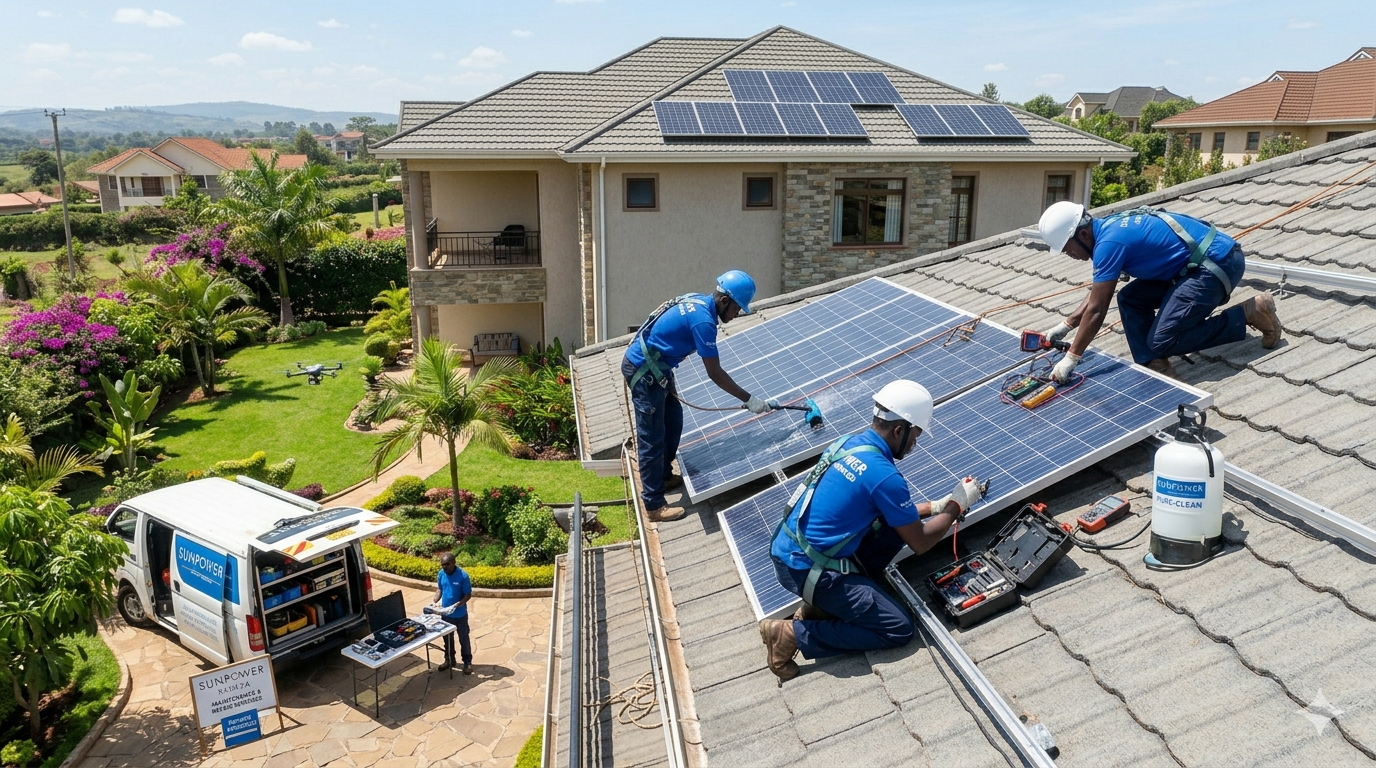
Commercial solar installations require specialized technical expertise and careful planning. Improper installation can lead to safety risks, equipment damage, and reduced system performance. Professional installers ensure that every component is installed according to engineering standards. This precision protects business operations and equipment.
Working with Vinsol Kenya ensures that commercial solar systems are designed and installed by experienced professionals. Their team conducts detailed site assessments and uses high-quality equipment to guarantee reliable performance. Professional installation also ensures compliance with safety regulations. This reduces operational risk and improves system durability.
Why Choose Vinsol Kenya for Commercial Solar Projects
Choosing the right installation partner is essential for successful commercial solar projects. Businesses need reliable expertise, quality equipment, and responsive support throughout the project lifecycle. Gditech provides comprehensive solar solutions tailored to commercial and industrial needs. Their structured approach ensures efficient installation and long-term performance.
Key Advantages: 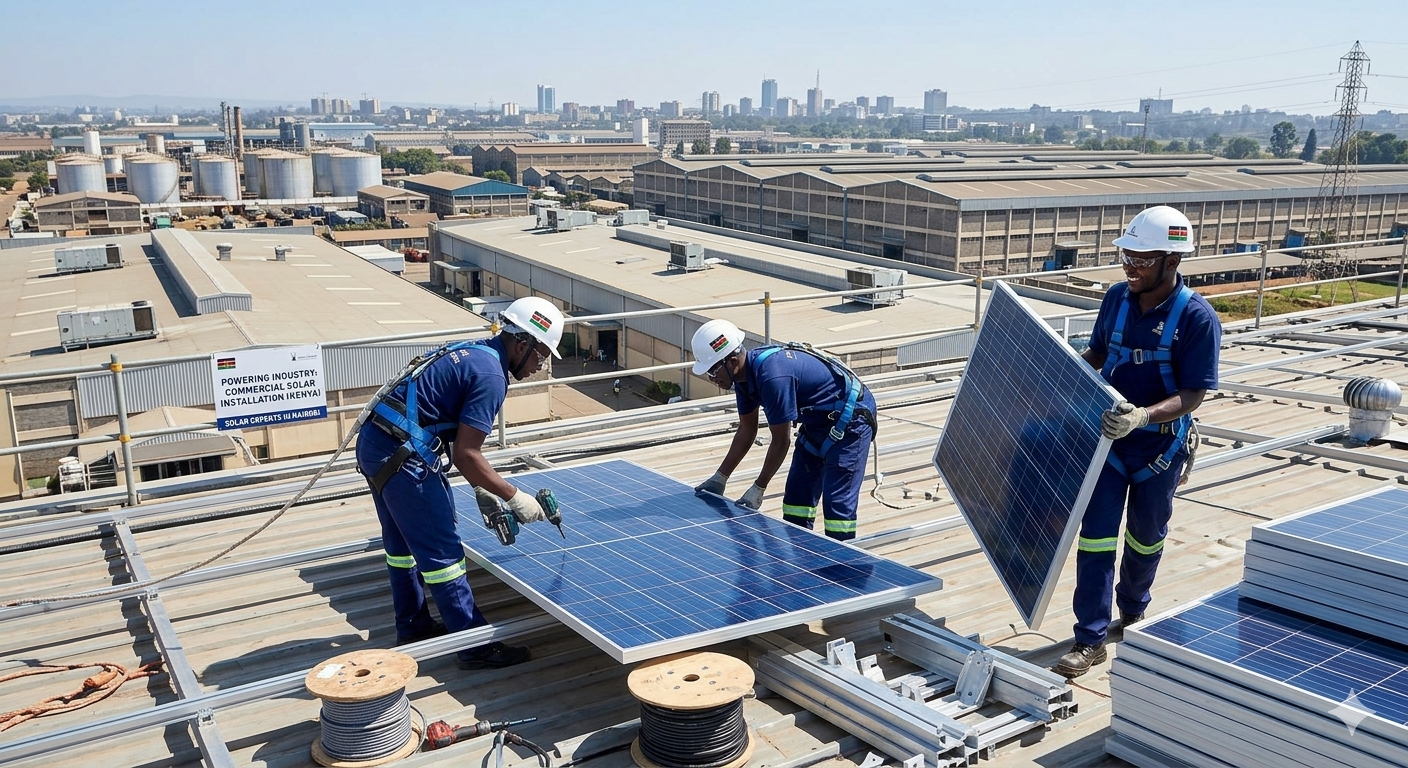
- Industry Experience
Gditech has extensive experience installing solar systems for businesses across different industries. Their team understands the unique energy requirements of commercial operations. This experience allows them to design efficient systems that support continuous operations. Proven expertise reduces project risk. - Professional Project Management
Commercial solar projects require careful coordination of equipment, labor, and timelines. Gditech manages every stage of the installation process from planning to commissioning. Structured project management ensures timely completion and minimal disruption to business activities. This efficiency improves customer satisfaction. - High-Quality Equipment
Gditech uses reliable solar components sourced from trusted manufacturers. Quality equipment improves system durability and energy production. It also reduces maintenance requirements and operational costs. Businesses benefit from dependable long-term performance. - Reliable Technical Support
Gditech provides ongoing support to ensure consistent system operation after installation. Their technicians respond quickly to maintenance and troubleshooting requests. Reliable support minimizes downtime and protects business productivity. Continuous service ensures long-term system reliability.
Book experts in commercial solar installation services in Kenya today
Are you searching for professional solar installation contractors in Kenya to power your business with reliable and cost-effective energy? No need to look any further. Vinsol Kenya specializes in delivering dependable commercial solar installation services in Kenya for businesses, factories, offices, and institutions. Our experienced engineers can design and install a solar system tailored to your operational needs and budget.
We provide:
- Professional system design
- Safe and efficient installation
- High-quality solar equipment
- Reliable technical support
Contact us today to start your commercial solar project and secure your business energy future.
- Call/WhatsApp Us: +254 715 01 45 10
- Email: inquiries@vinsol.co.ke | info@vinsol.co.ke
- Contact Form: Fill out the contact form here.
- Visit Our Branches:
- Ruiru Branch: Next to Total Petrol Station – Kihunguro, Ruiru
- Eldoret Branch: Rehema Complex, opposite Japara Ltd., along Oloo Street, Eldoret.
Commercial Solar Installation Services in Kenya: Frequently Asked Questions
- What businesses benefit most from commercial solar systems?
Businesses with high electricity consumption, such as factories, offices, hospitals, and retail stores, benefit significantly from solar installations. - How long does commercial solar installation take?
Most commercial solar installations take between 2 and 8 weeks depending on system size and complexity. - What is the lifespan of commercial solar systems?
Commercial solar panels typically last between 20 and 25 years with proper maintenance. - Is solar power reliable for businesses in Kenya?
Solar systems provide stable electricity and reduce dependence on grid power, improving operational reliability. - Can solar systems power an entire business?
Properly designed solar systems can meet full energy requirements for many businesses, especially when combined with battery storage.