Solar Battery Installation Services in Kenya: Reliable Power Backup for Homes and Businesses
Introduction: Why Solar Batteries Are Becoming Essential in Kenya
Power reliability has become a major concern for many households and businesses across Kenya. Frequent outages, rising electricity costs, and the increasing need for uninterrupted operations have made backup power solutions more important than ever. While solar panels generate electricity during the day, batteries store that energy for use at night or during power interruptions. Without battery storage, a solar system cannot provide full energy independence or reliable backup.
This is why demand for professional solar battery installation services in Kenya has grown rapidly in recent years. Solar batteries allow you to store excess energy and use it when needed, reducing reliance on the grid and ensuring consistent power supply. They also help stabilize energy usage, protect sensitive equipment, and improve overall system efficiency. For homeowners and businesses alike, battery storage has become a critical component of modern solar energy systems.
Working with a trusted solar installer like Vinsol Kenya ensures your battery system is properly sized, safely installed, and optimized for long-term performance. Professional installation protects your equipment and maximizes the value of your solar investment. Whether you need backup power for your home, office, or industrial facility, a reliable battery system provides peace of mind. In today’s energy environment, dependable backup power is not just convenient—it is essential.
What Is a Solar Battery System?
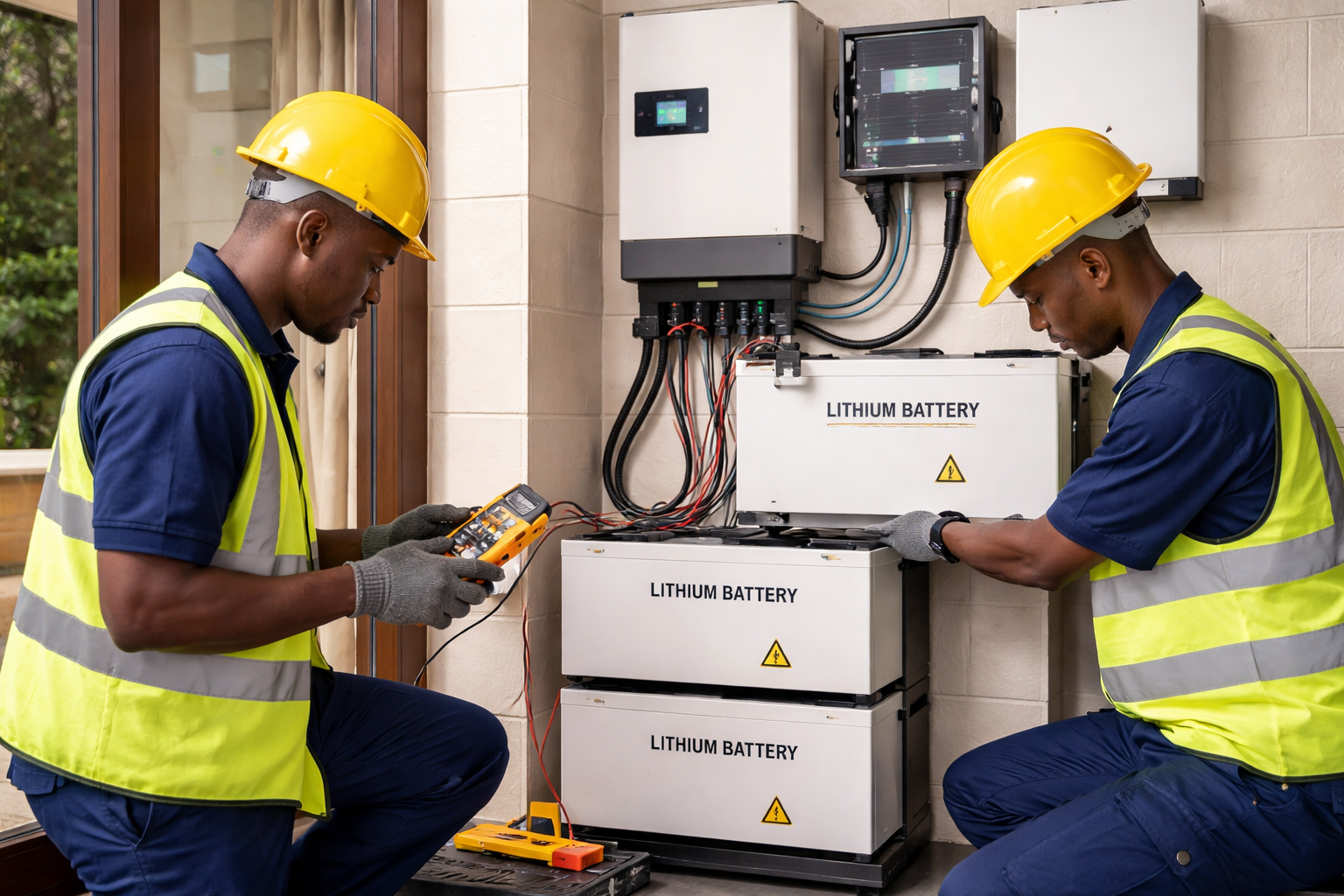 A solar battery system is designed to store electricity generated by solar panels for later use. Instead of sending excess energy back to the grid or losing it entirely, the battery keeps that energy available when sunlight is unavailable. This stored power can be used during nighttime hours, cloudy weather, or unexpected power outages. As a result, solar batteries significantly improve energy reliability.
Modern solar battery storage solutions in Kenya are built to support both residential and commercial applications. These systems integrate seamlessly with solar panels and inverters to create a complete energy solution. Advanced battery technology allows for faster charging, longer lifespan, and improved safety compared to older battery systems. This makes solar battery installation a smart long-term investment.
Battery storage also helps manage electricity demand more efficiently. Businesses can store energy during low-demand periods and use it during peak hours. This flexibility improves operational efficiency and reduces dependence on expensive grid electricity. Over time, efficient energy management leads to significant cost savings.
Types of Solar Batteries Available in Kenya
Choosing the right battery type is an important step when installing a solar system. Different battery technologies offer varying levels of performance, lifespan, and cost. Understanding the differences helps you select the best option for your energy needs.
Lithium Batteries
Lithium batteries are currently the most popular choice for modern solar systems. They provide high efficiency, fast charging, and longer lifespan compared to traditional batteries. These batteries also require minimal maintenance, making them ideal for homes and businesses. Their compact design allows installation in smaller spaces.
Another advantage of lithium battery installation for solar in Kenya is improved energy reliability. Lithium batteries maintain stable performance even under heavy usage. They can handle frequent charging and discharging cycles without significant wear. This durability makes them a preferred option for long-term energy storage.
Lead-Acid Batteries
Lead-acid batteries are a more traditional option that remains widely used in many solar systems. They are generally less expensive than lithium batteries, making them suitable for budget-conscious users. However, they require regular maintenance and have a shorter lifespan. Over time, replacement costs may offset the initial savings.
Despite these limitations, lead-acid batteries still provide reliable backup power for smaller systems. They are often used in basic home installations where energy demand is relatively low. Proper maintenance can extend their lifespan and improve performance. For some users, they remain a practical entry-level solution.
How Solar Battery Backup Systems Work
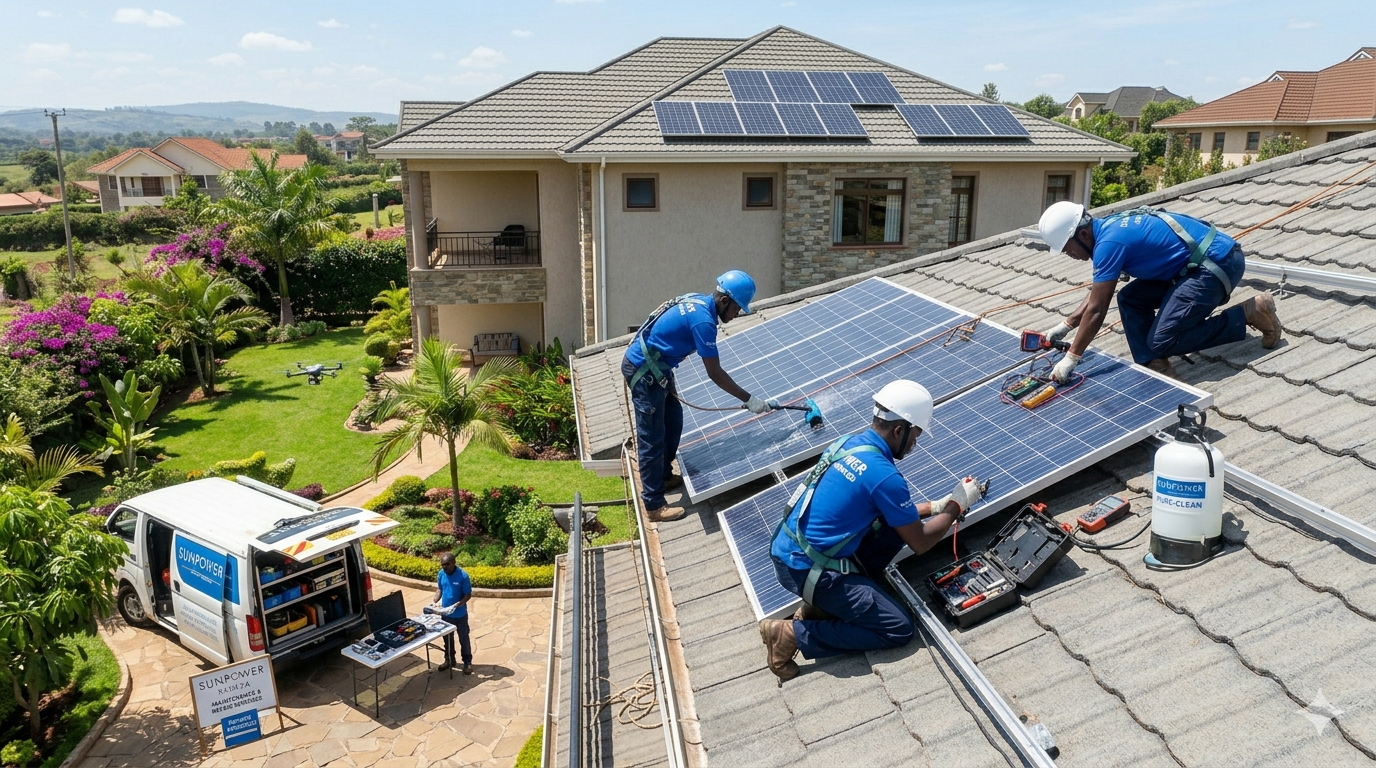 Understanding how solar battery backup systems in Kenya operate can help you appreciate their role in maintaining reliable power supply. These systems follow a simple but effective process to store and distribute electricity.
- Step 1: Energy Generation
Solar panels capture sunlight and convert it into electrical energy during the day. This electricity powers appliances and equipment immediately. Any excess energy is directed toward battery storage. This ensures that no generated energy is wasted. - Step 2: Energy Storage
The battery stores unused electricity until it is needed. Stored energy remains available even when sunlight is not present. Modern batteries are designed to retain energy efficiently for extended periods. This improves overall system reliability. - Step 3: Energy Distribution
When solar panels stop generating electricity, the battery supplies stored energy to the building. This allows lights, appliances, and equipment to continue operating without interruption. Seamless energy transfer ensures consistent power supply. Reliable distribution prevents downtime.
Benefits of Installing Solar Batteries
Installing solar batteries offers several advantages for both residential and commercial users. These benefits extend beyond backup power and contribute to long-term energy stability.
- Reliable Backup Power
Solar batteries provide electricity during power outages, ensuring uninterrupted operations. This reliability is especially important for businesses that depend on continuous power supply. Households also benefit from consistent lighting, refrigeration, and security systems. Reliable backup improves comfort and productivity. - Reduced Electricity Bills
Battery storage allows you to use stored solar energy instead of purchasing electricity from the grid. This reduces monthly energy expenses and improves financial savings. Over time, lower electricity bills can offset installation costs. Energy independence becomes more achievable. - Protection for Sensitive Equipment
Power fluctuations can damage electronic devices and industrial equipment. Solar batteries stabilize energy supply and prevent voltage spikes. This protection reduces repair costs and equipment downtime. Stable power improves operational reliability. - Increased Energy Independence
Battery storage reduces reliance on the national grid and external energy sources. This independence provides greater control over energy usage and costs. Businesses can maintain operations even during extended outages. Energy security becomes a strategic advantage.
Solar Battery Cost in Kenya
The solar battery cost in Kenya varies depending on battery type, capacity, and brand quality. Understanding typical cost ranges helps you plan your investment and choose the right system.
Typical Battery Cost Estimates
- Small residential battery: KSh 80,000 – 180,000
- Medium residential or SME battery: KSh 180,000 – 450,000
- Large commercial battery system: KSh 450,000 – 1,500,000
Factors That Affect Battery Cost
Several factors influence the final price of a solar battery system.
These include:
- Battery capacity
- Battery technology
- Installation complexity
- System size
- Warranty period
Investing in quality batteries often reduces maintenance costs and improves long-term performance.
How to Choose the Right Battery Size
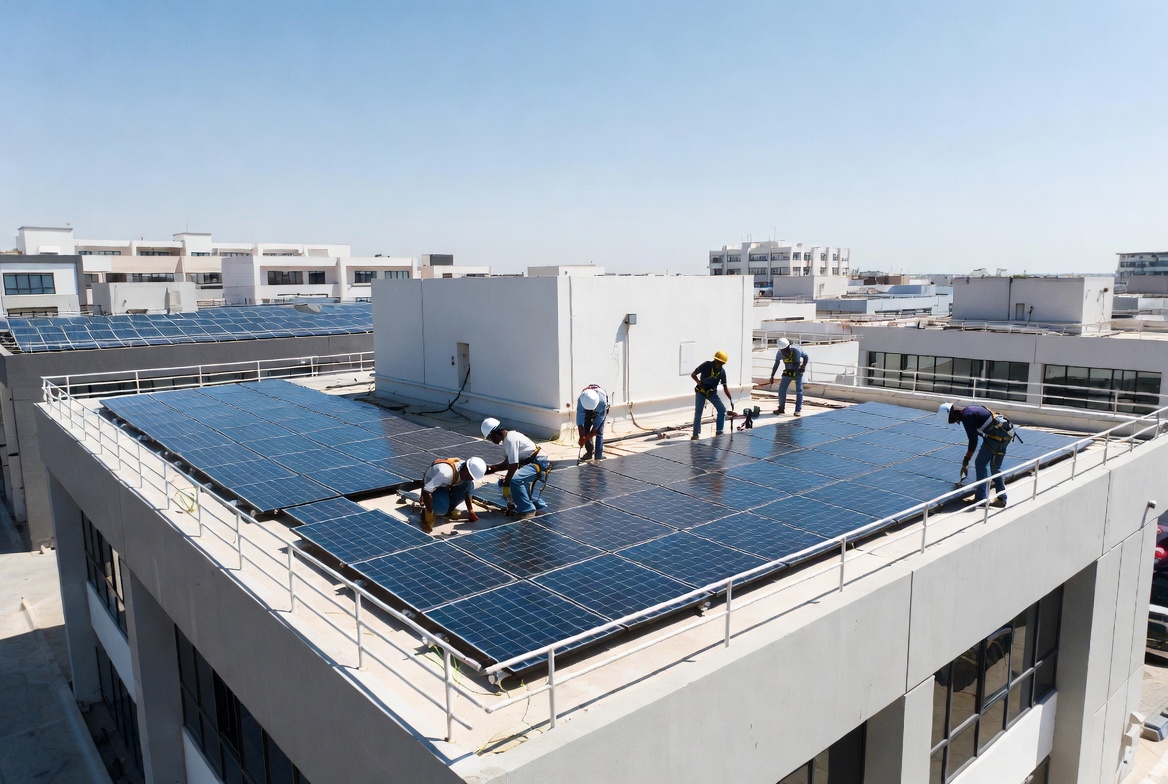
Selecting the correct battery size ensures reliable backup power without overspending on unnecessary capacity. Professional assessment helps determine the optimal battery size for your needs.
 Key Considerations
- Daily Energy Usage
Understanding how much electricity you use each day helps determine battery capacity. Higher energy consumption requires larger storage capacity. Accurate usage data improves system design. Proper sizing prevents power shortages. - Backup Duration
The length of time you need backup power affects battery size. Longer backup periods require more storage capacity. Businesses with critical operations often require extended backup capability. Reliable backup ensures uninterrupted operations.
- Future Expansion
Planning for future energy needs helps avoid costly upgrades later. A scalable battery system allows additional storage capacity if demand increases. Flexible system design improves long-term value. Future readiness protects your investment.
Signs You Need a Battery Upgrade or Replacement
Solar batteries gradually lose efficiency over time. Recognizing early warning signs helps prevent unexpected power failures.
Common Warning Signs
- Reduced Backup Time
If your battery drains faster than usual, it may be nearing the end of its lifespan. Reduced backup time indicates declining storage capacity. Timely replacement prevents power interruptions. Reliable performance is restored. - Frequent Charging Issues
Difficulty charging or maintaining charge levels may signal battery malfunction. Faulty charging reduces system efficiency. Professional inspection identifies the root cause. Early repair prevents complete failure. - Physical Damage or Swelling
Visible damage such as swelling or leakage indicates serious battery problems. These issues pose safety risks and require immediate attention. Replacing damaged batteries protects equipment and property. Safety should always be the top priority.
Why Professional Solar Battery Installation Matters
Installing solar batteries involves complex electrical connections and safety considerations. Improper installation can lead to equipment damage, poor performance, or safety hazards. Professional technicians ensure that all components are installed correctly and operate efficiently. This expertise protects your investment.
Working with Vinsol Kenya ensures that your battery system meets safety standards and performance requirements. Their team uses proper tools and installation procedures to guarantee reliable operation. Professional installation also helps maintain manufacturer warranties. This protection provides long-term peace of mind.
Why Choose Vinsol Kenya for Solar Battery Installation
Choosing the right installation partner is essential for reliable energy storage. A professional provider ensures safe installation, accurate system sizing, and dependable performance.
Key Advantages 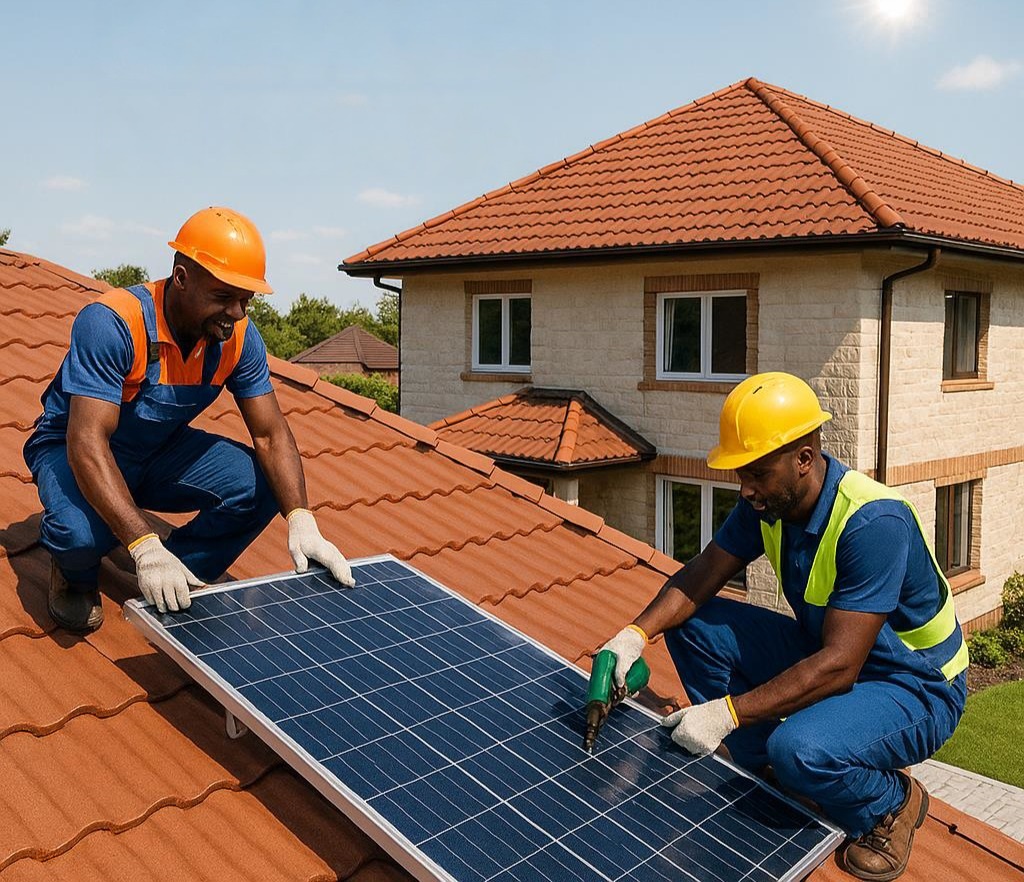
- Experienced Battery Installation Specialists
Gditech technicians have extensive experience installing battery systems for homes and businesses. They understand how to configure batteries for optimal performance and safety. Their expertise ensures efficient installation and reliable operation. Professional service reduces system risk. - High-Quality Battery Technology
Gditech uses reliable battery brands designed for long-term durability. Quality batteries provide stable performance and extended lifespan. This reduces maintenance and replacement costs. Customers benefit from dependable energy storage. - Safe and Compliant Installation
All installations follow electrical safety standards and manufacturer guidelines. Proper installation prevents system faults and safety hazards. Compliance ensures reliable system performance. Safety remains a top priority. - Ongoing Technical Support
Gditech provides continued support after installation to maintain system performance. Their technicians assist with maintenance, troubleshooting, and upgrades. Reliable support minimizes downtime. Long-term service ensures consistent power supply.
Professional solar battery installation services in Kenya
Are you interested in installing reliable and efficient battery backup for your solar system? No need to worry about power outages or unreliable electricity. Vinsol Kenya provides professional solar battery installation services in Kenya for homes, businesses, and commercial facilities. Our experienced engineers can design and install the right battery system to meet your energy needs and budget.
We provide:
- Professional battery system design
- Safe and reliable installation
- High-quality battery technology
- Ongoing technical support
Contact us today to secure dependable backup power and protect your energy investment.
- Call/WhatsApp Us: +254 715 01 45 10
- Email: inquiries@vinsol.co.ke | info@vinsol.co.ke
- Contact Form: Fill out the contact form here.
- Visit Our Branches:
- Ruiru Branch: Next to Total Petrol Station – Kihunguro, Ruiru
- Eldoret Branch: Rehema Complex, opposite Japara Ltd., along Oloo Street, Eldoret.
Professional Solar Battery Installation Services in Kenya- Frequently Asked Questions
- How long do solar batteries last?
Most solar batteries last between 5 and 15 years depending on battery type and usage patterns. - Can solar batteries power a house during outages?
Yes. Properly sized batteries can provide backup power for essential appliances and equipment. - Are lithium batteries better than lead-acid batteries?
Lithium batteries typically last longer, charge faster, and require less maintenance than lead-acid batteries. - How much does a solar battery cost in Kenya?
The solar battery cost in Kenya usually ranges between KSh 80,000 and KSh 1,500,000 depending on capacity and technology. - Do solar batteries require maintenance?
Yes. Periodic inspection and maintenance help ensure reliable performance and extend battery lifespan.