How to Start a Dairy Milk Dispensing Business in Kenya in 2026 Using a Vinsol Milk ATM

How to Start a Dairy Milk Dispensing Business in Kenya in 2026 Using a Vinsol Milk ATM Kenya’s milk ATM industry has quietly become one of the most resilient small-business opportunities in the country. With millions of households buying fresh milk daily and the formal dairy supply chain still out of reach for many, milk dispensing machines have stepped in to fill a real gap, and entrepreneurs who moved early are reaping steady returns. This guide walks you through how to start a dairy milk dispensing business in Kenya in 2026 using a Vinsol Milk ATM. If you’re thinking about, venturing into milk vending business but don’t know how to go about it, we are here to help you navigate every step. From picking the right location to understanding what it truly costs and how much you can realistically earn this guide is your cheat code. Whether you’re putting in KSh 100,000 or scaling up to KSh 300,000, this is a business with a clear path to profitability. Why Milk ATMs Are a Smart Business Choice in 2026 Kenya produces over 5 billion litres of milk annually, yet distribution to last-mile consumers remains fragmented. Milk ATMs, also known as fresh milk dispensing machines, bridge that gap by allowing entrepreneurs to buy in bulk from dairy farmers or cooperatives and retail it directly to households at prices consumers trust. Here’s what makes the model compelling in 2026: Urban and peri-urban populations are growing, driving consistent demand for affordable, fresh milk. Government crackdowns on unpasteurised informal milk have pushed buyers toward licensed dispensers. Machines like the Vinsol Milk ATM are of the highest quality, meet KEBS quality standards, stainless steel, and built for the Kenyan market. The business is simple to operate and requires no advanced technical skills. 💡 Pro Tip: Milk ATM businesses in high-density estates like Umoja, Githurai, or Mwiki in Nairobi can sell out 200+ litres daily within the first three months of operation. Location is your single biggest profit lever. Step-by-Step Guide: How to Start a Dairy Milk Dispensing Business in Kenya in 2026 Using a Vinsol Milk ATM Step 1: Conduct Market Research and Choose Your Location Before you spend a single shilling, spend time understanding your target market. The difference between a successful milk ATM business and a struggling one is usually just location. Best locations to target: Dense residential estates and low-to-middle-income housing areas Near matatu stages, market centres, and shopping centres Schools, hospitals, and institutional zones with canteen access Estates underserved by supermarkets or formal dairy outlets Walk the area at peak times — 6–9 AM and 5–8 PM — and count foot traffic. Talk to residents and ask where they currently buy milk. If the answer is “from a hawker” or “from a shop that’s far,” you’ve likely found your spot. 💡 Pro Tip: Avoid locations within 200 metres of an established competitor unless you have a price or convenience advantage. Step 2: Register Your Business and Obtain All Required Licenses Operating a milk dispensing business without the proper permits is a compliance risk that can shut you down overnight. Kenya Dairy Board (KDB) inspectors conduct regular field checks, so get your paperwork sorted early. Requirement Issuing Authority Notes Business Registration Huduma Centre / eCitizen One-time, ~KSh 950 Single Business Permit County Government Annual renewal Public Health Certificate County Health Dept. For staff & premises KDB Dispenser License Kenya Dairy Board Mandatory for all dispensers KEBS Machine Approval Kenya Bureau of Standards Machine must be certified Budget approximately KSh 15,000–KSh 30,000 for all licensing combined, depending on your county. Nairobi, Kiambu, and Mombasa counties have slightly higher permit fees than rural counties. Step 3: Procure Your Vinsol Milk ATM Machine The machine you choose defines your operational reliability, your compliance status, and ultimately your customer’s trust. This is where Vinsol stands out. Vinsol Milk ATMs are KDB-approved fresh milk dispensing machines built with food-grade stainless steel interiors, integrated cooling systems, and precision dispensing mechanisms that minimise waste. When buying a dairy milk dispenser from Vinsol, you get a machine engineered specifically for the Kenyan market — handling everything from Nairobi’s traffic heat to rural power fluctuations. Key machine specifications to confirm before purchase: Capacity: 100–500 litre tanks depending on your daily volume projections Cooling system: Built-in refrigeration to maintain milk at ≤4°C Material: 304 or 316 food-grade stainless steel throughout all contact surfaces Dispensing precision: Volume-controlled tap with minimal wastage KDB and KEBS certification: Non-negotiable for legal operation 💡 Pro Tip: When choosing between 100L and 200L capacity machines, start with a machine that matches 80% of your projected daily demand. Buying oversized capacity means unnecessary energy costs to cool milk you haven’t sold. Step 4: Source Quality Milk from Reliable Suppliers Your machine is only as good as the milk going into it. Poor-quality or inconsistently pasteurised milk will generate returns, complaints, and damaged reputation faster than anything else. What to look for in a milk supplier: KDB-licensed dairy farmer or cooperative Access to pasteurised milk (ultra-heat treated or fresh-pasteurised) Reliable daily delivery within a cold chain Consistent pricing through a written supply agreement Popular cooperatives such as Githunguri Dairy, Limuru Dairy, and smaller county-based co-ops often supply ATM operators at wholesale prices ranging from KSh 35–KSh 55 per litre depending on volume and location. 💡 Pro Tip: Negotiate a 30-day credit facility with your supplier once you’ve built trust. It significantly eases your working capital pressure during the early months. Step 5: Set Up Operations, Pricing, and Marketing Once your machine is installed and your supplier is confirmed, focus on three things: hygiene, pricing, and visibility. Hygiene protocols: Clean and sanitise the machine interior daily using food-safe detergents Display your KDB license and health certificates visibly at the point of sale Train your operator or attendant on proper handling and customer service Pricing strategy: Retail price typically ranges from KSh 60–KSh 80 per litre in urban areas Allow customers to buy as little as KSh 10 worth (typically 150–200 ml)
The Perfect Guide to Starting and Operating a Profitable Milk ATM Business in Kenya

The Perfect Guide to Starting and Operating a Profitable Milk ATM Business in Kenya Kenya’s dairy industry is evolving fast, and one business model is quietly outperforming many traditional retail ventures: milk ATM businesses. Powered by automation, cold-chain technology, and cashless payments, milk ATMs are transforming how fresh milk reaches consumers while unlocking strong margins for entrepreneurs. This is the perfect guide to starting and operating a profitable milk ATM business in Kenya is designed to help you understand this opportunity clearly, from market potential and profitability to compliance, operations, and long-term growth. Whether you are a first-time entrepreneur, a dairy farmer looking to sell directly to consumers, or an investor seeking a stable, fast-payback venture, this guide explains how to build a milk ATM business that is profitable, compliant, and scalable in the Kenyan market. The Perfect Guide to Starting and Operating a Profitable Milk ATM Business in Kenya: Why This Model Works At its core, a milk ATM business solves three persistent challenges in Kenya’s dairy value chain: milk spoilage, price exploitation by middlemen, and inconsistent access to hygienic milk. Milk vending machines, also known as dairy milk dispensers, allow operators to sell chilled milk directly to consumers at controlled prices while maintaining quality and safety. A milk ATM is a refrigerated dispensing unit that stores milk at temperatures below 4°C and releases it in precise quantities after payment. Modern high-quality dairy milk dispensers accept both cash and mobile money, especially M-Pesa, which aligns perfectly with Kenyan consumer behavior. This convenience, combined with affordability, has driven rapid adoption in urban and peri-urban areas. Urbanization, rising health awareness, and demand for minimally processed fresh milk continue to fuel growth. As a result, milk ATMs are no longer experimental, they are a proven, bankable retail model across Nairobi, Kiambu, Nakuru, Eldoret, and other fast-growing towns. Why Milk ATM Businesses Are Profitable in Kenya One of the strongest reasons entrepreneurs are embracing this model is its financial logic. Milk ATM businesses combine low operating costs, strong daily cash flow, and fast return on investment. Startup costs are relatively manageable compared to many brick-and-mortar food businesses. Depending on capacity and features, affordable milk ATMs allow entrepreneurs to enter the market without heavy overheads like large staff numbers or complex logistics. Once operational, the business benefits from daily cash sales, predictable demand, and low wastage when managed correctly. Margins are driven by the price difference between farm-gate milk and retail prices. Even modest daily sales volumes can translate into strong monthly net profits when refrigeration, hygiene, and stock rotation are properly managed. Choosing the Right Milk ATM: Compliance, Quality, and Trust Success in this business starts with choosing the right equipment. Not all machines are equal, and cutting corners at this stage can lead to losses, regulatory trouble, or reputational damage. In Kenya, it is essential to invest in milk ATMs that meet Kenya Dairy Board standards. These standards govern hygiene, storage temperatures, food-grade materials, and handling processes. Using KDB approved milk ATMs protects your business from shutdowns and builds customer trust from day one. Many entrepreneurs searching for where to buy high quality milk ATMs in Kenya prioritize suppliers with a proven track record, local support, and full regulatory compliance. This is where Vinsol has established a strong reputation. Why Vinsol Milk ATMs Are Trusted by Kenyan Entrepreneurs Vinsol milk vending machines are designed specifically for the Kenyan market. They are KEBS certified, compliant with Kenya Dairy Board regulations, and built using food-grade stainless steel for durability and hygiene. Their machines maintain stable refrigeration below 4°C and include self-cleaning features that simplify sanitation and reduce contamination risks. Beyond compliance, Vinsol milk ATMs integrate M-Pesa payment systems, accurate PLC-controlled dispensing, secure access controls, and automated sales tracking. This combination makes them among the best milk ATMs in Kenya for entrepreneurs who want reliability, affordability, and long-term support. Step-by-Step: The Perfect Guide to Starting and Operating a Profitable Milk ATM Business in Kenya Step 1: Market Research and Location Selection Location is the single most important success factor. High-performing milk ATM locations typically include residential estates, busy market centers, transport hubs, and areas near schools or fitness centers. These locations offer consistent foot traffic and daily demand for fresh milk. Before committing, observe foot traffic at different times of day, analyze nearby competition, and understand local pricing. Strong demand with weak service quality often presents the best opportunity. Step 2: Licensing and Legal Compliance Operating legally is non-negotiable. You will need to register your business, obtain a county Single Business Permit, secure a Public Health Certificate, and ensure your machine is KEBS certified. Depending on scale, Kenya Dairy Board registration may also apply. Compliance is not just about avoiding penalties, it signals professionalism and builds consumer confidence in your milk quality. Step 3: Milk Sourcing and Quality Control Your reputation depends entirely on milk quality. Work with reliable farmers or cooperatives that supply pasteurized, properly chilled milk consistently. Always verify delivery temperatures and reject milk that does not meet quality standards. Consistent quality builds repeat customers, while a single incident of sour milk can damage trust quickly. Step 4: Installation and Daily Operations Professional installation ensures optimal machine performance. Reliable electricity, good ventilation, security, and visibility are essential. Once operational, daily routines should include temperature checks, sales monitoring, basic cleaning, and proper cash or M-Pesa reconciliation. Well-run milk ATM businesses rely on discipline rather than complexity. Managing Challenges in Milk ATM Operations Milk spoilage is the most common operational risk. This can be minimized through accurate demand forecasting, strict temperature control, and disciplined stock rotation. Reliable machines and quality suppliers significantly reduce this risk. Technical issues may occur, but they are manageable with preventive maintenance and access to local technical support. One advantage of Vinsol milk vending machines is the availability of spare parts and servicing within Kenya, which minimizes downtime. Competition is increasing, but it usually signals strong market demand. Businesses that focus on cleanliness, reliability, and customer service tend to outperform
7 Essential Requirements for Setting Up a Successful Salad Oil ATM Business in Kenya
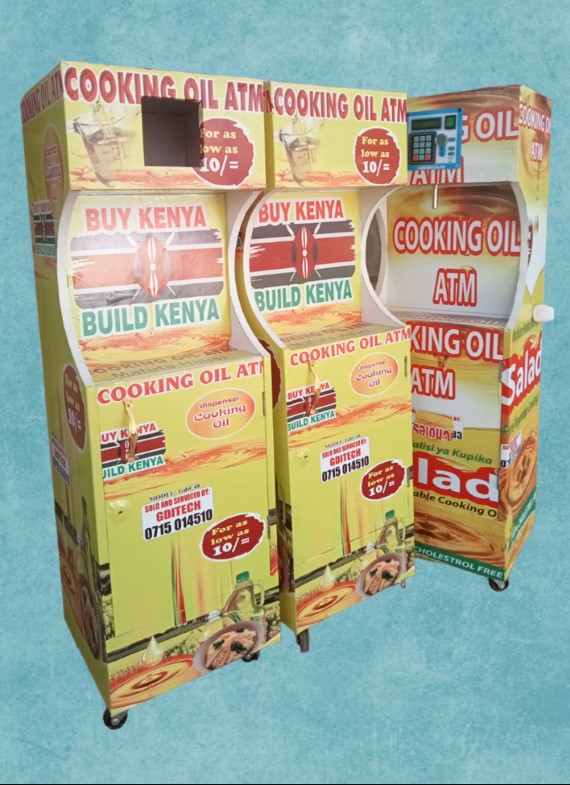
7 Essential Requirements for Setting Up a Successful Salad Oil ATM Business in Kenya The retail landscape in Kenya is shifting rapidly toward “kadogo economy” solutions. For aspiring entrepreneurs, understanding the 7 essential requirements for setting up a successful salad oil ATM business in Kenya is the first step toward tapping into a highly profitable, recession-proof market. With rising costs of living, consumers are moving away from expensive branded bottled oils toward more flexible, quantity-based dispensing. A cooking oil ATM (also known as a salad oil dispenser) allows customers to buy exactly what they can afford—even for as little as Ksh 10. 7 Essential Requirements for Setting Up a Successful Salad Oil ATM Business in Kenya Starting this venture requires more than just a machine; it requires a blend of strategic planning, legal compliance, and high-quality equipment. Here is the definitive checklist to get you started. Strategic High-Traffic Location Location is the heartbeat of any retail business. For a salad oil ATM, you need to be where your target demographic lives and breathes. Target Moderate to Low-Income Areas: Avoid “leafy suburbs” where residents prefer bulk supermarket shopping. Focus on densely populated residential estates, busy market centers, or spots near bus termini. Visibility: Your premises should ideally face the street. High foot traffic ensures a steady stream of “walk-in” customers. Security: Ensure the location is secure, as many customers shop after work in the evening. High-Quality Cooking Oil Dispensing Machine Your most important asset is the cooking oil dispensing machine. To ensure longevity and hygiene, you must invest in equipment made of food-grade 304 stainless steel. Pro Tip: Always check if the machine has a PLC (Programmable Logic Controller). This allows you to set and calibrate prices easily, ensuring you remain profitable even when wholesale oil prices fluctuate. Reliable Bulk Oil Suppliers Where you source your oil determines your profit margin. Certification: Ensure your supplier provides oil with the KEBS (Kenya Bureau of Standards) certification and the fortified logo. Wholesalers vs. Manufacturers: While buying directly from manufacturers is cheaper, they often have high Minimum Order Quantities (MOQs). For beginners, reputable regional wholesalers are often the best bet. Legal Compliance and Licensing Operating without the “green light” from authorities is a recipe for disaster. You will need: Single Business Permit: Obtained from your specific County Government. Public Health Certificate: Essential for any business handling food products. Fire Safety Permit: Often required for commercial premises. Proper Space and Infrastructure You don’t need a massive showroom. A clean, well-ventilated space of approximately 1.5m x 1.5m is sufficient. However, you must ensure a stable electricity supply to power the ATM’s digital system and the internal heating element. Marketing and Local Awareness Even the best business needs a “shout.” Use low-cost marketing like: Clear, visible signage above your shop. Directional posters in the neighborhood. Introductory offers (e.g., a small discount for the first week). Operational Working Capital Beyond the machine and rent, ensure you have enough cash flow to purchase your first 2–3 barrels of oil and cover utility bills for the first month. Why Choosing the Best Salad Oil ATMs in Kenya Matters Not all machines are created equal. In Kenya’s varied climate, oil can solidify in colder regions like Limuru, Eldoret, or Nairobi during the “winter” months. This is why the technical requirements for setting up a successful salad oil ATM business in Kenya include choosing a machine with an integrated heating system. Comparison: Standard Dispensers vs. Vinsol High-Quality Cooking Oil ATMs Feature Standard Dispenser Vinsol Salad Oil ATM Material Basic stainless steel or cardboard Best Quality Particle Boards + Food-grade 304 Stainless Steel Control System Manual/Basic Advanced PLC (Digital) Heating Element Often Missing Built-in (Prevents solidification) Sales Tracking None Password-protected digital logs Warranty Limited/None Full 1-Year Warranty Advantages of Buying a Cooking Oil Dispenser from Vinsol When you buy a salad oil ATM, you are investing in the backbone of your livelihood. Vinsol high quality cooking oil ATMs in Kenya are engineered specifically for the local market. Tamper-Proof Logic: Our machines are password-protected. If you employ a shop attendant, they cannot alter sales records or prices without your authorization. Precision Calibration: Dispense oil for as little as Ksh 10 with 100% accuracy, ensuring no wastage and maximum trust from your customers. Climate Adaptation: Our ATMs feature specialized elements that prevent oil from freezing, ensuring your business runs 24/7 regardless of the weather. Top Quality Build: We prioritize food safety and durability, using materials that meet international health standards. After-Sales Support: We don’t just sell; we help you maintain your machine to ensure a high Return on Investment (ROI). 5 Reasons Why Vinsol is Your Best Source for Buying Top Quality Cooking Oil Dispensing Machines in Kenya: Unmatched Durability: Built to Last Over a Decade At Vinsol, we don’t believe in “disposable” machinery. Our cooking oil ATMs are constructed using heavy-duty, food-grade 304 stainless steel, which is resistant to corrosion and wear. When you buy a salad oil ATM from us, you aren’t just making a purchase; you are making a long-term capital investment. With simple, routine maintenance, our machines are engineered to remain operational for over 10 years, ensuring your initial investment pays for itself many times over. Precision Accuracy & Guaranteed Profitability In the “kadogo economy,” every drop of oil counts toward your bottom line. Vinsol machines feature advanced PLC (Programmable Logic Controller) digital units that allow for hyper-accurate calibration. This means if a customer buys oil for Ksh 10, they get exactly Ksh 10 worth of oil—no more, no less. This precision eliminates product wastage and ensures that every cent of your inventory is accounted for, protecting your profit margins from the very first liter. Expert Guidance: Free Consultation for Your Success We believe our success is tied to yours. That is why we offer comprehensive, free business consultations to all our clients. We don’t just hand over a machine; we provide expert advice on the best high-traffic locations in Kenya, how to navigate county licensing (like the “kanju” permits), and