The Perfect Guide to Starting and Operating a Profitable Milk ATM Business in Kenya
Kenya’s dairy industry is evolving fast, and one business model is quietly outperforming many traditional retail ventures: milk ATM businesses. Powered by automation, cold-chain technology, and cashless payments, milk ATMs are transforming how fresh milk reaches consumers while unlocking strong margins for entrepreneurs. This is the perfect guide to starting and operating a profitable milk ATM business in Kenya is designed to help you understand this opportunity clearly, from market potential and profitability to compliance, operations, and long-term growth.
Whether you are a first-time entrepreneur, a dairy farmer looking to sell directly to consumers, or an investor seeking a stable, fast-payback venture, this guide explains how to build a milk ATM business that is profitable, compliant, and scalable in the Kenyan market.
The Perfect Guide to Starting and Operating a Profitable Milk ATM Business in Kenya: Why This Model Works
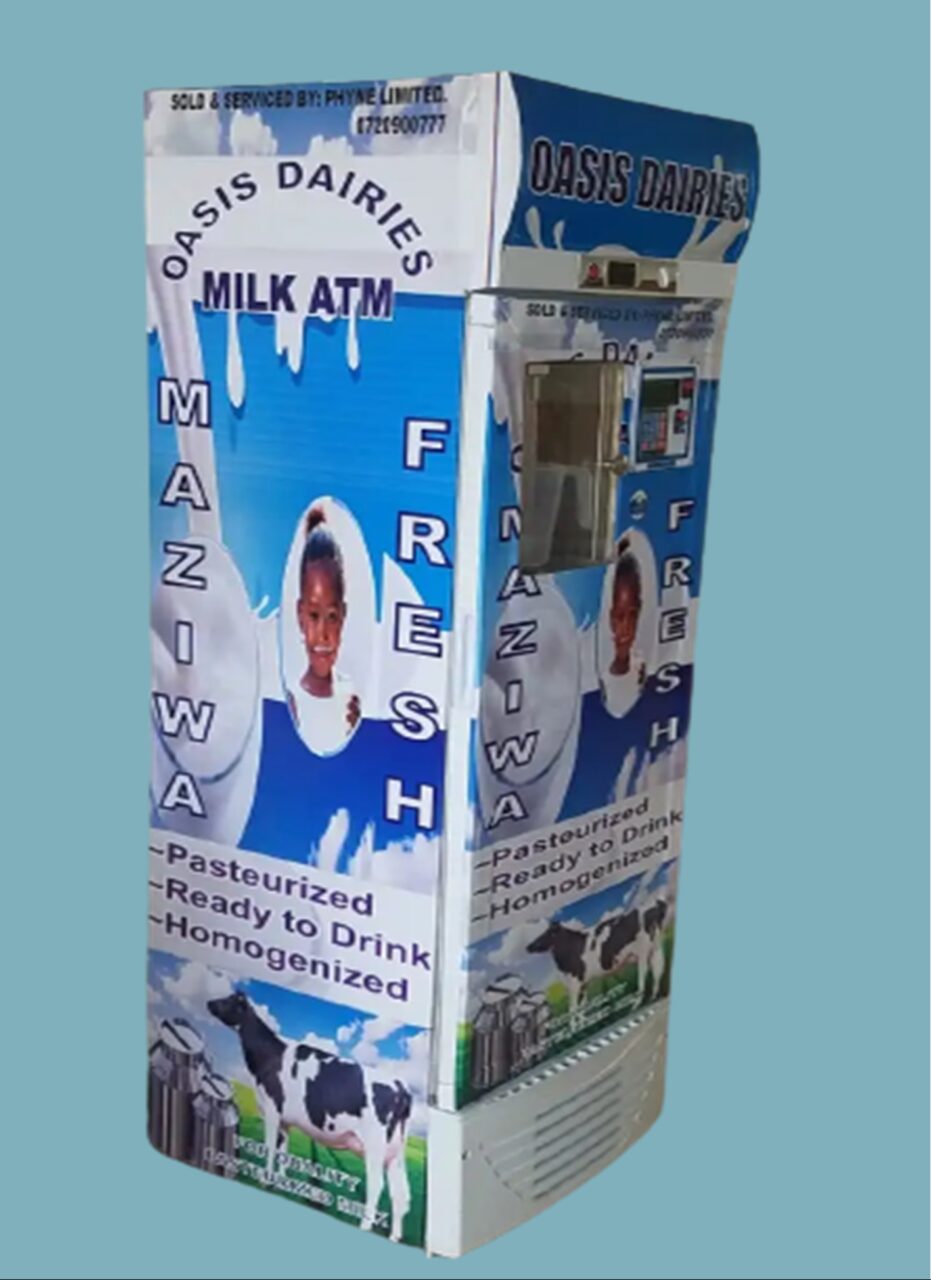 At its core, a milk ATM business solves three persistent challenges in Kenya’s dairy value chain: milk spoilage, price exploitation by middlemen, and inconsistent access to hygienic milk. Milk vending machines, also known as dairy milk dispensers, allow operators to sell chilled milk directly to consumers at controlled prices while maintaining quality and safety.
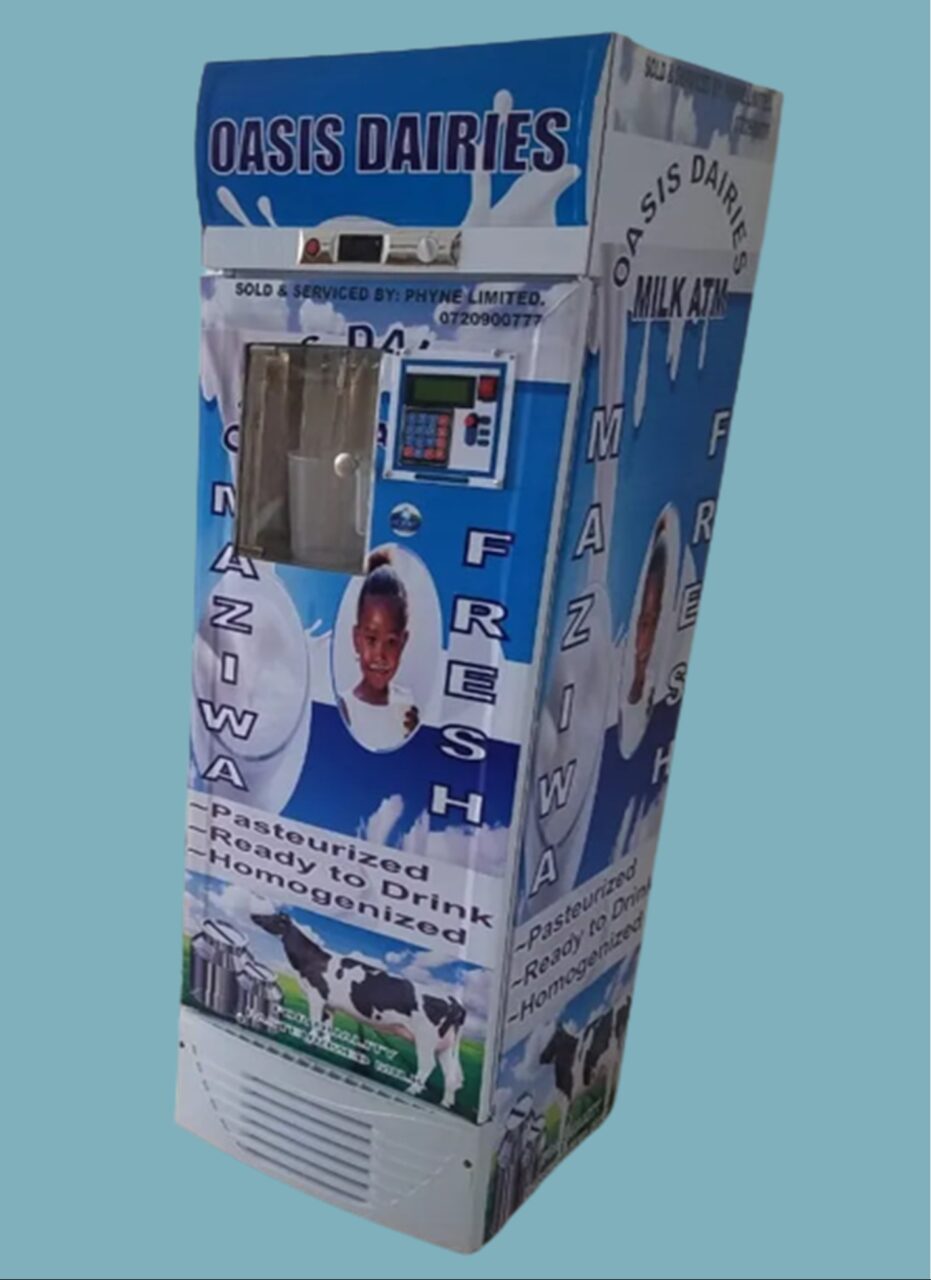
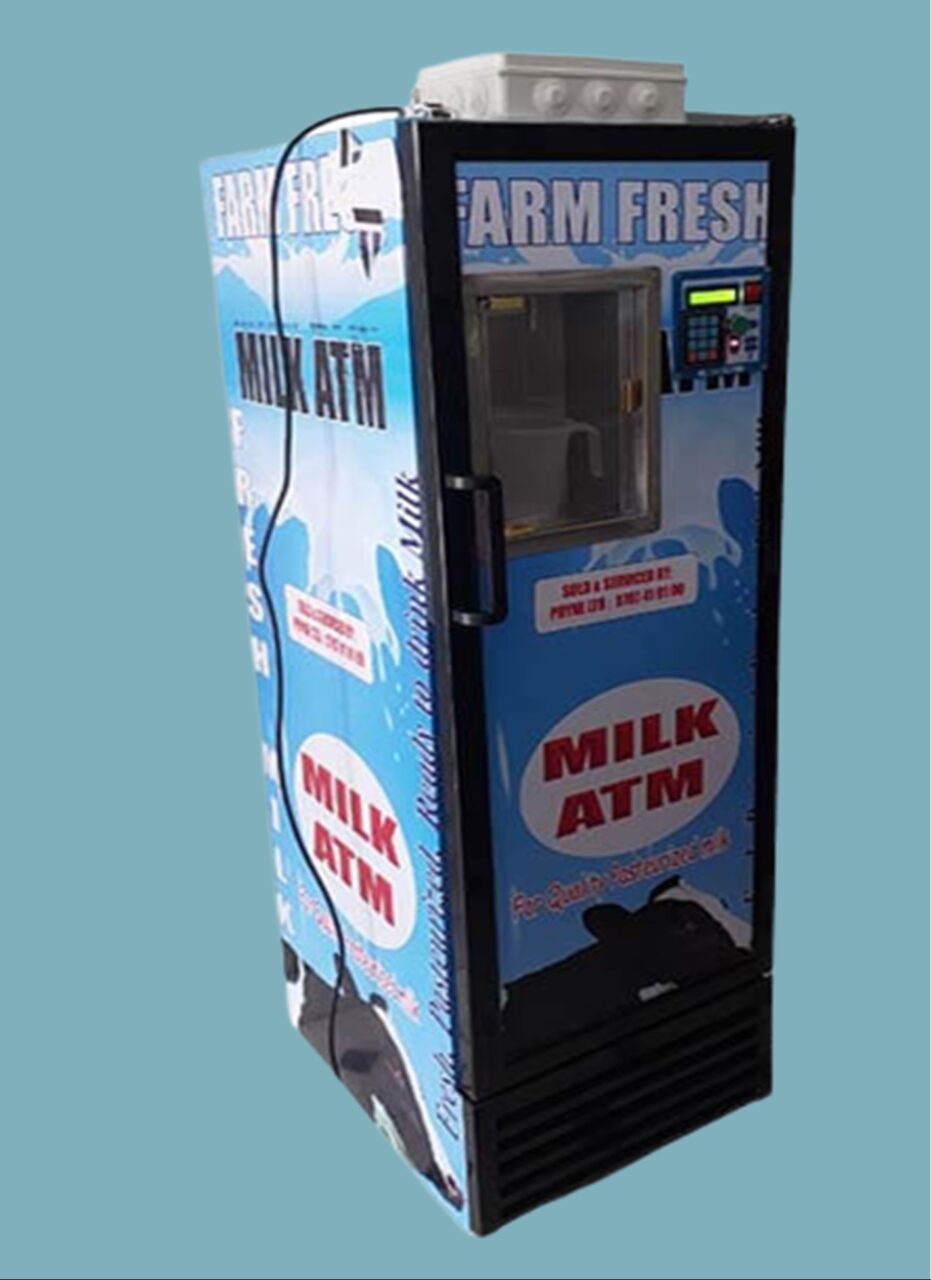
A milk ATM is a refrigerated dispensing unit that stores milk at temperatures below 4°C and releases it in precise quantities after payment. Modern high-quality dairy milk dispensers accept both cash and mobile money, especially M-Pesa, which aligns perfectly with Kenyan consumer behavior. This convenience, combined with affordability, has driven rapid adoption in urban and peri-urban areas.
Urbanization, rising health awareness, and demand for minimally processed fresh milk continue to fuel growth. As a result, milk ATMs are no longer experimental, they are a proven, bankable retail model across Nairobi, Kiambu, Nakuru, Eldoret, and other fast-growing towns.
Why Milk ATM Businesses Are Profitable in Kenya
One of the strongest reasons entrepreneurs are embracing this model is its financial logic. Milk ATM businesses combine low operating costs, strong daily cash flow, and fast return on investment.
Startup costs are relatively manageable compared to many brick-and-mortar food businesses. Depending on capacity and features, affordable milk ATMs allow entrepreneurs to enter the market without heavy overheads like large staff numbers or complex logistics. Once operational, the business benefits from daily cash sales, predictable demand, and low wastage when managed correctly.
Margins are driven by the price difference between farm-gate milk and retail prices. Even modest daily sales volumes can translate into strong monthly net profits when refrigeration, hygiene, and stock rotation are properly managed.
Choosing the Right Milk ATM: Compliance, Quality, and Trust
 Success in this business starts with choosing the right equipment. Not all machines are equal, and cutting corners at this stage can lead to losses, regulatory trouble, or reputational damage.
In Kenya, it is essential to invest in milk ATMs that meet Kenya Dairy Board standards. These standards govern hygiene, storage temperatures, food-grade materials, and handling processes. Using KDB approved milk ATMs protects your business from shutdowns and builds customer trust from day one.
Many entrepreneurs searching for where to buy high quality milk ATMs in Kenya prioritize suppliers with a proven track record, local support, and full regulatory compliance. This is where Vinsol has established a strong reputation.
Why Vinsol Milk ATMs Are Trusted by Kenyan Entrepreneurs
Vinsol milk vending machines are designed specifically for the Kenyan market. They are KEBS certified, compliant with Kenya Dairy Board regulations, and built using food-grade stainless steel for durability and hygiene. Their machines maintain stable refrigeration below 4°C and include self-cleaning features that simplify sanitation and reduce contamination risks.
Beyond compliance, Vinsol milk ATMs integrate M-Pesa payment systems, accurate PLC-controlled dispensing, secure access controls, and automated sales tracking. This combination makes them among the best milk ATMs in Kenya for entrepreneurs who want reliability, affordability, and long-term support.
Step-by-Step: The Perfect Guide to Starting and Operating a Profitable Milk ATM Business in Kenya
- Step 1: Market Research and Location Selection
Location is the single most important success factor. High-performing milk ATM locations typically include residential estates, busy market centers, transport hubs, and areas near schools or fitness centers. These locations offer consistent foot traffic and daily demand for fresh milk.
Before committing, observe foot traffic at different times of day, analyze nearby competition, and understand local pricing. Strong demand with weak service quality often presents the best opportunity.
- Step 2: Licensing and Legal Compliance
Operating legally is non-negotiable. You will need to register your business, obtain a county Single Business Permit, secure a Public Health Certificate, and ensure your machine is KEBS certified. Depending on scale, Kenya Dairy Board registration may also apply.
Compliance is not just about avoiding penalties, it signals professionalism and builds consumer confidence in your milk quality.
- Step 3: Milk Sourcing and Quality Control
Your reputation depends entirely on milk quality. Work with reliable farmers or cooperatives that supply pasteurized, properly chilled milk consistently. Always verify delivery temperatures and reject milk that does not meet quality standards.
Consistent quality builds repeat customers, while a single incident of sour milk can damage trust quickly.
- Step 4: Installation and Daily Operations
Professional installation ensures optimal machine performance. Reliable electricity, good ventilation, security, and visibility are essential. Once operational, daily routines should include temperature checks, sales monitoring, basic cleaning, and proper cash or M-Pesa reconciliation.
Well-run milk ATM businesses rely on discipline rather than complexity.
Managing Challenges in Milk ATM Operations
 Milk spoilage is the most common operational risk. This can be minimized through accurate demand forecasting, strict temperature control, and disciplined stock rotation. Reliable machines and quality suppliers significantly reduce this risk.
Technical issues may occur, but they are manageable with preventive maintenance and access to local technical support. One advantage of Vinsol milk vending machines is the availability of spare parts and servicing within Kenya, which minimizes downtime.
Competition is increasing, but it usually signals strong market demand. Businesses that focus on cleanliness, reliability, and customer service tend to outperform competitors that compete solely on price.
Scaling and Maximizing Long-Term Profitability
Once your first milk ATM stabilizes, growth becomes strategic rather than speculative. Operators typically expand by adding more machines in new locations or upgrading capacity in high-performing sites.
Strong supplier relationships can unlock better pricing and improve margins. Some operators eventually source directly from farmers as volumes grow, further increasing profitability.
Customer loyalty is another powerful growth lever. Consistent service, quick response to feedback, and community engagement create trust that protects your business even in competitive areas.
The Future Outlook for Milk ATM Businesses in Kenya
The long-term outlook for milk ATM businesses in Kenya remains strong. Urban growth, rising demand for fresh milk, and widespread adoption of cashless payments continue to support expansion. Regulatory clarity from the Kenya Dairy Board has also reduced uncertainty for new investors.
Technological improvements in refrigeration efficiency, data tracking, and payment systems will further strengthen the business model. Entrepreneurs who invest in high-quality milk ATMs in Kenya today are well positioned to benefit from this growth over the next decade.
Conclusion: The Perfect Guide to Starting and Operating a Profitable Milk ATM Business in Kenya
 This guide to starting and operating a profitable milk ATM business in Kenya shows that this is not a speculative trend, it is a proven, practical business model with strong fundamentals. With manageable startup costs, fast payback periods, and scalable growth potential, milk ATM businesses offer one of the most attractive opportunities in Kenya’s food retail sector.
Success depends on choosing compliant equipment, sourcing quality milk, selecting the right location, and running disciplined daily operations. Entrepreneurs who invest in trusted solutions like Vinsol milk ATMs gain a critical advantage through reliability, compliance, and local support.
For anyone seeking a stable, community-focused business with consistent cash flow, milk ATM vending stands out as a smart and future-ready investment.
Frequently Asked Questions (FAQs) About Starting and Operating a Milk ATM Business in Kenya
- How much does it cost to start a milk ATM business in Kenya?
Startup costs typically range from KES 120,000 to KES 200,000 depending on machine capacity, permits, and setup costs. - Is a milk ATM business profitable in Kenya?
Well-managed operations commonly earn net profits of KES 40,000–60,000 per month per machine. - Are milk ATMs legal in Kenya?
Yes, provided you use KDB approved milk ATMs, obtain county permits, and comply with public health regulations. - Where can I buy reliable milk ATMs in Kenya?
Many entrepreneurs choose Vinsol due to their compliance, durability, and local technical support. - Can I operate the business part-time?
Once systems are established, daily operations require minimal time, especially with an attendant.