How to Start a Milk ATM Business in Kenya With Less Than 150,000 Shillings
Introduction: Your Path to Milk ATM Success
Starting a milk ATM business in Kenya presents an incredible opportunity for entrepreneurs seeking profitable ventures. We understand that many aspiring business owners worry about capital requirements. However, launching a successful milk vending operation is entirely feasible with less than 150,000 shillings. This blog post will guide you on how to start a milk ATM business in Kenya with less than 150,000 shillings.
Budget-conscious entrepreneurs can enter this market strategically. Quality milk ATM machines from reliable manufacturers like Vinsol start at Ksh 70,000. This leaves sufficient capital for location setup and initial stock. Smart planning maximizes your investment potential significantly.
Location selection remains crucial for milk ATM success. High-traffic areas generate consistent daily sales. Residential estates, shopping centers, and transport hubs offer excellent foot traffic. We recommend thorough market research before committing to locations.
Start a Milk ATM Business in Kenya With Less Than 150,000 Shillings: Understanding the Milk ATM Business Opportunity
The Dairy Industry in Kenya: Market Demand for Fresh Milk
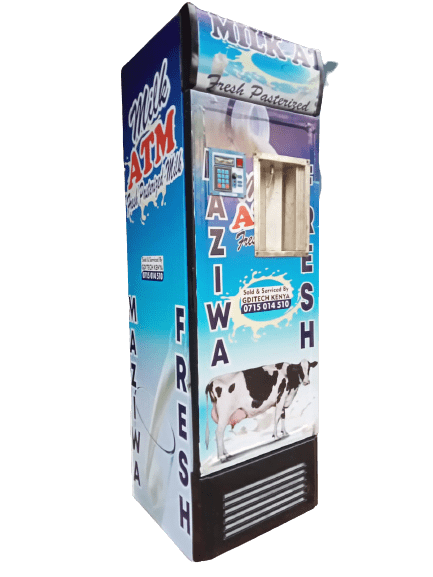 The dairy industry in Kenya continues experiencing robust growth. Urban consumers increasingly demand convenient access to fresh milk. This trend creates excellent opportunities for milk ATM entrepreneurs. We’ve witnessed countless success stories from business owners who started small.
Kenya’s milk consumption patterns favor convenient purchasing options. Urban dwellers appreciate 24-hour access to fresh products. Traditional shops often close early or lack refrigeration. Milk ATM machines bridge this critical gap effectively.
Consumer preferences increasingly favor hygienic milk dispensing systems. Modern buyers prioritize food safety over traditional methods. Automated vending eliminates human contamination risks during sales. This trend strongly supports milk ATM business viability.
Population growth in urban centers drives consistent demand. More families require daily fresh milk supplies. School feeding programs and coffee shops need reliable sources. These factors create sustainable customer bases for operators.
Profitability Analysis for Small Budgets
Profit margins in milk vending typically range 15-25%. Daily sales of 50-100 liters generate reasonable returns. Location quality directly impacts daily volume potential. Strategic positioning can double or triple earnings.
Operating costs remain relatively low for milk ATM businesses. Electricity consumption averages Ksh 200-500 monthly per machine. Regular cleaning supplies cost approximately Ksh 1,000 monthly. Staff requirements are minimal for automated operations.
Return on investment usually occurs within 12-18 months. Well-located machines recover initial costs faster than anticipated. Reinvesting profits enables business expansion and additional machines. We’ve observed successful scaling strategies among clients.
Start a Milk ATM Business in Kenya With Less Than 150,000 Shillings: Comprehensive Business Planning for Milk ATM Ventures
Market Research Fundamentals
Thorough market research forms the foundation of success. We recommend visiting potential locations at different times. Observe foot traffic patterns during morning and evening hours. Weekend activity levels often differ from weekdays significantly.
Competition analysis reveals pricing strategies and service gaps. Document existing milk vendors and their operating schedules. Identify underserved areas with high population density. These insights guide optimal positioning decisions for maximum profitability.
Customer demographics influence product preferences and pricing sensitivity. Residential areas favor family-sized quantities and competitive pricing. Commercial zones may support premium pricing for convenience. Understanding your target market enables strategic business positioning.
Seasonal demand variations affect inventory planning and cash flow. School holidays typically reduce daytime sales volumes. Religious seasons may increase household milk consumption. Planning for these cycles prevents stock shortages and waste.
Budget Allocation Strategy 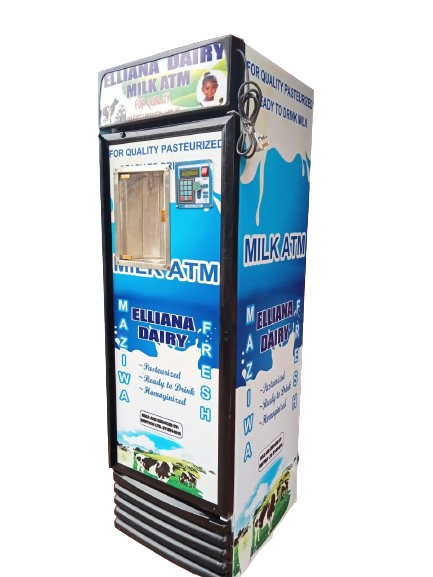
Effective budget distribution maximizes business setup success rates. We recommend allocating 70% for equipment procurement from reputable manufacturers. Location setup and renovation should consume approximately 20%. Reserve 15% for initial stock and operating expenses.
Machine quality significantly impacts long-term operational costs. Investing in KDB-approved milk dispensers ensures regulatory compliance. Cheaper alternatives often require frequent repairs and replacement. Quality machines from established manufacturers offer better warranties.
Location costs vary significantly across different areas. Prime locations command higher rental fees but generate superior sales. Evaluate rental costs against projected daily sales volumes. Calculate break-even points before committing to agreements.
Working capital requirements include milk procurement and operational expenses. Maintain sufficient funds for 2-3 weeks of operations. This buffer prevents cash flow disruptions during slow periods. Emergency funds enable swift problem resolution when needed.
Start a Milk ATM Business in Kenya With Less Than 150,000 Shillings: Legal and Regulatory Requirements
Business Registration Process
Proper business registration establishes legal operating foundation. Register your milk ATM business with relevant county authorities. Choose appropriate business structures like sole proprietorship or partnership. Complete registration typically takes 3-5 business days.
Obtain a certificate of incorporation from county government offices. This document enables bank account opening and manufacturer relationships. Keep original certificates secure and maintain multiple copies. Registration fees typically range Ksh 2,000-5,000 depending on location.
Tax compliance includes obtaining KRA PIN and VAT registration. Small businesses may qualify for reduced tax rates. Consult tax advisors for optimal structuring strategies. Proper documentation prevents future compliance issues with authorities.
Kenya Dairy Board Licensing
KDB licensing ensures milk quality standards and consumer protection. Submit online applications through the official KDB portal. Required documents include business registration and premises details. Application processing typically takes 10-14 working days.
Premises inspection covers hygiene standards and equipment compliance. Ensure adequate ventilation and proper drainage systems. Install appropriate lighting and maintain clean surroundings. Inspectors verify machine specifications and safety features.
Annual license renewal maintains legal operating status. Renewal fees vary based on machine capacity and location. Early renewal prevents operational disruptions and penalties. Maintain good relationships with KDB officials for smooth processes.
Food handling certificates are mandatory for all staff members. Training programs cover hygiene practices and safety protocols. Certificate validity periods require periodic renewal and updates. Invest in proper staff training for regulatory compliance.
County Government Business Permits
Single Business Permits streamline local government compliance requirements. These permits replace multiple previous licensing requirements. Application processes vary across different county governments. Budget approximately Ksh 5,000-15,000 for permit acquisition.
Health department approvals cover sanitation and food safety standards. Regular inspections ensure ongoing compliance with health regulations. Maintain detailed cleaning logs and maintenance records. Cooperation with health officials builds positive working relationships.
Start a Milk ATM Business in Kenya With Less Than 150,000 Shillings: Equipment Sourcing and Selection
 Choosing the Right Milk ATM Machine
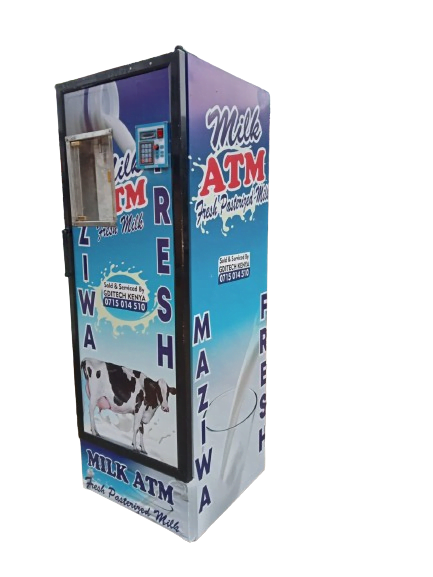
Milk ATM machine capacity selection depends on projected daily sales volumes. Smaller machines (50-100 liters) suit residential area operations. Larger capacity units serve high-traffic commercial locations effectively. Assess location potential before finalizing capacity decisions.
KDB approval ensures equipment meets national quality standards. Approved dairy milk dispensers display certification labels and compliance documentation. Non-approved equipment faces rejection during licensing inspections. Investment in certified machines prevents costly replacement requirements.
Technology features impact operational efficiency and customer experience. Digital payment systems attract tech-savvy urban consumers increasingly. Temperature monitoring ensures consistent milk quality throughout operations. User-friendly interfaces reduce customer confusion and complaints.
Warranty coverage protects investments against dairy milk dispenser failures. Comprehensive warranties include parts, labor, and technical support. Extended warranty options provide additional peace of mind. Evaluate warranty terms before finalizing purchase agreements carefully.
Manufacturer Evaluation Criteria
Manufacturer reputation directly impacts equipment reliability and support quality. Research manufacturer track records and customer testimonials thoroughly. Established manufacturers offer better technical support and spare parts. New manufacturers may lack necessary experience and resources.
Technical support availability ensures rapid problem resolution capabilities. Local manufacturers provide faster response times for repairs. Remote support options enable quick troubleshooting without site visits. Evaluate support structures before committing to manufacturer relationships.
Pricing transparency prevents hidden costs and surprise expenses. Request detailed quotations including installation and training costs. Compare total ownership costs rather than initial prices. Factor maintenance expenses into long-term budget planning processes.
Training programs ensure proper equipment operation and maintenance. Comprehensive training reduces operational errors and equipment damage. Ongoing support helps operators maximize machine performance efficiently. Quality training investments pay dividends through reduced problems.
Start a Milk ATM Business in Kenya With Less Than 150,000 Shillings: Milk Supply Chain Management
Sourcing Quality Pasteurized Milk
Reliable milk manufacturers form the backbone of successful operations. Establish relationships with KDB-licensed dairy processors for compliance. Quality manufacturers maintain consistent supply chains and competitive pricing. Diversify manufacturer relationships to prevent supply disruptions unexpectedly.
Pasteurization requirements ensure consumer safety and regulatory compliance. Raw milk sales through ATM machines violate KDB regulations. Pasteurized milk offers longer shelf life and reduced spoilage. Quality pasteurization processes preserve nutritional value and taste.
Supply agreements should specify quality standards and delivery schedules. Fixed pricing arrangements protect against volatile market fluctuations. Flexible quantity adjustments accommodate seasonal demand variations. Clear agreements prevent misunderstandings and supply disruptions.
Quality testing protocols ensure consistent product standards throughout operations. Regular testing identifies potential contamination or quality issues. Documentation maintains traceability for regulatory compliance purposes. Invest in basic testing equipment for daily monitoring.
Inventory Management Systems
Effective inventory management minimizes waste and maximizes profitability margins. Track daily sales patterns to optimize ordering schedules. Avoid overstocking during low-demand periods to reduce spoilage. Maintain adequate safety stock for unexpected demand spikes.
First-in-first-out (FIFO) rotation prevents expired product sales. Implement clear labeling systems for production date tracking. Regular inventory audits identify slow-moving or damaged stock. Proper rotation practices maintain product freshness consistently.
Demand forecasting improves ordering accuracy and reduces waste. Analyze historical sales data to identify consumption patterns. Adjust inventory levels for seasonal variations and special events. Accurate forecasting prevents stockouts during peak demand periods.
Spoilage monitoring identifies operational inefficiencies requiring attention. Track waste percentages against industry benchmarks regularly. Investigate unusual spoilage patterns for underlying causes immediately. Minimize waste through proper handling and temperature control.
Start a Milk ATM Business in Kenya With Less Than 150,000 Shillings: Location Strategy and Setup
Site Selection Criteria
High foot traffic locations generate consistent daily sales volumes. Monitor pedestrian patterns during different times and days. Peak traffic periods should align with target customer schedules. Document traffic counts for objective location comparisons.
Accessibility factors include parking availability and public transport proximity. Customers prefer convenient locations for regular milk purchases. Consider elderly and disabled customer accessibility requirements carefully. Easy access encourages repeat visits and customer loyalty.
Visibility from main roads attracts passing customers effectively. Strategic signage placement maximizes brand exposure and recognition. Well-lit locations operate safely during evening and early morning. Visibility improvements justify higher rental costs through increased sales.
Competition proximity influences customer acquisition and pricing strategies. Avoid oversaturated markets with multiple existing vendors nearby. Identify underserved areas with unmet demand for opportunities. Competitive analysis guides positioning and service differentiation strategies.
 Premises Preparation
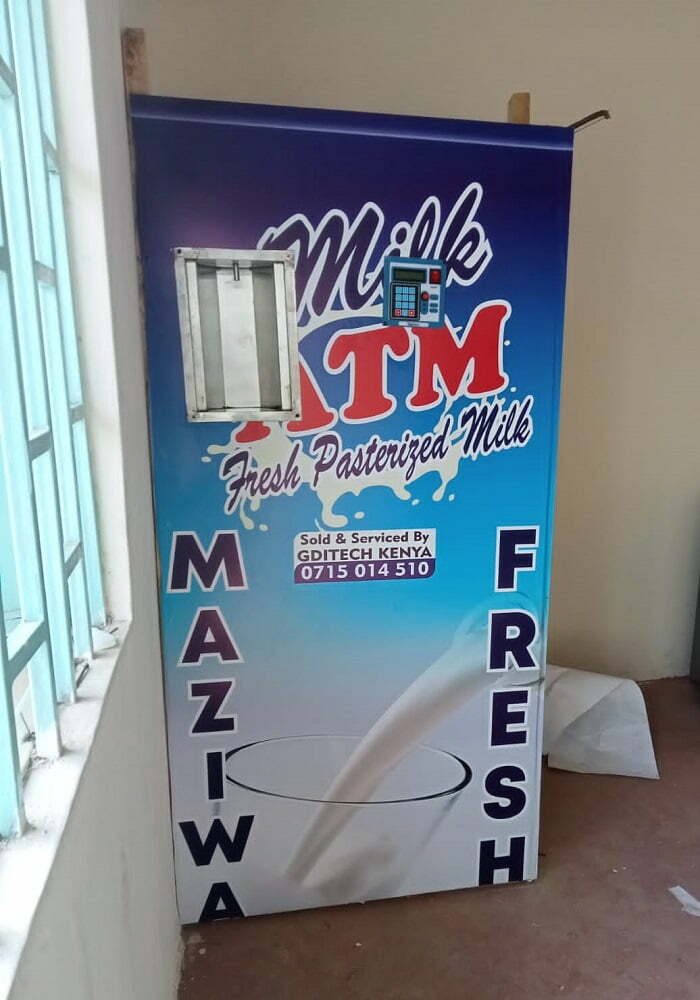
Hygiene standards compliance ensures regulatory approval and customer confidence. Install proper drainage systems for cleaning and maintenance activities. Adequate ventilation prevents condensation and maintains air quality. Smooth, washable surfaces facilitate regular cleaning and sanitization.
Electrical requirements include stable power supply and backup options. Voltage fluctuations damage sensitive electronic components in machines. Install surge protection devices to prevent electrical damage. Backup power ensures continuous operations during outages.
Security measures protect valuable equipment and inventory investments. Install proper lighting and surveillance systems for deterrence. Secure storage areas prevent theft and unauthorized access. Insurance coverage provides financial protection against losses.
Storage facilities accommodate inventory and cleaning supplies safely. Refrigerated storage maintains milk quality before machine loading. Separate areas for cleaning chemicals prevent contamination risks. Organized storage improves operational efficiency and safety.
Start a Milk ATM Business in Kenya With Less Than 150,000 Shillings: Operations Management
Daily Operations Procedures
Systematic daily routines ensure consistent service quality and compliance. Begin each day with thorough machine cleaning and sanitization. Check temperature readings and product quality before opening. Document all maintenance activities for regulatory requirements.
Customer service excellence builds loyalty and encourages recommendations. Train staff in proper hygiene practices and customer interaction. Maintain professional appearance and courteous service standards consistently. Address customer complaints promptly and professionally to retain business.
Quality control procedures prevent contaminated or substandard product sales. Test milk temperature and appearance before machine loading. Monitor expiration dates and remove expired products immediately. Maintain detailed records for traceability and compliance purposes.
Cash management systems protect revenue and ensure accurate accounting. Implement secure collection procedures for coin-operated machines. Digital payment systems reduce theft risks and improve tracking. Regular revenue reconciliation identifies discrepancies requiring investigation.
Maintenance and Hygiene Standards
Regular cleaning schedules maintain equipment performance and regulatory compliance. Daily cleaning includes external surfaces and customer contact points. Weekly deep cleaning covers internal components and refrigeration systems. Monthly professional servicing ensures optimal equipment performance.
Preventive maintenance reduces costly breakdowns and service interruptions. Regular component inspections identify wear patterns requiring attention. Lubrication schedules keep mechanical components operating smoothly. Filter replacements maintain product quality and system efficiency.
Documentation requirements include cleaning logs and maintenance records. Regulatory inspections review documentation for compliance verification. Detailed records demonstrate commitment to quality and safety. Proper documentation supports warranty claims when needed.
Emergency procedures minimize downtime during equipment failures. Maintain emergency contact lists for manufacturers and technicians. Stock essential spare parts for common repair requirements. Quick response protocols prevent extended service disruptions.
Start a Milk ATM Business in Kenya With Less Than 150,000 Shillings: Pricing Strategy Development
Competitive Pricing Analysis
Market research reveals prevailing milk prices across different channels. Compare ATM prices with traditional shops and supermarkets. Premium pricing strategies work in convenient, high-traffic locations. Competitive pricing attracts price-sensitive customers in residential areas.
Value proposition development justifies pricing to target customers. Convenience, freshness, and hygiene command premium pricing potentially. 24-hour availability provides significant value for busy customers. Emphasize unique benefits that traditional vendors cannot match.
Promotional strategies attract new customers and encourage trial purchases. Introductory discounts build initial customer bases quickly. Loyalty programs reward regular customers with special pricing. Seasonal promotions boost sales during typically slow periods.
Price adjustment flexibility enables response to market changes. Monitor competitor pricing changes and market conditions regularly. Adjust prices gradually to avoid customer shock and rejection. Document price changes and their impact on sales volumes.
Start a Milk ATM Business in Kenya With Less Than 150,000 Shillings: Marketing and Customer Acquisition
Brand Development Strategy
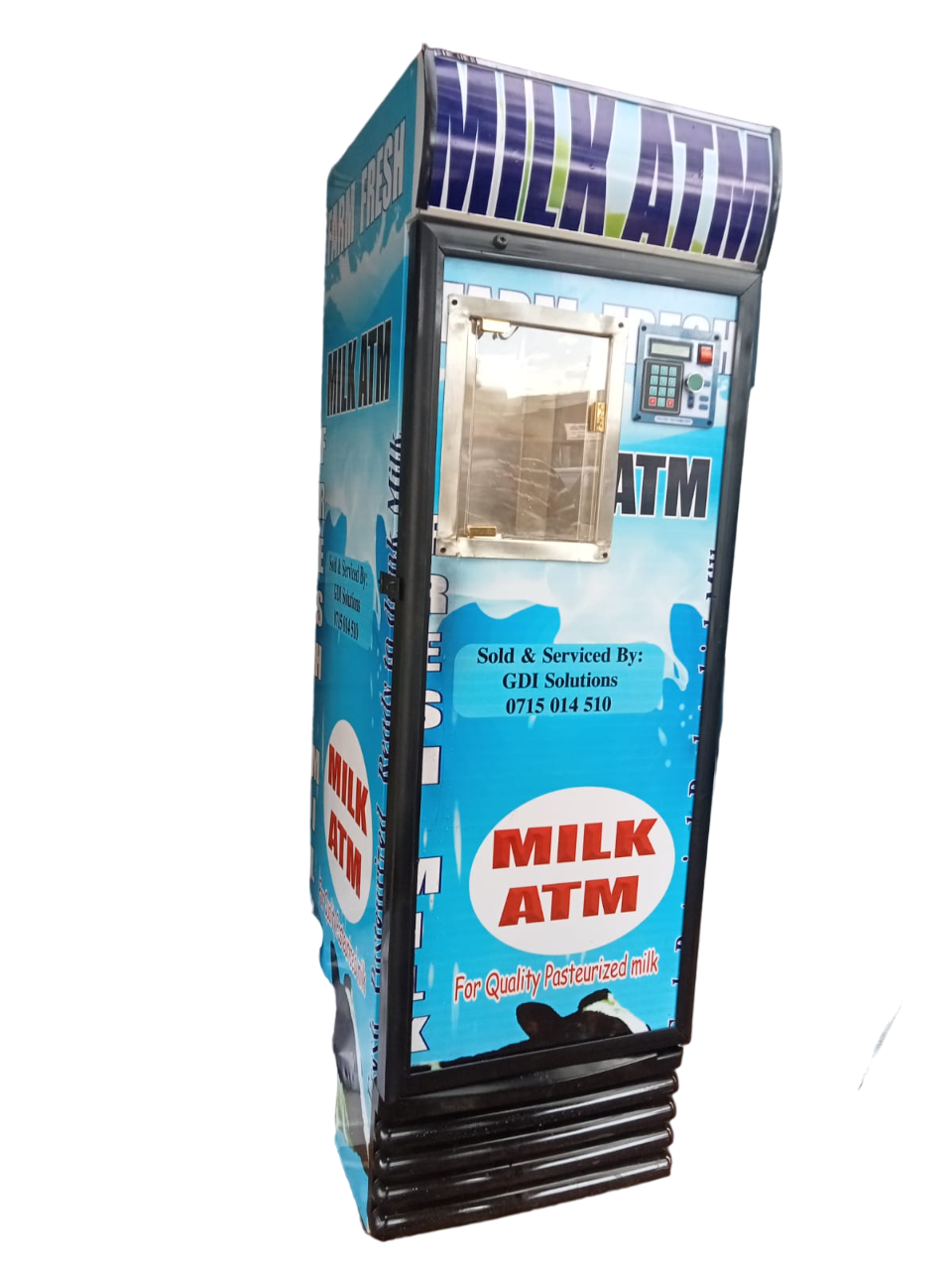 Strong brand identity differentiates your business from competitors effectively. Develop memorable logos and consistent visual elements throughout operations. Professional branding conveys quality and reliability to potential customers. Invest in quality signage that reflects your brand values.
Local community engagement builds brand recognition and customer loyalty. Participate in community events and local business associations. Sponsor local sports teams or community initiatives for visibility. Community involvement creates positive brand associations and goodwill.
Digital presence expansion reaches modern consumers effectively through online channels. Create business profiles on Google My Business and social media. Share customer testimonials and success stories for credibility. Online visibility helps customers find your location easily.
Customer education programs highlight milk quality and convenience benefits. Explain pasteurization processes and nutritional value to customers. Demonstrate machine operation and payment methods for user confidence. Educated customers become advocates for your business naturally.
Start a Milk ATM Business in Kenya With Less Than 150,000 Shillings: Scaling and Growth Opportunities
Business Expansion Planning
Performance monitoring identifies successful strategies for replication elsewhere. Track key metrics including daily sales and customer growth. Analyze location performance to identify successful positioning factors. Document best practices for application in new locations.
Market analysis reveals opportunities for additional machine placement. Identify underserved areas with similar demographics to current success. Evaluate competition levels and market saturation carefully before expansion. New locations should complement existing operations rather than cannibalize.
Financing options for expansion include retained earnings and external funding. Reinvest profits systematically to fund growth initiatives sustainably. Bank loans provide capital for rapid expansion when appropriate. Equipment financing options reduce initial capital requirements for machines.
Partnership opportunities accelerate growth through shared resources and expertise. Collaborate with other entrepreneurs for bulk purchasing power. Partner with established businesses for strategic location access. Franchise opportunities may provide expansion models in the future.
Start a Milk ATM Business in Kenya With Less Than 150,000 Shillings: Financial Management and Record Keeping
Cash Flow Management
Daily cash collection procedures ensure secure revenue handling and accurate accounting. Count and record all cash transactions systematically. Deposit collections regularly to minimize theft risks. Maintain detailed transaction logs for reconciliation purposes.
Expense tracking systems monitor operational costs and identify optimization opportunities. Categorize expenses for better analysis and budgeting accuracy. Track variable costs against sales volumes for margin analysis. Regular expense reviews identify unnecessary spending and efficiency improvements.
Seasonal budgeting accommodates demand fluctuations throughout the year. Plan for reduced sales during school holidays and economic downturns. Build cash reserves during peak periods for slow season survival. Flexible budgeting enables adaptation to changing market conditions.
Emergency fund maintenance provides financial stability during unexpected challenges. Maintain 3-6 months of operating expenses in reserve funds. Emergency funds enable equipment repairs without operational disruption. Financial stability supports long-term business sustainability and growth.
Start a Milk ATM Business in Kenya With Less Than 150,000 Shillings: Conclusion
Building Your Milk ATM Success Story
 Successfully launching a milk ATM business with less than 150,000 shillings requires strategic planning and execution. Focus on securing reliable, high-quality pasteurized milk supply from licensed processors. Strategic location selection in high-traffic areas drives consistent daily sales and profitability.
Obtaining necessary licenses from the Kenya Dairy Board ensures regulatory compliance and consumer trust. County government permits provide legal operating authority within your jurisdiction. Complete licensing processes before equipment installation to prevent operational delays.
Finding affordable, KDB-approved machines maximizes budget efficiency without compromising quality. Vinsol offers excellent milk ATM solutions starting from Ksh 70,000 with comprehensive support. Quality equipment investments pay dividends through reliable operations and customer satisfaction.
Careful operational cost management maintains profitability throughout business operations. Monitor daily expenses and optimize purchasing agreements with manufacturers regularly. Effective inventory management minimizes waste and maximizes profit margins consistently.
Strategic marketing builds customer awareness and establishes loyal customer bases. Community engagement and excellent service create positive word-of-mouth advertising naturally. Consistent quality and reliable service encourage repeat purchases and referrals.
Growth opportunities emerge through reinvestment and strategic expansion planning. Scale operations gradually while maintaining service quality standards throughout growth. Multiple locations create diversified income streams and increased market presence.
We believe that if you apply the above guide on how to start a milk ATM business in Kenya with less than 150,000 shillings, you will be on your way to success.
Transform Your Entrepreneurial Dreams with Vinsol Milk ATMs
Ready to launch your profitable milk ATM business journey today? Vinsol provides comprehensive solutions for aspiring dairy entrepreneurs nationwide. Our KDB-approved milk dispensing machines start at just Ksh 70,000, making entry affordable for budget-conscious entrepreneurs.
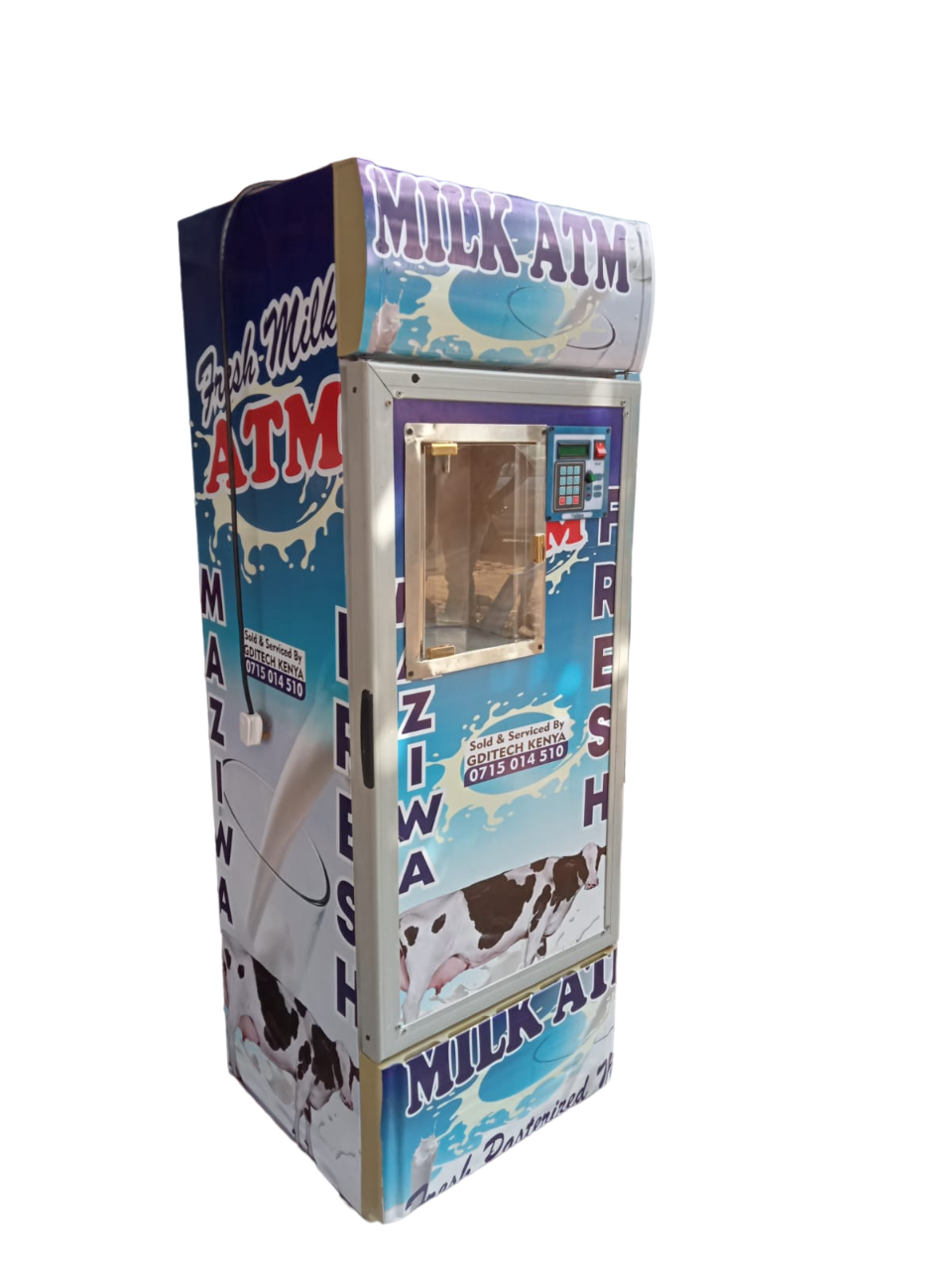 Here are five compelling reasons to choose Vinsol for your milk ATM investment:
- Unmatched Affordability and Quality Our milk ATM machines offer exceptional value without compromising essential features. Starting at Ksh 70,000, our machines fit perfectly within your Ksh 150,000 budget. Quality components ensure reliable operations and minimal maintenance requirements long-term. Competitive pricing enables faster return on investment and business profitability.
- Comprehensive Technical Support and Training Vinsol provides thorough training programs covering operation, maintenance, and troubleshooting procedures. Our technical support team offers prompt assistance for operational challenges. Local support presence ensures rapid response times for repairs and maintenance. Ongoing support relationships help maximize equipment performance and longevity.
- KDB Compliance and Certification All Vinsol Milk ATM machines meet Kenya Dairy Board standards and regulations. KDB approval ensures smooth licensing processes and regulatory compliance. Certified equipment prevents costly rejections during government inspections. Compliance assurance provides peace of mind and operational confidence.
- Proven Track Record of Success Hundreds of satisfied customers operate successful businesses using Vinsol equipment. Documented success stories demonstrate real-world performance and profitability potential. Customer testimonials verify equipment reliability and support quality consistently. Proven results reduce investment risks and increase success probability.
- Complete Business Setup Assistance Beyond equipment supply, we provide comprehensive business setup guidance. Our team assists with licensing procedures and regulatory compliance requirements. Location selection advice helps identify optimal positioning for maximum profitability. End-to-end support ensures successful business launch and operations.
Contact Vinsol today to buy your milk ATM
Contact Vinsol today to begin your milk ATM business journey. Our expert team stands ready to transform your entrepreneurial vision into profitable reality. Don’t let this opportunity pass by while competitors establish market presence. Start building your financial independence through dairy entrepreneurship now.
Contact us via
- Call/WhatsApp Us: +254 715 01 45 10
- Email: inquiries@vinsol.co.ke | info@vinsol.co.ke
- Contact Form: Visit our website (vinsol.co.ke) and fill out the contact form.
- Visit Our Branches:
- Ruiru Branch: Next to Total Petrol Station – Kihunguro, Ruiru
- Eldoret Branch: Rehema Complex, opposite Japara Ltd., along Oloo Street, Eldoret.
References
- Kenya Dairy Board. “Milk Dispenser Licensing Requirements.” Kenya Dairy Board. Accessed September 2, 2025. https://www.kdb.co.ke/licensing/
- Ministry of Agriculture, Livestock, Fisheries and Cooperatives. “Dairy Industry Development in Kenya.” Government of Kenya. Accessed September 2, 2025. https://www.agriculture.go.ke/
- Central Bank of Kenya. “Small and Medium Enterprise Survey.” CBK Economic Review. Accessed September 2, 2025. https://www.centralbank.go.ke/
- Kenya National Bureau of Statistics. “Economic Survey 2024.” KNBS Publications. Accessed September 2, 2025. https://www.knbs.or.ke/
- International Finance Corporation. “Dairy Development in Kenya.” IFC Country Reports. Accessed September 2, 2025. https://www.ifc.org/kenya-dairy
- “Start a Successful Milk ATM Business in Kenya.” Company Resources. Accessed September 2, 2025. https://Vinsol.com/how-to-start-a-successful-milk-atm-business-in-kenya