

Description
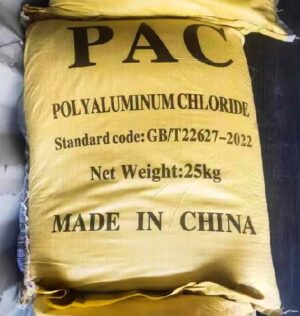
Flocculant– Aluminium Sulphate & PAC Pool Clarifier
Product Data
| Attribute | Verified Information |
| Product Name | Flocculant |
| Chemical Category | Flocculant / Coagulant / Clarifier |
| Active Ingredient | Aluminium Sulphate Al₂(SO₄)₃ (granular form) OR Poly Aluminium Chloride (PAC) — liquid or powder form |
| Chemical Formula | Al₂(SO₄)₃ (aluminium sulphate); [Al₂(OH)ₙCl₆₋ₙ]ₘ (PAC) |
| Alternative Names | Pool Floc; Settling Agent; Coagulant; Alum; Aluminium Sulfate; Polymer Flocculant |
| Primary Purpose | Causes fine suspended particles (colloidal matter, dead algae, debris) to coagulate and flocculate into larger masses that settle to the pool floor or are trapped in the filter, dramatically clearing cloudy or heavily discoloured water. |
| Typical Usage | Recovery of severely cloudy or green pools; post-algae-kill clearing; commercial pools with heavy bather load; pools with poor filtration efficiency |
Flocculant – Aluminium Sulphate & PAC Pool Clarifier
Product Overview
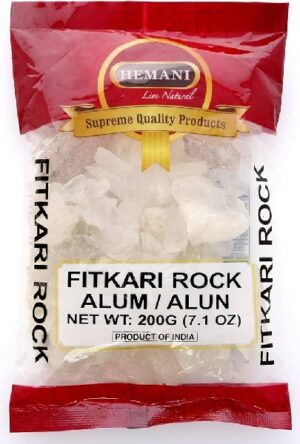
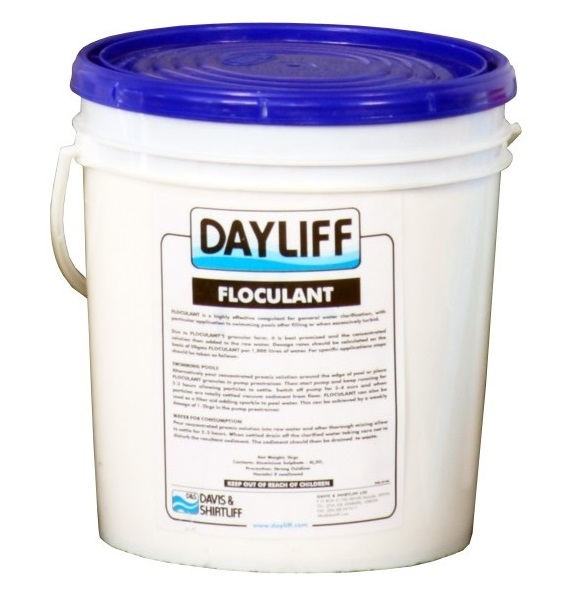 Flocculant is a pool water treatment chemical used to clear severely cloudy or discoloured water by causing fine suspended particles to coagulate and settle. It is available in two primary formulations: granular Aluminium Sulphate (Al₂(SO₄)₃), also known as alum, and liquid or powder Poly Aluminium Chloride (PAC).
Aluminium Sulphate in water hydrolyses to form positively charged aluminium hydroxide colloids (Al(OH)₃) that attract negatively charged fine suspended particles and colloids in pool water. This causes them to bind together (coagulate) into larger, denser masses (flocs) that sink to the pool floor. PAC operates on the same principle but at a wider pH range and with less pH impact.
Flocculant is a heavy-duty treatment for severely cloudy or green pools that normal filtration cannot resolve. It is particularly effective for post-algae-kill clearing, commercial pools with heavy bather loads, and pools with poor filtration efficiency.
Important Note: After flocculant treatment, always vacuum settled material to ‘Waste’ — do not backwash through filter media, as this reintroduces the collected particles.
How It Works
Flocculant works through a process of coagulation and flocculation, which causes fine suspended particles to aggregate into larger masses that can be removed.
The flocculation process for Aluminium Sulphate involves:
- Hydrolysis – Al₂(SO₄)₃ hydrolyses in water to form positively charged aluminium hydroxide colloids (Al(OH)₃)
- Charge neutralisation – Positively charged colloids attract negatively charged fine suspended particles and colloids
- Coagulation – Particles bind together (coagulate) into larger masses
- Flocculation – Coagulated particles aggregate into larger, denser flocs
- Settling – Flocs sink to the pool floor due to increased density
The process for PAC involves:
- Direct coagulation – PAC provides pre-formed aluminium polymers that immediately coagulate suspended particles
- Wider pH range – PAC operates effectively across a broader pH range than aluminium sulphate
- Less pH impact – PAC is generally more pH-neutral than aluminium sulphate
Both mechanisms achieve the same result: clearing heavily turbid water by removing suspended particles that normal filtration cannot capture.
Why It Matters 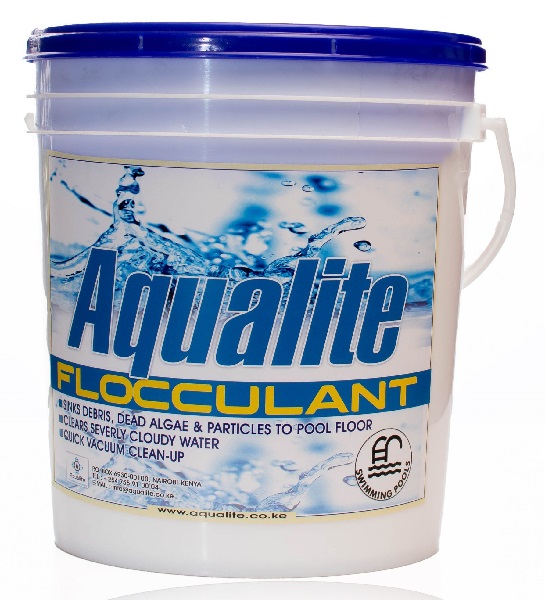
- Water clarity is essential for swimmer confidence and pool aesthetics. Flocculant provides a rapid solution for severely cloudy or green water that normal filtration cannot resolve.
- Post-algae recovery requires effective particle removal. After algae treatment, dead algae cells remain suspended in the water, causing persistent cloudiness. Flocculant removes these cells, restoring water clarity.
- Commercial pool recovery is often time-critical. For hotels, resorts, and public pools, cloudy water means lost revenue and dissatisfied guests. Flocculant provides rapid results (12–24 hours) for emergency recovery.
- Filtration efficiency can be overwhelmed by heavy particulate loads. Flocculant reduces the burden on filtration systems by removing particles before they reach the filter.
- Cost-effective treatment for severely cloudy water. Flocculant is an affordable solution compared to repeated filtration or draining and refilling.
Key Benefits
- Highly Effective for Clearing Severely Cloudy Water
Flocculant resolves cloudiness that normal filtration cannot address, providing dramatic results in 12–24 hours. - Cost-Effective
Flocculant is an economical solution for severe water clarity issues compared to water replacement or extended filtration. - Widely Available
Available from multiple pool chemical and water treatment distributors in both granular (aluminium sulphate) and liquid/powder (PAC) formulations. - Rapid Results
The coagulation and settling process typically takes 12–24 hours, providing fast restoration of water clarity. - Reduces Filtration Burden
By removing particles before they reach the filter, flocculant reduces filter cleaning frequency and extends filter media life. - Effective for Post-Algae Recovery
Removes dead algae cells that remain suspended after algae treatment, completing the recovery process.
Problem-Solution Table
| Problem | Likely Cause | How Flocculant Helps | Expected Outcome |
| Heavily cloudy water | Fine particulate suspension | Coagulates and settles particles | Clear water within 12–24 hours |
| Green water after algae treatment | Dead algae cells in suspension | Removes suspended algae cells | Crystal-clear water |
| Turbid water not clearing through filtration | Particles too fine for filter media | Aggregates particles for removal | Effective particle removal |
| Poor filtration efficiency | Heavy particulate load | Reduces burden on filtration system | Improved filtration performance |
| Commercial pool recovery | Time-critical clarity restoration | Rapid 12–24 hour recovery | Minimised downtime |
Dosage & Application Guidance
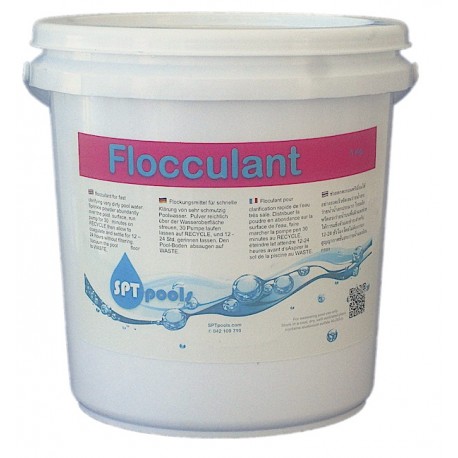 Dosage requirements vary depending on manufacturer specifications, pool volume, contaminant load, water chemistry, bather load, environmental conditions, and treatment objectives. Always follow product label instructions and professional water test results.
Based on the reference guide, typical guidance includes:
- General guidance: 250–500 g per 10,000 litres for heavy flocculation
- Method: Broadcast granular flocculant over pool surface
- Filter setting: Set to ‘Recirculate’ (bypass filter media) or sand filter to very slow circulation
- Settling time: Allow 12–24 hours for particles to settle
- CRITICAL: Vacuum settled floc to ‘Waste’ — do not backwash into filter
Important: After flocculation, vacuum to ‘Waste’ setting to avoid reintroducing particles. The pool must be taken out of normal service during treatment.
Water Balance Reference Table
The values below represent general swimming pool industry guidance and are not specifications of the product described on this page. Actual operating targets may vary depending on local regulations, pool type, water source, equipment design, and operating objectives.
| Parameter | Recommended Range | Notes |
| pH | 7.2–7.6 | Aluminium sulphate is acidic — recheck after treatment |
| Total Alkalinity | 80–120 mg/L | Flocculant affects alkalinity — recheck after treatment |
| Free Chlorine | 1.0–3.0 mg/L | Normal chlorine levels before treatment |
Step-by-Step Application Guide
Before Treatment:
- Test pool water for pH and total alkalinity
- Ensure chlorine levels are normal (1.0–3.0 mg/L)
- Brush pool walls and floor to loosen attached algae or debris
- Calculate required dosage based on pool volume
- Gather required PPE: gloves, safety goggles
During Treatment:
- Broadcast granular flocculant over the pool surface evenly
- Set filter to ‘Recirculate’ (bypass filter media) or run sand filter at very slow circulation
- Allow 12–24 hours for particles to settle
- Do not swim during treatment
After Treatment:
- Vacuum settled floc to ‘Waste’ — DO NOT backwash into filter
- Refill pool with fresh water if significant water was lost
- Recheck pH and alkalinity — flocculant is acidic and will lower both
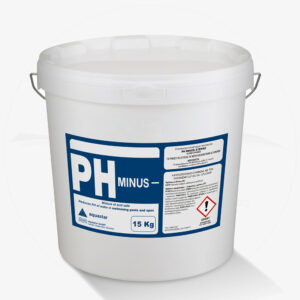
- Adjust pH and alkalinity as needed using pH Plus and pH Plus Super
- Resume normal filtration
Troubleshooting:
- Particles not settling: Check circulation — may need more time or additional flocculant
- Pool still cloudy after vacuuming: Repeat treatment if necessary
- pH too low: Use pH Plus to raise pH after treatment
- Alkalinity too low: Use pH Plus Super to restore alkalinity
Usage Guide for Kenya & East Africa Region
- Rainy Seasons
Kenya’s rainy seasons introduce organic debris and turbidity into pools. Flocculant is particularly valuable during these periods for restoring water clarity after heavy rainfall. - Post-Algae Treatment
During warm, rainy seasons, algae blooms are common. Flocculant is essential for removing dead algae cells after algaecide treatment. - Dust and Organic Contamination
Dust storms and wind-blown debris introduce fine particles that can cause persistent cloudiness. Flocculant removes these particles effectively. - Commercial Pool Recovery
Hotels and resorts in Kenya cannot afford downtime due to cloudy pools. Flocculant provides rapid recovery for commercial facilities. - Coastal Pools
Coastal areas experience high humidity and salt spray, which can affect water clarity. Flocculant is useful for periodic heavy clarification.
Commercial Applications
- Hotels, Resorts & Safari Lodges
Commercial pools occasionally experience severe cloudiness requiring emergency treatment. Flocculant provides rapid recovery to minimise guest disruption. - Schools & Universities
Educational facility pools may experience heavy use during events, requiring flocculant treatment for rapid clarity restoration. - Competition Pools & Public Pools
Municipal pools must maintain water clarity for regulatory compliance. Flocculant is used for periodic heavy clarification. - Waterparks
Waterparks with high bather loads experience heavy particulate contamination. Flocculant is used for periodic water clarity restoration.
Residential Applications
- Private Pools
Homeowners can use flocculant for severe cloudiness that normal filtration cannot resolve. Follow instructions carefully, especially vacuuming to waste. - Holiday Homes
Properties with intermittent occupancy may return to discover cloudy pools. Flocculant provides a rapid solution.
Safety & Handling
Storage Conditions
- Store in a cool, dry location
- Keep away from alkalis
- Granular: 2–3 years sealed; PAC liquid: 1–2 years
- No significant fire or explosion hazard
Personal Protective Equipment (PPE)
- Gloves
- Safety goggles
Mixing Precautions
- Avoid strong alkalis at high concentrations
- Do not add pH chemicals simultaneously during floc treatment
- Avoid inhalation of dust
Spill Response
- Sweep up dry product
- Rinse spill area with water
- Use appropriate PPE
First Aid
- Inhalation: Move to fresh air
- Skin contact: Wash with soap and water
- Eye contact: Rinse with water for at least 15 minutes
- Ingestion: Rinse mouth; seek medical attention
Important Safety Disclaimer
The safety information contained here is provided for general reference purposes only. Always refer to the official Safety Data Sheet (SDS) and Technical Data Sheet (TDS) provided by the product manufacturer before handling any chemical. Local health, safety, and environmental regulations must be observed at all times. The dosage guidance provided is indicative only — always test pool water and adjust dosages based on actual test results.
Product Comparison
| Feature | Flocculant (Aluminium Sulphate) | Flocculant (PAC) |
| Form | Granular solid | Liquid or powder |
| pH Impact | Acidic — lowers pH | More pH-neutral |
| Operating pH Range | Narrower | Wider |
| Action Speed | Slower | Faster |
| Best Application | Heavy-duty flocculation | All flocculation needs |
Cross-Selling Recommendations
- Algaecide
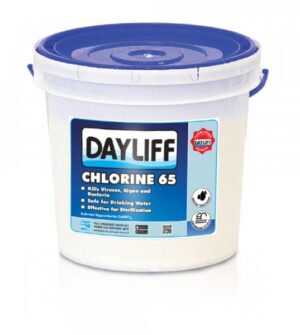
For green pool recovery, use algaecide first to kill algae, then flocculant to remove dead algae cells. - Chlorine 65% (Calcium Hypochlorite)
Shock treatment before flocculation oxidises organic contaminants, improving flocculant effectiveness. - pH Plus (Sodium Carbonate)
Flocculant is acidic and lowers pH. pH Plus restores pH after treatment. - pH Plus Super (Sodium Bicarbonate)
Flocculant affects alkalinity. pH Plus Super restores alkalinity after treatment.
FAQs- Flocculant
- What is Flocculant used for in swimming pools?
Flocculant is used to clear severely cloudy or green water by coagulating fine suspended particles so they settle to the pool floor. - How does Flocculant work?
Flocculant neutralises the electrical charge of suspended particles, causing them to aggregate into larger masses (flocs) that sink to the pool floor. - How long does Flocculant take to work?
Typically 12–24 hours for particles to settle. After settling, vacuum floc to waste. - Do I need to vacuum Flocculant?
After flocculant treatment, settled particles must be vacuumed to ‘Waste’ — do not backwash into the filter. - Is Flocculant the same as Clarifier?
Flocculant is a heavy-duty treatment for severely cloudy water. Clarifier is a milder treatment for minor cloudiness. - Does Flocculant affect pH?
Aluminium sulphate is acidic and will lower pool pH. Recheck and adjust pH after treatment. - Can I swim after adding Flocculant?
The pool should be taken out of service during flocculant treatment. Resume swimming after vacuuming and water balance correction.
Summary / Conclusion 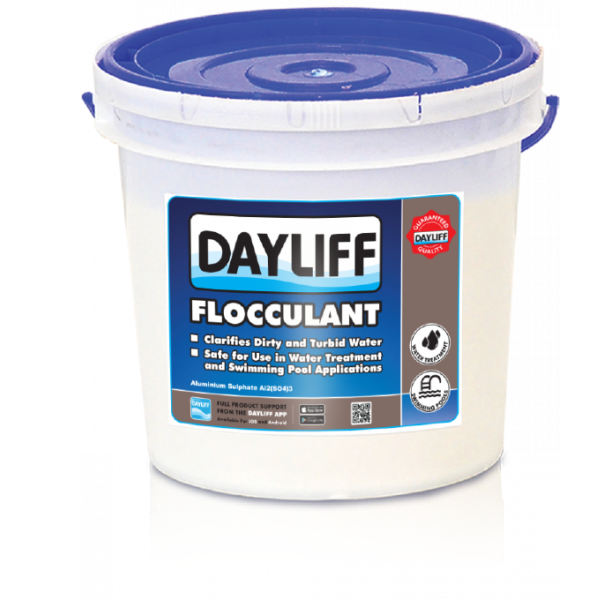
Flocculant is a pool water treatment chemical used to clear severely cloudy or green water by coagulating fine suspended particles so they settle to the pool floor. Available in granular Aluminium Sulphate (alum) or liquid/powder Poly Aluminium Chloride (PAC) formulations. Effective for post-algae recovery, commercial pool recovery, and pools with poor filtration efficiency. Requires vacuuming to waste after treatment — do not backwash into filter. Affects pH and alkalinity — recheck and adjust after treatment. Suitable for all pool types.
Need Flocculant for your pool or facility?
Vinsol Kenya is your trusted supplier of swimming pool chemicals and water treatment solutions across Kenya and East Africa. Whether you manage a hotel pool, school facility, waterpark, or residential pool, we have the products and technical expertise to keep your water crystal clear and safe.
Contact us today for bulk orders, commercial supply contracts, or expert technical advice.
- 📞 Call/WhatsApp: +254 715 01 45 10
- 📧 Email: inquiries@vinsol.co.ke | info@vinsol.co.ke
- 📍 Ruiru Branch: Next to Total Petrol Station – Kihunguro, Ruiru
- 📍 Eldoret Branch: Rehema Complex, opposite Japara Ltd., along Oloo Street, Eldoret
- 🕐 Working Hours: Mon – Sat 8:30AM – 5PM
References:
- Publisher Source: World Health Organization (WHO)
Article Title: Guidelines for Safe Recreational Water Environments, Vol. 2: Swimming Pools and Similar Environments
URL: https://www.who.int/publications/i/item/9241546808
Access Date: August 4, 2026 - Publisher Source: Centers for Disease Control and Prevention (CDC)
Article Title: Healthy Swimming: Pool Chemical Safety
URL: https://www.cdc.gov/healthywater/swimming/
Access Date: August 4, 2026 - Publisher Source: NSF International
Article Title: NSF/ANSI Standard 50: Equipment for Swimming Pools, Spas, Hot Tubs and Other Recreational Water Facilities
URL: https://blog.ansi.org/ansi/nsf-ansi-50-2025-equipment-swimming-pools/
Access Date: August 4, 2026 - Publisher Source: Pool Water Treatment Advisory Group (PWTAG)
Article Title: Swimming Pool Water: Treatment and Quality Standards for Pools and Spas
URL: https://www.pwtag.org/standards/
Access Date: August 4, 2026 - Publisher Source: American Chemical Society (ACS)
Article Title: The Chemistry of Swimming Pool Maintenance
URL: https://pubs.acs.org/doi/10.1021/ed084p1124
Access Date: August 4, 2026 - Publisher Source: PubChem (National Library of Medicine)
Article Title: Aluminium Sulphate – Compound Summary
URL: https://pubchem.ncbi.nlm.nih.gov/compound/Aluminum-sulfate
Access Date: August 4, 2026 - Publisher Source: International Organisation for Standardisation (ISO)
Article Title: ISO 15714: Method of Evaluating the UV Dose to Airborne Microorganisms
URL: https://www.iso.org/obp/ui/#iso:std:iso:15714:ed-1:v1:en:fig:1
Access Date: August 4, 2026


Reviews
There are no reviews yet.