

Description
Citric Membrane Cleaner– Pool Filter Descaler
Product Data
| Attribute | Verified Information |
| Product Name | Citric Membrane Cleaner |
| Chemical Category | Scale and Mineral Deposit Remover / Equipment Cleaner / Descaler |
| Active Ingredient | Citric Acid (C₆H₈O₇) |
| Chemical Formula | C₆H₈O₇ |
| Alternative Names | Citric Descaler; Citric Acid Cleaner; Descaler; Scale Remover; Limescale Remover; 2-Hydroxypropane-1,2,3-tricarboxylic Acid |
| Primary Purpose | Removal of calcium carbonate scale (limescale), mineral deposits, and metal oxides from pool filter membranes, heat exchangers, pipework, pool surfaces, and equipment. |
| Typical Usage | Filter cartridge descaling; membrane filter cleaning; heat exchanger descaling; pool equipment maintenance; pool surface acid washing; pipework descaling; spa jet cleaning |
Citric Membrane Cleaner – Scale & Mineral Deposit Remover
Product Overview
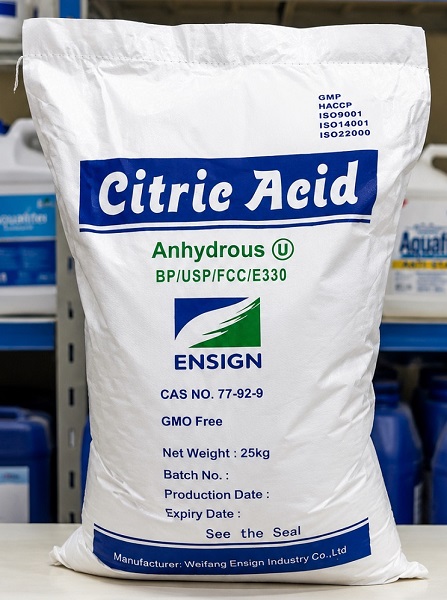 Citric Membrane Cleaner is a granular or powder descaling agent containing Citric Acid (C₆H₈O₇), a naturally occurring tricarboxylic acid found in citrus fruits. It is specifically designed for the removal of calcium carbonate scale (limescale), mineral deposits, and metal oxides from pool filter membranes, heat exchangers, pipework, pool surfaces, and equipment.
Citric Acid is a naturally occurring organic acid that dissolves calcium carbonate (CaCO₃) scale through an acid-base reaction, forming soluble calcium citrate, water, and CO₂. It also acts as a chelating agent for iron and other metal ions, making it effective for removing rust stains and mineral deposits. Its relatively mild pH (1.0–2.0 at 10% solution), biodegradability, and low toxicity make it preferred over mineral acids for equipment cleaning where operator safety and environmental considerations are priorities.
Citric Membrane Cleaner is specifically designed for equipment cleaning applications, not for active pool water treatment. After cleaning, thoroughly rinse equipment before returning to service to prevent introducing acid into pool water.
How It Works
Citric Membrane Cleaner works through two primary mechanisms: acid dissolution and chelation.
Acid Dissolution Mechanism:
- Acid-base reaction – Citric acid reacts with calcium carbonate (CaCO₃) scale
- Scale breakdown – Calcium carbonate is converted to soluble calcium citrate
- Gas release – Carbon dioxide (CO₂) is released as a by-product
- Water formation – Water is also produced in the reaction
- Mineral removal – Scale is dissolved and removed from surfaces
Chelation Mechanism:
- Metal binding – Citric acid forms stable complexes with metal ions (Fe²⁺, Fe³⁺, Ca²⁺)
- Soluble complexes – Metals are kept in solution, preventing redeposition
- Rust removal – Iron oxides are chelated and removed
- Stain prevention – Metals are prevented from precipitating onto surfaces
The relatively mild pH of citric acid (1.0–2.0 at 10% solution) makes it safer for equipment compared to strong mineral acids like hydrochloric acid, which can be aggressive and damaging.
Why It Matters
- Scale formation is a common problem in pool equipment. Calcium carbonate scale builds up on filter membranes, heat exchangers, and pipework, reducing efficiency and increasing energy costs. Citric Membrane Cleaner effectively removes this scale, restoring equipment performance.
- Filter efficiency is compromised when scale and mineral deposits accumulate on filter membranes. Scale blocks pores and reduces flow rates, requiring more frequent backwashing and reducing filtration effectiveness. Regular descaling with Citric Membrane Cleaner extends filter life and improves performance.
- Equipment longevity is extended through regular maintenance. Scale and mineral deposits can cause permanent damage to membranes and heat exchangers if left untreated. Citric Membrane Cleaner removes deposits before they cause irreversible damage.
- Heat exchanger efficiency is critical for pool heating. Scale acts as an insulator, reducing heat transfer and increasing energy costs. Descaling heat exchangers improves efficiency and reduces operating costs.
- Safety profile is superior to mineral acids. Citric acid is biodegradable, food-grade safe, and less hazardous to handle than hydrochloric or sulphuric acid.
Key Benefits 
- Effective Removal of Calcium Carbonate Scale
Citric Membrane Cleaner dissolves limescale and mineral deposits, restoring equipment efficiency and performance. - Biodegradable and Environmentally Friendly
Citric acid is a naturally occurring organic acid that is biodegradable, making it an environmentally responsible choice. - Food-Grade Safety Profile
Food-grade citric acid has low acute toxicity, making it safer to handle than mineral acids. - Mild Enough for Sensitive Equipment
Citric acid is less aggressive than mineral acids, making it suitable for equipment sensitive to strong acids. - Chelating Action for Rust and Metal Stains
Citric acid binds metal ions, removing rust stains and preventing redeposition. - Widely Available
Citric acid is available from multiple suppliers in food-grade and technical-grade formulations. - Cost-Effective Descaling Solution
Citric acid is an economical alternative to proprietary descaling chemicals.
Problem-Solution Table
| Problem | Likely Cause | How Citric Membrane Cleaner Helps | Expected Outcome |
| Reduced filter efficiency | Scale build-up on filter membranes | Dissolves scale, restores flow | Improved filtration |
| High energy costs | Scale on heat exchangers | Removes insulating scale layer | Improved heat transfer |
| Mineral-encrusted equipment | Hard water deposits | Dissolves mineral deposits | Clean equipment |
| Scale on pool surfaces | Calcium carbonate precipitation | Acid wash removes scale | Clean surfaces |
| Reduced pump performance | Scale in pipework | Removes scale from pipes | Restored flow rates |
| Rust stains on equipment | Iron oxide deposits | Chelates iron, removes rust | Stain-free equipment |
Dosage & Application Guidance
Dosage requirements vary depending on manufacturer specifications, equipment type, scale severity, and treatment objectives. Always follow product label instructions and professional equipment maintenance guidelines.
Based on the reference guide and industry guidance:
- Filter cartridge or membrane cleaning: Prepare 5–10% solution (50–100 g per litre of water)
- Soak time: 2–12 hours depending on scale severity
- Rinsing: Rinse thoroughly before returning to service
- Pool surface spot descaling: Prepare 10–20% solution, apply to affected area, allow contact time, brush and rinse
Important: Do not use in active pool water at significant concentrations without monitoring pH. Do not use on marble or natural stone pool surfaces (acid etching risk). Corrosive to some metals (copper, zinc) at high concentrations.
Water Balance Reference Table
The values below represent general swimming pool industry guidance and are not specifications of the product described on this page. Actual operating targets may vary depending on local regulations, pool type, water source, equipment design, and operating objectives.
| Parameter | Recommended Range | Notes |
| pH | 7.2–7.6 | Citric acid will lower pH if introduced to pool water |
| Total Alkalinity | 80–120 mg/L | Citric acid will reduce alkalinity if introduced |
| Calcium Hardness | 200–400 mg/L | Citric acid removes calcium scale |
Step-by-Step Application Guide
For Filter Cartridge or Membrane Cleaning:
Before Treatment:
- Remove filter cartridge or membrane from the system
- Inspect for visible scale and mineral deposits
- Prepare cleaning solution: 5–10% citric acid (50–100 g per litre of water)
- Use warm water for faster dissolution and better cleaning action
- Gather required PPE: gloves, safety goggles
During Treatment:
- Submerge the filter element in the citric acid solution
- Allow to soak for 2–12 hours depending on scale severity
- For heavy scale, extend soak time or use a higher concentration
- Agitate periodically to improve cleaning action
After Treatment:
- Remove from solution and rinse thoroughly with fresh water
- Inspect for remaining scale – repeat if necessary
- Rinse again thoroughly before returning to service
- Neutralise cleaning solution before disposal (if required)
For Heat Exchanger Descaling:
Before Treatment:
- Isolate the heat exchanger from the pool system
- Drain water from the heat exchanger
- Prepare cleaning solution: 5–10% citric acid
- Ensure compatibility with heat exchanger materials
During Treatment:
- Circulate the citric acid solution through the heat exchanger
- Allow contact time as recommended (typically 1–4 hours)
- Monitor pH of the cleaning solution – replace if depleted
After Treatment:
- Drain the citric acid solution
- Flush the heat exchanger thoroughly with fresh water
- Neutralise any residual acid before returning to service
Troubleshooting:
- Scale not dissolving: Increase concentration or soak time; use warm water
- Equipment damage: Ensure citric acid is compatible with materials; avoid copper and zinc at high concentrations
- Residue remaining: Repeat treatment or use mechanical cleaning assistance
- pH too low in pool: Ensure thorough rinsing to prevent acid introduction
Usage Guide for Kenya & East Africa Region
- Hard Water Areas
Many regions in Kenya have hard water with high calcium content, leading to scale build-up in pool equipment. Citric Membrane Cleaner is essential for maintaining equipment efficiency in these areas. - Borehole Water
Properties using borehole water often experience significant scaling due to high mineral content. Regular descaling with citric acid is recommended. - Hotel and Lodge Pools
Commercial facilities with high usage and large equipment benefit from regular descaling to maintain efficiency and reduce energy costs. - Coastal Pools
Coastal areas experience salt spray and mineral deposits that can accelerate scale formation. Citric Membrane Cleaner helps manage these challenges. - Solar Heating Systems
Pool solar heating systems are particularly susceptible to scale build-up. Regular descaling with citric acid maintains efficiency.
Commercial Applications
- Hotels, Resorts & Safari Lodges
Commercial pool equipment requires regular descaling to maintain efficiency and reduce energy costs. Citric Membrane Cleaner is an essential maintenance product. - Schools & Universities
Educational facilities with pool heating and filtration systems benefit from regular descaling. - Competition Pools & Public Pools
Municipal pools with large equipment require regular maintenance to meet operational standards. - Waterparks
Large water volumes and high usage create significant scaling challenges. Citric Membrane Cleaner provides effective descaling.
Residential Applications
- Private Pools
Homeowners can use Citric Membrane Cleaner for filter cartridge descaling and equipment maintenance. - Holiday Homes
Properties with intermittent use may experience scale build-up due to water stagnation. Citric acid provides effective descaling. - Apartment Complex Pools
Multi-unit residential complexes benefit from regular equipment maintenance using citric acid.
Safety & Handling
Storage Conditions
- Store in a cool, dry, sealed location away from moisture
- Citric acid is hygroscopic – keep sealed
- Shelf life: 2–3 years when stored dry and sealed
- No significant hazards
Personal Protective Equipment (PPE)
- Gloves
- Safety goggles when preparing solutions
Mixing Precautions
- Avoid mixing with strong oxidising agents (chlorine compounds) at high concentrations
- Do not use on marble or natural stone pool surfaces (acid etching risk)
- Corrosive to some metals (copper, zinc) at high concentrations
Spill Response
- Sweep up dry product
- Rinse spill area with water
- Use appropriate PPE
First Aid
- Inhalation: Move to fresh air
- Skin contact: Wash with soap and water
- Eye contact: Rinse with water for at least 15 minutes
- Ingestion: Rinse mouth; seek medical attention if large quantity ingested
Important Safety Disclaimer
The safety information contained here is provided for general reference purposes only. Always refer to the official Safety Data Sheet (SDS) and Technical Data Sheet (TDS) provided by the product manufacturer before handling any chemical. Local health, safety, and environmental regulations must be observed at all times. The dosage guidance provided is indicative only — always test pool water and adjust dosages based on actual test results.
Product Comparison
| Feature | Citric Membrane Cleaner | Hydrochloric Acid (HCl) |
| Active Ingredient | Citric Acid (C₆H₈O₇) | Hydrochloric Acid |
| Safety Profile | Food-grade, biodegradable | Highly corrosive, hazardous |
| Environmental Impact | Biodegradable | Requires careful disposal |
| Effectiveness | Effective, slower | Very effective, faster |
| Material Compatibility | Mild, suitable for sensitive equipment | Aggressive, can damage some materials |
Cross-Selling Recommendations
- pH Plus (Sodium Carbonate)
If citric acid is introduced to pool water, pH Plus raises pH back into range. - pH Plus Super (Sodium Bicarbonate)
Citric acid can reduce alkalinity if introduced. pH Plus Super restores alkalinity buffering. - Flocculant
For post-cleaning clarity, flocculant can assist in removing suspended particles. - Chlorine 65% (Calcium Hypochlorite)
After equipment cleaning, resume normal chlorination for sanitisation.
FAQs- Citric Membrane Cleaner – Scale & Mineral Deposit Remover
- What is Citric Membrane Cleaner used for?
Citric Membrane Cleaner is a descaling agent used to remove calcium carbonate scale, mineral deposits, and metal oxides from pool filter membranes, heat exchangers, and equipment. - How does Citric Membrane Cleaner work?
Citric acid dissolves calcium carbonate scale through an acid-base reaction, forming soluble calcium citrate. It also chelates metal ions, removing rust and preventing redeposition. - Is Citric Membrane Cleaner safe for pool equipment?
Yes, when used at recommended concentrations. Citric acid is milder than mineral acids and suitable for sensitive equipment like membranes and heat exchangers. - Can I use Citric Membrane Cleaner on marble surfaces?
Citric acid can etch natural stone surfaces like marble, travertine, and limestone. Use on appropriate surfaces only. - How long should I soak filters in citric acid?
Typically 2–12 hours depending on scale severity. Heavy scale may require longer soak times or higher concentrations. - Is Citric Membrane Cleaner environmentally friendly?
Citric acid is a naturally occurring organic acid that is biodegradable and has low environmental impact. - Can Citric Membrane Cleaner be used in active pool water?
Citric Membrane Cleaner is for equipment cleaning, not active pool water treatment. Rinse thoroughly before returning equipment to service.
Summary / Conclusion
Citric Membrane Cleaner is a descaling agent containing Citric Acid (C₆H₈O₇) used for removing calcium carbonate scale, mineral deposits, and metal oxides from pool filter membranes, heat exchangers, pipework, and equipment. It works through acid dissolution of scale and chelation of metal ions. Biodegradable and food-grade safe, it offers a safer alternative to mineral acids for equipment cleaning. Use 5–10% solutions for soaking filter cartridges or circulating through heat exchangers. Rinse thoroughly before returning to service. Not suitable for marble surfaces or active pool water treatment. Suitable for residential and commercial pool equipment maintenance.
Need Citric Membrane Cleaner for your pool or facility?
Vinsol Kenya is your trusted supplier of swimming pool chemicals and water treatment solutions across Kenya and East Africa. Whether you manage a hotel pool, school facility, waterpark, or residential pool, we have the products and technical expertise to keep your water crystal clear and safe.
Contact us today for bulk orders, commercial supply contracts, or expert technical advice.
- 📞 Call/WhatsApp: +254 715 01 45 10
- 📧 Email: inquiries@vinsol.co.ke | info@vinsol.co.ke
- 📍 Ruiru Branch: Next to Total Petrol Station – Kihunguro, Ruiru
- 📍 Eldoret Branch: Rehema Complex, opposite Japara Ltd., along Oloo Street, Eldoret
- 🕐 Working Hours: Mon – Sat 8:30AM – 5PM
References:
- Publisher Source: Kemco Systems
Article Title: SF5200 Citric Acid Membrane Cleaner – Membranes
URL: https://www.knowde.com
Access Date: August 5, 2026 - Publisher Source: International Products Corporation
Article Title: Membrane Cleaners: How To Choose the Proper One
URL: https://ipcol.com
Access Date: August 5, 2026 - Publisher Source: Pool and Spa Accessories
Article Title: Citric Clean 1kg – Product Page
URL: https://www.poolandspaaccessories.com.au
Access Date: August 5, 2026 - Publisher Source: World Health Organization (WHO)
Article Title: Guidelines for Safe Recreational Water Environments, Vol. 2: Swimming Pools and Similar Environments
URL: https://www.who.int/publications/i/item/9241546808
Access Date: August 5, 2026 - Publisher Source: Centers for Disease Control and Prevention (CDC)
Article Title: Healthy Swimming: Pool Chemical Safety
URL: https://www.cdc.gov/healthywater/swimming/
Access Date: August 5, 2026 - Publisher Source: American Chemical Society (ACS)
Article Title: The Chemistry of Swimming Pool Maintenance
URL: https://pubs.acs.org/doi/10.1021/ed084p1124
Access Date: August 5, 2026 - Publisher Source: PubChem (National Library of Medicine)
Article Title: Citric Acid – Compound Summary
URL: https://pubchem.ncbi.nlm.nih.gov/compound/Citric-acid
Access Date: August 5, 2026



Reviews
There are no reviews yet.