

Description
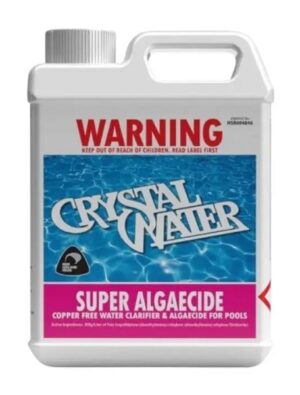
Algicide / Algicure– Pool Algaecide & Algae Inhibitor
Product Data
| Attribute | Verified Information |
| Product Name | Algicide / Algicure |
| Chemical Category | Algaecide / Algae Inhibitor |
| Active Ingredient | Quaternary Ammonium Compound (typically benzalkonium chloride or similar QAC) OR Polyquaternary Ammonium (Polyquat-60); formulation varies by product |
| Chemical Formula | Varies — QAC: R₄N⁺ (quaternary ammonium cation); Polyquat: polymeric chain |
| Alternative Names | Algaecide; Algae Killer; Algae Treatment; Anti-Algae; Green Pool Treatment |
| Primary Purpose | Prevention and treatment of algae growth in pool water. Effective against green, black, and mustard algae. |
| Typical Usage | Weekly preventative maintenance dosing; treatment of established algae growth; pools with low chlorine residuals; pools prone to algae in warm climates |
Algicide / Algicure – Pool Algaecide & Algae Inhibitor
Product Overview
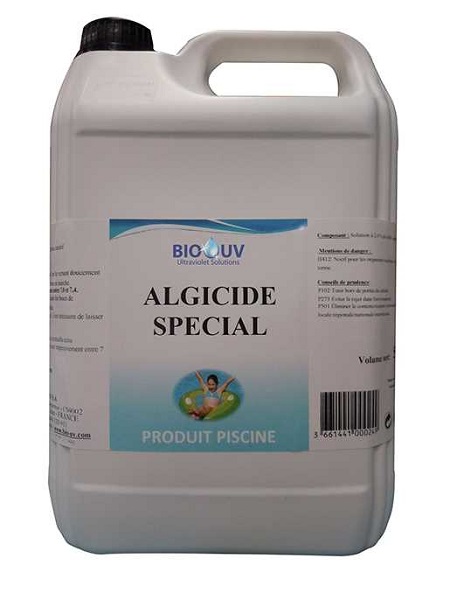 Algicide / Algicure is a liquid algaecide used for the prevention and treatment of algae growth in swimming pools. It is effective against green, black, and mustard algae, providing both curative treatment for established algae and preventative protection against future outbreaks.
The product is available in two primary formulations: Quaternary Ammonium Compounds (QACs) and Polyquaternary Ammonium (Polyquat). QACs are cationic surfactants that disrupt algal cell membrane integrity, causing leakage of cellular contents and algal death. Polyquat algaecides are polymeric variants that offer non-foaming behaviour and improved residual activity.
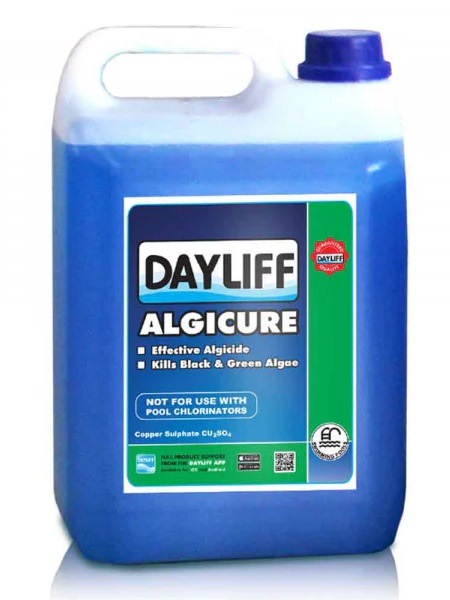
Algicure is specifically noted for the effective removal of algae growth, especially when established on pool walls and floor. It is available in 5-litre and 20-litre packs, making it suitable for both residential and commercial applications.
How It Works
Algicide works through different mechanisms depending on the active ingredient formulation.
Quaternary Ammonium Compounds (QACs) – Mechanism:
- Cell membrane disruption – QACs are cationic surfactants that bind to the negatively charged algal cell membrane
- Membrane integrity loss – The binding disrupts the cell membrane, causing leakage of cellular contents
- Cell death – Loss of essential cellular components leads to algal death
- Residual activity – QACs provide ongoing protection against new algae growth
Polyquaternary Ammonium (Polyquat) – Mechanism:
- Polymeric action – Polyquat is a polymeric cationic compound that provides non-foaming behaviour
- Cell membrane disruption – Similar to QACs, polyquat disrupts algal cell membranes
- Improved residual activity – Polymeric structure provides longer-lasting protection
- Non-foaming – Suitable for spas, waterfalls, and high-agitation environments
Both types work synergistically with chlorine — chlorine provides primary disinfection while algaecides provide sustained inhibition and act against chlorine-tolerant algae strains including black algae.
Why It Matters
- Algae prevention is essential for pool aesthetics and hygiene. Algae can turn pool water green, black, or yellow, making it unappealing and unsafe for swimming. Algicide provides reliable prevention against all common algae types.
- Chlorine demand reduction is a significant benefit. Algae consume chlorine, increasing the chemical demand on the pool’s sanitisation system. By preventing algae growth, algicide reduces chlorine consumption and extends the life of chlorine residuals.
- Post-algae treatment is often required when algae has already established. Algicide provides effective curative treatment, killing existing algae and preventing regrowth.
- Cost savings result from reduced chlorine consumption and fewer shock treatments. Algicide is a cost-effective investment in pool maintenance.
- Swimmer safety is protected. Some algae can harbour harmful bacteria, and algae blooms can create slippery surfaces that pose a safety hazard. Algicide keeps pool surfaces clean and safe.
Key Benefits
- Effective Against Multiple Algae Types
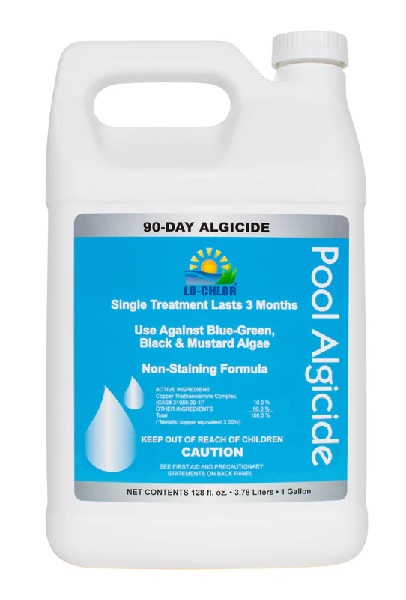
Algicide is effective against green algae (Chlorophyta), black spot algae, and mustard/yellow algae, providing comprehensive protection. - Non-Foaming Polyquat Formulations
Polyquat-based formulations are safe for spas and high-agitation environments, as they do not produce foam. - Provides Additional Protection Beyond Chlorine Alone
Algicide works synergistically with chlorine, providing sustained inhibition against chlorine-tolerant algae strains. - Residual Effect After Dosing
Algicide provides ongoing protection after dosing, preventing algae regrowth between maintenance visits. - Reduces Chlorine Demand
By preventing algae growth, algicide reduces the chlorine demand on the pool, saving chemical costs and reducing maintenance frequency. - Effective on Established Algae
Algicure is specifically formulated for the effective removal of algae growth, especially when established on pool walls and floor.
Problem-Solution Table
| Problem | Likely Cause | How Algicide Helps | Expected Outcome |
| Green pool water | Green algae (Chlorophyta) growth | Kills green algae and prevents regrowth | Clear, algae-free water |
| Black spot algae on walls and floor | Black algae establishment | Algicide penetrates and kills black algae | Algae-free surfaces |
| Mustard/yellow algae | Mustard algae growth | Effective treatment and prevention | Eliminated algae |
| Recurring algae despite chlorination | Chlorine-tolerant algae strains | Provides additional algae control | Long-term algae prevention |
| Algae-induced cloudy water | Algae bloom | Kills algae, restoring water clarity | Crystal-clear water |
| High chlorine consumption | Algae consuming chlorine | Reduces chlorine demand | Lower chemical costs |
Dosage & Application Guidance
Dosage requirements vary depending on manufacturer specifications, pool volume, contaminant load, water chemistry, bather load, environmental conditions, and treatment objectives. Always follow product label instructions and professional water test results.
Based on the reference guide, typical guidance includes:
- Preventative: 100–150 mL per 10,000 litres weekly
- Treatment (established algae): 250–500 mL per 10,000 litres, followed by superchlorination and filtration
- Method: Add directly to pool water with pump running
- Brushing: Brush pool surfaces before application
- Retest: Chlorine and pH after treatment
Important: Some QAC formulations may cause foaming in spa/high-agitation environments — use polyquat (non-foaming) formulations for spas.
Water Balance Reference Table
The values below represent general swimming pool industry guidance and are not specifications of the product described on this page. Actual operating targets may vary depending on local regulations, pool type, water source, equipment design, and operating objectives.
| Parameter | Recommended Range | Notes |
| Free Chlorine | 1.0–3.0 mg/L | Algicide works synergistically with chlorine |
| pH | 7.2–7.6 | Optimal pH for algicide effectiveness |
| Total Alkalinity | 80–120 mg/L | Provides pH buffering |
Step-by-Step Application Guide of Algicide / Algicure
 Before Treatment:
- Test pool water for pH and chlorine levels
- For established algae, brush pool walls and floor to loosen algae
- Ensure pH is within 7.2–7.6 range
- Calculate required dosage based on pool volume
- Gather required PPE: chemical-resistant gloves, safety goggles
During Treatment:
- Measure the required volume of algicide
- With the pool pump running, add algicide directly to the pool water
- For even distribution, pour slowly around the pool perimeter
- For established algae, follow with superchlorination (shock treatment)
- Allow the pump to run for at least 4–6 hours
After Treatment:
- Brush pool surfaces again to remove dead algae
- Retest chlorine and pH after 4–6 hours
- For preventative maintenance, repeat weekly dosing
- Continue normal filtration to remove dead algae cells
Troubleshooting:
- Algae not clearing: Increase dosage or repeat treatment; ensure brushing was thorough
- Foaming in spa: Switch to polyquat (non-foaming) formulation
- Algae returning quickly: Increase preventative dosing frequency; check chlorine levels
Usage Guide for Kenya & East Africa Region
- Warm Climate Algae Pressure
Kenya’s tropical climate creates ideal conditions for algae growth. Warm water temperatures and intense sunlight accelerate algae reproduction. Regular algicide use is essential for maintaining algae-free pools. - Rainy Seasons
During Kenya’s rainy seasons, increased organic matter and nutrient runoff can fuel algae growth. Increased algicide dosing may be required during these periods. - Hotel and Lodge Pools
Tourism facilities in Kenya and East Africa cannot afford green pools. Algicide provides reliable algae prevention, protecting guest satisfaction and facility reputation. - Coastal Pools
Coastal areas such as Mombasa experience high humidity and warm temperatures, which promote algae growth. Regular algicide use is essential for these pools. - Residential Pools
Homeowners benefit from weekly algicide dosing to prevent algae growth, reducing the need for frequent shock treatments.
Commercial Applications
- Hotels, Resorts & Safari Lodges
Commercial pools require reliable algae prevention to maintain guest satisfaction. Algicide provides consistent protection against all algae types. - Schools & Universities
Educational facility pools experience high usage and require effective algae control. Algicide is an essential maintenance chemical. - Competition Pools & Public Pools
Municipal pools must maintain water clarity for regulatory compliance. Algicide provides reliable algae prevention. - Waterparks
Waterparks with large water volumes and high bather loads are susceptible to algae growth. Algicide provides effective control.
Residential Applications
- Private Pools
Homeowners can use algicide for weekly preventative maintenance, keeping pools clear and algae-free. - Holiday Homes
Properties with intermittent occupancy benefit from algicide’s residual protection, preventing algae growth during unoccupied periods. - Apartment Complex Pools
Multi-unit residential complexes benefit from the cost-effectiveness and reliability of algicide.
Safety & Handling
Storage Conditions
- Store in a cool, dark location
- Keep away from extreme temperatures
- Store in original sealed HDPE container
- Shelf life: 1–3 years in original sealed container
Personal Protective Equipment (PPE)
- Chemical-resistant gloves
- Safety goggles
Mixing Precautions
- Certain QAC formulations may be deactivated by anionic surfactants
- Do not mix algaecide with other pool chemicals in the same container
Spill Response
- Contain spill; absorb with inert material
- Rinse area with water
- Use appropriate PPE
Environmental Considerations
- Toxic to aquatic organisms at high concentrations
- Do not discharge to waterways
- Follow local disposal regulations
First Aid
- Inhalation: Move to fresh air
- Skin contact: Wash with soap and water
- Eye contact: Rinse with water for at least 15 minutes; seek medical attention
- Ingestion: Do NOT induce vomiting; rinse mouth; seek immediate medical attention
Important Safety Disclaimer
The safety information contained here is provided for general reference purposes only. Always refer to the official Safety Data Sheet (SDS) and Technical Data Sheet (TDS) provided by the product manufacturer before handling any chemical. Local health, safety, and environmental regulations must be observed at all times. The dosage guidance provided is indicative only — always test pool water and adjust dosages based on actual test results.
Product Comparison
| Feature | Algicide (QAC) | Algicide (Polyquat) |
| Active Ingredient | Quaternary Ammonium Compound | Polyquaternary Ammonium |
| Foaming | May foam in high-agitation environments | Non-foaming |
| Best Application | General pool algae control | Spas, waterfalls, fountains |
| Residual Activity | Good | Improved |
Cross-Selling Recommendations
- Chlorine 65% (Calcium Hypochlorite)
For established algae, follow algicide treatment with superchlorination (shock treatment) to oxidise dead algae and restore water clarity. - Chlorine 90% (TCCA)
For continuous chlorination, use stabilised chlorine tablets to maintain consistent chlorine residuals that support algicide effectiveness. - Flocculant
For post-algae recovery, flocculant removes dead algae cells, accelerating water clarity restoration. - pH Plus (Sodium Carbonate)
Ensure pH is within 7.2–7.6 for optimal algicide effectiveness.
FAQs- Algicide/Algicure
- What is Algicide used for in swimming pools?
Algicide is a liquid algaecide used to prevent and treat algae growth in swimming pools, effective against green, black, and mustard algae. - How does Algicide work?
Algicide disrupts algal cell membranes, causing cell death. QAC formulations are cationic surfactants; polyquat formulations are polymeric cationic compounds. - How much Algicide should I add to my pool?
Preventative: 100–150 mL per 10,000 litres weekly. Treatment: 250–500 mL per 10,000 litres. Always test water and follow label instructions. - Is Algicide safe for swimmers?
Yes, when used at recommended dosages. Always follow label instructions and avoid swimming immediately after heavy dosing. - Does Algicide replace chlorine?
Algicide works synergistically with chlorine but does not replace it. Chlorine provides primary disinfection; algicide provides algae control. - What is the difference between QAC and Polyquat algicide?
QAC algicides may foam in high-agitation environments. Polyquat algicides are non-foaming and suitable for spas and fountains. - Can Algicide be used in saltwater pools?
Yes, algicide is compatible with saltwater pool systems. Confirm with product TDS for specific compatibility.
Summary / Conclusion
Algicide / Algicure is a liquid algaecide used for the prevention and treatment of algae growth in swimming pools. It is effective against green, black, and mustard algae, providing both curative treatment for established algae and preventative protection against future outbreaks. Available in QAC and polyquat formulations, with polyquat offering non-foaming behaviour suitable for spas and fountains. Algicide works synergistically with chlorine, reducing chlorine demand and providing sustained inhibition against chlorine-tolerant algae strains. Regular weekly dosing is recommended for preventative maintenance. Suitable for all pool types.
Need Algicide / Algicure for your pool or facility?
Vinsol Kenya is your trusted supplier of swimming pool chemicals and water treatment solutions across Kenya and East Africa. Whether you manage a hotel pool, school facility, waterpark, or residential pool, we have the products and technical expertise to keep your water crystal clear and safe.
Contact us today for bulk orders, commercial supply contracts, or expert technical advice.
- 📞 Call/WhatsApp: +254 715 01 45 10
- 📧 Email: inquiries@vinsol.co.ke | info@vinsol.co.ke
- 📍 Ruiru Branch: Next to Total Petrol Station – Kihunguro, Ruiru
- 📍 Eldoret Branch: Rehema Complex, opposite Japara Ltd., along Oloo Street, Eldoret
- 🕐 Working Hours: Mon – Sat 8:30AM – 5PM
References:
- Publisher Source: World Health Organization (WHO)
Article Title: Guidelines for Safe Recreational Water Environments, Vol. 2: Swimming Pools and Similar Environments
URL: https://www.who.int/publications/i/item/9241546808
Access Date: August 5, 2026 - Publisher Source: Centers for Disease Control and Prevention (CDC)
Article Title: Healthy Swimming: Pool Chemical Safety
URL: https://www.cdc.gov/healthywater/swimming/
Access Date: August 5, 2026 - Publisher Source: Davis & Shirtliff / Dayliff
Article Title: Dayliff Pool Chemicals – Algicure
URL: https://www.dayliff.com
Access Date: August 5, 2026 - Publisher Source: Pool Water Treatment Advisory Group (PWTAG)
Article Title: Swimming Pool Water: Treatment and Quality Standards for Pools and Spas
URL: https://www.pwtag.org/standards/
Access Date: August 5, 2026 - Publisher Source: American Chemical Society (ACS)
Article Title: The Chemistry of Swimming Pool Maintenance
URL: https://pubs.acs.org/doi/10.1021/ed084p1124
Access Date: August 5, 2026 - Publisher Source: Uzapal
Article Title: Algicure – 5ltr
URL: https://uzapal.co.ke
Access Date: August 5, 2026 - Publisher Source: Taylor Technologies
Article Title: Top Tips for an Algae-Free Pool
URL: https://taylortechnologies.com
Access Date: August 5, 2026


Reviews
There are no reviews yet.