Key Considerations for Selecting The Best Reverse Osmosis Water Purifiers In Kenya
Water purification encompasses a variety of techniques, each tailored to eliminate specific pollutants and suited for particular water sources. Among these, reverse osmosis and activated carbon filtration are versatile, targeting a broad spectrum of contaminants, while methods like desalination are specialized for extracting salt from seawater. Selecting an appropriate purification method is critical, depending on the contaminants in your water source, to ensure the water’s safety for drinking and other uses. Here, we delve into the key considerations for choosing the best reverse osmosis water purifiers in Kenya.
The Vital Role of Water in the Human Body
Water is essential for human life. Comprising a significant portion of our bodies, it is integral to numerous bodily functions, including temperature regulation, digestion, and the circulation of nutrients and waste. Humans can only survive a few days without water, compared to up to 21 days without food.
Understanding Reverse Osmosis and Its Functioning
Reverse osmosis is a filtration technique that employs a fine, semi-permeable membrane with minuscule pores. This membrane allows only water molecules to pass through, capturing larger particles and contaminants like dissolved salts (ions) and bacteria.
Operational Process of a Reverse Osmosis System
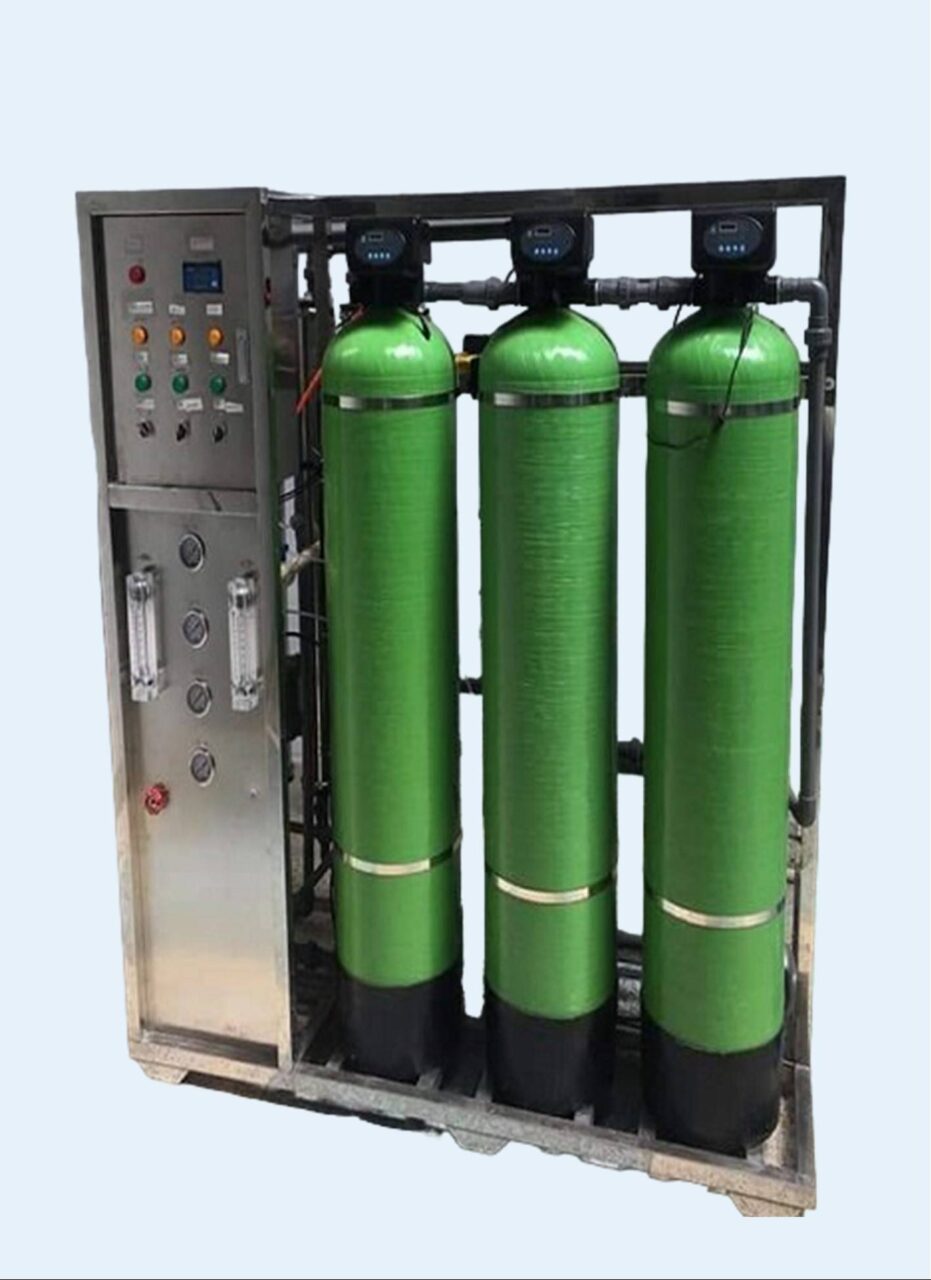 Reverse osmosis systems purify water by eradicating dissolved substances, pollutants, and other impurities. This multi-stage process includes prefiltration to remove sediment and chlorine, a reverse osmosis membrane to filter out minuscule particles, a storage tank for the clean water, and a postfilter to refine the water further before it’s dispensed.
The system initiates with prefiltration, removing sediment and chlorine. Next, the water is forced through the semi-permeable membrane, filtering out dissolved solids. A postfilter provides additional purification before the water is stored in a tank.
The stages of a reverse osmosis system typically include:
Reverse osmosis (RO) water purifiers utilize a multi-stage process to remove contaminants from your water supply, leaving you with cleaner, fresher drinking water. Here’s a breakdown of the core mechanism:
- Pre-filtration: The journey starts with pre-filtration stages that act like a security team. These filters typically include a sediment filter to remove sand, dirt, and rust particles, followed by one or two carbon filters. The first carbon filter tackles chlorine and other chemicals, while the second one (post-filter) polishes the water after the RO membrane for improved taste.
- Applying Pressure: Imagine pushing water through a very fine sieve. RO systems use a high-pressure pump to force water against a semipermeable membrane. This membrane has tiny pores that allow water molecules to pass through but block larger contaminants like dissolved salts, metals, and microorganisms.
- Separating the Pure Water: On the other side of the membrane, clean, filtered water emerges. This is your purified drinking water!
- Drainage for Impurities: The RO membrane also has a reject stream, which carries the filtered-out contaminants away from the purified water. This wastewater is typically drained down the sink.
- A postfilter to enhance the quality of drinking water before consumption.
Additional Considerations:
- Storage Tank (Optional): Many RO systems come with a storage tank to accumulate the purified water for convenient dispensing.
- Permeate Rate: This refers to the amount of purified water produced per unit time.
- Wastewater Ratio: The amount of wastewater produced compared to the amount of purified water. RO systems typically have a higher wastewater ratio, so it’s something to consider if water conservation is a priority.
The Advantages of Reverse Osmosis Systems
- Effective Filtration: Reverse osmosis systems offer comprehensive filtration capabilities that are unmatched by standard filters. They are engineered to eliminate a vast array of contaminants that commonly plague water sources. This includes heavy metals like lead and mercury, various salts that can cause hardness, and a plethora of microorganisms that could potentially lead to health issues. The meticulous process ensures that the water you consume is free from these unwanted elements, providing you with the peace of mind that comes from knowing your water is clean.
- Improved Taste: One of the most noticeable benefits of reverse osmosis filtration is the significant enhancement in the taste of drinking water. The removal of contaminants and impurities often responsible for unpleasant tastes and odors means that your water becomes not just safer but also more enjoyable to drink. Whether it’s for cooking, brewing coffee, or simply a refreshing glass of water, reverse osmosis ensures that the taste is pure and satisfying.
- Clearer Ice Cubes: The purity of water is not only important for consumption but also affects the quality of ice. With reverse osmosis systems, you can expect ice cubes that are crystal-clear and free from the cloudiness often caused by impurities in the water. These pristine ice cubes melt into equally pure water, ensuring that your beverages remain untainted by any contaminants that might have been present in the water before filtration.
- Environmental Friendliness: RO systems are a more sustainable option compared to bottled water. By reducing the reliance on plastic bottles, which are costly and environmentally damaging to produce and transport, RO systems help in minimizing plastic waste and the carbon footprint associated with bottled water production and distribution.
- Cost-Effectiveness: In the long run, using an RO system can be more economical than purchasing bottled water. After the initial investment in the system, the cost per gallon of RO water is significantly lower, offering savings over time.
- Health and Safety: RO water is safer for individuals with compromised immune systems, such as cancer patients, because it removes parasites and bacteria that can cause illness. Additionally, RO systems can reduce sodium levels in the water, which is beneficial for people on low-sodium diets.
- No Contaminants: The filtration process of RO systems is so thorough that it removes up to 98% of dissolved solids (TDS), ensuring that the water is free from pollutants and contaminants.
- Versatility: RO systems are versatile and can be used in various settings, including residential, commercial, and military applications. They are effective in treating water from different sources, including brackish, seawater, and wastewater.
- Removes Dissolved Substances: The semi-permeable membrane of RO systems can remove not only visible contaminants but also dissolved substances within the water, making it one of the most effective forms of water filtration available.
- Mineral Reintroduction: While RO systems remove beneficial minerals during filtration, many systems have the capability to reintroduce these minerals back into the water, ensuring that the water is not only pure but also mineral-rich.
These benefits highlight the comprehensive nature of RO systems in providing clean, safe, and healthy drinking water while also being a cost-effective and environmentally responsible choice.
By integrating a reverse osmosis system into your home or business, you’re not just investing in a product; you’re investing in the health and enjoyment of everyone who drinks from your water supply.
Things to Keep in Mind:
- Maintenance: RO systems require periodic replacement of pre-filters and the RO membrane itself to maintain optimal performance.
- Cost: The initial cost of an RO system can be higher than some other filtration methods.
- Water Usage: As mentioned earlier, RO systems have a higher wastewater ratio.
If you’re looking for a reliable way to achieve exceptionally clean drinking water and are comfortable with the maintenance and potential water usage, a reverse osmosis water purifier can be an excellent choice.
Reverse osmosis systems incorporate one or more of the following filters:
- Sediment filter: Captures particulates like dust, dirt, and rust.
- Carbon filter: Reduces chlorine levels and other substances causing odors or bad tastes.
- Semi-permeable membrane: Eliminates up to 98% of total dissolved solids (TDS).
Essential Criteria for Selecting The Best Reverse Osmosis Water Purifiers In Kenya
When it comes to ensuring the purity of your drinking water, understanding the factors that influence the choice of the best reverse osmosis water purifiers in Kenya is paramount. Here’s a guide to help you make an informed decision:
Evaluating the Best Reverse Osmosis Water Purifiers in Kenya: Key Factors to Consider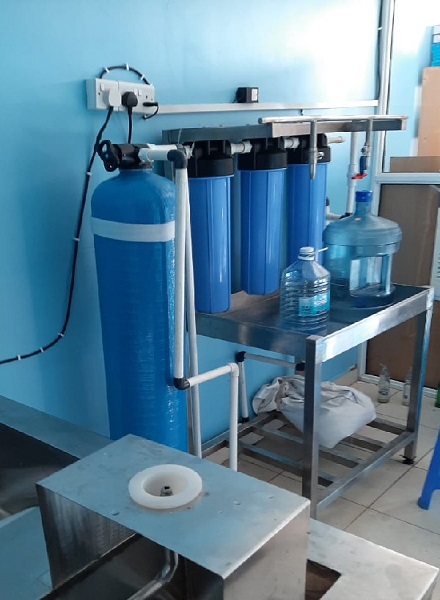
- Water Quality: Assess the source water’s quality to identify present contaminants. This insight is crucial for choosing the appropriate RO system.
- System Capacity: Gauge the volume of water purification needed and the number of users to determine the necessary storage tank size.
- Unit Size: Ensure the RO system’s dimensions are compatible with the allocated space.
- Investment Consideration: While cost is a significant factor, balance it with the system’s features and capabilities to find a value-for-money option.
- Maintenance Simplicity: Evaluate the ease of maintaining the RO system and the frequency of required upkeep.
- Brand Credibility: Opt for a brand with a solid reputation for delivering high-quality products.
- Warranty Assurance: A robust warranty can provide confidence and security in your investment.
Conclusion
Water’s indispensability to life underscores the necessity of clean, safe drinking water as a basic right. Reverse osmosis plays a crucial role in providing safe water, thereby curbing water-borne diseases. Reflect on the outlined factors to choose an RO purifier that meets your needs and guarantees pristine, safe drinking water.
Buy Top-Quality Reverse Osmosis Water Purifiers in Kenya From Vinsol
Searching where to buy the best reverse osmosis water purifiers in Kenya? Vinsol stands out as a premier provider of superior RO systems. Known for efficiency, longevity, and affordability, our purifiers are the ideal choice.