Table of Contents
- 1 Licences and Requirements for Starting Water Refill Business in Kenya
- 1.1 Licences and Requirements for Starting Water Refill Business in Kenya: Essential Licences and Permits Required
- 1.2 Water Source Permits and Environmental Compliance
- 1.3 Tips for Starting a Profitable Water Station Business in Kenya
- 1.4 Guidelines for Starting a Successful Water Vending Business in Kenya
- 1.5 Where to Buy High-Quality Water Station Machines in Kenya
- 1.5.1 Choosing the Right Equipment Supplier
- 1.5.2 Vinsol Water Station Machines and Equipment
- 1.5.3 Advantages of Choosing Vinsol Equipment
- 1.5.4 Licences and Requirements for Starting Water Refill Business in Kenya: Conclusion and Next Steps
- 1.5.5 Get in touch with us today if you are seeking to acquire the best water station machines in Kenya
Licences and Requirements for Starting Water Refill Business in Kenya
Over the years, the water refilling business has grown to become one of the most popular ventures in Kenya, especially in urban areas. With the business bringing modest returns to investors, many Kenyans have been rushing to set up water-refilling plants. This prompted the Kenya Bureau of Standards (KEBS) to prepare a detailed list of requirements and conditions entrepreneurs must fulfill before dipping their feet into the business.
As people who are in the business of manufacturing water vending machines in Kenya and have closely observed the water vending industry in Kenya, we can tell you that understanding what you need to start a water refill business in Kenya is crucial for success. The regulatory landscape has become more stringent over the years, and compliance is not optional. In this comprehensive guide, we’ll walk you through the essential licences and requirements for starting water refill business in Kenya, share practical tips for starting a profitable water station business in Kenya, and provide guidelines for starting a successful water vending business in Kenya.
Understanding the Legal Framework for Water Refill Business in Kenya
 Before diving into the specific requirements, it’s important to understand that Kenya’s water refilling industry operates under strict regulatory oversight. The government has implemented these measures to ensure public health safety and maintain quality standards across the industry. The regulatory framework involves multiple government agencies, each with specific roles in licensing and monitoring water refilling businesses.
The Kenya Bureau of Standards (KEBS) serves as the primary regulator for water quality standards, while county governments handle business licensing and permits. The Water Resource Management Authority (WARMA) oversees water abstraction permits, and the National Environment Management Authority (NEMA) ensures environmental compliance. Understanding this multi-layered regulatory structure is essential for any entrepreneur looking to enter the water refilling business. Each agency has specific timelines, fees, and documentation requirements that must be met before you can legally operate your water refilling business.
Licences and Requirements for Starting Water Refill Business in Kenya: Essential Licences and Permits Required
Business Registration and County Permits
The first step in establishing your water refilling business involves proper business registration and obtaining necessary county permits. You must register your business with the Registrar of Companies, choosing an appropriate business structure such as a sole proprietorship, partnership, or limited company. This registration provides your business with legal recognition and allows you to operate formally within Kenya’s business environment.
County business permits are mandatory for operating legally within your county’s jurisdiction. Each county has specific requirements and fee structures, so it’s essential to contact your local county government offices for detailed information. Some counties may also require additional trade licenses, particularly for businesses involved in food and beverage production. The county permit application process typically involves submitting business registration documents, proof of premises ownership or lease agreements, and payment of prescribed fees.
Health and Safety Certifications
Public health certificates represent one of the most critical requirements for water refilling businesses. These certificates, issued by approved government facilities under the Ministry of Health, ensure that your production facility meets stringent hygiene standards. The certification process involves inspection of your premises, evaluation of your water treatment processes, and assessment of your quality control measures.
Medical certificates for all staff members involved in water handling are mandatory. Each employee must obtain a medical certificate from government health facilities at a cost of approximately Ksh 700 per person. These certificates verify that your staff members are free from communicable diseases and are fit to handle food and beverages. The medical certificates must be renewed periodically, and maintaining current certificates for all staff is essential for continuous compliance.
KEBS Certification and Quality Standards
This certificate applies mostly to those businesses that bottle water for the market. The Kenya Bureau of Standards (KEBS) certification is perhaps the most rigorous requirement for water bottling businesses. KEBS requires you to submit water samples for testing to determine if your product meets safety standards for drinking water. This testing evaluates various parameters including chemical composition, bacterial content, and physical characteristics of your water.
After successful testing, you must demonstrate ongoing quality control by maintaining detailed quality records as per the signed scheme of supervision and control. KEBS also mandates that water bottling companies located in residential setups cannot be granted permits to use the standardization mark. Residential setups include buildings with residences on upper floors and business premises on ground level, so location selection is crucial for compliance.
The agency requires clear mechanisms for handling customer complaints and proof of regular plant cleaning and maintenance. Your facility must meet specific infrastructure standards, including stainless steel tables for production, first aid kits, foot baths for production areas, and hand washing facilities with soap, sanitizer, and drying facilities. These requirements ensure that your production environment maintains the highest hygiene standards.
Water Source Permits and Environmental Compliance
WARMA Water Abstraction Permits
If you’re not using municipal tap water for your refilling operations, you’ll need a water abstraction permit from the Water Resource Management Authority (WARMA). This permit is essential for businesses that source water from boreholes, rivers, or other natural water sources. The application process involves submitting detailed information about your water source, intended usage volumes, and environmental impact assessments.
WARMA evaluates each application based on water availability, environmental considerations, and potential impacts on other water users in the area. The permit specifies the maximum amount of water you can abstract and may include conditions for monitoring and reporting water usage. Compliance with WARMA requirements is crucial, as unauthorized water abstraction can result in significant penalties and business closure.
Environmental Impact Assessment and NEMA Compliance
Depending on your business scale and location, you may need to comply with National Environment Management Authority (NEMA) regulations. Large-scale water refilling operations often require Environmental Impact Assessments (EIA) to evaluate potential environmental effects. The EIA process involves studying your business’s impact on air quality, water resources, soil, and local ecosystems.
NEMA compliance also extends to waste management requirements. Water refilling businesses generate various types of waste, including used filters, chemical containers, and wastewater from cleaning operations. You must obtain appropriate waste management licenses and implement proper waste disposal procedures. Environmental compliance is not just a legal requirement but also demonstrates your commitment to sustainable business practices.
Tips for Starting a Profitable Water Station Business in Kenya
Location Selection and Market Analysis
Choosing the right location is crucial for the success of your water refilling business.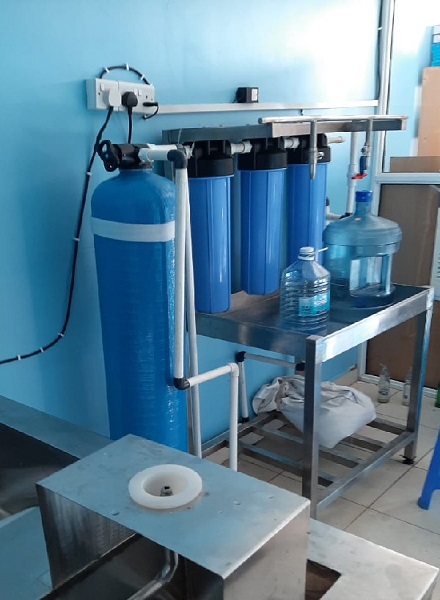 High-traffic areas with limited access to clean water typically offer the best opportunities for profitable operations. Consider locations near residential areas, schools, offices, and markets where there’s consistent demand for affordable clean water. Conduct thorough market research to understand local water consumption patterns, pricing expectations, and competition levels.
The proximity to your target market directly impacts your operational costs and customer convenience. Areas with unreliable municipal water supply or poor water quality often present excellent opportunities for water refilling businesses. However, ensure that your chosen location complies with KEBS requirements and local zoning regulations. Avoid residential buildings with mixed-use development, as these may not qualify for KEBS certification.
Equipment Selection and Quality Control
Investing in high-quality water station machines is essential for long-term success and compliance with regulatory requirements. Your equipment selection should prioritize reliability, efficiency, and the ability to meet KEBS water quality standards. Consider factors such as water source quality, expected daily production volumes, and maintenance requirements when choosing your equipment.
Quality control systems must be integrated into your operations from day one. Implement regular testing procedures, maintain detailed production records, and establish clear protocols for handling quality issues. Invest in proper storage solutions, including food-grade storage tanks and contamination prevention measures. Remember that consistent water quality is crucial for building customer trust and maintaining regulatory compliance.
Financial Planning and Cost Management
Starting a water refilling business requires significant initial investment in equipment, licensing, and infrastructure development. Develop a comprehensive business plan that includes detailed cost projections for equipment purchase, facility setup, licensing fees, and ongoing operational expenses. Consider factors such as electricity costs, water source expenses, labor costs, and maintenance requirements in your financial planning.
Revenue projections should be based on realistic market analysis and conservative growth assumptions. Factor in seasonal variations in demand, competition effects, and potential regulatory changes that might impact your business. Maintain adequate working capital to cover operational expenses during the initial months when your business is building its customer base.
Guidelines for Starting a Successful Water Vending Business in Kenya
Building Customer Trust and Brand Recognition
Success in the water vending business depends heavily on building customer trust and establishing strong brand recognition. Customers are increasingly conscious about water quality and safety, making transparency and quality assurance essential for business success. Implement visible quality control measures, maintain clean and professional facilities, and provide clear information about your water treatment processes.
Develop a customer service strategy that addresses inquiries, complaints, and feedback promptly and professionally. Consider implementing customer loyalty programs, bulk purchase discounts, and convenient payment options to enhance customer satisfaction. Social media presence and community engagement can significantly boost your brand recognition and customer base.
Operational Efficiency and Staff Training
 Efficient operations are crucial for maintaining profitability and ensuring consistent service quality. Develop standard operating procedures for all aspects of your business, including water treatment, quality testing, customer service, and facility maintenance. Train your staff thoroughly on these procedures, emphasizing the importance of hygiene, quality control, and customer service.
Regular staff training updates ensure that your team stays current with regulatory requirements, safety procedures, and best practices. Invest in ongoing professional development for key staff members, particularly those responsible for quality control and equipment maintenance. Well-trained staff contribute significantly to operational efficiency and customer satisfaction.
Technology Integration and Modern Solutions
Modern water vending businesses benefit significantly from technology integration. Consider implementing automated dispensing systems, digital payment options, and customer management software to streamline operations and improve customer experience. Vinsol water ATMs represent excellent examples of technology integration in the water vending industry, offering customers convenient, automated access to clean water.
Digital monitoring systems can help track water quality parameters, equipment performance, and customer usage patterns. This data provides valuable insights for business optimization and helps ensure consistent compliance with regulatory requirements. Technology integration also positions your business as modern and customer-focused, attracting tech-savvy consumers.
Where to Buy High-Quality Water Station Machines in Kenya
Choosing the Right Equipment Supplier
Selecting the right equipment supplier is crucial for your business success and long-term sustainability. When evaluating suppliers, consider factors such as equipment quality, warranty terms, after-sales support, and local service availability. Established suppliers with proven track records in the Kenyan market typically offer better support and more reliable equipment.
Vinsol has established itself as a leading supplier of high-quality water vending machines in Kenya.Our comprehensive range of equipment includes complete water station setups, automated water dispensers, storage tanks, and supporting infrastructure. The company’s commitment to quality and customer service makes them an excellent choice for entrepreneurs entering the water vending industry.
Vinsol Water Station Machines and Equipment
Vinsol offers a comprehensive range of water station equipment designed to meet the diverse needs of water refilling businesses. Our water station equipment includes complete setups with purification systems, storage tanks, and dispensing mechanisms capable of handling high-volume water sales. These systems are designed to meet KEBS requirements and provide consistent water quality for your customers.
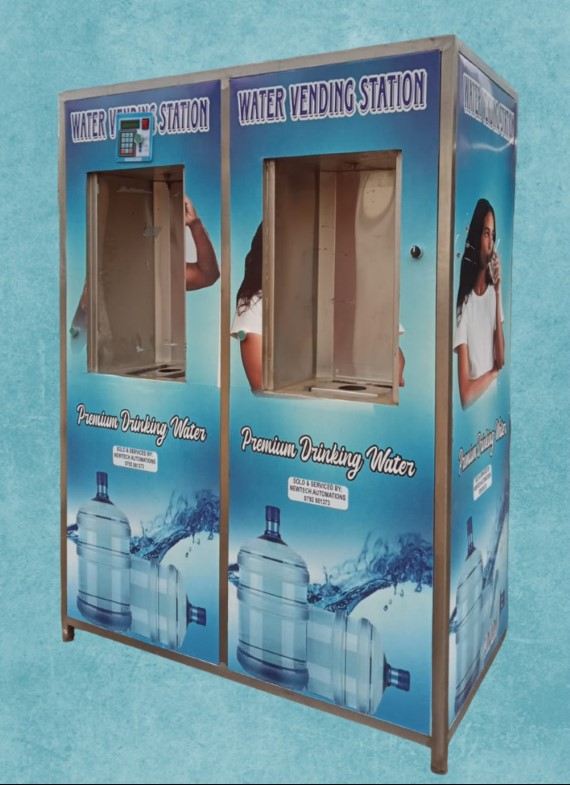
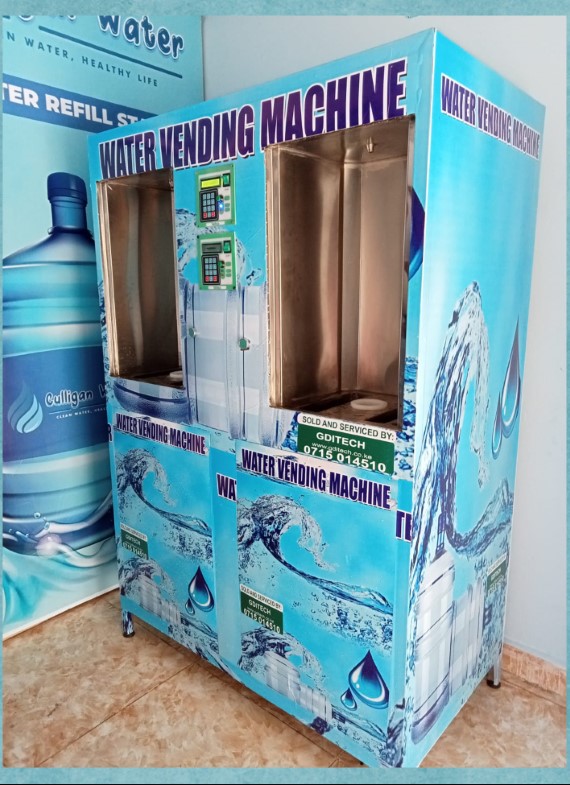
Vinsol water vending machines feature user-friendly designs that allow customers to dispense specific quantities based on their needs. This flexibility makes the service convenient and economical for customers while maximizing revenue potential for business owners. The automated systems reduce labor costs and minimize human error in the dispensing process.
The company also provides stainless steel storage tanks made from food-grade materials to ensure water remains fresh and uncontaminated. These tanks are designed to meet hygiene standards required by KEBS and other regulatory authorities. Additional equipment includes bottle rinsers for customer use, ensuring hygiene by allowing customers to clean their containers before refilling.
Advantages of Choosing Vinsol Equipment
We stand out in the market due to our comprehensive customer support and quality assurance programs. Every machine comes with a one-year warranty covering specific parts, giving customers confidence in their investment. The warranty terms are clearly outlined in documentation provided with the purchase receipt, ensuring transparency about coverage and terms.
We provides comprehensive after-sales support, prioritizing existing customers for repairs and servicing. This commitment to customer relationships extends beyond the initial sale, ensuring that your business operations remain smooth and efficient. Free installation and commissioning services ensure that your machine is set up properly and ready for immediate use.
Free delivery within Nairobi County makes it convenient for customers to receive their equipment, while affordable delivery rates are available for customers outside Nairobi. This nationwide service capability ensures that businesses throughout Kenya can access Vinsol’s high-quality equipment and support services.
Licences and Requirements for Starting Water Refill Business in Kenya: Conclusion and Next Steps
 Starting a water refilling business in Kenya requires careful planning, regulatory compliance, and investment in quality equipment. Understanding the licences and requirements for starting water refill business in Kenya is just the first step in your entrepreneurial journey. Success depends on thorough preparation, attention to quality standards, and commitment to customer satisfaction.
The water refilling industry in Kenya offers significant opportunities for entrepreneurs willing to invest in proper equipment and comply with regulatory requirements. By following the guidelines outlined in this comprehensive guide, you can establish a successful and profitable water vending business that serves your community while generating sustainable income.
Remember that regulatory compliance is not a one-time requirement but an ongoing commitment that requires continuous attention and investment. Stay updated with regulatory changes, maintain high-quality standards, and focus on building strong customer relationships. With the right approach and quality equipment from suppliers like Vinsol, your water refilling business can thrive in Kenya’s growing market.
Take the first step by contacting relevant regulatory authorities to understand specific requirements for your location and business scale. Develop a comprehensive business plan, secure necessary financing, and begin the licensing process early to ensure smooth business launch. Success in the water refilling industry requires patience, dedication, and commitment to excellence, but the rewards can be substantial for well-prepared entrepreneurs.
Get in touch with us today if you are seeking to acquire the best water station machines in Kenya
Ready to start your water refill business in Kenya? Contact Vinsol today to learn more about our high-quality water station machines and comprehensive support services. Our experienced team can help you choose the right equipment for your business needs and ensure successful implementation of your water vending venture.
Use any of the means below to contact us:
Call/WhatsApp Us: +254 715 01 45 10
Email: inquiries@vinsol.co.ke | info@vinsol.co.ke
Location: Next to Total Petrol Station- Kihunguro, Ruiru
Contact us form: You can also reach out to us by filling the contact us form.
Contact us through phone, WhatsApp, email, or our website’s contact form, or visit our workshop in Kihunguro, Ruiru, along Thika Super Highway, behind Shell Petrol Station. Our team is ready to help you choose the best water purification machine for your needs, ensuring clean, safe water wherever you are.
Let Vinsol equip your business with the best water station machines in Kenya, so you can confidently meet the demand for clean, safe drinking water.