Guidelines For Starting a Milk Vending Business with a Milk Dispenser in Kenya
Milk stands as a staple in Kenyan diets, boasting a consumption rate of 110 liters per capita annually, surpassing the African average of 50 liters. With Kenya’s population and income levels on an upward trajectory, the milk market is ripe with opportunity. This guide will navigate you through the process of starting a milk vending business with a milk dispenser in Kenya.
Access to fresh, affordable milk remains a challenge for many Kenyans, with a reliance on costlier, lower-quality processed options. Traditional vending methods, like cans or plastic containers, often fall short in maintaining milk quality.
Enter the milk vending machine, or milk ATM – an innovative solution allowing entrepreneurs to offer customers fresh, pasteurized milk. These automated dispensers facilitate purchases with cash or mobile money, dispensing milk directly into customers’ containers. The advantages are clear:
- Ensures the provision of fresh, superior, and reasonably priced milk
- Minimizes milk waste and spoilage
- Boosts customer convenience and access
- Raises the bar for hygiene and safety
- Creates avenues for income and job creation
For those eyeing the milk vending sector in Kenya for 2024, this guide is your starting block. We’ll cover essential steps and hurdles to consider for a triumphant launch of your milk vending business in 2024.
Embarking on Your Milk Vending Journey in Kenya – What we will cover in this guide:
 This comprehensive guide has walked you through the essential steps and considerations for launching a milk vending operation using a milk dispenser, including:
- Developing a Robust Business Plan
- Legal and Regulatory Compliance
- Location Analysis
- Supply Chain Management
- Equipment Setup and Maintenance
- Marketing Mastery:
- Risk Mitigation
- Business Growth
Step-by-Step Guide to Starting a Milk Vending Business with a Milk Dispenser in Kenya
Step 1: Crafting a Strategic Business Plan
The inaugural step for aspiring milk vending entrepreneurs is developing a strategic business plan. This crucial document will detail your business concept, objectives, methodologies, and financial forecasts. It’s the blueprint that will steer your business setup and operations, while also serving as a beacon to draw in investors and collaborators.
Step 2: Securing Legal Authorization for Your Milk Vending Business
To kickstart your milk vending business in 2024, the acquisition of the necessary permits and licenses is non-negotiable. This legal groundwork not only legitimizes your operation but also unlocks several advantages:
- Legal Operation: Ensures your business operates within the Kenyan legal framework.
- Banking Facilities: Facilitates the opening of a business bank account.
- Financial Support: Aids in securing loans and funding.
- Brand Protection: Safeguards your business name and brand identity.
- Reputation Building: Establishes your business’s credibility.
Steps to Legal Compliance:
- Business Registration: Register your enterprise with the appropriate authorities to obtain a certificate of registration and a PIN.
- Business Permit: Acquire a single business permit from local county offices, with fees varying based on business size and location.
- Trade License: Secure a trade license from the Kenya Dairy Board, adhering to industry standards for quality and safety. Checkout the required documents and the procedure for applying for the milk dispenser licence.
- Health Certification: Obtain a public health certificate from the Ministry of Health, ensuring compliance with health regulations.
Step 3: Choosing a Prime Location for Your Milk Vending Business
The success of your milk vending business is heavily influenced by its location. A strategic location enhances customer access, visibility, and operational efficiency. Being close to your target market ensures better customer service, faster delivery times, and enhanced customer satisfaction.
Factors to Consider:
- Customer Proximity: Select a location near your target market’s frequent spots.
- Market Analysis: Opt for an area with manageable competition and a growing customer base.
- Product Alignment: Ensure the location aligns with the nature and quality of your offerings.
- Budgetary Constraints: Pick a location that aligns with your financial and operational resources.
Location Setup Steps:
- Location Analysis: Assess various locations using tools like maps and surveys.
- Lease Negotiation: Secure your chosen location with a favorable lease agreement.
- Location Preparation: Ready your space for business, including installation of your milk dispenser.
By meticulously following these steps, you’ll be well on your way to launching a successful milk vending business in Kenya in 2024, drawing customers to a legally compliant and strategically located enterprise.
Step 4: Establishing a Dependable Milk Supply Chain
The success of your milk vending business in 2024 hinges on a reliable milk supply chain. This network includes dairy farmers, cooperatives, processors, transporters, and distributors. A robust supply chain ensures a steady flow of fresh, high-quality, and cost-effective milk.
Key Steps to Secure Your Milk Supply Chain:
- Forge Partnerships: Collaborate with esteemed local dairy farms or cooperatives to source fresh and affordable milk. Negotiate terms that guarantee regular delivery and uphold quality standards.
- Regulatory Compliance: Adhere to Kenyan dairy regulations to ensure your milk meets the Kenya Dairy Board’s safety and quality requirements. Secure the necessary compliance certificates for your milk dispenser.
- Inventory Management: Implement systems to monitor and manage your milk inventory efficiently, preventing wastage and ensuring constant availability.
Step 5: Setting Up and Maintaining Your Milk Dispenser 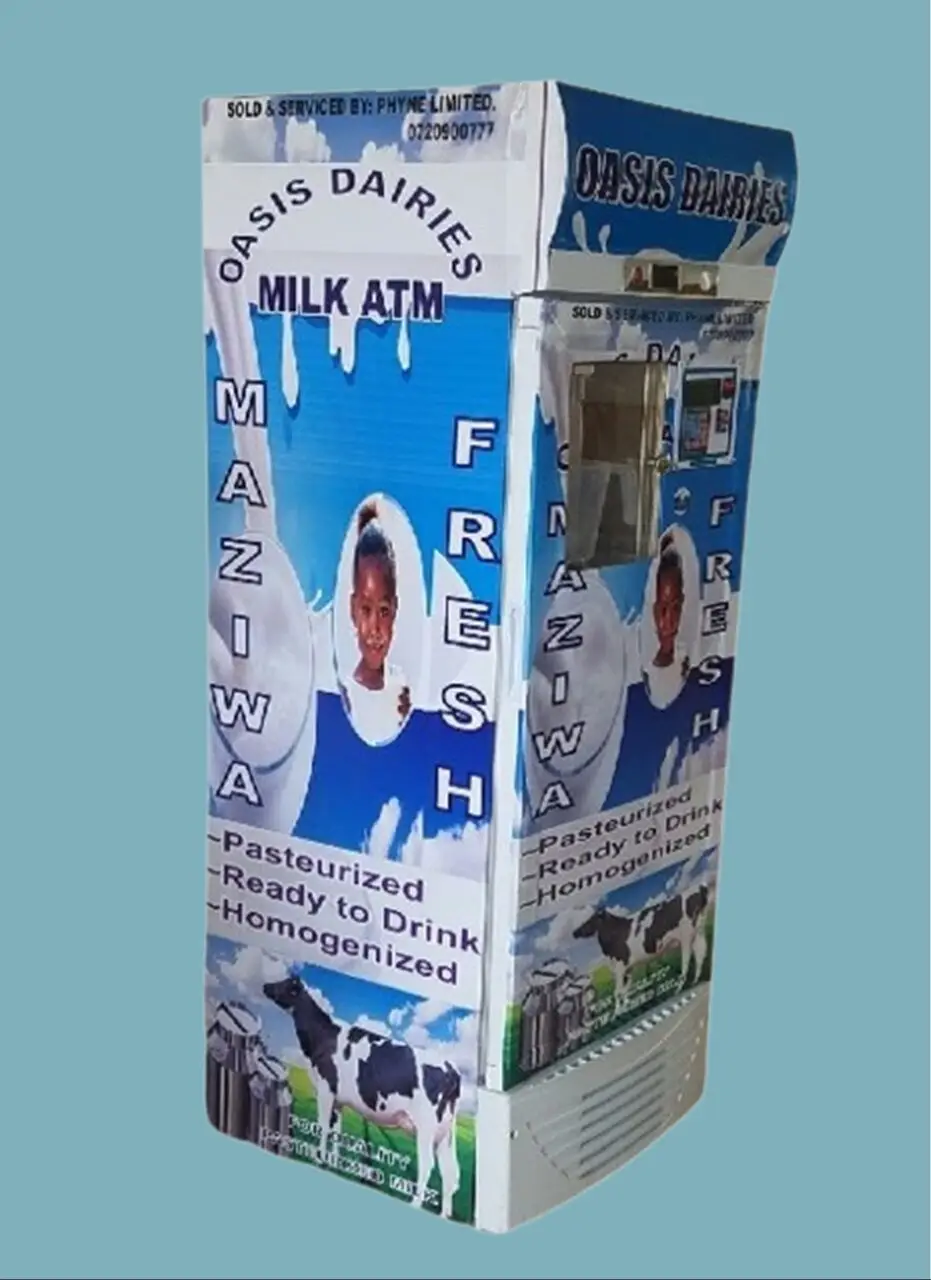
Your milk dispenser is central to your business, impacting customer satisfaction and operational success.
Steps for Dispenser Management:
- Select the Ideal Dispenser: Choose a dispenser that aligns with your business objectives and budget, considering factors like capacity and maintenance.
- Installation: Install the dispenser following the manufacturer’s guidelines, ensuring it’s secure and functional.
- Regular Maintenance: Conduct routine maintenance and hygiene checks to keep the dispenser in optimal condition.
Step 6: Marketing and Promoting Your Milk Vending Business
Effective marketing and promotion are crucial for attracting and retaining customers, ultimately driving sales.
Strategies for Effective Marketing:
- Develop a Strong Brand: Craft a branding strategy that resonates with your audience, including a memorable name, logo, and slogan.
- Leverage Multiple Channels: Utilize both online (WhatsApp, social media) and offline (flyers, business cards, signage) marketing channels to reach your audience.
- Competitive Pricing: Set prices that are attractive to customers while allowing for a healthy profit margin.
By meticulously implementing these strategies, you’ll be well-equipped to launch and grow your milk ATM business in Kenya, catering to the needs of your customers while ensuring business viability.
Launching a milk ATM business in Kenya comes with its set of challenges. To safeguard your business from common pitfalls:
- Financial Planning: Accurately estimate startup and operational costs. Maintain diligent financial records and manage cash flow to ensure profitability.
- Location Strategy: Avoid low-traffic areas. Conduct thorough location analysis to find spots with high visibility and customer accessibility.
- Quality Assurance: Partner with reliable dairy farms or cooperatives for a consistent supply of high-quality milk. Adhere to Kenyan dairy regulations for product safety.
- Marketing Vigilance: Don’t neglect marketing efforts. Develop a strong branding strategy and utilize both digital and traditional marketing channels to enhance brand presence.
- Maintenance and Hygiene: Commit to regular maintenance and hygiene practices for your milk dispenser, following manufacturer guidelines to ensure compliance with health standards.
Expansion Strategies for Your Milk Vending Business
Once your business is on a stable footing, consider these strategies to broaden your reach:
- Additional Dispensers: Boost sales by placing more milk dispensers in high-traffic areas like malls, educational institutions, and hospitals. Collaborate with other businesses for mutual benefit.
- Diversified Product Range: Attract a wider customer base by offering flavored milk or yogurt. Gather market insights to determine popular flavors and partner with dairy processors for production.
- Complementary Partnerships: Enhance your offerings by partnering with businesses that provide complementary goods, such as snacks or beverages.
- Online Presence: Improve customer convenience with online ordering and delivery options. Utilize digital platforms for easy access to your products.
- Mobile App Integration: Foster customer engagement and loyalty with a dedicated mobile app. Offer features like product details, dispenser locations, secure payment options, and customer support.
By avoiding common pitfalls and implementing expansion strategies, you can ensure the longevity and growth of your milk ATM business in Kenya.
Conclusion- Your Journey to a Successful Milk Vending Business in Kenya
Embarking on a milk vending business in Kenya is an endeavor filled with potential and challenges. This comprehensive guide has walked you through the essential steps and considerations for launching a milk vending operation using a milk dispenser, including:
- Developing a Robust Business Plan: Crafting a detailed plan that outlines your business vision and operational strategy.
- Legal and Regulatory Compliance: Acquiring all necessary permits and licenses to operate your business legally.
- Location Analysis: Choosing a location that maximizes customer access and business visibility.
- Supply Chain Management: Establishing a reliable network for a consistent supply of high-quality milk.
- Equipment Setup and Maintenance: Installing and upkeeping your milk dispenser to ensure seamless service.
- Marketing Mastery: Implementing effective strategies to build brand awareness and attract customers.
- Risk Mitigation: Identifying and avoiding pitfalls that could jeopardize your business.
- Business Growth: Exploring avenues to expand your reach and scale up your operations.
By adhering to the guidelines provided, you’re set to launch and grow your milk ATM business in Kenya, turning your entrepreneurial aspirations into reality. Should you have any inquiries or require further clarification, don’t hesitate to reach out or share your thoughts in the comments below.
 Buy the best milk ATMs in Kenya from us
Are you in the market for a high-quality milk dispenser? No need to look further. We are the experts in making the best milk ATMs in Kenya. Choose our high-quality and affordable milk ATMs for your milk vending business and have peace of mind that your machine will not fail unexpectedly. With Vinsol, you are not just buying a dairy milk dispenser, you are investing in a product that is designed to make your business succeed.