Why Investing in a Water Refill Business in Kenya is a Smart Move
Wondering why investing in a water refill business in Kenya is smart move? The water refill business in Kenya has emerged as a goldmine for savvy entrepreneurs, and the reasons are compelling. Urban centers across the country have witnessed an unprecedented rise in water vending stations, reflecting the growing demand for clean, purified water among health-conscious consumers. The next section indicates why you should consider venturing into this business.
Why Investing in a Water Refill Business in Kenya is a Smart Move
- People have understood the dangers of consuming contaminated water: Middle-income earners, particularly those with higher education levels and exposure to health information, increasingly understand the dangers of consuming contaminated water and are willing to pay premium prices for quality assurance.
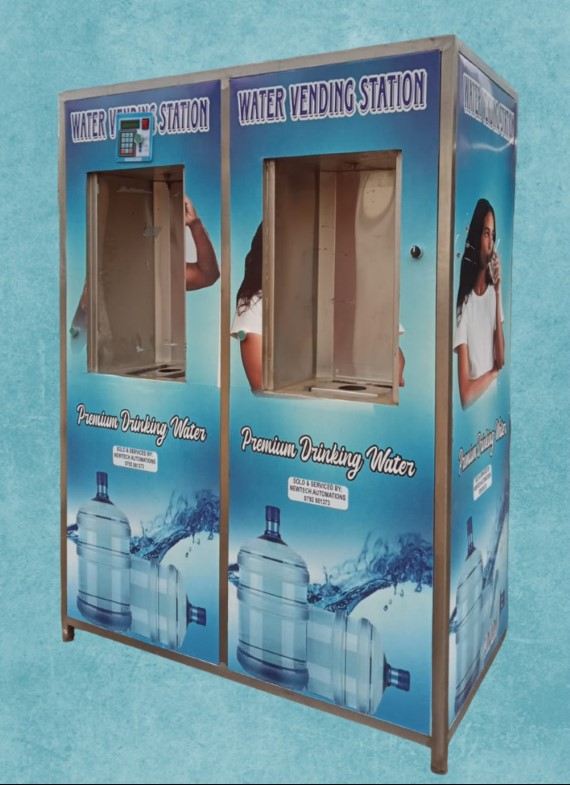
- Average spend on purified water in Kenyan households: Our research indicates that the typical Kenyan urban household spends between Ksh 500 to Ksh 1,500 monthly on purified water, creating a substantial market opportunity for water refill businesses.
- Convenience: The convenience factor cannot be overstated water ATMs operate at least 12/7, allowing customers to access clean water at their convenience without relying on traditional retail hours. This accessibility has made water vending stations particularly popular in residential areas, office complexes, and educational institutions.
- Profitability potential: The profitability potential is equally attractive, with established water refill businesses reporting profit margins ranging from 40% to 60% once operational costs are covered. The recurring nature of water consumption ensures steady cash flow, making this business model particularly appealing for entrepreneurs seeking reliable income streams.
- Low maintenance of water vending machines: Additionally, the relatively low maintenance requirements of modern water vending machines mean that operational overhead remains manageable even for small-scale operations.
- Inconsistent municipal water supply: Climate change and inconsistent municipal water supply across Kenya have further amplified the demand for reliable water sources. Many areas experience regular water shortages or supply interruptions, creating opportunities for water refill businesses to serve as dependable alternatives for communities and businesses alike.
How Much You Need to Start a Water Refill Business in Kenya
Starting a water refill business in Kenya represents one of the most promising entrepreneurial opportunities in today’s market. With urbanization accelerating and health consciousness rising among middle-income earners, the demand for purified water continues to surge across Kenya’s major cities and towns. We understand that many aspiring entrepreneurs are eager to tap into this lucrative market but often struggle with understanding the financial requirements and operational complexities involved.
The water vending industry in Kenya has experienced remarkable growth over the past decade, driven by increasing awareness of waterborne diseases and the convenience factor that water ATMs provide. Whether you’re considering a small-scale water station or planning a larger bottling operation, understanding the financial landscape is crucial for making informed decisions and ensuring your venture’s success.
Cost Breakdown of Starting a Water Vending Business in Kenya
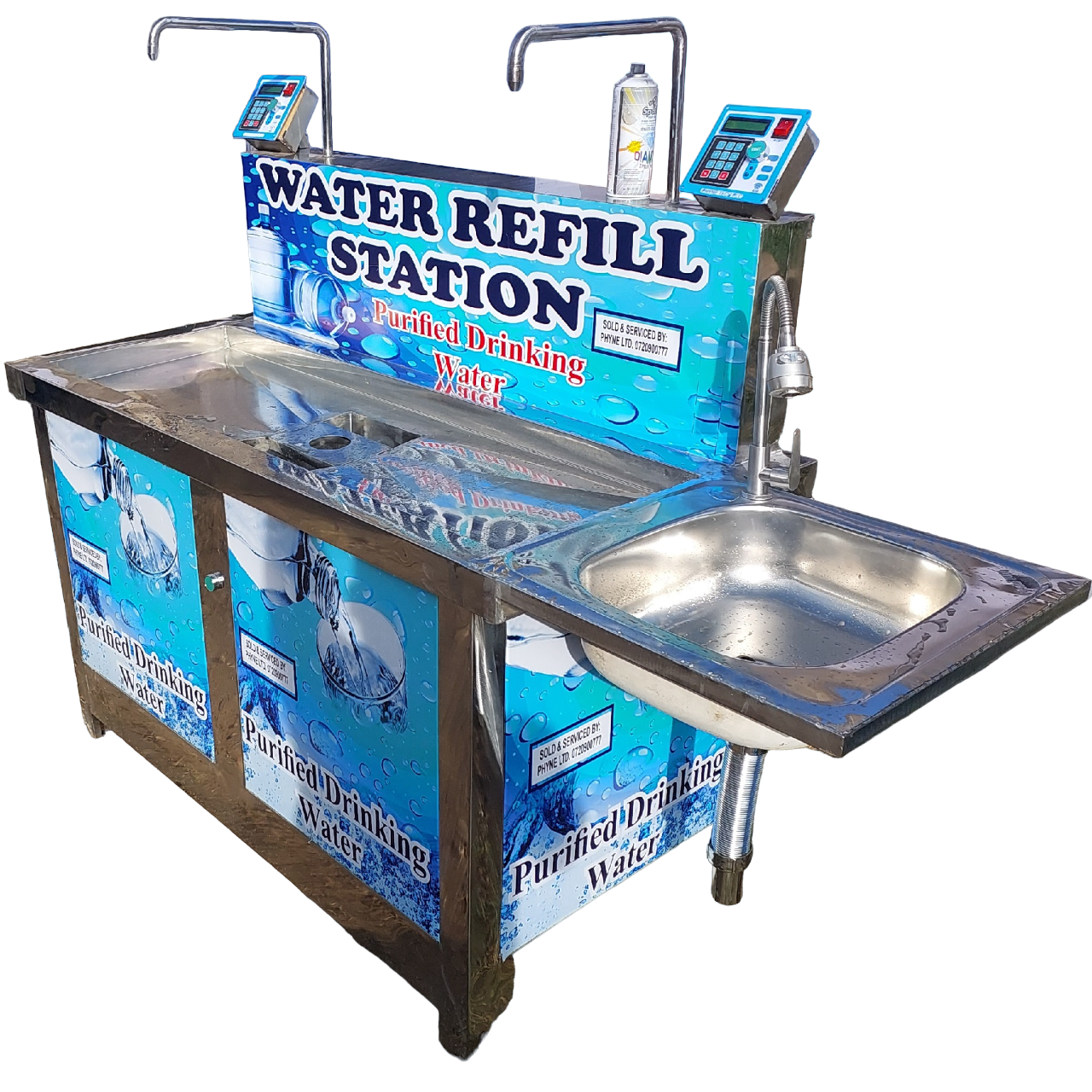 Starting a water vending business in Kenya is one of the most practical and scalable ventures in the country today. The initial capital required varies depending on the size and complexity of the setup. For a basic operation, you will need between Ksh 150,000 and Ksh 300,000. This covers essential equipment such as a water ATM, purification system, and storage tanks. However, if you’re aiming for a more advanced setup like a mini bottling plant or a multi-unit water station, the investment can easily surpass Ksh 2 million.
Below is a break down exactly how much you need to start a water refill business in Kenya, covering everything from initial investment costs to licensing requirements and operational considerations.
Basic Setup (Ksh 150,000 – Ksh 300,000):
- Water ATM: Prices range between Ksh 90,000 and Ksh 130,000 depending on whether you’re purchasing a single-tap or multi-tap machine. These machines are the core of your business, dispensing clean, purified water to customers 24/7. Look for machines that are durable, easy to maintain, and come with after-sales support.
- Storage Tanks: For proper storage, you’ll need tanks that can hold clean water ready for dispensing. These cost between Ksh 15,000 and Ksh 50,000, depending on the size and whether you choose stainless steel or plastic. Stainless steel tanks tend to last longer and are easier to clean, though they come at a higher price.
- Purification System: Clean water is the foundation of trust in the water vending business in Kenya. Investing in a reliable Reverse Osmosis (RO) purification system will cost you anywhere from Ksh 160,000 to Ksh 400,000. Make sure the system complies with health regulations and is capable of handling the volume of water you plan to dispense daily.
- Licensing and Permits: Operating legally requires a single business permit, which costs between Ksh 5,000 and Ksh 20,000 annually depending on your county. In addition to this, you’ll need a health certificate, water safety approvals, and a clearance letter from the local authorities. Ensure these are secured before opening your business to avoid future legal challenges.
- Branding and Packaging: Though optional in the beginning, proper branding can help you stand out. Packaging materials such as refillable jerrycans, stickers, and promotional items will incur variable costs based on your business goals. Starting small with locally printed labels is usually cost-effective for beginners.
- Rent, Electricity, and Marketing: These ongoing costs can range between Ksh 50,000 and Ksh 100,000. Rent will depend on the location, while electricity costs will depend on how much your purification system and water ATM consume. Don’t overlook marketing; even simple methods like posters, social media, or word of mouth can significantly increase your visibility.
Larger Setups (Exceeding Ksh 2 Million): 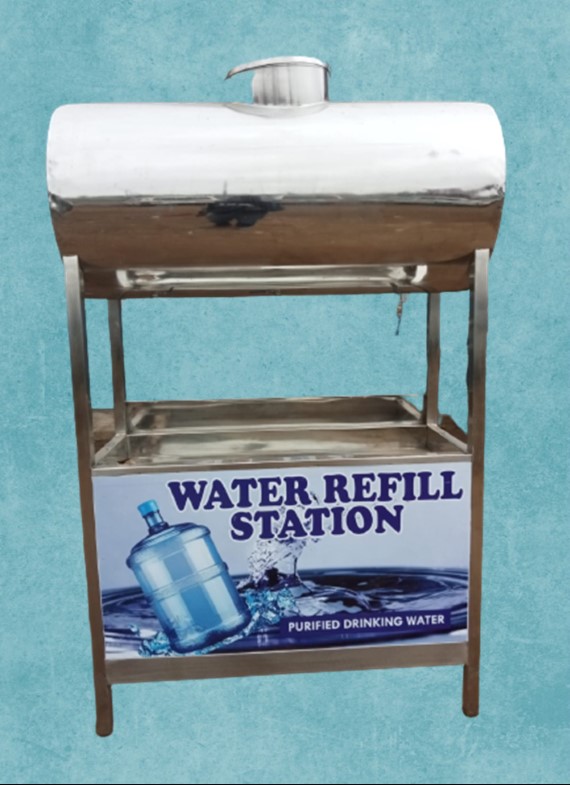
If you plan to scale up and enter the bottled water market or open multiple branches, expect to spend more than Ksh 2 million. This would cover industrial-grade purification systems, automated bottling and labeling machines, transportation vehicles, and hiring staff. While this is a higher investment, it allows for increased production volume and higher profit potential. However, you will also need to comply with stricter regulatory and health standards. This setup is ideal for entrepreneurs targeting supermarkets, offices, and institutions.
Considerations to Make When Starting a Water Vending Station Business in Kenya
Location
Choosing the right location is one of the most critical factors that will determine the success of your water vending business in Kenya. You want to set up in a place that has a steady flow of foot traffic and high residential density. Look for neighborhoods where access to clean drinking water is limited or expensive. Busy streets, marketplaces, near hospitals, schools, or apartment complexes are ideal. Also, consider the visibility and accessibility of your business premises. If your water ATM is easy to spot and access, it becomes more convenient for repeat customers.
Water Sourcing
Before launching, you must identify a sustainable and safe source of water. Common options include boreholes, municipal council water, or trucking in water from licensed suppliers. Boreholes offer long-term savings but come with high upfront costs and require environmental clearance. Municipal water is easier to access but may not always be reliable, especially in areas with rationing or low pressure. Regardless of your choice, the raw water must go through rigorous purification to meet health standards. Test your water source for contaminants and secure all necessary approvals before distribution.
Business Model
There are different models you can pursue in the water vending business in Kenya, and your choice will influence your initial investment and daily operations. The water refill station model is the most popular, where customers bring their own containers and pay per liter. You could also offer bottled water services, either manually or with an automated bottling system. Another growing option is home and office delivery, especially in urban areas. Decide which model suits your budget, location, and market demand. You can always scale gradually by starting with a refill station and expanding into delivery or bottling later.
Profitability
Many entrepreneurs in the water vending business in Kenya report making solid returns within a few months of starting. If you sell water at Ksh 5 to Ksh 10 per liter and manage to move 300–500 liters per day, your daily income could range between Ksh 1,500 and Ksh 5,000. After subtracting operational costs like electricity, rent, and packaging, a good portion remains as profit. The key to profitability is managing your expenses, choosing a reliable water source, and building a loyal customer base. Offering value-added services like delivery or discounts for bulk purchases can also increase your earnings.
Where to buy high quality water vending machines in Kenya
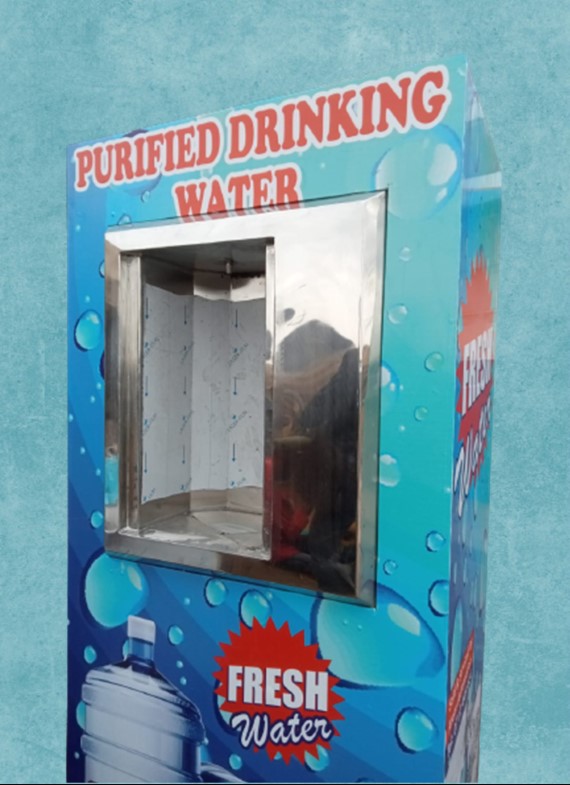 Above, we have discussed why investing in a water vending station business in Kenya is a great move. We have also seen how much on average it would cost to start a successful water station business. Now, you may be interested in starting one and wondering where to buy high quality water vending machines in Kenya. The good news is that you don’t need to look any further.
Contact us today to learn more about available equipment options that can help you launch your profitable water vending venture in Kenya
Ready to start your water refilling business journey? Contact Vinsol today to learn more about our comprehensive solutions and take the first step toward building your successful water refilling enterprise in Kenya.
- Call/WhatsApp Us: +254 715 01 45 10
- Email: inquiries@vinsol.co.ke | info@vinsol.co.ke
- Contact Form: Visit our website (vinsol.co.ke) and fill out the contact form.
- Visit Our Branches:
- Ruiru Branch: Next to Total Petrol Station – Kihunguro, Ruiru
- Eldoret Branch: Rehema Complex, opposite Japara Ltd., along Oloo Street, Eldoret.