How Profitable is a Water Refill Business in Kenya?

How Profitable is a Water Refill Business in Kenya? Starting a water refill business in Kenya can be a rewarding venture if you do it right. This is evidenced by the many water refill business that have been starting and thriving in urban centers especially around estates in major towns. With careful planning and having a good strategy, there’s a good return on investment in starting a water vending business in Kenya. In this post, we shall answer the big question many people ask; how profitable is a water refill business in Kenya? Read on for details. How Profitable is a Water Refill Business in Kenya? Understanding Water Refill Business Profitability in Kenya The water refilling business in Kenya can be highly profitable, with profit margins typically ranging from 40% to 80%. This high profitability is due to the low operating costs associated with refilling water and the consistent demand for clean drinking water. With effective management and strategic location, businesses can potentially recover their initial investment within 6 to 12 months. Kenya’s growing urban population and increasing awareness about water quality have created a substantial market opportunity for water refill stations. The demand for affordable, clean drinking water continues to rise, especially in areas where municipal water supply is unreliable or of questionable quality. This creates a perfect environment for entrepreneurs looking to establish a profitable water vending business. The profitability of your water refill business largely depends on several key factors including location, equipment quality, operational efficiency, and customer service. Successful water station owners often report monthly profits ranging from Ksh 50,000 to Ksh 200,000, depending on their scale of operations and market penetration. These figures make the water refill business one of the most attractive small-scale enterprises in Kenya’s current economic landscape. Key Factors Contributing to Water Refill Business Profitability Low Operating Costs: Refilling stations generally have low operating costs, particularly if energy-efficient machines are used and water is sourced affordably. The primary expenses include electricity, water supply, occasional maintenance, and staff wages if you hire employees. Unlike many other businesses, water refill stations don’t require extensive inventory management or complex supply chains. The operational simplicity translates directly into higher profit margins, making it an ideal business for first-time entrepreneurs. High and Consistent Demand: There is a consistent demand for clean and safe drinking water, especially in areas with poor water quality, making it a reliable business venture. Kenya’s urban centers face ongoing challenges with water quality, creating a steady stream of customers who need reliable access to clean drinking water. This demand remains relatively stable throughout the year, unlike seasonal businesses that experience fluctuations. The essential nature of clean water ensures that your customer base will remain loyal and consistent. Cost-Effective Solution for Customers: Refilling stations offer a more affordable option compared to buying pre-packaged bottled water. Customers can save up to 60% compared to purchasing bottled water from retail stores. A 20-liter refill typically costs between Ksh 80-120, while the equivalent amount in bottled water would cost significantly more. This value proposition attracts budget-conscious consumers and encourages repeat business, creating a sustainable revenue stream for water station owners. High Volume Potential: Well-established stations can sell a large volume of water, especially if they are located in areas with high foot traffic or partner with supermarkets. Strategic partnerships with local businesses, schools, and residential complexes can dramatically increase your daily sales volume. Some successful water refill stations serve 100-200 customers daily, generating substantial revenue through high-volume, low-margin sales that compound into significant profits. Essential Tips for Starting a Profitable Water Station Business in Kenya Market Research and Location Selection Before investing in water vending equipment, conduct thorough market research to understand your local demand patterns. Visit potential locations during different times of the day to observe foot traffic and identify peak hours. Survey residents and businesses in your target area to understand their current water purchasing habits and pain points with existing suppliers. Location selection is crucial for maximizing profitability in the water refill business. Choose areas with high population density, limited access to clean municipal water, or locations near busy commercial centers. Residential estates, market areas, bus stations, and shopping centers typically provide the best opportunities for consistent customer flow. Ensure your chosen location has reliable electricity supply and adequate space for customer queuing and parking. Consider the competition in your chosen area, but don’t be discouraged by existing water stations. Often, high demand can support multiple providers, especially if you can differentiate through superior service, extended operating hours, or additional services like water delivery. The key is positioning your water station where it’s easily accessible and visible to your target customers. Guidelines for Starting a Successful Water Vending Business in Kenya Equipment Investment and Quality Considerations: The foundation of any successful water refill business lies in investing in high-quality water vending/refilling machines and high-quality water purification equipment. Vinsol water refilling machines have gained popularity among Kenyan entrepreneurs due to their reliability and efficiency. These systems typically include reverse osmosis filtration, UV sterilization, and ozone treatment to ensure water meets health standards. When considering where to buy water vending station machines in Kenya, prioritize suppliers who offer comprehensive after-sales support and maintenance services. Licensing and Legal Requirements: Obtain all necessary permits from NEMA if you are extracting raw water, business permits from local county government, and public health department. The water business requires strict compliance with health regulations, and proper licensing protects your investment while building customer trust. Register your business with the relevant authorities and ensure you have proper insurance coverage for your equipment and operations. Financial Planning and Investment Analysis: A typical water refill station requires an initial investment of Ksh 300,000 to Ksh 800,000, depending on the equipment quality and station setup. This includes the cost of water purification machines, installation, initial working capital, and business registration fees. Create a detailed business plan that accounts for monthly operational expenses including electricity, water supply, maintenance, rent, and marketing costs. Staff Training and
What Do You Need When Starting a Water Refilling Business in Kenya? (Your Complete Success Guide)
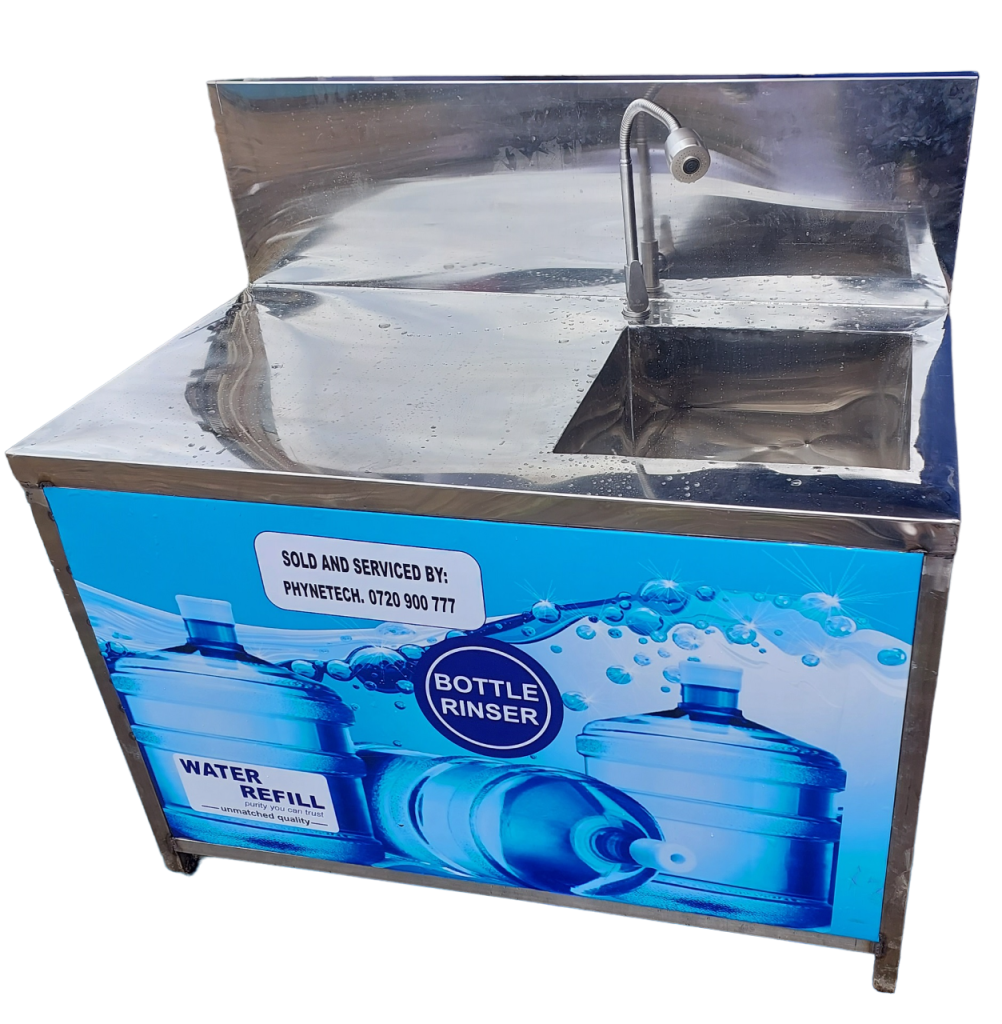
What Do You Need When Starting a Water Refilling Business in Kenya? Your Complete Success Guide Starting a water refilling business in Kenya presents an incredible opportunity in today’s market where clean, affordable water is in high demand. But what do you need when starting a water refilling business in Kenya? Having researched this industry extensively, we can tell you that understanding what you need when starting a water refilling business in Kenya is crucial for your success. The water business sector in Kenya continues to grow rapidly, driven by increasing urbanization, health consciousness, and the need for convenient access to clean drinking water. This comprehensive guide will walk you through every essential requirement, from initial planning to launching your profitable venture. What Do You Need When Starting a Water Refilling Business in Kenya? Guidelines for Starting a Successful Water Refilling Business Essential Requirements for Starting a Station Business in Kenya When considering the requirements for starting a station business in Kenya, you need to understand that this venture requires careful planning and significant investment. The water refilling industry is highly regulated, and success depends on meeting strict quality standards while maintaining competitive pricing. Your initial investment will typically range from KES 200,000 to KES 2,000,000, depending on your scale and equipment choices. This investment covers everything from high-quality purification systems to regulatory compliance costs. The foundation of any successful water station business lies in thorough market research and strategic planning. We recommend spending at least 2-3 months analyzing your local market, identifying potential customers, and studying your competition. Understanding consumer behavior in your target area will help you position your business effectively. Consider factors like population density, income levels, existing water sources, and consumer preferences for bottled versus refilled water. Location selection is arguably one of the most critical decisions you’ll make. Your water station should be easily accessible to your target customers, with adequate parking space and good visibility from main roads. Residential areas with high population density, commercial centers, and locations near fitness facilities or schools typically perform well. Remember that foot traffic and convenience are key drivers of success in this business. Financial planning cannot be overlooked when establishing your water refilling station. Create detailed financial projections that include equipment costs, licensing fees, operational expenses, and marketing budgets. Most successful entrepreneurs recommend having at least 6-12 months of operating expenses as working capital before launching your business. Planning Your Profitable Water Refilling Station Business Following proven tips for starting a profitable water refilling station business in Kenya will significantly increase your chances of success. Market Research: Begin with comprehensive market research to understand your local competition and identify gaps in the market. Visit existing water stations in your area to observe their operations, pricing strategies, and customer service approaches. This firsthand knowledge will help you differentiate your business and identify opportunities for improvement. Business plan: Creating a detailed business plan is essential for securing funding and guiding your operations. Your business plan should include market analysis, financial projections, marketing strategies, and operational procedures. Banks and investors will require this documentation if you’re seeking external financing. Include realistic revenue projections based on your market research and consider seasonal variations in demand. Budgeting: Budgeting for your water refilling business requires careful consideration of both initial setup costs and ongoing operational expenses. Equipment costs typically represent the largest initial investment, including purification systems, storage tanks, and dispensing machines. Don’t forget to budget for licensing fees, insurance, utility deposits, and initial marketing expenses. Operating costs include utilities, maintenance, staff salaries, and consumables like bottles and caps. Risk management: Risk management is crucial for long-term success in the water business. Consider potential challenges such as equipment breakdowns, water quality issues, regulatory changes, and competition. Develop contingency plans for each scenario and consider purchasing appropriate insurance coverage to protect your investment. Guidelines for Starting a Successful Water Vending Business in Kenya The guidelines for starting a successful water vending business in Kenya emphasize the importance of regulatory compliance and quality assurance. Here are some of the key processes you need to undertake: Business registration: The water industry in Kenya is governed by strict regulations designed to protect public health, and non-compliance can result in hefty fines or business closure. Start by registering your business with the relevant authorities, either through the Registrar of Companies for limited companies or your local county government for sole proprietorships. Permits: Obtaining the necessary permits and licenses is a multi-step process that requires patience and attention to detail. You’ll need a business license from your local county government, a water supply permit from the Water Resources Authority, and health permits from the Ministry of Health. The health department will conduct regular inspections to ensure your facility meets hygiene standards, so it’s crucial to design your station with these requirements in mind from the beginning. Water quality testing and certification: Water quality testing and certification are ongoing requirements that you must budget for throughout your business operations. Regular testing ensures that your water meets Kenya Bureau of Standards (KEBS) requirements and protects your customers’ health. Establish relationships with certified laboratories and create a testing schedule that exceeds minimum regulatory requirements to build customer trust. Staff training: Staff training is essential for maintaining quality standards and providing excellent customer service. Even if you plan to operate the business yourself initially, having trained backup staff ensures continuity of operations. Focus on water quality procedures, customer service skills, and basic equipment maintenance to create a professional operation that customers will trust and recommend. Essential Equipment and High-Quality Water Vending Machines High-quality water vending machines Investing in high-quality water vending machines in Kenya is crucial for your business success and customer satisfaction. The equipment you choose will determine your water quality, production capacity, and operational efficiency. Start with a comprehensive water purification system that includes multiple filtration stages, such as sediment filters, activated carbon filters, and reverse osmosis membranes. These systems remove contaminants, improve taste, and ensure consistent water quality. Water
Licences and Requirements for Starting Water Refill Business in Kenya

Licences and Requirements for Starting Water Refill Business in Kenya Over the years, the water refilling business has grown to become one of the most popular ventures in Kenya, especially in urban areas. With the business bringing modest returns to investors, many Kenyans have been rushing to set up water-refilling plants. This prompted the Kenya Bureau of Standards (KEBS) to prepare a detailed list of requirements and conditions entrepreneurs must fulfill before dipping their feet into the business. As people who are in the business of manufacturing water vending machines in Kenya and have closely observed the water vending industry in Kenya, we can tell you that understanding what you need to start a water refill business in Kenya is crucial for success. The regulatory landscape has become more stringent over the years, and compliance is not optional. In this comprehensive guide, we’ll walk you through the essential licences and requirements for starting water refill business in Kenya, share practical tips for starting a profitable water station business in Kenya, and provide guidelines for starting a successful water vending business in Kenya. Understanding the Legal Framework for Water Refill Business in Kenya Before diving into the specific requirements, it’s important to understand that Kenya’s water refilling industry operates under strict regulatory oversight. The government has implemented these measures to ensure public health safety and maintain quality standards across the industry. The regulatory framework involves multiple government agencies, each with specific roles in licensing and monitoring water refilling businesses. The Kenya Bureau of Standards (KEBS) serves as the primary regulator for water quality standards, while county governments handle business licensing and permits. The Water Resource Management Authority (WARMA) oversees water abstraction permits, and the National Environment Management Authority (NEMA) ensures environmental compliance. Understanding this multi-layered regulatory structure is essential for any entrepreneur looking to enter the water refilling business. Each agency has specific timelines, fees, and documentation requirements that must be met before you can legally operate your water refilling business. Licences and Requirements for Starting Water Refill Business in Kenya: Essential Licences and Permits Required Business Registration and County Permits The first step in establishing your water refilling business involves proper business registration and obtaining necessary county permits. You must register your business with the Registrar of Companies, choosing an appropriate business structure such as a sole proprietorship, partnership, or limited company. This registration provides your business with legal recognition and allows you to operate formally within Kenya’s business environment. County business permits are mandatory for operating legally within your county’s jurisdiction. Each county has specific requirements and fee structures, so it’s essential to contact your local county government offices for detailed information. Some counties may also require additional trade licenses, particularly for businesses involved in food and beverage production. The county permit application process typically involves submitting business registration documents, proof of premises ownership or lease agreements, and payment of prescribed fees. Health and Safety Certifications Public health certificates represent one of the most critical requirements for water refilling businesses. These certificates, issued by approved government facilities under the Ministry of Health, ensure that your production facility meets stringent hygiene standards. The certification process involves inspection of your premises, evaluation of your water treatment processes, and assessment of your quality control measures. Medical certificates for all staff members involved in water handling are mandatory. Each employee must obtain a medical certificate from government health facilities at a cost of approximately Ksh 700 per person. These certificates verify that your staff members are free from communicable diseases and are fit to handle food and beverages. The medical certificates must be renewed periodically, and maintaining current certificates for all staff is essential for continuous compliance. KEBS Certification and Quality Standards This certificate applies mostly to those businesses that bottle water for the market. The Kenya Bureau of Standards (KEBS) certification is perhaps the most rigorous requirement for water bottling businesses. KEBS requires you to submit water samples for testing to determine if your product meets safety standards for drinking water. This testing evaluates various parameters including chemical composition, bacterial content, and physical characteristics of your water. After successful testing, you must demonstrate ongoing quality control by maintaining detailed quality records as per the signed scheme of supervision and control. KEBS also mandates that water bottling companies located in residential setups cannot be granted permits to use the standardization mark. Residential setups include buildings with residences on upper floors and business premises on ground level, so location selection is crucial for compliance. The agency requires clear mechanisms for handling customer complaints and proof of regular plant cleaning and maintenance. Your facility must meet specific infrastructure standards, including stainless steel tables for production, first aid kits, foot baths for production areas, and hand washing facilities with soap, sanitizer, and drying facilities. These requirements ensure that your production environment maintains the highest hygiene standards. Water Source Permits and Environmental Compliance WARMA Water Abstraction Permits If you’re not using municipal tap water for your refilling operations, you’ll need a water abstraction permit from the Water Resource Management Authority (WARMA). This permit is essential for businesses that source water from boreholes, rivers, or other natural water sources. The application process involves submitting detailed information about your water source, intended usage volumes, and environmental impact assessments. WARMA evaluates each application based on water availability, environmental considerations, and potential impacts on other water users in the area. The permit specifies the maximum amount of water you can abstract and may include conditions for monitoring and reporting water usage. Compliance with WARMA requirements is crucial, as unauthorized water abstraction can result in significant penalties and business closure. Environmental Impact Assessment and NEMA Compliance Depending on your business scale and location, you may need to comply with National Environment Management Authority (NEMA) regulations. Large-scale water refilling operations often require Environmental Impact Assessments (EIA) to evaluate potential environmental effects. The EIA process involves studying your business’s impact on air quality, water resources, soil, and local ecosystems. NEMA compliance also extends
Guidelines for Starting a Profitable Water Station Business in Kenya
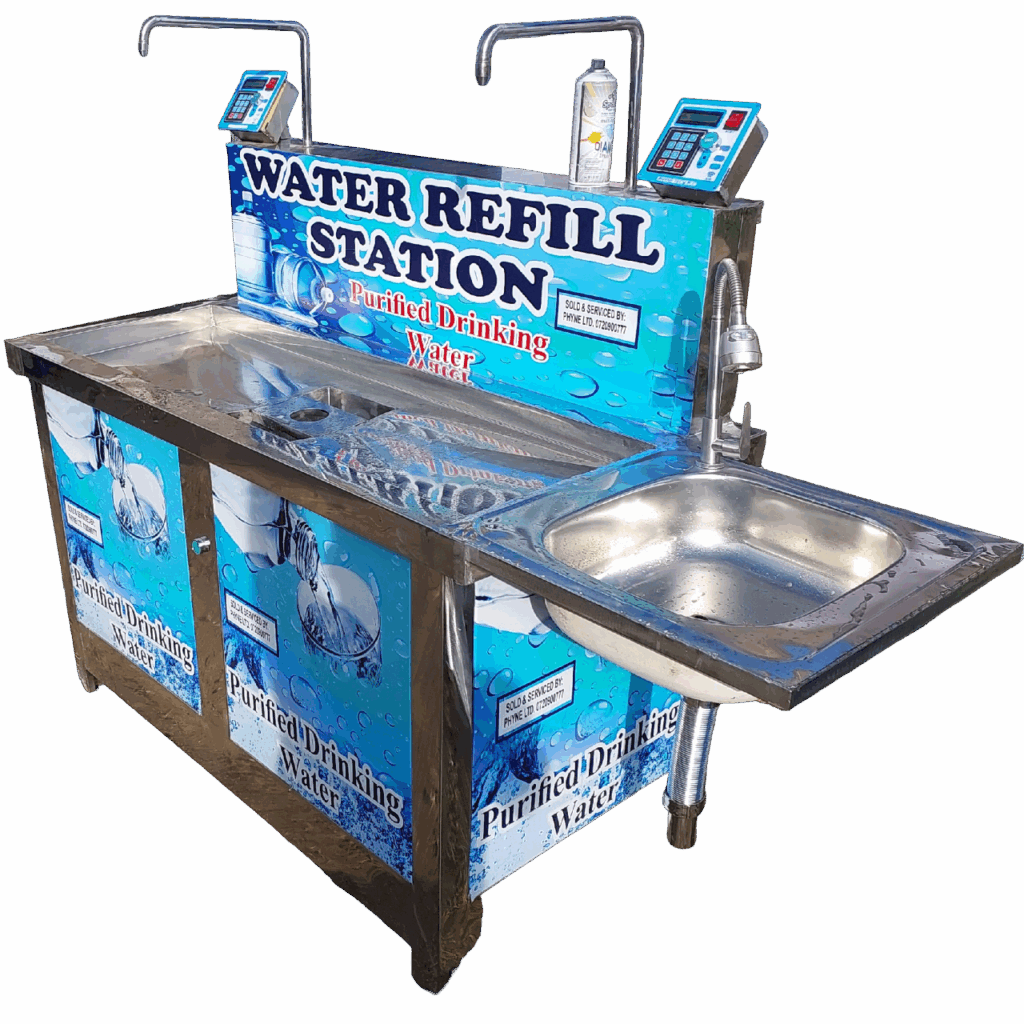
Guidelines for Starting a Profitable Water Station Business in Kenya Starting a water station business in Kenya offers an incredible opportunity to meet a critical societal need while building a thriving enterprise. With over 15 million Kenyans lacking access to clean drinking water, the demand for reliable water purification and vending services is consistently high across both urban and rural areas. These guidelines for starting a profitable water station business in Kenya will equip you to make astute business decisions. The water vending industry has seen remarkable growth, with successful operators reporting monthly revenues from KES 50,000 to KES 300,000, influenced by location, no of branches and competition. The true essence of success in this sector goes beyond merely selling water; it’s about providing an indispensable service that enhances public health, offers cost savings to families, and creates sustainable employment opportunities. Modern water station businesses leverage advanced purification technology, strategic location choices, and customer-centric service delivery to cultivate a loyal customer base and generate consistent profits. Whether you’re an experienced entrepreneur or a first-time business owner, the water vending industry provides scalable opportunities that can expand with your ambitions and investment capacity. Essential Market Research and Business Planning for Your Water Station Understanding Local Demand and Customer Behavior Market Research: Effective market research identifies the community’s water needs and preferences. Analyze local water quality issues—like contaminants, taste, and unreliable municipal supply—and survey customer habits regarding container sizes, pricing, and purchase frequency. Use this data to align services and pricing with real demand. Demographic & Seasonal Insights: Study population density and demographics to gauge spending patterns. Areas with middle-class families, students, and young professionals often need accessible, affordable clean water. Plan for seasonal shifts in demand—hot weather and water shortages affect sales—by adjusting inventory, staffing, and promotions accordingly. Competitive Analysis: Assess existing water stations to uncover market gaps in service quality, equipment, pricing, and customer experience. Look for problems like long waits, poor water quality, limited hours, or bad service. Use these findings to differentiate your business and offer a more reliable alternative. Developing a Comprehensive Business Plan Business Planning Essentials: A comprehensive business plan is key for funding, operations, and progress tracking. Include market insights, customer profiles, competitive edge, marketing, operations, and financial forecasts for three years. Clearly define your unique value—such as premium service, prime locations, advanced equipment, or standout customer experience. Financial Planning: Outline startup and operating costs, including equipment, setup, licenses, inventory, and working capital. Base revenue projections on conservative estimates—daily traffic, average spend, and seasonal changes—to maintain viability under varied conditions. Risk Management: Identify potential risks like equipment issues, supply chain hiccups, regulatory shifts, or competitor pressure. Create backup plans to safeguard profitability and ensure consistent service. This shows foresight and strengthens business resilience. Navigating Licensing Requirements and Regulatory Compliance Essential Permits and Certifications Licensing & Legal Setup: Register your business with the Registrar of Companies in Kenya to establish a legal entity and enable access to bank accounts, contracts, and required permits. Choose an appropriate structure—sole proprietorship, partnership, or limited company—based on your growth plans, liability protection, and tax needs. County Business Permit: Secure a county business permit to operate legally in your selected location. Common requirements include registration certificates, site maps, lease agreements, and adherence to zoning regulations. Some counties impose location-specific rules—check these early to avoid setbacks. KEBS Certification: To sell purified water, obtain KEBS approval to meet national safety and quality standards. The process includes facility inspection, water testing, equipment verification, and staff training. Implement robust quality control procedures and maintain thorough records. Certification enhances credibility and customer trust. Health and Safety Compliance County Health Certificate: Confirms your water station meets public health standards for food and beverage operations. Inspections focus on sanitation, staff hygiene, equipment cleanliness, and waste disposal. Ensure readiness by implementing cleaning protocols, hand-washing facilities, and staff food safety training. Water Quality Testing Certificate: Verifies your purified water complies with safety standards for consumption. Partner with certified labs for regular tests covering bacterial contamination, chemical pollutants, and physical parameters like pH and turbidity. Keep thorough records and respond promptly to any issues detected. Environmental Compliance: May require permits for wastewater disposal and chemical storage, depending on location. NEMA could mandate environmental impact assessments for large or sensitive operations. Work with compliance experts to meet all regulations and adopt sustainable practices that reduce your environmental footprint. Strategic Location Selection and Facility Setup Identifying High-Traffic Locations Location Selection: Prioritize high-foot-traffic areas like market centers, busy streets, residential zones, and transport hubs. Proximity to schools, offices, and complementary businesses—such as grocery stores and pharmacies—ensures steady demand and convenience for customers. Visibility & Accessibility: Choose spots visible from main roads or walkways to attract walk-ins. Ensure safe pedestrian access and ample parking. Assess activity patterns—some locations peak during weekdays, others on weekends—to match your business hours to customer flow. Rental & Lease Considerations: Align rental costs with revenue expectations and growth plans. Negotiate leases that support equipment setup, signage, and expansion while securing your investment. Account for utility bills, security, and maintenance. Explore flexible deals like reduced rent in exchange for a sales percentage. Facility Design and Infrastructure Requirements Facility Design: Optimize layout to support customer flow, equipment use, storage, and staff efficiency. Prioritize comfort with good lighting, ventilation, and weather protection. Professional design enhances your brand and builds trust in your water quality and service standards. Utility Infrastructure: Ensure electrical capacity supports equipment, lighting, and customer amenities. Maintain reliable water supply with backup options for outages. Plan for proper drainage to handle cleaning, maintenance, and potential overflows. Security Measures: Protect assets and ensure safety with lighting, surveillance, and physical barriers. Implement protocols for cash handling, equipment access, and nighttime security. Assess local risks like crime, natural hazards, or unrest to tailor your protection strategy. Equipment Selection and Technology Integration Choosing High Quality Water Vending Machines in Kenya Selecting the right equipment is crucial for operational success and customer satisfaction in your water station business. When looking for where to buy good
How to Start a Water Vending Business in Kenya in 2025
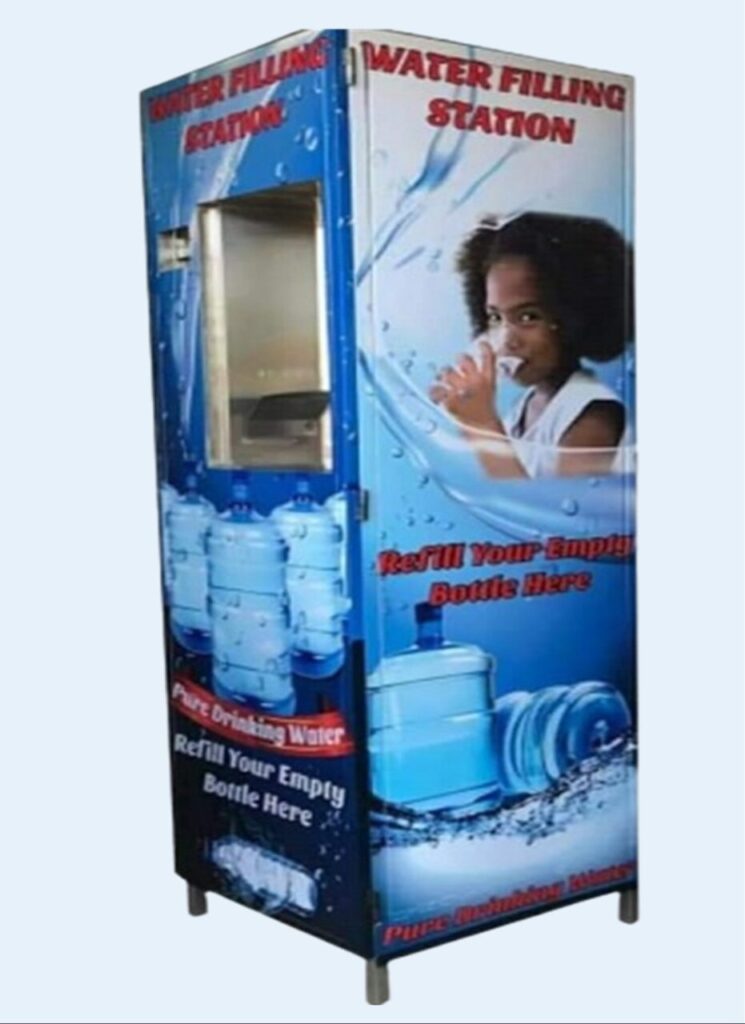
How to Start a Water Vending Business in Kenya in 2025 Introduction Are you interested in starting a water vending ATM business in Kenya in 2025? Are you wondering where to buy the best water vending machines in Kenya? You are at the right place. At Vinsol, we are a company that specializes in making high-quality water vending machines in Kenya. This comprehensive blog post will guide you on how to start a water vending business in Kenya in 2025, providing you with proven strategies and expert insights from our years of experience in the industry. The water vending business has emerged as one of the fastest growing ventures in Kenya especially in Nairobi and other cities. This is driven by increasing urbanization, growing health consciousness, and the need for affordable, clean drinking water. Through our experience at Vinsol, we have witnessed countless entrepreneurs transform their lives by establishing successful water vending businesses across the country. Our expertise in manufacturing high-quality water station machines has positioned us to provide you with the most reliable guidance on entering this lucrative market. Understanding the Water Vending Business Opportunity in Kenya The water vending industry in Kenya has experienced unprecedented growth over the past decade, creating numerous opportunities for entrepreneurs seeking sustainable income streams. Understanding how to start a water vending business in Kenya requires recognizing the fundamental market dynamics that drive this industry’s success. The increasing population, coupled with unreliable municipal water supply systems, has created a significant demand for clean, affordable drinking water across urban and rural areas. Consumer behavior has shifted dramatically, with more households opting for purified water due to health concerns and convenience factors. This trend has created a perfect market environment for water vending businesses, which offer customers access to clean water at affordable prices without the overhead costs of traditional retail establishments. The automated nature of water vending machines allows entrepreneurs to generate passive income while providing an essential service to their communities. Market research conducted across Kenya indicates that areas with high population density, limited access to clean water, and significant foot traffic present the most lucrative opportunities for water vending businesses. Successful operators typically see return on investment within 8-12 months, making it an attractive option for both first-time entrepreneurs and experienced business owners looking to diversify their portfolios. The scalability of water vending businesses represents another compelling advantage, as successful operators can expand their operations by adding multiple machines in different locations. This growth potential, combined with the essential nature of the product, makes water vending an excellent long-term business investment that can provide sustainable income for years to come. Guidelines for Starting a Successful Water Station Business in Kenya in 2025 Establishing guidelines for starting a successful water station business in Kenya in 2025 requires understanding both the regulatory environment and market demands that define this industry. The foundation of any successful water vending business lies in comprehensive planning that addresses legal requirements, market positioning, and operational efficiency from the outset. Legal and Regulatory Compliance The regulatory landscape for water vending businesses in Kenya has evolved significantly, with stricter standards implemented to ensure public health and safety. Obtaining the necessary permits and licenses is not merely a bureaucratic requirement but a critical investment in your business’s credibility and long-term success. The Kenya Bureau of Standards (KEBS) certification ensures that your water meets national quality standards, while Public Health Department permits demonstrate your commitment to hygiene and sanitation protocols. Environmental compliance through the National Environmental Management Authority (NEMA) may be required depending on your operation’s scale and wastewater disposal methods. These regulatory requirements, while initially seeming burdensome, actually protect your business by ensuring you operate within legal frameworks that prevent costly shutdowns or legal challenges later. Market Analysis and Strategic Planning Successful water vending businesses begin with thorough market analysis that identifies optimal locations, target demographics, and competitive positioning. High-traffic areas such as residential estates, commercial centers, schools, and public transport hubs typically generate the highest sales volumes. However, competition analysis is equally important, as oversaturated markets may limit profitability despite high foot traffic. Financial planning must account for initial capital requirements, ongoing operational costs, and realistic revenue projections based on local market conditions. Many successful operators start with a single machine to test market demand before expanding, allowing them to refine their operations and build customer loyalty gradually. Key Steps to Take to Start a Successful Water Vending Business The key steps to take to start a successful water vending business involve systematic planning and execution across multiple operational areas. Each step builds upon the previous one, creating a comprehensive foundation for sustainable business growth and profitability. Step 1: Comprehensive Market Research and Business Planning Market research forms the cornerstone of any successful water vending venture, requiring detailed analysis of local demand patterns, competitor activities, and customer preferences. Analyze demand by conducting surveys in your target areas, observing foot traffic patterns, and identifying peak consumption times throughout the day and week. This information will guide your equipment selection, pricing strategy, and operational hours. Define your target market by identifying specific customer segments, such as residents of middle-income neighborhoods, office workers, or students. Each segment has different consumption patterns and price sensitivities that will influence your business model and marketing approach. Choose a business model that aligns with your target market’s needs, whether that’s pure vending machine operations, combined vending and bottled water sales, or full-service water stations with additional amenities. Develop a comprehensive financial plan that includes startup costs for equipment, permits, location setup, and initial inventory. Factor in ongoing operational expenses such as maintenance, water source costs, electricity, and potential staff wages. Create realistic revenue projections based on market research and comparable businesses in similar locations. Step 2: Securing Licenses and Permits The licensing process requires careful attention to detail and compliance with multiple regulatory bodies. Begin with business permit applications at your county government office, ensuring you understand all local requirements and fees. The KEBS certification process involves water
How to Choose the Best Milk ATM for Your Business
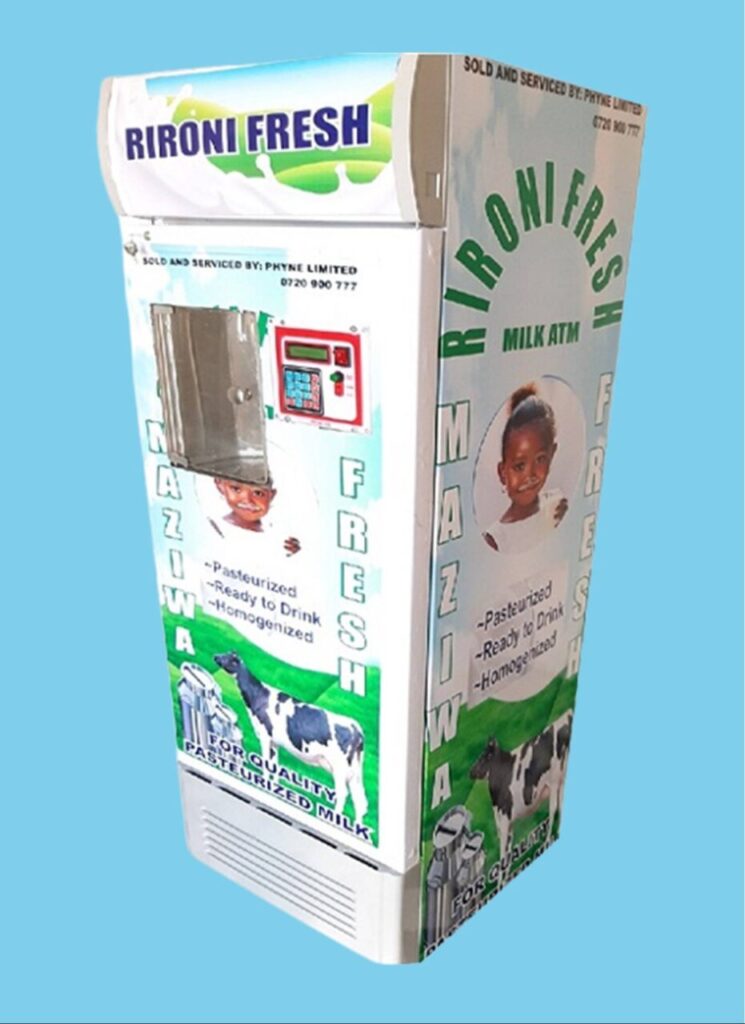
How to Choose the Best Milk ATM for Your Business Introduction Are you interested in starting a milk ATM business in Kenya? Are you wondering where to buy the best milk ATMs in Kenya? You are at the right place. This comprehensive blog post will guide you on how to choose the best milk ATM for your business, providing you with expert insights and practical advice that will help you make an informed decision. As a company that specializes in building KDB approved milk dispensers made by Vinsol, we have witnessed firsthand the transformation of Kenya’s dairy retail landscape. The milk ATM business has emerged as one of the most profitable ventures in the country, offering entrepreneurs an opportunity to tap into the growing demand for fresh, affordable milk. Through our experience in this industry, we have seen countless business owners succeed by making the right equipment choices from the start. Understanding the Milk ATM Business Opportunity The milk ATM business in Kenya has experienced remarkable growth over the past decade, driven by urbanization, changing consumer preferences, and the need for convenient access to fresh milk. When you understand how to choose the best milk ATM for your business, you position yourself to capitalize on this lucrative market opportunity. The beauty of this business lies in its simplicity and the essential nature of the product you’re selling. Consumer behavior has shifted significantly, with more people preferring to buy milk in smaller quantities as needed rather than purchasing large volumes that may spoil. This trend has created a perfect market for milk ATMs, which offer customers the convenience of purchasing fresh milk 24/7 without the overhead costs associated with traditional retail stores. The automated nature of these machines also means you can generate income even when you’re not physically present at the location. Choosing the right milk dispenser + good market research = profitability The profitability of milk ATM businesses depends largely on choosing the right equipment and location. Successful operators typically see a return on investment within 12-18 months, making it an attractive business opportunity for both seasoned entrepreneurs and newcomers to the dairy industry. The key to success lies in understanding the market demand in your area and selecting equipment that can meet that demand reliably and efficiently. Market research indicates that areas with high foot traffic, such as shopping centers, residential complexes, and busy streets, tend to perform best for milk ATM businesses. The convenience factor cannot be overstated, as customers appreciate the ability to purchase fresh milk without having to visit crowded supermarkets or wait in long queues at traditional dairy shops. Essential Guidelines for Buying a High-Quality Milk ATM Machine in Kenya Compliance with regulations: When considering guidelines for buying a high-quality milk ATM machine in Kenya, the first and most crucial factor is compliance with KDB regulations. The Kenya Dairy Board (KDB) has established strict standards for milk handling and dispensing equipment to ensure food safety and quality. Any machine you purchase must meet these standards and carry the appropriate approvals, as operating non-compliant equipment can result in significant legal and financial consequences. Quality of construction: The quality of construction is another critical consideration that directly impacts your long-term success. High-quality milk ATM machines are built with food-grade stainless steel components that resist corrosion and maintain hygiene standards over extended periods. The internal components should be designed for easy cleaning and maintenance, as regular sanitization is essential for maintaining milk quality and meeting health department requirements. Technology: Technology integration has become increasingly important in modern milk ATM operations. Look for machines that offer advanced features such as remote monitoring capabilities, automated inventory tracking, and comprehensive reporting systems. These features not only improve operational efficiency but also provide valuable insights into customer behavior and sales patterns that can help you optimize your business performance. Manufacturer reputation and track record: The reputation and track record of the manufacturer should weigh heavily in your decision-making process. Established manufacturers with proven experience in the Kenyan market understand local conditions, regulatory requirements, and customer preferences. They are more likely to provide reliable after-sales support, readily available spare parts, and comprehensive warranty coverage that protects your investment. Tips for Choosing the Right Milk ATM: Key Features to Consider When Buying a Milk ATM in Kenya Selecting the perfect milk ATM for your business requires careful evaluation of multiple technical and operational factors. The capacity of your machine should align with your projected daily sales volume, taking into account both current demand and future growth potential. Machines typically range from 100 to 500 liters, and choosing the right size prevents both overstocking and frequent restocking, both of which can impact profitability. Capacity and Storage Requirements The storage capacity you choose should be based on thorough market research and realistic sales projections. A 200-liter machine might be perfect for a residential area with moderate foot traffic, while a 500-liter unit would be more suitable for high-traffic commercial locations. Consider seasonal variations in demand and plan for peak periods when consumption typically increases. Dispensing Speed and Customer Experience Customer satisfaction directly correlates with dispensing speed, as nobody wants to wait in line for extended periods. Quality machines should dispense one liter of milk in under 10 seconds, ensuring smooth operations during busy periods. The user interface should be intuitive and multilingual, accommodating diverse customer demographics in Kenya’s multicultural urban centers. Cooling System Performance The cooling system is perhaps the most critical component of any milk ATM, as it directly impacts product quality and safety. Look for machines equipped with reliable refrigeration systems that can maintain milk at the optimal temperature of 4°C consistently, even in Kenya’s varying climate conditions. Energy efficiency is also important, as electricity costs can significantly impact your operational expenses. Payment System Flexibility Modern consumers expect payment flexibility, and your milk ATM should accommodate various payment methods including cash, mobile money platforms like M-Pesa, and potentially card payments. This flexibility increases customer convenience and can significantly boost sales, as customers
What’s The Cost Of Starting A Water Refilling Business Kenya?

What’s The Cost Of Starting A Water Refilling Business Kenya? Introduction Clean drinking water is in high demand across Kenya. If you are researching cost of starting a water refilling business Kenya, you have come to the right place. In this post, I share firsthand insights, real numbers, and practical guidance based on my experience consulting for water entrepreneurs in Nairobi and beyond. By the end, you will have a clear view of water refilling business costs in Kenya shillings, key equipment prices, licensing fees, and strategies to keep your startup capital lean and your profit margins high. Why Start a Water Refilling Business in Kenya? Clean water is non-negotiable. Yet, aging municipal infrastructure, seasonal droughts, and health concerns force millions of Kenyans to buy purified water daily. As an entrepreneur, you benefit from: High Demand: Over 70% of households in urban areas rely on refilling stations or bottled water. Repeat Customers: People refill jerrycans weekly or even daily, creating reliable foot traffic. Manageable Overheads: Once equipment is in place, your main expenses are electricity, water source fees, and minimal staff wages. Strong Profit Margins: With average gross margins of 40%–80%, this sector outperforms many small businesses. I started advising a client in Westlands who recovered her initial investment in just five months. Her secret? Strategic location, energy-efficient RO machines, and a simple loyalty scheme. If you ask, “How much does it cost to start a water refilling business in Kenya?”, the answer varies, but the returns can be life-changing. Understanding the Cost of Starting a Water Refilling Business Kenya When you type “cost of starting a water refilling business Kenya”, you see wide ranges. This is because scale and quality of equipment make a big difference. Below are three common setups: Basic Setup: Ksh 150,000–300,000 Mid Range Setup: Ksh 300,000–1,000,000 Full Scale Operation: Ksh 1,000,000+ Let us unpack each category with real figures from my consulting work. Detailed Breakdown of Water Refilling Business Startup Costs 1. Basic Setup Costs Ideal for a single tap water ATM in a small kiosk. Perfect if your budget is limited. Water ATM Machine: Ksh 80,000–120,000 Storage Tank (1,000L): Ksh 20,000–30,000 Initial Bottles & Seals: Ksh 20,000 Premises Rent (1–3 months): Ksh 6,000+ per month Licenses, Permits & Lab Tests: Ksh 10,000–20,000 Renovations & Plumbing: Ksh 15,000 Total Basic Setup Cost: Ksh 150,000–300,000 This covers your water refilling shop setup cost in Kenya and allows you to start small, learn the business, and refine your processes. 2. Mid Range Setup Costs A two-tap station with an RO purification system and proper branding. Mid Tier RO System (500–1,000 LPH): Ksh 250,000–400,000 Dual Tap Water ATM: Ksh 150,000–200,000 Storage Tanks (2×1,000L): Ksh 30,000–50,000 Bottles, Packaging & Labels: Ksh 30,000 Premium Signage & Branding: Ksh 20,000 Licenses & KEBS Certification: Ksh 15,000–30,000 Premises Fit Out & Electrical: Ksh 30,000 Total Mid Range Setup Cost: Ksh 300,000–1,000,000 This configuration balances affordability with quality and lets you handle higher customer volumes. 3. Full Scale Setup Costs A multi-tap filling station with bottle washing lines and multiple storage tanks. Industrial RO Plant (2,000+ LPH): Ksh 1,000,000+ 4 Tap or More Filling Station: Ksh 300,000–500,000 Bottle Washing/Filling Line: Ksh 200,000–300,000 Storage Tanks (5,000L+ total): Ksh 100,000 Custom Branding, Marketing Launch: Ksh 50,000 All Permits & Environmental Approvals: Ksh 40,000 Renovations & Utility Upgrades: Ksh 100,000 Total Full Scale Cost: Ksh 1,000,000–2,000,000+ At this level, you can serve estates, schools, and offices. Your purified water business startup costs in Kenya are higher, but your capacity and revenue potential grow significantly. Equipment Prices: From Water ATM Machine to RO System Water Vending Machine Prices in Kenya Single Tap Manual ATM: Ksh 80,000–120,000 Dual Tap Semi Automatic ATM: Ksh 150,000–200,000 Fully Automated Multi Tap ATM: Ksh 200,000–350,000 Features to consider: coin acceptance, digital display, and UV disinfection. RO Machine Prices for Water Vending Business in Kenya Entry Level (500 LPH): Ksh 150,000–250,000 Mid Range (1,000 LPH): Ksh 300,000–400,000 Industrial (2,000–3,000 LPH): Ksh 700,000–1,200,000 Always choose a best RO machine for water refilling business in Kenya that offers multi-stage filtration and local after-sales support. Storage Tanks, Bottles, and Packaging Plastic Storage Tank (1,000L): Ksh 15,000–25,000 Stainless Steel Tank (1,000L): Ksh 40,000–70,000 Reusable Bottles & Seals (Initial Stock): Ksh 20,000–50,000 Investing in quality bottles and seals reduces spoilage and enhances brand credibility. Licenses Needed for Water Refilling Business in Kenya Compliance is vital for both reputation and safety. Here are the essential approvals: Single Business Permit County government trade license Cost: Ksh 5,000–15,000 annually KEBS Certification Water quality testing and labeling Cost: Ksh 15,000–30,000 per batch NEMA Approval Environmental compliance for wastewater Cost: Ksh 10,000–20,000 Health Department Inspection Premises hygiene and staff health certificates Cost: Ksh 2,500–4,000 Lab Test Reports Monthly or quarterly water analysis Cost: Ksh 5,000–10,000 per test Completing these steps promptly avoids fines and instills customer confidence. Profit Margins in Water Refilling Business Kenya A healthy margin is the key to sustainability. Here is a typical cost versus price scenario: Selling Price (KES per L) Cost per L (KES) Gross Profit per L Profit Margin (%) 5 2 3 60 5 3 2 40 10 2 8 80 10 3 7 70 These figures show profit margins in water refilling business Kenya ranging from 40% to 80%. The actual margin depends on your cost control and pricing strategy. Cheapest Way to Start a Water Refilling Business in Kenya If budget is your main constraint, follow these steps: Choose a Simple Kiosk: Rent a small roadside stall for Ksh 6,000–10,000 per month. Buy Refurbished Equipment: Look for certified secondhand water purification machine prices in Kenya that still have a service warranty. Minimize Initial Stock: Start with 500L of bottled inventory instead of full-scale bottle washing. DIY Branding and Marketing: Use social media and referrals instead of print ads. Negotiate Bulk Permits: Some counties offer reduced fees for new small businesses. With smart planning, your water ATM business startup costs and profits in Kenya can fit within Ksh 150,000 and still yield 40%+ margins.
The Ultimate Guide to Starting a Profitable Dairy Milk Dispenser Business in Kenya

The Ultimate Guide to Starting a Profitable Dairy Milk Dispenser Business in Kenya Introduction: The Milk ATM Revolution in Kenya Kenya’s love affair with milk is undeniable. As a daily essential in most households, the demand for fresh, affordable, and conveniently accessible milk is soaring. Enter the dairy milk dispenser business in Kenya, commonly known as the Milk ATM business. This innovative model leverages automated milk vending machines to dispense precise quantities of fresh milk directly to consumers, bypassing traditional packaging and middlemen. The result? Lower prices for consumers, higher margins for operators, reduced waste, and unmatched convenience. For entrepreneurs seeking a resilient and profitable venture, the Milk ATM business in Kenya presents a golden opportunity. This comprehensive guide will equip you with everything you need to know to launch, run, and scale a successful milk dispenser business in Kenya. We’ll cover costs, profits, top suppliers like Vinsol, legal requirements, operational tips, and future trends. Dairy Milk Dispenser Business in Kenya: Your Path to Profit with Milk ATMs The dairy milk dispenser business in Kenya is rapidly transforming the dairy retail landscape, offering a compelling opportunity for entrepreneurs. With milk being a household staple and consumers increasingly seeking affordability and convenience, this milk vending business presents a lucrative venture. Discover how to tap into this growing market and establish a thriving enterprise. Why the Milk ATM Business is Booming in Kenya Consumer Demand for Affordability: Pre-packaged milk often includes significant packaging costs. Milk ATMs eliminate this, allowing consumers to buy exactly what they need at prices typically 10-20% lower than packaged milk. Unmatched Convenience: 24/7 operation (in secure locations), precise quantity dispensing (from 100ml upwards), and faster service cater perfectly to busy urban and peri-urban lifestyles. Reduced Waste: Consumers buy only what they need, minimizing spoilage at home. Operators manage stock efficiently. Traceability & Hygiene: Modern milk vending machines feature advanced cooling, self-cleaning systems (CIP), and transparent operations, building consumer trust in milk quality. Profitability: With lower overheads compared to traditional shops and healthy margins (Ksh 10-20 per liter), the milk dispenser business profit in Kenya is highly attractive. Supporting Local Dairy Farmers: ATMs create direct, reliable outlets for farmers and cooperatives, improving their market access. How to Start Your Milk ATM Business in Kenya: A Step-by-Step Guide Starting a dairy milk dispenser business in Kenya requires careful planning. Follow these essential steps: Conduct Thorough Market Research: Location, Location, Location: This is CRITICAL. Target high-traffic areas: residential estates near estates/apartment blocks, markets, bus termini, near schools/universities, hospitals, or busy roadside locations. Analyze footfall, competition, and proximity to your target customers. Understand Your Competition: Identify existing Milk ATMs in Kenya nearby. What are their prices, operating hours, milk sources? Find a gap you can fill. Know Your Customer: What volumes do they typically buy? What price point are they sensitive to? What are their peak buying times? Develop a Solid Business Plan: Outline your startup costs (cost of milk ATMs in Kenya, licenses, installation, initial milk stock). Project your operating expenses (rent, electricity, milk supply, maintenance, staff if needed). Forecast sales volumes and revenue based on location research. Calculate your expected milk dispenser business profit in Kenya (ROI). Factor in the milk ATM machine price in Kenya and operational margins. Secure Funding: Calculate your total capital requirement based on your business plan. See this post on how much it costs to start a milk vending business in Kenya. The costs may not be up to date though. Explore options: personal savings, loans from SACCOs, bank loans (some offer agribusiness-focused loans), or investor funding. Choose & Procure Your Milk Vending Machine: Quality is Paramount: Don’t compromise. Look for KEBS (Kenya Bureau of Standards) certified machines. Ensure they have essential features: Internal Cooling (1-4°C): Vital for preserving milk freshness. Automatic Self-Cleaning (CIP): Ensures hygiene and reduces manual labor. Stainless Steel Construction: Durable and easy to clean. Battery Backup: Crucial for Kenya’s power fluctuations to prevent milk spoilage. Accurate Digital Metering: Builds customer trust. User-Friendly Interface: Easy for customers to operate. Robust Security: Tamper-proof design and payment security. Finding the Best Milk ATM Suppliers in Kenya: Research: Look for established manufacturers and suppliers with a proven track record. Vinsol Milk Vending Machines are renowned for their quality, reliability, and adherence to KEBS standards, making them a top choice among the best milk ATM suppliers in Kenya. Compare: Get quotes from multiple milk ATM manufacturers in Kenya. Compare specifications, warranty (ideally 1+ years), after-sales service (critical!), and the milk ATM machine price in Kenya. Visit Showrooms: If possible, visit suppliers like Vinsol (Ruiru or Eldoret branches) to see machines in person. Ask about installation support and training. Consider Capacity: Machines range from 50L to 500L+ tanks. Choose based on your projected daily sales. Where to Buy High Quality Milk ATMs in Kenya: Partner with reputable suppliers like Vinsol, known for providing the best milk vending machines in Kenya with excellent support. Secure Necessary Licenses and Permits: Kenya Dairy Board (KDB) License: Mandatory for handling and selling milk. Involves inspection of premises and machine. County Government Business Permit: Required to operate any business within a specific county. Public Health License: Issued by the County Health Department after inspection for hygiene compliance. NEMA License (if applicable): May be required depending on waste disposal methods. Certification of Machine: Ensure your supplier provides KEBS certification for the machine itself. Keep all documentation readily available for inspections. Establish Your Milk Supply Chain: Reliability is Key: You need a consistent supply of high-quality, PASTEURIZED milk. Options include: Registered Dairy Cooperatives: Often the most reliable source. Licensed Large-Scale Dairy Processors: (e.g., Brookside, KCC, Happy Cow). Licensed Medium-Scale Processors. Formal Agreements: Have clear contracts specifying price, delivery schedules, quality parameters (fat content, SNF), and pasteurization guarantees. Quality Control: Have a system to check milk quality upon delivery (temperature, smell, taste). Maintain delivery notes. Backup Supplier: Always have an alternative supplier to avoid stockouts. Set Up Your Vending Point: Secure Premises: Rent a small, secure kiosk or space within a secure compound. Ensure it has reliable power access. Good visibility is a plus. Installation: Work with your supplier (like Vinsol) for professional installation, ensuring proper leveling, power connection, and initial setup. Branding: Clearly brand your kiosk/point with your business name, logo, operating hours, milk price per liter, and contact information. Transparency builds trust. Set Pricing Strategy: Factor in your milk cost, operational costs (rent, power, maintenance), and desired
How To Start a Water Refilling Station Business in Kenya
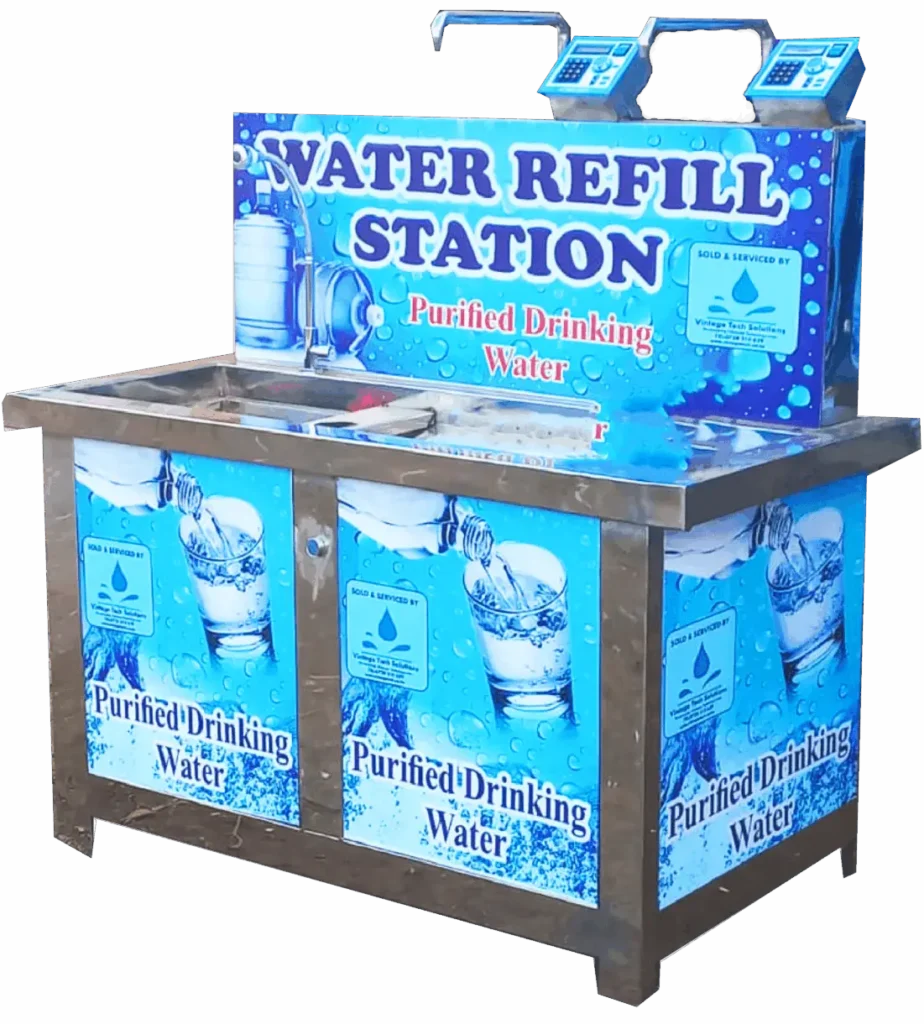
How To Start a Water Refilling Station Business in Kenya Launching a Water refilling station business in Kenya presents a promising opportunity, driven by the rising demand for affordable, clean drinking water. Rapid urbanization, population growth, and inconsistent municipal supply create a steady market for reliable water solutions. This guide outlines how to start a water refilling station business in Kenya. We shall discuss key steps to establish your Water refilling station business, from planning to execution. How To Start a Water Refilling Station Business in Kenya Conduct Market Research Begin by analyzing local demand and competition. Identify regions with water shortages or areas where existing suppliers fail to meet quality or capacity needs. Assess competitors’ pricing, packaging, and customer reach. Understanding gaps in the market will help you position your Water refilling station business strategically. Develop a Business Plan Craft a detailed business plan outlining your objectives, target demographics, pricing model, and operational costs. Include expenses for equipment (e.g., purification systems, storage tanks), packaging, distribution, and marketing. Financial projections and contingency plans will strengthen your strategy and attract potential investors or lenders. Obtain Licenses and Permits Comply with Kenyan regulations by securing permits from the Kenya Bureau of Standards (KEBS) for water quality certification and the National Environment Management Authority (NEMA) for environmental compliance. Additional licenses from local authorities may be required. Adhering to standards builds trust and avoids legal hurdles. Buy a High-quality Water Station Machine Investing in a high quality water station machine is one of the best decisions you shall make and one of the key’s to the success of your business. If you need to buy a high-quality water station machine no need to look any further. At Vinsol, we make the best water station machines in Kenya. Secure a Reliable Water Source You are in the business of selling water. You therefore need to source a reliable supply of the same. Choose a sustainable water source, such as a borehole, dam, well, treated municipal supply, or natural spring. The key thing is to find a reliable and safe water source. Inasmuch as you may have a water purification system, you still need to consider the source. A very contaminated source will mean more purification cost because first you will need to invest in a very sophisticated and expensive water purifier. Secondly you will be changing membranes and other replaceable parts very often. Invest in a high-quality Water Purifier that Meets KEBS Standards Another important item you need to invest in is a high-quality water purification machine (e.g., reverse osmosis system that meets KEBS standards to ensure water meets KEBS safety standards. Regular testing and maintenance are critical to maintaining quality and customer confidence. However this can be optional if you buy purified water. The only disadvantage is that buying purified water might be more expensive than purifying your own. In the long run the costs you save by purifying your own water and the better profit margins as a result most likely will repay the initial cost of buying a water purification system. Design Packaging and Distribution Systems Opt for durable, eco-friendly containers (e.g., reusable 20L bottles) to appeal to environmentally conscious consumers. Brand your packaging professionally to stand out. Establish a distribution network—consider partnerships with shops, offices, and home delivery services—to maximize reach and convenience. Launch Strategic Marketing Campaigns Promote your Water refilling station business through digital and community channels. Leverage social media for engagement and run promotions (e.g., discounted first orders) to attract initial customers. WhatsApp, Facebook, Tiktok are good platforms. Prioritize Customer Experience Train staff in hygiene practices, customer service, and efficient delivery. Implement feedback mechanisms (e.g., surveys) to address concerns and improve services. Loyalty programs or subscription models can enhance retention and ensure recurring revenue. Monitor Business Performance Track metrics like sales growth, delivery efficiency, and customer satisfaction. Adapt to market trends—such as rising demand for home dispensers—and refine operations accordingly. Regular audits of water quality and costs will ensure long-term profitability. Types of Water Refilling Businesses You Can Start in Your Estate Launching a water refilling station business in your estate offers flexibility to align with your budget and market needs. Below are two primary models to consider: Pre-Packaged Bottled Water Overview: Sell sealed, branded bottles (e.g., 500ml or 1L) through vending machines or retail outlets. Pros: Lower upfront costs: Requires minimal equipment (e.g., vending machines, storage shelves). Convenience: Appeals to on-the-go consumers. Cons: Higher recurring expenses: Costs for purchasing pre-filled bottles, packaging, and transportation. Environmental impact: Plastic waste may deter eco-conscious customers. Tips for Success: Partner with reputable suppliers to ensure consistent quality. Use eye-catching labels and eco-friendly materials to differentiate your brand. Bulk Water Refilling Overview: Customers bring containers (e.g., 20L jerricans) for refilling, paying per liter. Pros: Cost-efficient long-term: Eliminates packaging costs; water can be sourced locally (e.g., boreholes, treated municipal supply). Sustainability: Reduces plastic waste, appealing to environmentally aware clients. Cons: Higher initial investment: Requires purification systems, storage tanks, and dispensers. Space needs: Adequate area for equipment and customer queues. Tips for Success: Offer discounted rates for regular customers or bulk purchases. Provide clean, branded containers for sale to build trust. Key Considerations for Both Models Water Quality: Obtain certifications (e.g., KEBS) and conduct regular testing. Pricing Strategy: Balance affordability with profitability; research competitors’ rates. Customer Service: Train staff in hygiene practices and efficient service to foster loyalty. How to Maximize Profits Prime Location: Set up near busy hubs (e.g., schools, transport stations) to ensure steady foot traffic. Competitive Pricing: Offer tiered pricing (e.g., discounts for large volumes). Loyalty Programs: Introduce subscription plans or referral rewards. Monitor Trends: Adapt to shifts like demand for home delivery or alkaline water options. How to start a water refilling station business in Kenya: Conclusion In conclusion, meticulous planning, market research, and compliance with legal regulations are necessary when launching a water refilling station business in Kenya. You can start a profitable business in this expanding sector by offering safe and clean drinking water along with first-rate customer service. Maintain focus, adjust to changing
Why Buy Vinsol Milk Vending Machines
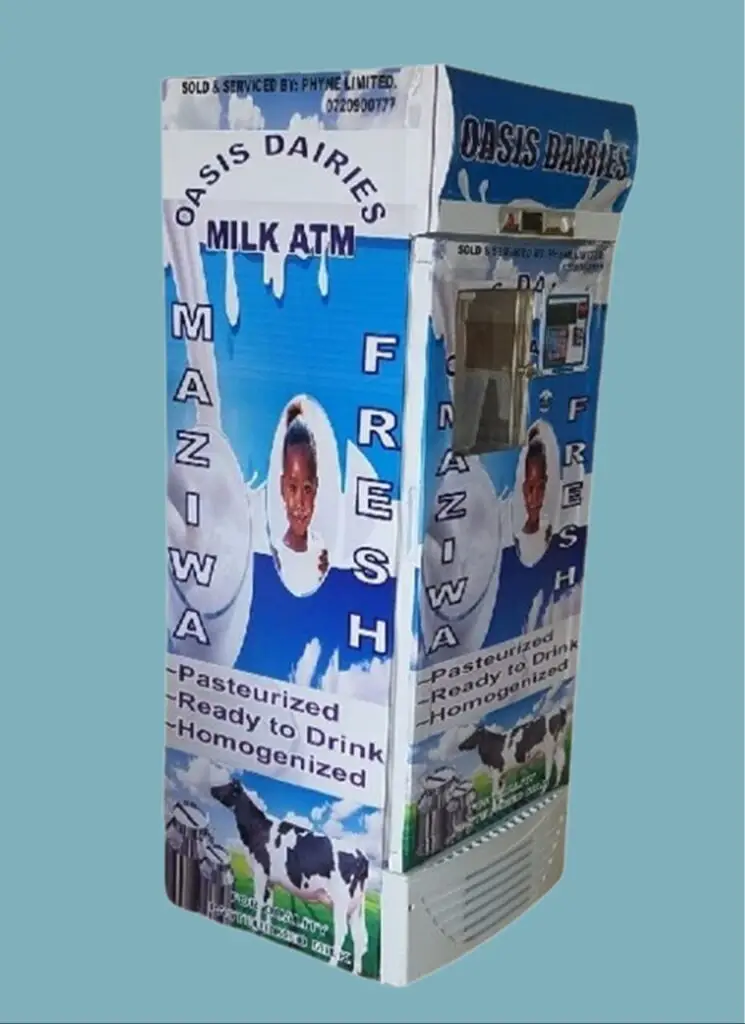
Why Buy Vinsol Milk Vending Machines Introduction In today’s fast-paced market, innovation meets reliability in the form of Vinsol Milk Vending Machines. Vinsol stands as a trailblazer in dairy distribution, combining cutting‐edge technology with an unwavering commitment to customer satisfaction. In this post, we explore why buy Vinsol milk vending machines as the smart choice for modern businesses and community service providers in Kenya, highlighting every compelling reason behind their rising popularity. Why Buy Vinsol Milk Vending Machines 12-Month Warranty: Peace of Mind Guaranteed Vinsol milk ATMs come with an impressive 12-month warranty that ensures worry-free operation from day one. This warranty underscores our commitment to quality, guaranteeing that your investment is safeguarded against common mechanical issues or defects. When you choose Vinsol, you secure a partner who stands by its products, giving you the confidence to focus on business growth rather than equipment maintenance. Unbeatable Affordability in Kenya Our milk ATMs rank among the most affordable in Kenya, making high-quality dairy solutions accessible to a wide range of enterprises. The competitive pricing is not just about low costs—it’s an invitation to start or expand your business without a massive financial burden. With affordability at its core, Vinsol ensures you receive top-notch performance and durability while keeping your budget intact. Highly Recommended Milk Dispensers Nationwide Vinsol milk dispensers boast a strong reputation as one of the most recommended solutions in Kenya. This level of endorsement comes from satisfied customers who have experienced the benefits of efficient operation and reliable performance firsthand. Such widespread acclaim reinforces the question of why buy Vinsol milk vending machines when trusted, proven quality is so readily available. Countrywide Delivery Via Trusted Courier Services We understand that accessibility drives success, which is why Vinsol offers countrywide delivery through reliable courier service providers. No matter where your business is located in Kenya, rest assured that our efficient logistics network will have your vending machine delivered promptly. This worry-free delivery system ensures you can expand your operations quickly and confidently with the support of a nationwide network. Custom Branding Options to Make Your Business Identity Standout Brand personalization is key in today’s competitive market. Vinsol provides tailored custom branding options that allow you to align your milk vending machine with your unique brand theme. This opportunity to infuse your corporate identity into the design not only elevates your business image but also creates an unforgettable customer experience that turns first-time buyers into loyal clients. Milk Storage Tanks Capacities Starting at 50 Liters Whether you run a small local outlet or a large-scale dairy operation, Vinsol offers a range of milk storage capacities starting at 50 liters and moving upward. This flexibility means you can choose a machine that perfectly matches your sales volume and operational needs. By accommodating various storage sizes, Vinsol ensures that no matter the scale of your business, you always have the optimal solution at hand. Flexible Vending Unit Options: Single and Double Configurations Recognizing that every business has unique requirements, Vinsol offers both single and double vending unit configurations. A single unit is ideal for smaller spaces or start-ups looking to test the market, while a double unit suits larger operations that demand higher output. This versatility in design means you are empowered to select a configuration that best augments your service capacity and revenue generation. Exceptional After-Sale Services Customer support does not end at the point of sale with Vinsol. We offer dedicated after-sale services designed to ensure that your milk vending machine runs smoothly long after installation. This comprehensive support system—from routine maintenance to prompt troubleshooting—demonstrates our unwavering commitment to nurturing a long-lasting relationship with our clients. A Quick Turnaround Time of 3-5 Days Time is money, and Vinsol appreciates the urgency that drives competitive businesses. With a turnaround time of just 3-5 days after deposit payment, you can set your operations in motion almost immediately. This swift delivery not only minimizes downtime but also gives you the agility to meet market demands without delay. Accessible Offices and Production Plant for Direct Engagement For those who prefer a personal touch, our offices and production plant are readily accessible. Located at Kihunguro, Ruiru along the Thika Super Highway, our production facility welcomes clients for a firsthand look at the quality and care infused into every machine. This transparency provides an immersive experience that builds trust, making it clear why buying Vinsol milk vending machines is an investment in quality and reliability. Why Buy Vinsol Milk Vending Machines: Conclusion In summary, there are numerous compelling reasons why buy Vinsol milk vending machines—from the extensive 13-month warranty and unbeatable affordability to highly recommended performance and customization options. Each feature is meticulously designed to offer unmatched value, ensuring that your business or service operation thrives. Choosing Vinsol means embracing technological innovation, enjoying reliable support, and stepping confidently into a future of modern dairy distribution. Contact us to place an order for a milk ATM Experience firsthand how Vinsol can transform your business. With every detail tailored to customer success, now is the time to invest in a solution that revolutionizes dairy service delivery. Discover a world of efficiency, innovation, and lasting quality with Vinsol Milk Vending Machines today. Use any of the following means: Call/WhatsApp Us: +254 715 01 45 10 Email: inquiries@vinsol.co.ke | info@vinsol.co.ke Contact us form: You can also reach out to us by filling the contact us form. Visit Our Branches For those who prefer a face-to-face interaction, we welcome you to visit our branches located strategically in Kenya: Ruiru Branch: Next to Total Petrol Station- Kihunguro, Ruiru Eldoret Branch: Visit our Eldoret branch us at Rehema Complex, opposite Japara Ltd., along Oloo Street in Eldoret. Our branch staff will provide you with personalized guidance and support.