Vinsol Salad Cooking Oil Dispensers: The Best Cooking Oil Business Machines in Kenya

Vinsol Salad Cooking Oil Dispensers- The Best Cooking Oil Business Machines in Kenya Selling cooking oil in Kenya continues to evolve as businesses adopt modern vending technologies that improve efficiency, quality, customer experience, and profitability. One of the most effective innovations in this sector is the use of cooking oil ATMs. More entrepreneurs are embracing these machines to offer affordable, accessible, and hygienic cooking oil to consumers, especially in residential and high foot traffic areas. This comprehensive guide explores reasons why you should invest in Vinsol Salad Cooking Oil Dispensers for selling cooking oil. We shall also discuss why these machines have become essential for small shops, minimarts, retail stores, and community based vendors. You will also learn the best practices for running a successful cooking oil vending business and discover where to buy high quality cooking oil ATMs in Kenya. The Best Cooking Oil Business Machines in Kenya- Vinsol Salad Cooking Oil Dispensers As households continue to look for affordable ways to purchase essential food items, the demand for pocket friendly cooking oil remains strong. Many families prefer buying small quantities daily instead of investing in larger, more expensive bottles. Vinsol cooking oil dispensers give vendors a proven system for serving this demand with convenience, precision, and top level hygiene. Using Vinsol Salad Cooking Oil Dispensers for selling cooking oil go beyond convenience. They create new business opportunities, reduce operational inefficiencies, and help sellers offer a streamlined customer experience that encourages loyalty and repeat purchases. Benefits of Using Vinsol Salad Cooking Oil Dispensers for Selling Cooking Oil Vinsol is widely recognized for manufacturing some of the best cooking oil vending machines in Kenya. Their machines combine reliability, accurate calibration, food grade materials, and easy operation, making them a preferred choice for entrepreneurs across urban and rural areas. Below are the top benefits that make Vinsol salad oil dispersers machines the ideal solution for modern vending. Time Saving Convenience for Customers and Vendors One of the main benefits of using Vinsol Salad Cooking Oil Dispensers for selling cooking oil is the fast, smooth, and stress free purchasing process they create. Customers no longer need to queue in supermarkets or travel long distances to restock cooking oil. The ATMs are often placed close to residential areas, shops, and kiosks where customers can access oil quickly without disruption to their daily activities. This is particularly helpful in urgent situations when someone runs out of cooking oil while cooking. Instead of taking a long trip to the nearest supermarket, they can simply walk to the nearest Vinsol cooking oil dispenser, buy the exact amount they need, and continue preparing meals. The time saving convenience encourages customer loyalty and increases purchase frequency which directly boosts sales for the vendor. Unmatched Convenience in Areas With Limited Retail Options In many neighborhoods, especially developing and low income communities, access to supermarkets or fully stocked shops can be limited. Vinsol Salad Cooking Oil Dispensers bridge this gap by providing reliable access to cooking oil at any time of the day. Since the machines operate for extended hours that exceed typical supermarket schedules, they offer unmatched convenience for consumers. This accessibility is one of the reasons Vinsol cooking oil dispensers remain highly popular in densely populated areas where residents prefer quick, local shopping options. Cost Effective Solution for Buyers Customers looking for affordability often prefer buying small portions of cooking oil. Cooking oil ATMs make this possible without the additional costs associated with packaging and retail overhead found in traditional outlets. Many low income households rely on daily purchases rather than bulk buying. For these customers, the machines offer a cost effective alternative that allows them to buy only what they can afford, whenever they need it. For vendors, this pattern of frequent purchases results in consistent daily sales and predictable revenue. Strong Build, High Quality Components and Long Lifespan Vinsol manufactures high quality cooking oil ATMs in Kenya using durable, food grade materials that support long term usage. Their machines are designed to withstand heavy daily operation and are built with superior components, including: Stainless steel tanks and dispensing systems High performance pumps suitable for food products Quality chillers and secure PLC systems Accurate digital calibration units These features make Vinsol machines some of the most reliable and high quality cooking oil vending machines available in Kenya today. Improved Hygiene and Food Safety Cooking oil is a sensitive product that must be handled with care. Vinsol salad oil dispersers machines are designed to comply with high hygiene standards to ensure safety at all times. The machines are easy to clean, minimize contamination, and allow vendors to maintain proper sanitation practices. For customers, the assurance of clean, safe, and fresh oil builds trust and strengthens the reputation of the business. Accurate Calibration for Fair Pricing Another key advantage of using Vinsol Salad Cooking Oil Dispensers is their highly accurate calibration system. This ensures customers receive exactly what they pay for and vendors avoid losses caused by inaccurate dispensing. Proper calibration provides two main benefits: The vendor does not underprice or oversupply, protecting the business from financial loss. Customers receive correct quantities, preventing complaints and building long term trust. This precision is a major reason many business owners consider Vinsol machines the best cooking oil vending machines in Kenya. Enhanced Business Security Through PLC Password Protection Each Vinsol cooking oil ATM includes a secure PLC unit that controls pricing and sales records. Only authorized individuals with the correct password can change settings or access sensitive business data. This prevents tampering, protects business margins, and ensures accountability within the operation. Reliable Technical Support and One Year Warranty Vinsol provides a one year warranty and responsive technical support. If any operational issue arises within the warranty period, customers receive free assistance that ensures their business continues running smoothly without interruption. This support system gives vendors confidence that they are investing in reliable, high quality equipment backed by a reputable team. Additional Best Practices for Using Cooking Oil ATMs Successfully To
Dairy Milk Preservation Solutions in Kenya
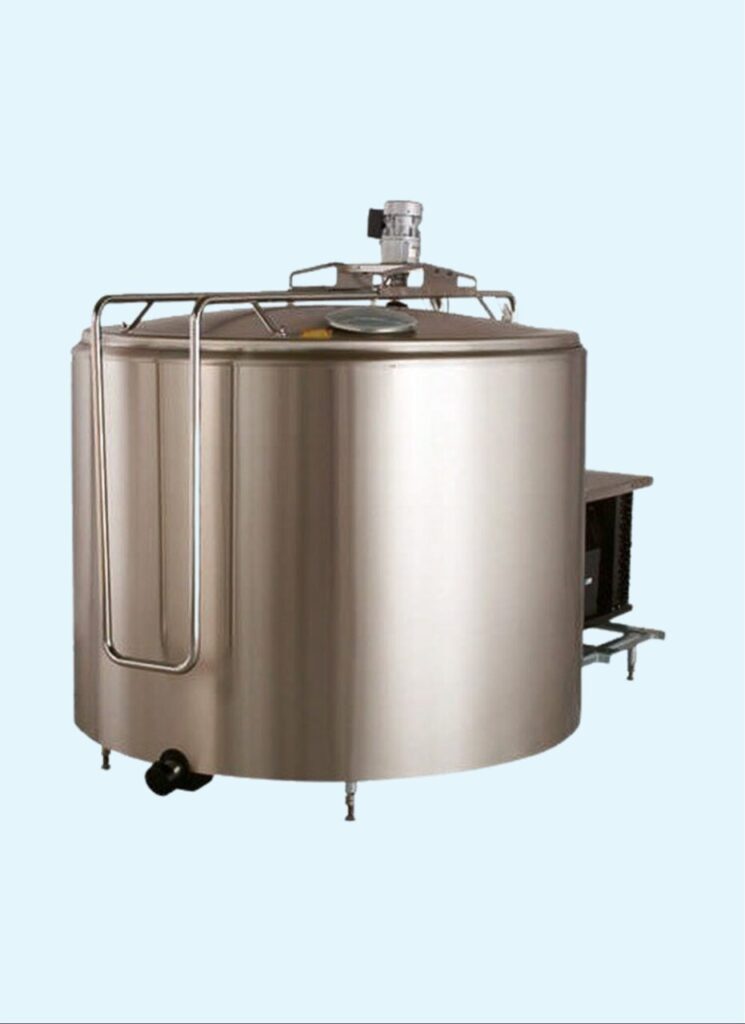
Dairy Milk Preservation Solutions in Kenya: A Comprehensive Guide Introduction Kenya’s thriving dairy sector faces a critical challenge that every farmer and processor must address: preserving milk quality from the moment it leaves the cow until it reaches consumers. The importance of effective dairy milk preservation solutions in Kenya cannot be overstated, as proper preservation directly impacts farmer income, consumer safety, and the overall sustainability of dairy operations. Raw milk is highly perishable, with bacteria doubling every 20-30 minutes at ambient temperatures, making rapid preservation essential. Modern dairy milk preservation solutions in Kenya rely primarily on technologies like bulk milk coolers (BMC), electric milk coolers, and solar-powered milk coolers, which chill milk to 4°C to inhibit bacterial growth and preserve freshness for collection or processing. Beyond refrigeration, other solutions include pasteurization, which uses controlled high temperatures to eliminate harmful bacteria for extended shelf life, and traditional fermentation methods to produce maziwa lala or Mursik. In this comprehensive post, we shall discuss common dairy milk preservation solutions in Kenya, covering both modern technologies and traditional methods. We shall also discuss compelling reasons why buyers should invest in our dairy milk preservation machines and why Vinsol stands as your most reliable partner in dairy milk preservation solutions in Kenya. Dairy Milk Preservation Solutions in Kenya: What Options Are Available? There are several effective dairy milk preservation solutions in Kenya that farmers and processors can implement based on their scale of operation, budget, and infrastructure availability. Some solutions require substantial capital investments in modern equipment, while other traditional methods utilize readily available resources that don’t demand significant financial input. These preservation methods fall into four main categories: cold storage solutions, thermal processing, integrated management systems, and traditional solutions. Let us examine each option in detail to help you make informed decisions for your dairy operation. Cold Storage Solutions Cold storage represents the most critical first line of defense in preserving milk quality immediately after milking. By rapidly reducing milk temperature, these solutions dramatically slow bacterial multiplication and preserve the milk’s natural characteristics. Bulk Milk Coolers (BMC) These insulated stainless-steel tanks chill raw milk to 4°C, maintaining freshness and quality before it’s processed or transported. Bulk milk coolers are engineered for high-volume operations, featuring advanced direct expansion refrigeration systems that can cool large quantities of milk in just 2-3 hours. The sophisticated design includes automated agitation systems that ensure uniform temperature throughout the milk volume. Vinsol is the leading manufacturer of both small and bulk milk coolers that serve dairy operations across Kenya. We manufacture bulk milk coolers that meet KEBS quality standards and Kenya Dairy Board regulations, ensuring your investment delivers reliable performance and regulatory compliance. Our reputation as producers of the best milk coolers in Kenya is built on decades of experience understanding local farming conditions and power infrastructure challenges. Vinsol milk coolers combine international engineering excellence with local manufacturing expertise, resulting in high quality milk chillers that withstand the demands of daily dairy operations. These milk cooling tanks made in Kenya offer advantages that imported alternatives cannot match, including faster delivery times, readily available spare parts, and local technical support. When you buy Vinsol bulk milk coolers, you’re investing in equipment backed by comprehensive warranties, professional installation services, and ongoing technical support. Open-Top Milk Cooling Tanks Similar to BMCs but featuring an open-top design, these cooling tanks are particularly suitable for smaller operations or facilities without automated cleaning systems. They allow easy access for sampling, quality testing, and manual handling during the milk collection process. The open-top configuration provides operators with complete visibility of milk condition and facilitates straightforward cleaning procedures. At Vinsol, we manufacture open-type milk cooling tanks that meet world-class quality standards while addressing the practical needs of Kenyan dairy operations. The best milk cooling tanks in Kenya come from our manufacturing facility, where we combine food-grade AISI 304 stainless steel construction with precision engineering. Vinsol milk cooling tanks feature robust insulation, energy-efficient refrigeration systems, and user-friendly controls that make operation straightforward. Our high quality milk chillers are built to withstand the rigorous demands of daily milk handling, with corrosion-resistant materials and professional-grade welding. These milk cooling tanks made in Kenya incorporate design features specifically tailored to local conditions, including voltage stabilization for areas with unstable power. Our milk cooling tanks meet KEBS quality standards and undergo rigorous testing before leaving our factory. When you invest in our open-top milk cooling tanks, you’re choosing equipment that combines affordability with professional-grade quality. Solar Powered Milk Coolers and Tanks These innovative refrigerated stainless steel tanks are powered by solar energy, making them ideal solutions for remote areas with unreliable electricity supply or off-grid locations. Solar-powered milk coolers represent a sustainable, cost-effective alternative that eliminates ongoing electricity costs while providing reliable cooling performance. They chill milk to the critical 4°C storage temperature, preventing bacterial growth and preserving quality until collection. The solar cooling technology utilizes photovoltaic panels to power the refrigeration compressor during daylight hours while charging battery banks that maintain cooling overnight. This autonomous operation makes solar milk coolers particularly valuable for pastoralist communities, remote smallholder farmers, and collection centers in areas where electricity access remains challenging. Cold Rooms Solar-powered or electric cold rooms offer comprehensive, off-grid cold storage solutions for dairy products and other perishable food items. These walk-in refrigerated spaces provide controlled temperature environments ranging from -10°C to 10°C depending on the products stored, with humidity control and air circulation systems. We are a leading cold room construction company in Kenya. Vinsol cold rooms are particularly valuable for dairy processors, dairy cooperative collection centers, and commercial operations that need flexible storage capacity for various products simultaneously. Many modern cold rooms incorporate digital monitoring systems that track temperature continuously and alert operators to any deviations. Vinsol builds world class cold rooms for different uses. If you need an electric cold room for your bulk milk storage get in touch with us today. Thermal Processing While refrigeration preserves milk temporarily, thermal processing extends shelf life significantly by eliminating the bacteria
How to Start a Cooking oil ATM Business in Kenya With Ksh 50,000

Unlocking Your Entrepreneurial Dream: How to Start a Cooking oil ATM Business in Kenya With Ksh 50,000 The landscape of small businesses in Kenya is constantly evolving, with innovative ventures gaining traction. Among these, the cooking oil dispenser business in Kenya has emerged as a promising and profitable sector. We see this not just as a trend but as a genuine solution to the everyday household need for affordable cooking oil. This business model offers a low barrier to entry and a high potential for returns, making it an ideal venture for aspiring entrepreneurs. The good news is that you can start a cooking oil ATM business in Kenya with Ksh 50,000. We understand that starting a business often feels like a monumental task, especially when working with limited capital. However, we’re here to show you that starting a cooking oil ATM business in Kenya with Ksh 50,000 is not only possible but a viable and smart move. This guide provides a step-by-step roadmap to get you started successfully. Our goal is to equip you with the knowledge and tools you need to navigate this exciting entrepreneurial journey and set a solid foundation for your business. A Comprehensive Guide to Starting a Cooking oil ATM Business in Kenya With Ksh 50,000 Laying a strong foundation is crucial for any business venture. We believe that proper planning saves valuable time and resources. For those looking to start a cooking oil ATM business in Kenya with Ksh 50,000, strategic foresight is paramount. This initial phase sets the tone for your entire operation and ensures you begin on the right foot, ready to tackle challenges. The Business Plan: Laying the Foundation First, we recommend thorough market research and analysis. Understanding your target customers is essential for success. Who are they, where do they live, and what are their purchasing habits? This knowledge helps you tailor your approach. Also carefully consider the right location for your salad oil ATM business. Factors like foot traffic, proximity to residential areas, and local competition play a significant role. Sourcing capital is another critical aspect, especially when aiming to start a cooking oil ATM business in Kenya with Ksh 50,000. Look for cost-effective solutions and smart financial management strategies. Effective budgeting and careful expenditure tracking will ensure your initial investment is stretched as far as possible. This allows you to maximize your resources from the very beginning. Sourcing the Right Equipment: Choosing the Best Cooking Oil ATMs in Kenya Next, focus on acquiring the right equipment for your venture. What to look for in a quality cooking oil dispenser is a question you must take seriously. Durability, accuracy, and ease of maintenance should be your top priorities. Explore various types of cooking oil ATMs available in the market, comparing robust stainless steel models with aesthetically pleasing wooden options. Understanding the technology behind these machines is also vital. Advanced PLC systems that power modern dispensers is a key consideration. These systems are crucial for accurate dispensing and sales tracking. Choosing the best cooking oil ATMs in Kenya involves balancing cost, quality, and technological sophistication. Always aim for optimal value for money. Also read: How Cooking Oil ATMs Work Getting Your Business Legally Registered Legal compliance is a cornerstone of responsible business operation. It’s important to understand the importance of adhering to all regulatory requirements. The first step involves registering your business name with the Registrar of Companies. This formalizes your operation and grants legal recognition. It is a fundamental process for any new enterprise. Following this, you must obtain a business permit from your local county government. This permit ensures that your cooking oil dispenser business in Kenya operates within legal boundaries. Navigating these bureaucratic steps can seem daunting. However, they are essential for long-term stability. Your commitment to legality builds trust with your customers. Sourcing and Supply of Cooking Oil A consistent supply of high-quality cooking oil is vital for your success. Meticulously identify reliable suppliers who can meet your demands. Building strong relationships with these suppliers should be a priority for you. This helps in negotiating for the best prices. Cost-effective sourcing directly impacts your profitability and competitive edge. Quality control is another non-negotiable aspect of your operations. Ensure that the cooking oil you dispense meets all food safety standards. Your customers trust you to provide safe and wholesome products. Maintaining these high standards is paramount for your reputation. Never compromise on product quality for any reason. Also read: How to Start a Milk ATM Business in Kenya With Less Than 150,000 Shillings Best Tips for Starting a Salad Oil Dispenser in Kenya Effectively marketing your cooking oil dispenser business in Kenya is key to attracting customers. Develop clear strategies to reach your target audience, including local advertisements and community engagement. Your pricing strategy should also be carefully considered. Aim to set a competitive price per liter that offers value. This balance attracts customers while ensuring profitability. Ultimately, customer service best practices are crucial for building a loyal customer base. Prioritize friendly interactions and efficient service. Your goal is to make every customer experience positive and memorable. When considering the best tips for starting a salad oil dispenser in Kenya, excellent customer service stands out. It fosters trust and encourages repeat business. How to Start a Cooking oil ATM Business in Kenya With Ksh 50,000: The Breakdown To help you visualize this startup, here’s a simple cost breakdown: Cost of Cooking Oil ATM: Ksh 25,000 Cost of Renting Premises and Renovation: Ksh 12,000 Business Permit: Ksh 3,500 Buying Stock: Ksh 5,000 Miscellaneous Costs: Ksh 4,500 Total: Ksh 50,000 This breakdown demonstrates that with careful allocation, you can indeed launch this business with a modest budget. Also read: How to operate a cooking oil ATM business in Kenya Why Choose Vinsol? The Best Cooking Oil ATM Suppliers in Kenya When embarking on the journey to start a cooking oil ATM business in Kenya with Ksh 50,000, choosing the right partner is paramount. We at Vinsol are committed
How to Start a Milk ATM Business in Kenya With Less Than 150,000 Shillings
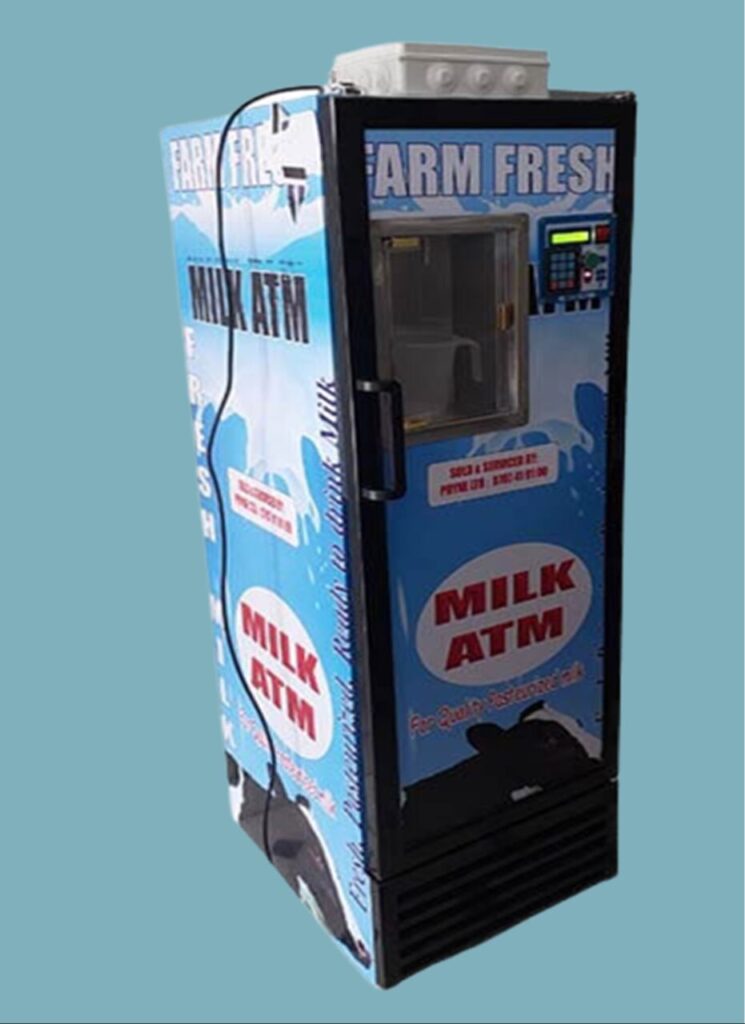
How to Start a Milk ATM Business in Kenya With Less Than 150,000 Shillings Introduction: Your Path to Milk ATM Success Starting a milk ATM business in Kenya presents an incredible opportunity for entrepreneurs seeking profitable ventures. We understand that many aspiring business owners worry about capital requirements. However, launching a successful milk vending operation is entirely feasible with less than 150,000 shillings. This blog post will guide you on how to start a milk ATM business in Kenya with less than 150,000 shillings. Budget-conscious entrepreneurs can enter this market strategically. Quality milk ATM machines from reliable manufacturers like Vinsol start at Ksh 70,000. This leaves sufficient capital for location setup and initial stock. Smart planning maximizes your investment potential significantly. Location selection remains crucial for milk ATM success. High-traffic areas generate consistent daily sales. Residential estates, shopping centers, and transport hubs offer excellent foot traffic. We recommend thorough market research before committing to locations. Start a Milk ATM Business in Kenya With Less Than 150,000 Shillings: Understanding the Milk ATM Business Opportunity The Dairy Industry in Kenya: Market Demand for Fresh Milk The dairy industry in Kenya continues experiencing robust growth. Urban consumers increasingly demand convenient access to fresh milk. This trend creates excellent opportunities for milk ATM entrepreneurs. We’ve witnessed countless success stories from business owners who started small. Kenya’s milk consumption patterns favor convenient purchasing options. Urban dwellers appreciate 24-hour access to fresh products. Traditional shops often close early or lack refrigeration. Milk ATM machines bridge this critical gap effectively. Consumer preferences increasingly favor hygienic milk dispensing systems. Modern buyers prioritize food safety over traditional methods. Automated vending eliminates human contamination risks during sales. This trend strongly supports milk ATM business viability. Population growth in urban centers drives consistent demand. More families require daily fresh milk supplies. School feeding programs and coffee shops need reliable sources. These factors create sustainable customer bases for operators. Profitability Analysis for Small Budgets Profit margins in milk vending typically range 15-25%. Daily sales of 50-100 liters generate reasonable returns. Location quality directly impacts daily volume potential. Strategic positioning can double or triple earnings. Operating costs remain relatively low for milk ATM businesses. Electricity consumption averages Ksh 200-500 monthly per machine. Regular cleaning supplies cost approximately Ksh 1,000 monthly. Staff requirements are minimal for automated operations. Return on investment usually occurs within 12-18 months. Well-located machines recover initial costs faster than anticipated. Reinvesting profits enables business expansion and additional machines. We’ve observed successful scaling strategies among clients. Start a Milk ATM Business in Kenya With Less Than 150,000 Shillings: Comprehensive Business Planning for Milk ATM Ventures Market Research Fundamentals Thorough market research forms the foundation of success. We recommend visiting potential locations at different times. Observe foot traffic patterns during morning and evening hours. Weekend activity levels often differ from weekdays significantly. Competition analysis reveals pricing strategies and service gaps. Document existing milk vendors and their operating schedules. Identify underserved areas with high population density. These insights guide optimal positioning decisions for maximum profitability. Customer demographics influence product preferences and pricing sensitivity. Residential areas favor family-sized quantities and competitive pricing. Commercial zones may support premium pricing for convenience. Understanding your target market enables strategic business positioning. Seasonal demand variations affect inventory planning and cash flow. School holidays typically reduce daytime sales volumes. Religious seasons may increase household milk consumption. Planning for these cycles prevents stock shortages and waste. Budget Allocation Strategy Effective budget distribution maximizes business setup success rates. We recommend allocating 70% for equipment procurement from reputable manufacturers. Location setup and renovation should consume approximately 20%. Reserve 15% for initial stock and operating expenses. Machine quality significantly impacts long-term operational costs. Investing in KDB-approved milk dispensers ensures regulatory compliance. Cheaper alternatives often require frequent repairs and replacement. Quality machines from established manufacturers offer better warranties. Location costs vary significantly across different areas. Prime locations command higher rental fees but generate superior sales. Evaluate rental costs against projected daily sales volumes. Calculate break-even points before committing to agreements. Working capital requirements include milk procurement and operational expenses. Maintain sufficient funds for 2-3 weeks of operations. This buffer prevents cash flow disruptions during slow periods. Emergency funds enable swift problem resolution when needed. Start a Milk ATM Business in Kenya With Less Than 150,000 Shillings: Legal and Regulatory Requirements Business Registration Process Proper business registration establishes legal operating foundation. Register your milk ATM business with relevant county authorities. Choose appropriate business structures like sole proprietorship or partnership. Complete registration typically takes 3-5 business days. Obtain a certificate of incorporation from county government offices. This document enables bank account opening and manufacturer relationships. Keep original certificates secure and maintain multiple copies. Registration fees typically range Ksh 2,000-5,000 depending on location. Tax compliance includes obtaining KRA PIN and VAT registration. Small businesses may qualify for reduced tax rates. Consult tax advisors for optimal structuring strategies. Proper documentation prevents future compliance issues with authorities. Kenya Dairy Board Licensing KDB licensing ensures milk quality standards and consumer protection. Submit online applications through the official KDB portal. Required documents include business registration and premises details. Application processing typically takes 10-14 working days. Premises inspection covers hygiene standards and equipment compliance. Ensure adequate ventilation and proper drainage systems. Install appropriate lighting and maintain clean surroundings. Inspectors verify machine specifications and safety features. Annual license renewal maintains legal operating status. Renewal fees vary based on machine capacity and location. Early renewal prevents operational disruptions and penalties. Maintain good relationships with KDB officials for smooth processes. Food handling certificates are mandatory for all staff members. Training programs cover hygiene practices and safety protocols. Certificate validity periods require periodic renewal and updates. Invest in proper staff training for regulatory compliance. County Government Business Permits Single Business Permits streamline local government compliance requirements. These permits replace multiple previous licensing requirements. Application processes vary across different county governments. Budget approximately Ksh 5,000-15,000 for permit acquisition. Health department approvals cover sanitation and food safety standards. Regular inspections ensure ongoing compliance with health regulations. Maintain
10 Crucial Factors to Consider Before Drilling a Borehole
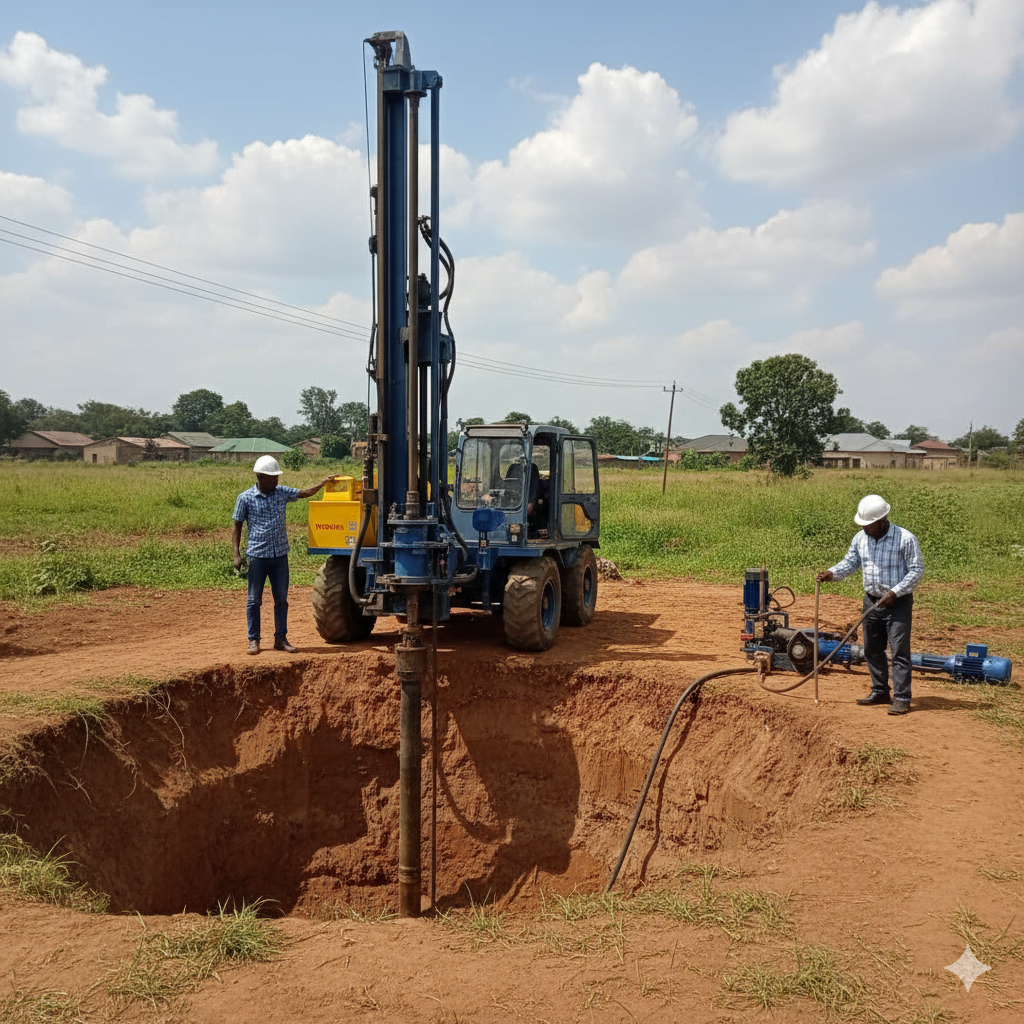
10 Crucial Factors to Consider Before Drilling a Borehole: Your Definitive Guide to a Successful Project Access to clean, reliable water is not just a convenience; it’s a necessity. In Kenya, where water scarcity can be a significant challenge, securing an independent water source through borehole drilling has become an increasingly popular and vital solution for homes, businesses, and agricultural ventures. But drilling a borehole isn’t a decision to be taken lightly. It’s a significant investment that requires careful planning, expert execution, and adherence to regulatory standards. This comprehensive guide will walk you through the 10 crucial factors to consider before drilling a borehole, ensuring your project is not only successful but also sustainable and cost-effective. By understanding these essential elements, you’ll be well-equipped to make informed decisions and avoid common pitfalls. For professional guidance and top-tier borehole drilling services in Kenya, Vinsol Kenya stands as your trusted partner. Also read: Legal Requirements for Borehole Drilling in Kenya 10 Crucial Factors to Consider Before Drilling a Borehole The Pre-Drilling Essentials: Critical Analysis and Legal Compliance The Hydrogeological Survey: The Foundation of Success Before any drilling commences, a hydrogeological survey is the absolute first and most critical step. This scientific study assesses the subsurface geology and hydrology of your property to determine the presence, depth, and quality of groundwater. Conducted by certified water surveyors in Kenya, the survey report reveals: The optimal location for drilling to maximize water yield. The estimated depth to the aquifer (water-bearing rock formation). Potential water quality issues, such as high mineral content. The anticipated sustainable yield of the borehole. Skipping this vital step is like building a house without a foundation—risky and often leading to costly failures. Legal and Regulatory Permits: Drilling by the Book Navigating the legal landscape is paramount. In Kenya, obtaining the necessary permits from the Water Resources Authority (WRA) and the National Environment Management Authority (NEMA) is mandatory. Key permits and considerations include: Water Permit from WRA: Grants permission for water abstraction. Environmental Impact Assessment (EIA) from NEMA: Evaluates the potential environmental effects of the project. Understanding how to get a borehole drilling permit in Kenya is crucial. Non-compliance can lead to hefty fines, project stoppages, and even legal action. Vinsol Kenya assists clients throughout this often complex application process. Understanding the Total Project Cost The cost of drilling a borehole in Kenya is a significant factor. It’s important to understand that this isn’t just about the drilling itself. A comprehensive budget should include: Hydrogeological survey fees. Drilling per meter (depth-dependent). Casing materials and installation. Test pumping and water quality analysis. Pump selection and installation. Permit application fees. Always request a detailed, all-inclusive quote to avoid unexpected expenses. Remember, the cheapest option isn’t always the best in the long run. 10 Crucial Factors to Consider Before Drilling a Borehole: Technical and Environmental Considerations for a Sustainable Borehole Geological and Soil Conditions The geological composition of your site directly impacts the drilling process. Different formations—from soft soils to hard granite—require specific drilling techniques and equipment. This, in turn, influences the project timeline and cost. An experienced drilling company, like Vinsol Kenya, will have the expertise and machinery to handle diverse geological challenges efficiently and safely. Borehole Depth and Water Yield The hydrogeological survey provides an estimated borehole depth. However, the actual depth can vary. The goal is to reach a reliable aquifer that can sustain your water needs. While deeper boreholes often yield more water and can be less susceptible to surface contamination, the relationship between depth and yield isn’t always linear. A professional driller will advise on the optimal depth to achieve a good balance of quantity and quality. Water Quality Analysis: Is the Water Safe? Once drilled, testing the borehole water quality is non-negotiable. This analysis identifies the presence of minerals, chemicals, and bacteria. High levels of certain minerals (e.g., iron, fluoride) or pathogens may necessitate water treatment solutions, such as filtration or chlorination, to ensure the water is safe for its intended use (potable, irrigation, etc.). Pump Selection and Borehole Equipping Choosing the right pump is essential for efficient water abstraction. Factors influencing pump selection include: Borehole depth and diameter. Desired water flow rate (yield). Available power source (solar, electric, generator). Budget. Proper equipping involves installing the correct size of casing, screens, and gravel pack to prevent the borehole from collapsing and to filter out sediment, ensuring the longevity and efficiency of your water system. 10 Crucial Factors to Consider Before Drilling: The Borehole Drilling Process: A Step-by-Step Guide The Drilling Method and Machinery The borehole drilling process involves several stages, beginning with site mobilization, where equipment is transported to your property. Modern drilling rigs utilize various methods, such as rotary drilling or percussion drilling, depending on the geological conditions. Precision and safety are paramount during this phase, requiring skilled operators and well-maintained machinery. A professional company ensures minimal disruption and adherence to environmental best practices. Post-Drilling Services and Maintenance The project doesn’t end when drilling is complete. Critical post-drilling services include: Test Pumping: To determine the sustainable yield of the borehole. Pump Installation: Setting up the chosen pump system. Water Quality Testing: Final verification of water safety. Regular maintenance is key to the longevity of your borehole. This includes periodic pump checks, cleaning, and water quality monitoring. Our comprehensive borehole drilling process at Vinsol Kenya includes ongoing support and maintenance advice. Choosing the Right Borehole Drilling Company This is perhaps one of the most crucial factors to consider before drilling a borehole. Your choice of drilling company will dictate the success, efficiency, and sustainability of your project. Look for a company with: A proven track record and extensive experience. Certified hydrogeologists and licensed drillers. Modern, well-maintained equipment. Transparent pricing and comprehensive contracts. Excellent customer reviews and references. Also read: The Ultimate Guide to Borehole Drilling in Kenya Why Choose Vinsol Kenya for Your Borehole Drilling Needs? The best borehole drilling company in Kenya When it comes to borehole drilling services in Kenya, Vinsol Kenya stands out among borehole drilling
Legal Requirements for Borehole Drilling in Kenya
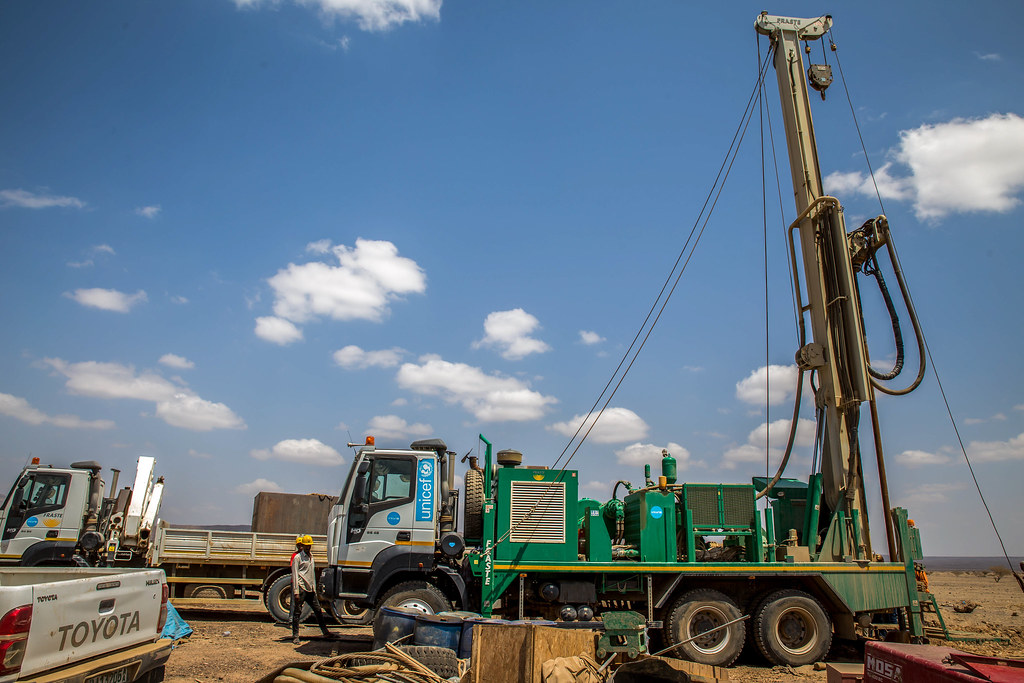
Navigating the Legal Requirements for Borehole Drilling in Kenya Embarking on a borehole drilling project in Kenya is a significant investment that provides long-term water security. However, before any drilling can begin, it’s crucial to understand and comply with the necessary legal and regulatory frameworks. This is not just a bureaucratic formality; it’s a vital step to ensure the sustainability of our shared water resources and to protect your investment. This article serves as a comprehensive guide to the legal requirements for borehole drilling in Kenya. At Vinsol Kenya, we are committed to providing professional borehole drilling services in Kenya and helping our clients navigate this complex process seamlessly. The Core Legal Requirements for Borehole Drilling in Kenya The process of obtaining permits is designed to ensure that boreholes are drilled and managed responsibly. The main regulatory bodies involved are the Water Resources Authority (WRA) and the National Environment Management Authority (NEMA). Hydrogeological Survey Report The first and most critical step is a hydrogeological survey. This technical assessment must be conducted by a certified and licensed hydrogeologist. The purpose of this survey is to determine the feasibility of drilling. The report identifies the most suitable site, estimates the depth to the aquifer, and predicts the expected water yield. This report is the foundation of your application and must be submitted to the WRA. Without a professional survey, you risk drilling a dry well, which can be a costly mistake. Water Resources Authority (WRA) Permit The Water Resources Authority (WRA), established under the Water Act, 2016, is the primary body that regulates water use and management in Kenya. To legally drill and abstract water from a borehole, you must obtain a permit from the WRA. The application process involves submitting your hydrogeological survey report, proof of land ownership, and other relevant documents. The WRA reviews your application to ensure that your project aligns with national water management policies and does not negatively impact existing water sources or aquifers. Obtaining a WRA permit is a mandatory legal step. National Environment Management Authority (NEMA) Approval The National Environment Management Authority (NEMA) is responsible for ensuring that all development projects comply with environmental laws. For borehole drilling, you may be required to submit a Project Report or an Environmental Impact Assessment (EIA) to NEMA for approval. This report details the potential environmental effects of the drilling process and the proposed mitigation measures. NEMA’s approval confirms that your project will be carried out in an environmentally responsible manner, preventing issues like groundwater contamination and land degradation. Other Potential Requirements In addition to the WRA and NEMA permits, some counties may have their own specific regulations or require a letter of no objection from the local water service provider. It’s essential to check with the relevant county government offices to ensure you meet all local requirements. Recommended to read: Your Ultimate Guide to Borehole Drilling in Kenya Why You Should Work with a Professional Borehole Drilling Company in Kenya Navigating the various legal requirements for borehole drilling in Kenya can be a daunting task for a private individual or a business. Working with a professional company like Vinsol Kenya simplifies this process and provides numerous benefits. Compliance is Key A reputable company understands the legal landscape. We handle all the necessary paperwork, from preparing the hydrogeological report to liaising with WRA and NEMA officials. Our expertise ensures full compliance, saving you from potential legal issues, costly fines, and project delays. Maximizing Success and Minimizing Risk Expertise goes hand-in-hand with compliance. Our team of certified hydrogeologists ensures that the initial survey is accurate, drastically reducing the risk of a dry borehole. This professional approach to site selection and planning is a crucial factor in avoiding financial loss and securing a reliable water source. Vinsol Kenya: Your Trusted Partner for Borehole Drilling Choosing the right borehole drilling company in Kenya is the most important decision you’ll make. It determines not only the success of your project but also its long-term viability. At Vinsol Kenya, we pride ourselves on being the best choice for all your water drilling needs. Why Our Borehole Drilling Services in Kenya Stand Out Expertise and Experience: Our team is composed of highly qualified hydrogeologists and experienced drillers who have successfully completed countless projects across the country. We have a deep understanding of Kenya’s diverse geological formations, ensuring an efficient and effective drilling process. State-of-the-Art Technology: We invest in modern drilling rigs and equipment. Our technology allows us to drill accurately and swiftly, minimizing project timelines and costs. This commitment to advanced equipment ensures we can handle complex projects with ease. Transparent and Affordable Pricing: We believe in providing value without hidden costs. Our quotes are detailed and transparent, breaking down every aspect of the cost of drilling a borehole in Kenya. We offer some of the most competitive and affordable rates in the market, making water security accessible to more Kenyans. Comprehensive Service: Our services cover the entire water well drilling process in Kenya, from the initial hydrogeological survey and permit application to the final equipping and maintenance of the borehole. This end-to-end service ensures a seamless and hassle-free experience for our clients. Proven Track Record: Our reputation as one of the best borehole drilling companies in Kenya is built on a history of successful projects. We have a long list of satisfied clients who can attest to our professionalism, reliability, and commitment to quality. Summary of Legal Requirements for Borehole Drilling in Kenya A successful borehole project requires more than just a powerful drilling rig; it demands a professional and compliant approach. The legal requirements for borehole drilling in Kenya, including the hydrogeological survey, WRA permit, and NEMA approval, are essential steps that protect both your investment and our environment. By partnering with a reputable firm, you ensure a smooth process and a sustainable outcome. For a truly professional and seamless experience, choose Vinsol Kenya. We have the expertise, the technology, and the dedication to help you navigate these requirements and secure
Your Ultimate Guide to Borehole Drilling in Kenya

Your Ultimate Guide to Borehole Drilling in Kenya Access to a consistent and clean water supply is a fundamental need for every household, farm, and business. In Kenya, where water scarcity is a growing concern, borehole drilling has become the most reliable long-term solution. Boreholes tap into underground aquifers, providing a sustainable and independent source of water. If you’re considering this investment, a clear understanding of the process is vital. We at Vinsol Kenya are committed to providing professional and affordable borehole drilling services in Kenya. This comprehensive guide to borehole drilling in Kenya is designed to empower you with the knowledge needed to make a smart and successful investment. Your Ultimate Guide to Borehole Drilling in Kenya: A Step-by-Step Guide To Borehole Drilling Process Drilling a borehole is a detailed and technical process that requires expertise and proper planning. It’s not as simple as just digging a hole. A professional approach ensures success and longevity. We follow a proven procedure that maximizes your chances of striking a high-yield water source. 1. Initial Feasibility and Site Survey The journey begins with a hydrogeological survey. This is a scientific assessment conducted by a qualified hydrogeologist. Using geophysical equipment, they analyze the subsurface geology to identify the best drilling site. The survey report provides crucial information. It includes the estimated depth to the water table, the type of rock formations to be drilled, and the expected water yield. This step is the foundation of a successful project. It helps to avoid costly mistakes and dry boreholes. 2. Obtaining Permits and Legal Requirements Before any drilling can begin, you must secure the necessary legal approvals. The two main permits required are from the Water Resources Authority (WRA) and the National Environment Management Authority (NEMA). WRA permits regulate water usage and abstraction, ensuring the sustainability of shared water resources. The NEMA permit, on the other hand, is an environmental compliance document. It ensures the drilling process will not cause harm to the environment. Working with a reputable borehole drilling company in Kenya is crucial here. We handle all the paperwork for you to ensure compliance. 3. The Drilling Operation Once the site is surveyed and permits are secured, our team mobilizes the drilling rig. The drilling process involves using a rotary or percussive rig to bore a hole into the earth. As we drill deeper, we install steel or PVC casing. This prevents the borehole walls from collapsing. Screens are installed at the water-bearing zones to allow water to enter the well while keeping sand and rock out. Our experienced drillers meticulously log the geological formations encountered. They also monitor for signs of water. 4. Post-Drilling Procedures After drilling is complete, a crucial step called test pumping is carried out. This process determines the borehole’s yield and the aquifer’s sustainability. The data from the test pump helps in selecting the right pump for your specific needs. Following this, a sample of the water is collected and sent to a lab for quality analysis. The final step is the installation of the pump and all the necessary fittings. This makes your new borehole fully operational. Making a Smart Investment: Borehole Drilling Costs in Kenya The borehole drilling cost in Kenya is a significant investment. It’s essential to understand what you’re paying for to ensure you get value for your money. The overall cost is influenced by several factors. Breaking Down the Costs The primary cost component is the price per meter drilled. This can vary depending on the geological formation. Drilling through soft soil is different from drilling through hard rock. Other costs include the price of casing materials, the cost of the test pump, and the final pump and equipping costs. It is important to get a comprehensive quote. Hidden Costs to Watch Out For Some companies may quote a low price per meter but add many hidden fees later. These can include mobilization fees, grouting, and unforeseen costs for difficult geological conditions. We believe in complete transparency. Our quotes are detailed and include all potential costs. How Vinsol Kenya Helps You Save Money We help you save money by doing the job right the first time. Our accurate hydrogeological surveys minimize the risk of a dry well, which is a major financial loss. Our efficient drilling process and use of modern equipment reduce operational time. This leads to a more affordable final cost. Choosing the Right Borehole Drilling Company in Kenya for Your Project Choosing a borehole drilling company in Kenya is the most critical decision you’ll make. It determines the success and long-term viability of your investment. We are confident that Vinsol Kenya is your best choice. Why Our Borehole Drilling Services in Kenya Stand Out Expertise and Experience: Our team comprises highly qualified hydrogeologists and experienced drillers. We have a deep understanding of Kenya’s geology and have successfully completed numerous projects across the country. Our knowledge and experience are our biggest assets. State-of-the-Art Technology: We invest in modern drilling rigs and equipment. Our technology allows us to drill efficiently and accurately, even in challenging terrain. This ensures the project is completed on time and within budget. This is a crucial factor in the water well drilling process in Kenya. Affordable and Transparent Pricing: We offer some of the most competitive prices in the market. We provide a clear breakdown of all costs. This ensures you know exactly what you’re paying for. We believe that professional services should also be affordable. Our goal is to provide a clear and fair cost of drilling a borehole in Kenya. Comprehensive Service: We are a full-service company. We handle everything from the initial survey and permit applications to the final installation and maintenance. This takes the burden off your shoulders. It also ensures a seamless and efficient project from start to finish. Our end-to-end service is what makes us one of the best borehole drilling companies in Kenya. Proven Track Record: Our history of successful projects speaks for itself. We have helped many clients
Top Quality Stainless Steel Transport Tanks Made in Kenya

Top Quality Stainless Steel Transport Tanks Made in Kenya: Your Ultimate Liquid Transport Solution The liquid transport industry in Kenya demands equipment that combines durability, safety, and reliability. As businesses across various sectors continue to expand their operations, the need for top quality stainless steel transport tanks made in Kenya has never been more critical. At Vinsol, we understand these challenges and have positioned ourselves as the leading solution provider for all liquid transportation needs. Our expertise spans decades of manufacturing excellence, and we take pride in delivering transport tanks that exceed industry standards. Why Kenya Needs Superior Liquid Transport Solutions Kenya’s growing economy has created unprecedented demand for efficient liquid transport systems. From Nairobi’s bustling commercial districts to rural agricultural communities, businesses require reliable transport solutions that can handle diverse liquid cargo safely and efficiently. The challenging terrain, varying weather conditions, and strict quality standards make it essential to invest in best quality fluid transport tanks in Kenya that can withstand these demanding conditions. We have witnessed firsthand how substandard transport equipment can disrupt operations, compromise product quality, and pose safety risks. The economic impact of reliable liquid transport cannot be overstated. Efficient transport systems reduce operational costs, minimize product loss, and ensure timely delivery to end consumers. By choosing high-quality transport tanks, businesses can significantly improve their bottom line while contributing to Kenya’s economic growth through reliable supply chains. Advanced Engineering Behind Our Transport Tanks Our manufacturing process represents the pinnacle of stainless steel fabrication technology. Each tank begins with premium-grade stainless steel that meets international standards for corrosion resistance and structural integrity. We utilize advanced automated welding systems that create seamless, leak-proof joints throughout the entire tank structure. This precision manufacturing ensures that every stainless steel transport tank by Vinsol meets our rigorous quality standards. Key Engineering Features: Computer-aided design software for optimal tank geometry Precision welding techniques for consistent quality Non-destructive testing for every weld Comprehensive pressure testing before delivery Customized liquid hauling tanks designed to exact specifications Quality control measures are integrated throughout our manufacturing process. Each weld undergoes non-destructive testing, and every tank receives comprehensive pressure testing before leaving our facility. This systematic approach to quality assurance ensures that our customers receive transport tanks that perform reliably under the most demanding conditions, making us the preferred choice for liquid transport solutions in Kenya. Comprehensive Safety Features for Peace of Mind Safety remains our highest priority in every aspect of tank design and manufacturing. Our transport tanks incorporate multiple layers of safety features, beginning with explosion-proof manhole covers that prevent dangerous pressure buildup during transport. These covers are engineered to withstand extreme conditions while providing easy access for cleaning and maintenance operations. Emergency response capabilities are built into every tank through strategically positioned emergency cut-off valves. Essential Safety Components: Explosion-proof manhole covers for pressure control Emergency cut-off valves for immediate shutdown capability Anti-static grounding systems for hazardous liquids Pressure relief valves for continuous safety monitoring Overflow prevention mechanisms to avoid spills We understand that transporting hazardous liquids requires additional precautions. Our tanks designed for fuel transport solutions in Kenya include specialized grounding systems, anti-static components, and enhanced vapor recovery systems. These features work together to minimize fire and explosion risks while ensuring compliance with national and international safety regulations for hazardous material transport. Specialized Applications Across Industries The versatility of our transport tank designs allows us to serve diverse industry sectors with specialized solutions. In the dairy industry, our milk delivery tanks in Kenya feature smooth interior surfaces that facilitate thorough cleaning and prevent bacterial contamination. These tanks maintain strict temperature control and include sampling ports for quality testing, ensuring that milk products reach consumers in perfect condition. Industry-Specific Solutions: Water Distribution: High-quality water delivery transport tanks in Kenya with food-grade coatings Petroleum Industry: Oil transport tanks with vapor recovery and temperature monitoring Dairy Sector: Specialized milk tanks with hygienic surfaces and temperature control Chemical Transport: Chemically resistant tanks with specialized venting systems Industrial Applications: Multi-compartment tanks for various liquid products Water distribution companies benefit from our transport tanks that maintain water purity throughout the transport process. These tanks feature food-grade interior coatings, secure closure systems, and efficient filling and discharge mechanisms. The tanks are designed to prevent contamination while ensuring efficient water delivery to communities, construction sites, and commercial facilities across the country. Customization Options for Optimal Performance Understanding that every business has unique requirements, we offer extensive customization options for our transport tanks. Our design team works closely with customers to develop solutions that optimize performance for specific applications. This collaborative approach ensures that every tank delivers maximum value for the intended use case. Capacity customization ranges from compact tanks suitable for urban delivery routes to large-capacity units designed for long-distance transport operations. Available Customization Options: Capacity Variations: From small urban delivery to large long-distance transport Multiple Compartments: Simultaneous transport of different products Baffle Systems: Customized for liquid stability during transport Access Configurations: Specialized inlet and outlet arrangements Integrated Systems: Built-in pumping and monitoring equipment Interior configurations can be customized with various baffle systems that minimize liquid movement during transport. These baffles are particularly important for maintaining vehicle stability on Kenya’s challenging road conditions. The baffle design is optimized based on the specific liquid being transported, ensuring optimal performance across different applications. Manufacturing Excellence and Quality Assurance Our manufacturing facility represents the state of the art in stainless steel fabrication technology. We have invested heavily in automated welding systems that produce consistent, high-quality welds throughout every tank. These systems eliminate human error while ensuring that every weld meets our stringent quality standards. The result is high quality stainless tanks made in Kenya that rival the best international products. Material selection begins with certified stainless steel that meets international standards for chemical composition and mechanical properties. Quality Assurance Process: Material traceability from source to finished product Multiple inspection points throughout manufacturing ISO quality management standards compliance Comprehensive testing including pressure and leak detection Detailed quality records for every tank produced The facility operates
Why Investing in a Water Refill Business in Kenya is a Smart Move

Why Investing in a Water Refill Business in Kenya is a Smart Move Wondering why investing in a water refill business in Kenya is smart move? The water refill business in Kenya has emerged as a goldmine for savvy entrepreneurs, and the reasons are compelling. Urban centers across the country have witnessed an unprecedented rise in water vending stations, reflecting the growing demand for clean, purified water among health-conscious consumers. The next section indicates why you should consider venturing into this business. Why Investing in a Water Refill Business in Kenya is a Smart Move People have understood the dangers of consuming contaminated water: Middle-income earners, particularly those with higher education levels and exposure to health information, increasingly understand the dangers of consuming contaminated water and are willing to pay premium prices for quality assurance. Average spend on purified water in Kenyan households: Our research indicates that the typical Kenyan urban household spends between Ksh 500 to Ksh 1,500 monthly on purified water, creating a substantial market opportunity for water refill businesses. Convenience: The convenience factor cannot be overstated water ATMs operate at least 12/7, allowing customers to access clean water at their convenience without relying on traditional retail hours. This accessibility has made water vending stations particularly popular in residential areas, office complexes, and educational institutions. Profitability potential: The profitability potential is equally attractive, with established water refill businesses reporting profit margins ranging from 40% to 60% once operational costs are covered. The recurring nature of water consumption ensures steady cash flow, making this business model particularly appealing for entrepreneurs seeking reliable income streams. Low maintenance of water vending machines: Additionally, the relatively low maintenance requirements of modern water vending machines mean that operational overhead remains manageable even for small-scale operations. Inconsistent municipal water supply: Climate change and inconsistent municipal water supply across Kenya have further amplified the demand for reliable water sources. Many areas experience regular water shortages or supply interruptions, creating opportunities for water refill businesses to serve as dependable alternatives for communities and businesses alike. How Much You Need to Start a Water Refill Business in Kenya Starting a water refill business in Kenya represents one of the most promising entrepreneurial opportunities in today’s market. With urbanization accelerating and health consciousness rising among middle-income earners, the demand for purified water continues to surge across Kenya’s major cities and towns. We understand that many aspiring entrepreneurs are eager to tap into this lucrative market but often struggle with understanding the financial requirements and operational complexities involved. The water vending industry in Kenya has experienced remarkable growth over the past decade, driven by increasing awareness of waterborne diseases and the convenience factor that water ATMs provide. Whether you’re considering a small-scale water station or planning a larger bottling operation, understanding the financial landscape is crucial for making informed decisions and ensuring your venture’s success. Cost Breakdown of Starting a Water Vending Business in Kenya Starting a water vending business in Kenya is one of the most practical and scalable ventures in the country today. The initial capital required varies depending on the size and complexity of the setup. For a basic operation, you will need between Ksh 150,000 and Ksh 300,000. This covers essential equipment such as a water ATM, purification system, and storage tanks. However, if you’re aiming for a more advanced setup like a mini bottling plant or a multi-unit water station, the investment can easily surpass Ksh 2 million. Below is a break down exactly how much you need to start a water refill business in Kenya, covering everything from initial investment costs to licensing requirements and operational considerations. Basic Setup (Ksh 150,000 – Ksh 300,000): Water ATM: Prices range between Ksh 90,000 and Ksh 130,000 depending on whether you’re purchasing a single-tap or multi-tap machine. These machines are the core of your business, dispensing clean, purified water to customers 24/7. Look for machines that are durable, easy to maintain, and come with after-sales support. Storage Tanks: For proper storage, you’ll need tanks that can hold clean water ready for dispensing. These cost between Ksh 15,000 and Ksh 50,000, depending on the size and whether you choose stainless steel or plastic. Stainless steel tanks tend to last longer and are easier to clean, though they come at a higher price. Purification System: Clean water is the foundation of trust in the water vending business in Kenya. Investing in a reliable Reverse Osmosis (RO) purification system will cost you anywhere from Ksh 160,000 to Ksh 400,000. Make sure the system complies with health regulations and is capable of handling the volume of water you plan to dispense daily. Licensing and Permits: Operating legally requires a single business permit, which costs between Ksh 5,000 and Ksh 20,000 annually depending on your county. In addition to this, you’ll need a health certificate, water safety approvals, and a clearance letter from the local authorities. Ensure these are secured before opening your business to avoid future legal challenges. Branding and Packaging: Though optional in the beginning, proper branding can help you stand out. Packaging materials such as refillable jerrycans, stickers, and promotional items will incur variable costs based on your business goals. Starting small with locally printed labels is usually cost-effective for beginners. Rent, Electricity, and Marketing: These ongoing costs can range between Ksh 50,000 and Ksh 100,000. Rent will depend on the location, while electricity costs will depend on how much your purification system and water ATM consume. Don’t overlook marketing; even simple methods like posters, social media, or word of mouth can significantly increase your visibility. Larger Setups (Exceeding Ksh 2 Million): If you plan to scale up and enter the bottled water market or open multiple branches, expect to spend more than Ksh 2 million. This would cover industrial-grade purification systems, automated bottling and labeling machines, transportation vehicles, and hiring staff. While this is a higher investment, it allows for increased production volume and higher profit potential. However, you will also need to comply with stricter regulatory and
How Much You Need To Start A Water Refill Business In Kenya
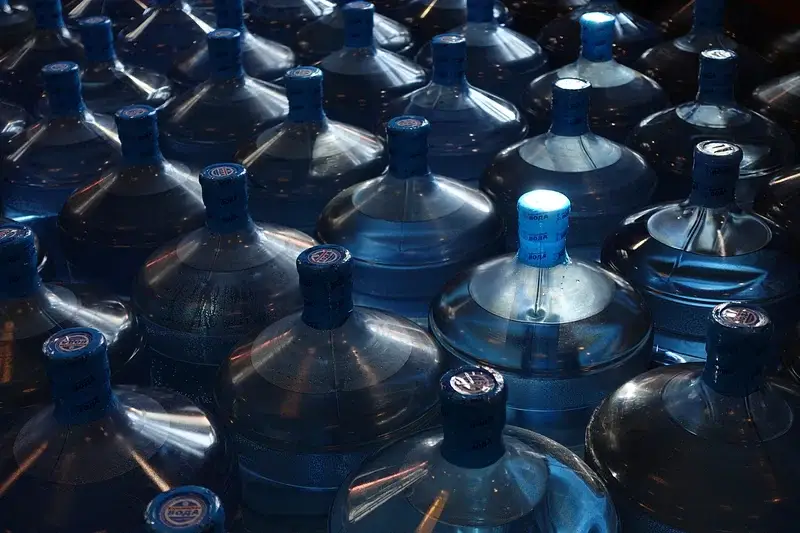
How Much You Need To Start A Water Refill Business In Kenya Investing in a water refill business in Kenya is a very noble idea that has potential to give you good returns if you plan and execute your plan well. And entrepreneurs knowing this have ventured into the purified water business to tap into the demand and make good returns. You may be also thinking to venture into the purified water vending business but don’t know what’s the cost implication of starting one. If that is you no need to worry much. In this post we shall be breaking the numbers down. Read on to see how much you need to start a water refill business in Kenya. Why is investing in a water refill business in Kenya a worthy business venture to consider What is the reason for the increase in water vending businesses in urban centers across Kenya? Why is a water refill business a viable business venture in Kenya? This is because the demand for purified water among the urban center dwellers and generally middle-income earners in Kenya who are also very health conscious due to their education level and exposure know the dangers of consuming contaminated water. This is one of the major reasons why purified water especially water sold at water refill stations also known as water vending stations has been in high demand. How to Start a Successful Water Refill Business in Kenya: Initial Investment Breakdown Understanding how much you need to start a water refill business in Kenya requires careful consideration of several cost components. For a basic setup, entrepreneurs should prepare to invest between Ksh 150,000 and Ksh 300,000, while larger operations can require upwards of Ksh 2 million. The significant variation in costs depends on factors such as location, equipment quality, business scale, and additional services offered. The water ATM represents the most significant single expense in your initial investment. High quality water vending machines in Kenya typically cost between Ksh 90,000 and Ksh 130,000 for single or multiple tap configurations. Vinsol water ATMs, recognized as some of the best water station machines in Kenya, offer advanced features including coin and mobile money payment options, automated dispensing systems, and built-in purification monitoring. These machines are designed to withstand Kenya’s diverse climate conditions and provide reliable service with minimal maintenance requirements. Storage infrastructure forms another crucial component of your startup costs. Stainless steel storage tanks, which offer superior durability and hygiene standards, typically cost between Ksh 25,000 and Ksh 50,000 depending on capacity. Plastic alternatives are available for Ksh 15,000 to Ksh 30,000, though we recommend investing in stainless steel for long-term reliability and compliance with health regulations. The storage capacity you choose should align with your projected daily sales volume and local demand patterns. The purification system represents perhaps the most critical investment for ensuring water quality and customer satisfaction. Reverse Osmosis (RO) systems, which are considered the gold standard for water purification, range from Ksh 150,000 to Ksh 400,000 depending on capacity and features. Vinsol water refilling machines incorporate advanced multi-stage purification processes including sediment filtration, activated carbon treatment, and UV sterilization to ensure consistent water quality that meets KEBS standards. Essential Equipment and Infrastructure for Your Water Station Business Beyond the primary components, several additional equipment pieces are necessary for establishing a comprehensive water refill operation. UV sterilization units, which provide an additional layer of protection against bacteria and viruses, typically cost between Ksh 30,000 and Ksh 60,000. These units are particularly important for maintaining water quality standards and ensuring customer confidence in your product. Backup power solutions are essential for maintaining continuous operations, especially in areas prone to power outages. A reliable generator capable of powering your entire water station typically costs between Ksh 40,000 and Ksh 80,000, depending on capacity and fuel type. Solar power alternatives are becoming increasingly popular, with complete solar setups ranging from Ksh 100,000 to Ksh 200,000, offering long-term operational cost savings. Water testing equipment ensures ongoing quality control and regulatory compliance. Basic testing kits cost around Ksh 10,000 to Ksh 20,000, while more comprehensive laboratory-grade equipment can reach Ksh 50,000 or more. Regular water quality testing is not only a regulatory requirement but also crucial for maintaining customer trust and preventing health-related issues that could damage your business reputation. Site preparation and installation costs vary significantly based on location and existing infrastructure. Basic civil works including plumbing, electrical connections, and protective housing typically cost between Ksh 30,000 and Ksh 70,000. For locations requiring extensive site preparation or specialized construction, these costs can increase substantially. Knowing where to buy water vending station machines in Kenya is also a crucial consideration, as proximity to suppliers can affect installation and maintenance costs. Tips for Starting a Profitable Water Station Business in Kenya Location selection stands as the most critical success factor for any water refill business. High-traffic areas such as residential estates, market centers, schools, and office complexes offer the best potential for consistent customer flow. We recommend conducting thorough market research to identify areas with limited access to clean water or where existing water sources are unreliable or expensive. Areas with frequent water shortages often present excellent opportunities for water vending businesses. Customer convenience should drive every operational decision. Vinsol water station machines are designed with user-friendly interfaces that accommodate various payment methods including coins, notes, and mobile money platforms like M-Pesa. This flexibility ensures that customers can access your services regardless of their preferred payment method, significantly expanding your potential customer base. Pricing strategy requires careful balance between profitability and market competitiveness. Most successful water refill businesses in Kenya charge between Ksh 2 and Ksh 5 per liter, depending on location and local market conditions. Premium locations with limited competition can support higher pricing, while areas with multiple water sources may require more competitive rates. Regular market analysis helps maintain optimal pricing that maximizes both volume and profit margins. Quality consistency builds customer loyalty and drives repeat business. Implementing rigorous maintenance