

Description
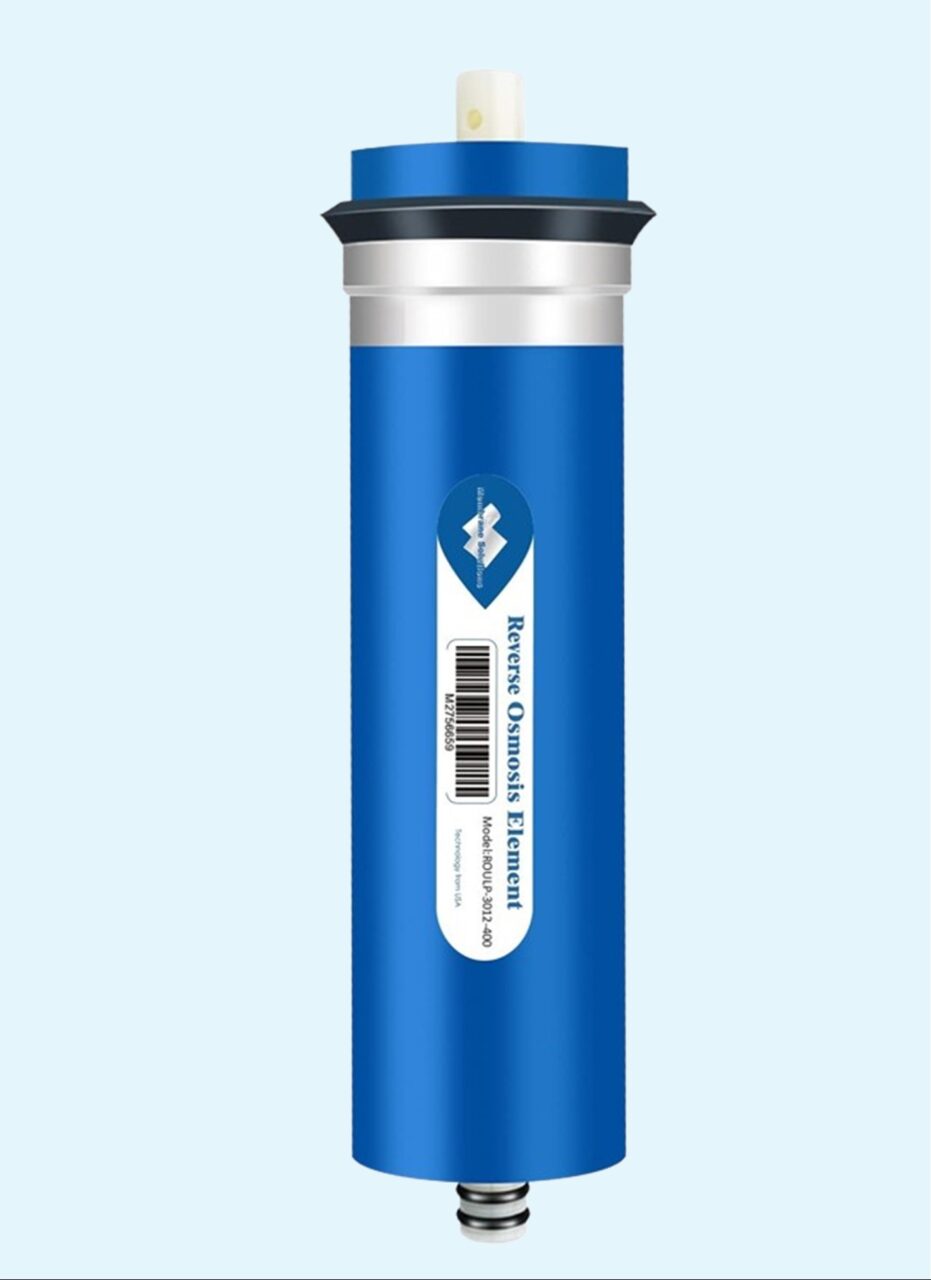
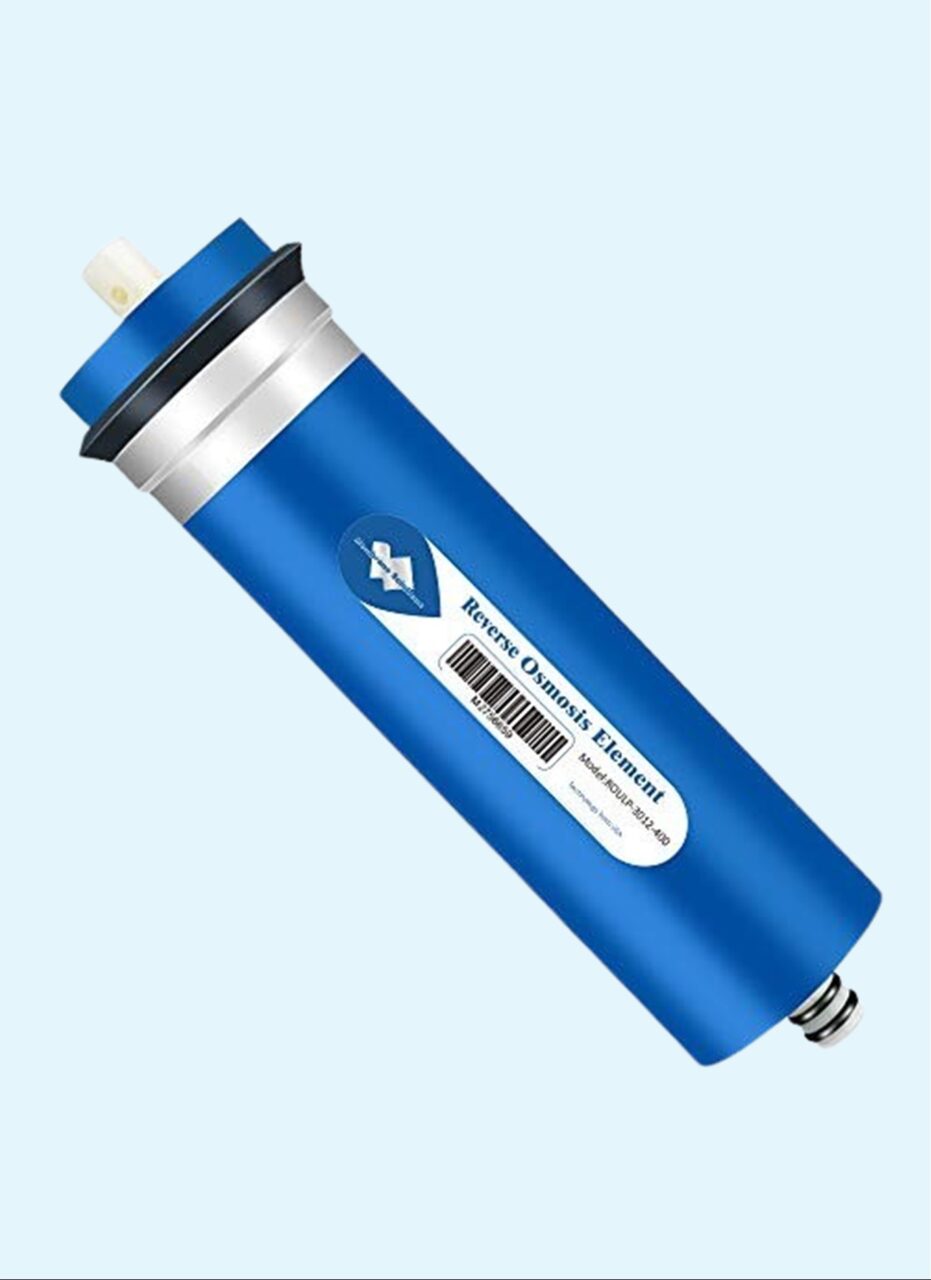
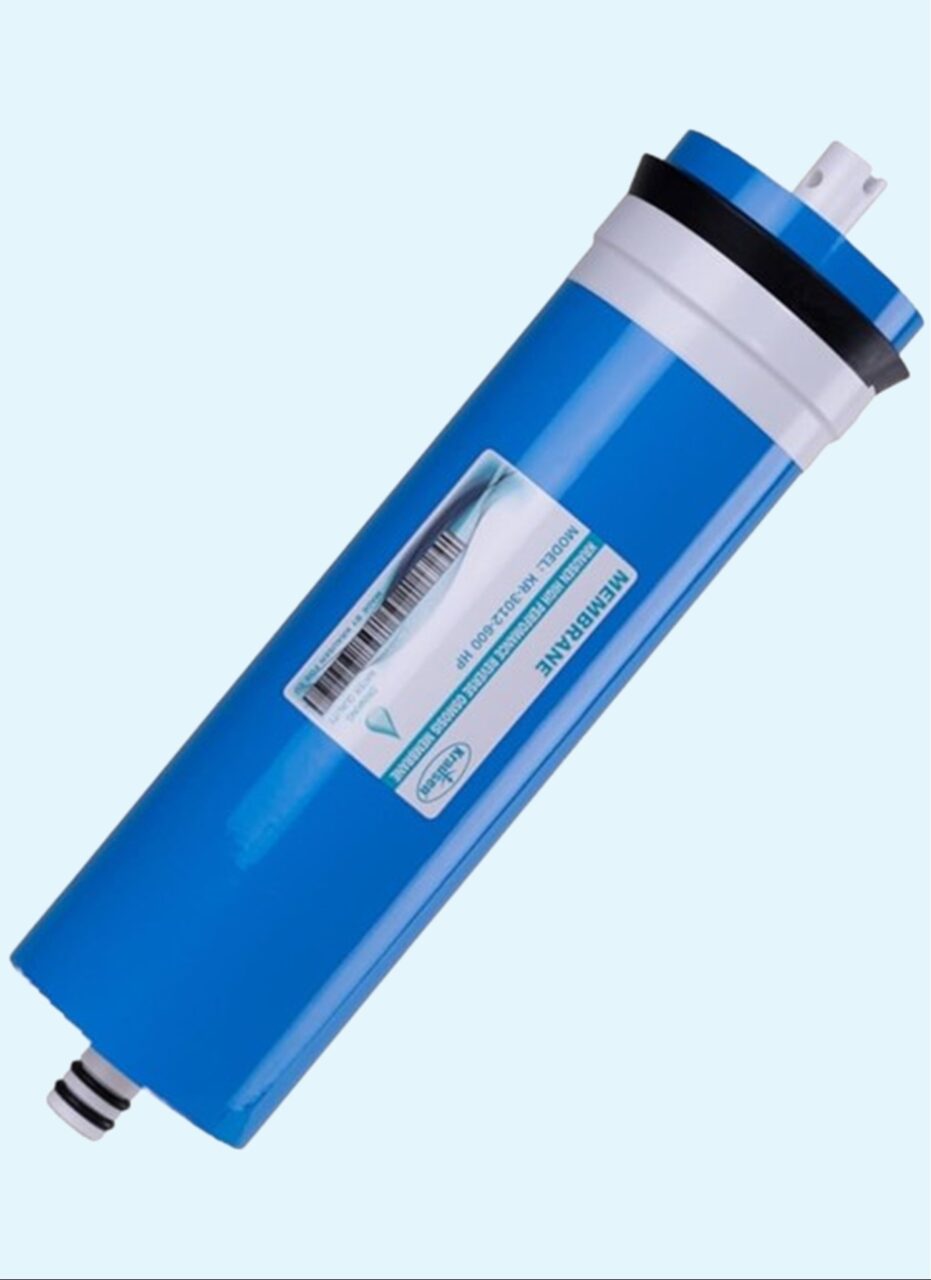
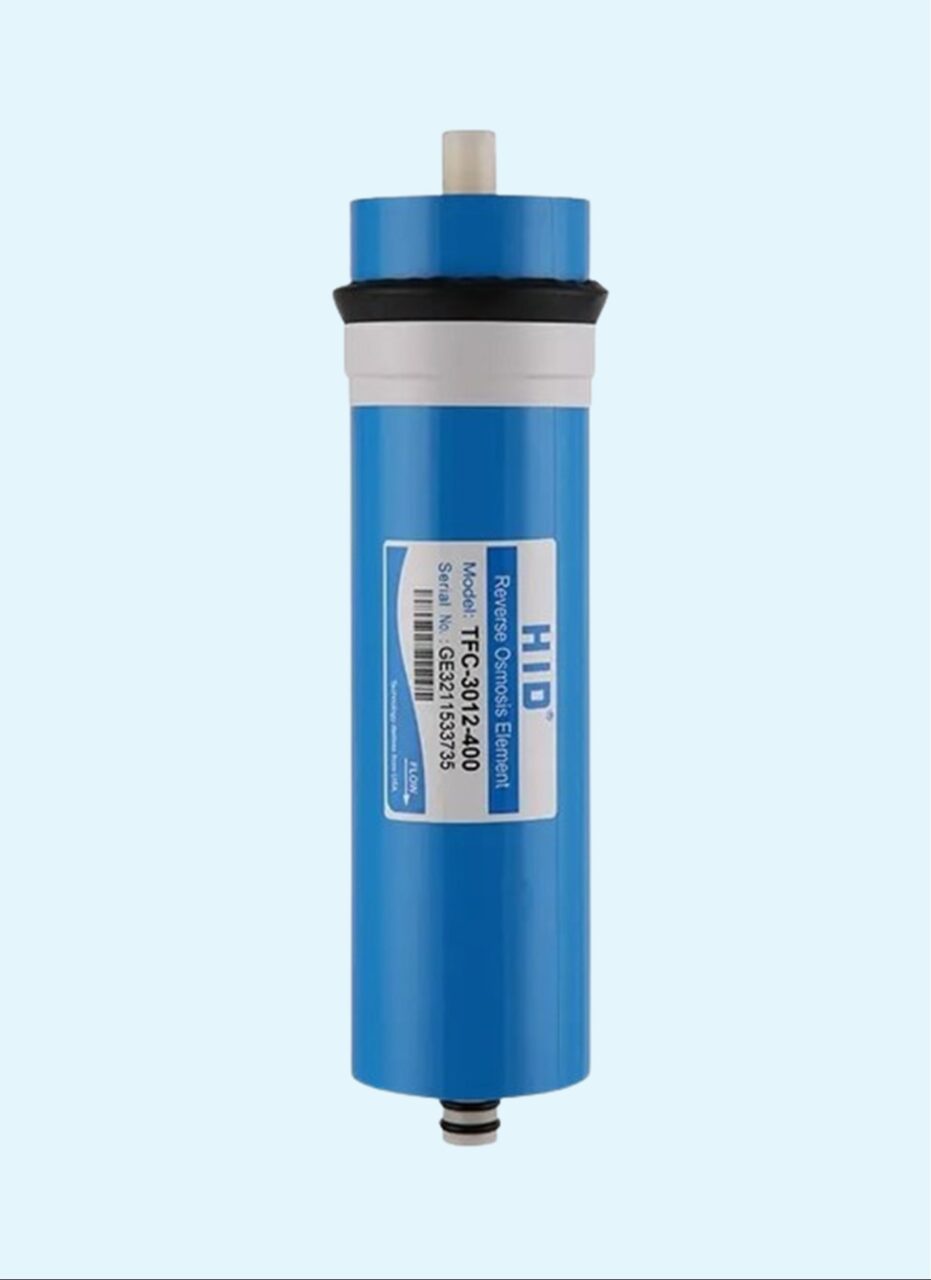
Premium Reverse Osmosis (RO) Membranes: The Core of High-Purity Water Systems
The Reverse Osmosis (RO) Membrane is the most critical component of any purification plant. It functions as a high-precision molecular sieve, featuring microscopic pores as small as 0.0001 microns. At this scale, it doesn’t just “filter” water—it physically separates pure $H_2O$ molecules from dissolved salts, heavy metals, and microorganisms.
At Vinsol, we supply world-class RO membranes designed to handle the unique water chemistry found across Kenya. Whether you are running a 500 LPH water vending station or a domestic under-sink unit, our membranes ensure a 99% salt rejection rate, delivering the “bottled-water taste” your customers demand.
The Proven Standard in High-Performance Water Purification
For the finest level of filtration available, reverse osmosis (RO) systems stand apart. While basic filters use a simple screen to catch particles, RO is a high-tech, pressure-driven process that forces water across a specialized membrane. This crossflow filtration action flushes away contaminants, ensuring nothing is simply trapped inside.
The result is an unmatched barrier against a vast range of impurities. The RO membrane effectively blocks everything from salts and metals to large organic molecules, reliably removing:
- Biological contaminants: Endotoxins and pyrogens
- Chemical pollutants: Pesticides, herbicides, and insecticides
- Dissolved inorganics: Nitrates, soluble salts, and metal ions
- Other impurities: Antibiotics and sugars
How it Works: The Science of Purity
Reverse Osmosis works by applying pressure to saline or contaminated water, forcing it through a semi-permeable membrane. This process reverses the natural flow of osmosis, leaving contaminants (concentrate) behind while allowing pure water (permeate) to pass through.
Why Vinsol RO Membranes are Superior:
- Thin Film Composite (TFC) Technology: We use advanced polyamide TFC layers that offer higher flux (flow rate) and better salt rejection compared to older cellulose-based membranes.
- High Brackish Water Tolerance: Our industrial membranes (4040 and 8040) are specifically chosen for their ability to handle high TDS (Total Dissolved Solids) levels, common in Kenyan boreholes.
- Cross-Flow Filtration: Designed to self-clean during operation, reducing the speed of fouling and extending the membrane’s life.
Reverse Osmosis (RO) Membranes- Technical Specifications & Size Guide
Choosing the right size is essential for meeting your daily production targets.
| Model/Size | Daily Capacity (GPD/LPH) | Best Use Case | Material |
| 1812-75/100 | 75-100 GPD (≈15 L/hr) | Low Output & Residential RO systems | Polyamide TFC |
| 2812-300 | 300 GPD (≈47 L/hr) | Small Offices / Cafes | Polyamide TFC |
| 4040 (Low Pressure) | 2,400 GPD (≈380 L/hr) | Water Vending Stations | Polyamide TFC |
| 8040 (High Flux) | 10,000 GPD (≈1,500 L/hr) | Industrial Plants / Desalination | Polyamide TFC |
Maximizing Your Investment: Pro-Tips from Vinsol
- Antiscalant Dosing: For borehole water in areas like Athi River or Syokimau, always use an antiscalant dosing pump to prevent calcium buildup on the membrane surface.
- Flushing: Always perform a manual or auto-flush of the membrane for 30 seconds before and after every production cycle.
- Softener Integration: If your water is extremely “hard,” a water softener before the RO system can double your membrane’s lifespan.
Why Buy RO Membranes from Vinsol?
We are not just importers; we are water system engineers.
- Authenticity Guaranteed: We only stock genuine, factory-tested membranes to protect your RO plant.
- Technical Support: We assist in the “Clean-In-Place” (CIP) process for commercial clients to revive fouled membranes.
- Free TDS Testing: Bring a sample of your water to our Ruiru or Eldoret branch, and we will recommend the exact membrane type you need.
Restore Your System’s Performance Today! Invest in the best Reverse Osmosis (RO) Membranes in Kenya
Don’t let a clogged membrane ruin your water quality or damage your high-pressure pump. Upgrade to a high-rejection Reverse Osmosis (RO) Membrane from Vinsol and ensure your water meets the highest health standards.
Contact us today through any of the means below to place your order or make an inquiry:
- Call/WhatsApp Us: +254 715 01 45 10
- Email: inquiries@vinsol.co.ke | info@vinsol.co.ke
- Contact Form: Fill out the contact form here.
- Visit Our Branches:
- Ruiru Branch: Next to Total Petrol Station – Kihunguro, Ruiru
- Eldoret Branch: Rehema Complex, opposite Japara Ltd., along Oloo Street, Eldoret.
We look forward to serving you.
Frequently Asked Questions: Expert Maintenance & Troubleshooting
- How long does an Reverse Osmosis (RO) Membrane last in Kenya?
In a typical Kenyan setup, a high-quality membrane lasts 2 to 3 years. However, this depends entirely on your pre-filtration. If your sediment or carbon filters are not changed regularly, the membrane will “foul” (clog) within months. High chlorine levels in municipal water can also “burn” TFC membranes, making carbon pre-treatment non-negotiable. - What is the price of an Reverse Osmosis (RO) Membrane in Kenya?
Prices vary by capacity and brand (Vontron, Filmtec, Hydramem).
- Domestic (75 GPD): KES 2,500 – 4,500
- Industrial (4040): KES 18,000 – 28,000
- Industrial (8040): KES 65,000 – 110,000
Vinsol offers discounted bulk pricing for water station owners.
- How can I tell if my membrane needs replacing?
An RO membrane typically needs replacement every 2–5 years, but you should replace it sooner if you notice a significant drop in water flow, a strange taste, or if a TDS meter shows a removal efficiency below 80–85%.
Look for these three warning signs:
- High TDS in Pure Water: If your source water is 500 ppm and your pure water rises above 50 ppm, the membrane is failing.
- Reduced Flow: If it takes twice as long to fill your storage tank, the pores are likely clogged with scale or biofilm.
- Increased Pressure: If your high-pressure pump is working harder but producing less water, the membrane is fouled.


Reviews
There are no reviews yet.