How to Start a Cooking oil ATM Business in Kenya With Ksh 50,000

Unlocking Your Entrepreneurial Dream: How to Start a Cooking oil ATM Business in Kenya With Ksh 50,000 The landscape of small businesses in Kenya is constantly evolving, with innovative ventures gaining traction. Among these, the cooking oil dispenser business in Kenya has emerged as a promising and profitable sector. We see this not just as a trend but as a genuine solution to the everyday household need for affordable cooking oil. This business model offers a low barrier to entry and a high potential for returns, making it an ideal venture for aspiring entrepreneurs. The good news is that you can start a cooking oil ATM business in Kenya with Ksh 50,000. We understand that starting a business often feels like a monumental task, especially when working with limited capital. However, we’re here to show you that starting a cooking oil ATM business in Kenya with Ksh 50,000 is not only possible but a viable and smart move. This guide provides a step-by-step roadmap to get you started successfully. Our goal is to equip you with the knowledge and tools you need to navigate this exciting entrepreneurial journey and set a solid foundation for your business. A Comprehensive Guide to Starting a Cooking oil ATM Business in Kenya With Ksh 50,000 Laying a strong foundation is crucial for any business venture. We believe that proper planning saves valuable time and resources. For those looking to start a cooking oil ATM business in Kenya with Ksh 50,000, strategic foresight is paramount. This initial phase sets the tone for your entire operation and ensures you begin on the right foot, ready to tackle challenges. The Business Plan: Laying the Foundation First, we recommend thorough market research and analysis. Understanding your target customers is essential for success. Who are they, where do they live, and what are their purchasing habits? This knowledge helps you tailor your approach. Also carefully consider the right location for your salad oil ATM business. Factors like foot traffic, proximity to residential areas, and local competition play a significant role. Sourcing capital is another critical aspect, especially when aiming to start a cooking oil ATM business in Kenya with Ksh 50,000. Look for cost-effective solutions and smart financial management strategies. Effective budgeting and careful expenditure tracking will ensure your initial investment is stretched as far as possible. This allows you to maximize your resources from the very beginning. Sourcing the Right Equipment: Choosing the Best Cooking Oil ATMs in Kenya Next, focus on acquiring the right equipment for your venture. What to look for in a quality cooking oil dispenser is a question you must take seriously. Durability, accuracy, and ease of maintenance should be your top priorities. Explore various types of cooking oil ATMs available in the market, comparing robust stainless steel models with aesthetically pleasing wooden options. Understanding the technology behind these machines is also vital. Advanced PLC systems that power modern dispensers is a key consideration. These systems are crucial for accurate dispensing and sales tracking. Choosing the best cooking oil ATMs in Kenya involves balancing cost, quality, and technological sophistication. Always aim for optimal value for money. Also read: How Cooking Oil ATMs Work Getting Your Business Legally Registered Legal compliance is a cornerstone of responsible business operation. It’s important to understand the importance of adhering to all regulatory requirements. The first step involves registering your business name with the Registrar of Companies. This formalizes your operation and grants legal recognition. It is a fundamental process for any new enterprise. Following this, you must obtain a business permit from your local county government. This permit ensures that your cooking oil dispenser business in Kenya operates within legal boundaries. Navigating these bureaucratic steps can seem daunting. However, they are essential for long-term stability. Your commitment to legality builds trust with your customers. Sourcing and Supply of Cooking Oil A consistent supply of high-quality cooking oil is vital for your success. Meticulously identify reliable suppliers who can meet your demands. Building strong relationships with these suppliers should be a priority for you. This helps in negotiating for the best prices. Cost-effective sourcing directly impacts your profitability and competitive edge. Quality control is another non-negotiable aspect of your operations. Ensure that the cooking oil you dispense meets all food safety standards. Your customers trust you to provide safe and wholesome products. Maintaining these high standards is paramount for your reputation. Never compromise on product quality for any reason. Also read: How to Start a Milk ATM Business in Kenya With Less Than 150,000 Shillings Best Tips for Starting a Salad Oil Dispenser in Kenya Effectively marketing your cooking oil dispenser business in Kenya is key to attracting customers. Develop clear strategies to reach your target audience, including local advertisements and community engagement. Your pricing strategy should also be carefully considered. Aim to set a competitive price per liter that offers value. This balance attracts customers while ensuring profitability. Ultimately, customer service best practices are crucial for building a loyal customer base. Prioritize friendly interactions and efficient service. Your goal is to make every customer experience positive and memorable. When considering the best tips for starting a salad oil dispenser in Kenya, excellent customer service stands out. It fosters trust and encourages repeat business. How to Start a Cooking oil ATM Business in Kenya With Ksh 50,000: The Breakdown To help you visualize this startup, here’s a simple cost breakdown: Cost of Cooking Oil ATM: Ksh 25,000 Cost of Renting Premises and Renovation: Ksh 12,000 Business Permit: Ksh 3,500 Buying Stock: Ksh 5,000 Miscellaneous Costs: Ksh 4,500 Total: Ksh 50,000 This breakdown demonstrates that with careful allocation, you can indeed launch this business with a modest budget. Also read: How to operate a cooking oil ATM business in Kenya Why Choose Vinsol? The Best Cooking Oil ATM Suppliers in Kenya When embarking on the journey to start a cooking oil ATM business in Kenya with Ksh 50,000, choosing the right partner is paramount. We at Vinsol are committed
How to Start a Milk ATM Business in Kenya With Less Than 150,000 Shillings
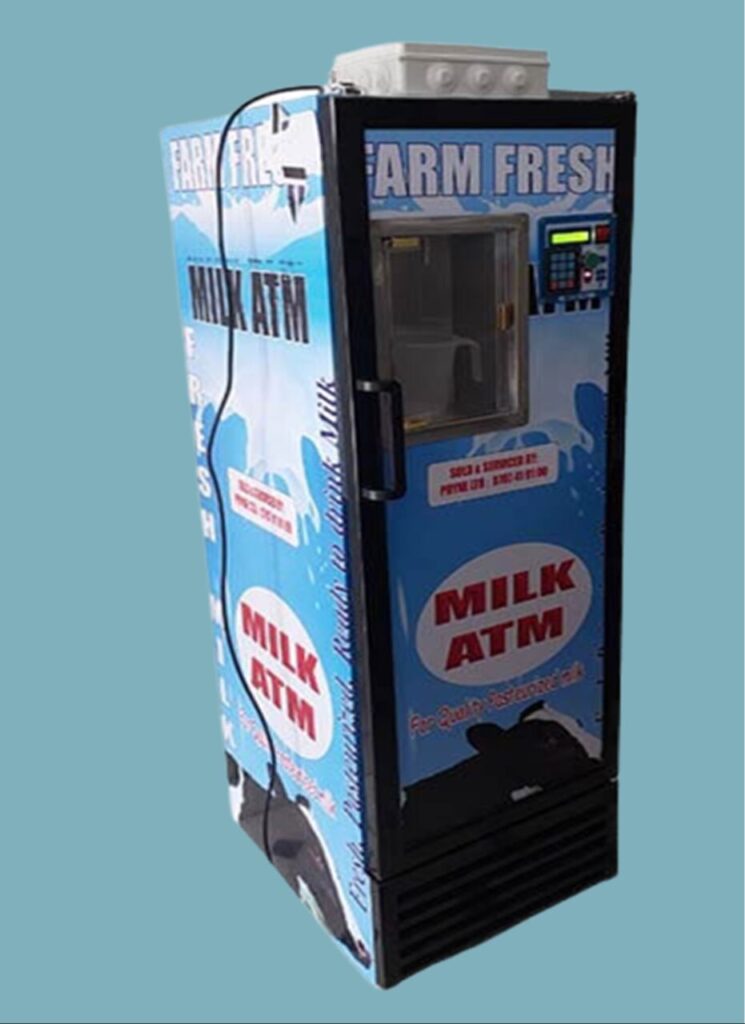
How to Start a Milk ATM Business in Kenya With Less Than 150,000 Shillings Introduction: Your Path to Milk ATM Success Starting a milk ATM business in Kenya presents an incredible opportunity for entrepreneurs seeking profitable ventures. We understand that many aspiring business owners worry about capital requirements. However, launching a successful milk vending operation is entirely feasible with less than 150,000 shillings. This blog post will guide you on how to start a milk ATM business in Kenya with less than 150,000 shillings. Budget-conscious entrepreneurs can enter this market strategically. Quality milk ATM machines from reliable manufacturers like Vinsol start at Ksh 70,000. This leaves sufficient capital for location setup and initial stock. Smart planning maximizes your investment potential significantly. Location selection remains crucial for milk ATM success. High-traffic areas generate consistent daily sales. Residential estates, shopping centers, and transport hubs offer excellent foot traffic. We recommend thorough market research before committing to locations. Start a Milk ATM Business in Kenya With Less Than 150,000 Shillings: Understanding the Milk ATM Business Opportunity The Dairy Industry in Kenya: Market Demand for Fresh Milk The dairy industry in Kenya continues experiencing robust growth. Urban consumers increasingly demand convenient access to fresh milk. This trend creates excellent opportunities for milk ATM entrepreneurs. We’ve witnessed countless success stories from business owners who started small. Kenya’s milk consumption patterns favor convenient purchasing options. Urban dwellers appreciate 24-hour access to fresh products. Traditional shops often close early or lack refrigeration. Milk ATM machines bridge this critical gap effectively. Consumer preferences increasingly favor hygienic milk dispensing systems. Modern buyers prioritize food safety over traditional methods. Automated vending eliminates human contamination risks during sales. This trend strongly supports milk ATM business viability. Population growth in urban centers drives consistent demand. More families require daily fresh milk supplies. School feeding programs and coffee shops need reliable sources. These factors create sustainable customer bases for operators. Profitability Analysis for Small Budgets Profit margins in milk vending typically range 15-25%. Daily sales of 50-100 liters generate reasonable returns. Location quality directly impacts daily volume potential. Strategic positioning can double or triple earnings. Operating costs remain relatively low for milk ATM businesses. Electricity consumption averages Ksh 200-500 monthly per machine. Regular cleaning supplies cost approximately Ksh 1,000 monthly. Staff requirements are minimal for automated operations. Return on investment usually occurs within 12-18 months. Well-located machines recover initial costs faster than anticipated. Reinvesting profits enables business expansion and additional machines. We’ve observed successful scaling strategies among clients. Start a Milk ATM Business in Kenya With Less Than 150,000 Shillings: Comprehensive Business Planning for Milk ATM Ventures Market Research Fundamentals Thorough market research forms the foundation of success. We recommend visiting potential locations at different times. Observe foot traffic patterns during morning and evening hours. Weekend activity levels often differ from weekdays significantly. Competition analysis reveals pricing strategies and service gaps. Document existing milk vendors and their operating schedules. Identify underserved areas with high population density. These insights guide optimal positioning decisions for maximum profitability. Customer demographics influence product preferences and pricing sensitivity. Residential areas favor family-sized quantities and competitive pricing. Commercial zones may support premium pricing for convenience. Understanding your target market enables strategic business positioning. Seasonal demand variations affect inventory planning and cash flow. School holidays typically reduce daytime sales volumes. Religious seasons may increase household milk consumption. Planning for these cycles prevents stock shortages and waste. Budget Allocation Strategy Effective budget distribution maximizes business setup success rates. We recommend allocating 70% for equipment procurement from reputable manufacturers. Location setup and renovation should consume approximately 20%. Reserve 15% for initial stock and operating expenses. Machine quality significantly impacts long-term operational costs. Investing in KDB-approved milk dispensers ensures regulatory compliance. Cheaper alternatives often require frequent repairs and replacement. Quality machines from established manufacturers offer better warranties. Location costs vary significantly across different areas. Prime locations command higher rental fees but generate superior sales. Evaluate rental costs against projected daily sales volumes. Calculate break-even points before committing to agreements. Working capital requirements include milk procurement and operational expenses. Maintain sufficient funds for 2-3 weeks of operations. This buffer prevents cash flow disruptions during slow periods. Emergency funds enable swift problem resolution when needed. Start a Milk ATM Business in Kenya With Less Than 150,000 Shillings: Legal and Regulatory Requirements Business Registration Process Proper business registration establishes legal operating foundation. Register your milk ATM business with relevant county authorities. Choose appropriate business structures like sole proprietorship or partnership. Complete registration typically takes 3-5 business days. Obtain a certificate of incorporation from county government offices. This document enables bank account opening and manufacturer relationships. Keep original certificates secure and maintain multiple copies. Registration fees typically range Ksh 2,000-5,000 depending on location. Tax compliance includes obtaining KRA PIN and VAT registration. Small businesses may qualify for reduced tax rates. Consult tax advisors for optimal structuring strategies. Proper documentation prevents future compliance issues with authorities. Kenya Dairy Board Licensing KDB licensing ensures milk quality standards and consumer protection. Submit online applications through the official KDB portal. Required documents include business registration and premises details. Application processing typically takes 10-14 working days. Premises inspection covers hygiene standards and equipment compliance. Ensure adequate ventilation and proper drainage systems. Install appropriate lighting and maintain clean surroundings. Inspectors verify machine specifications and safety features. Annual license renewal maintains legal operating status. Renewal fees vary based on machine capacity and location. Early renewal prevents operational disruptions and penalties. Maintain good relationships with KDB officials for smooth processes. Food handling certificates are mandatory for all staff members. Training programs cover hygiene practices and safety protocols. Certificate validity periods require periodic renewal and updates. Invest in proper staff training for regulatory compliance. County Government Business Permits Single Business Permits streamline local government compliance requirements. These permits replace multiple previous licensing requirements. Application processes vary across different county governments. Budget approximately Ksh 5,000-15,000 for permit acquisition. Health department approvals cover sanitation and food safety standards. Regular inspections ensure ongoing compliance with health regulations. Maintain
10 Crucial Factors to Consider Before Drilling a Borehole
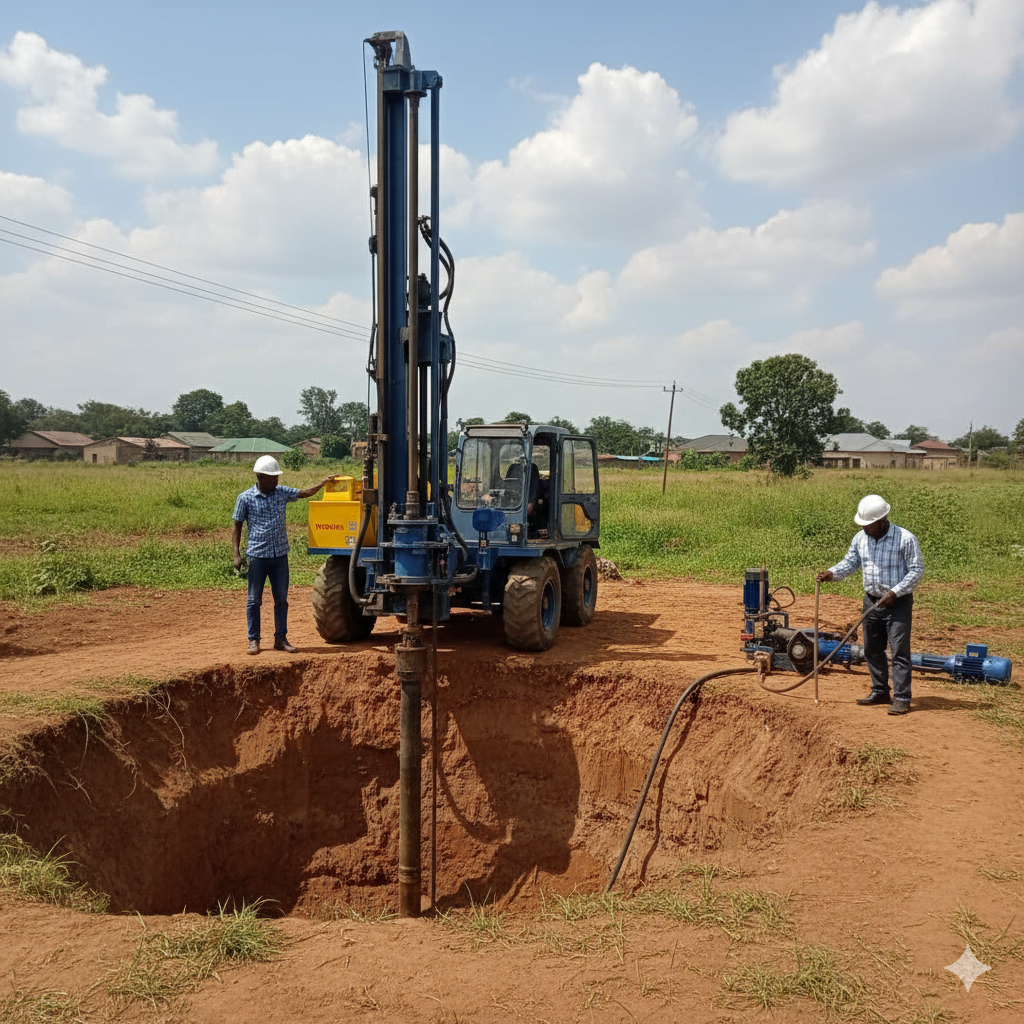
10 Crucial Factors to Consider Before Drilling a Borehole: Your Definitive Guide to a Successful Project Access to clean, reliable water is not just a convenience; it’s a necessity. In Kenya, where water scarcity can be a significant challenge, securing an independent water source through borehole drilling has become an increasingly popular and vital solution for homes, businesses, and agricultural ventures. But drilling a borehole isn’t a decision to be taken lightly. It’s a significant investment that requires careful planning, expert execution, and adherence to regulatory standards. This comprehensive guide will walk you through the 10 crucial factors to consider before drilling a borehole, ensuring your project is not only successful but also sustainable and cost-effective. By understanding these essential elements, you’ll be well-equipped to make informed decisions and avoid common pitfalls. For professional guidance and top-tier borehole drilling services in Kenya, Vinsol Kenya stands as your trusted partner. Also read: Legal Requirements for Borehole Drilling in Kenya 10 Crucial Factors to Consider Before Drilling a Borehole The Pre-Drilling Essentials: Critical Analysis and Legal Compliance The Hydrogeological Survey: The Foundation of Success Before any drilling commences, a hydrogeological survey is the absolute first and most critical step. This scientific study assesses the subsurface geology and hydrology of your property to determine the presence, depth, and quality of groundwater. Conducted by certified water surveyors in Kenya, the survey report reveals: The optimal location for drilling to maximize water yield. The estimated depth to the aquifer (water-bearing rock formation). Potential water quality issues, such as high mineral content. The anticipated sustainable yield of the borehole. Skipping this vital step is like building a house without a foundation—risky and often leading to costly failures. Legal and Regulatory Permits: Drilling by the Book Navigating the legal landscape is paramount. In Kenya, obtaining the necessary permits from the Water Resources Authority (WRA) and the National Environment Management Authority (NEMA) is mandatory. Key permits and considerations include: Water Permit from WRA: Grants permission for water abstraction. Environmental Impact Assessment (EIA) from NEMA: Evaluates the potential environmental effects of the project. Understanding how to get a borehole drilling permit in Kenya is crucial. Non-compliance can lead to hefty fines, project stoppages, and even legal action. Vinsol Kenya assists clients throughout this often complex application process. Understanding the Total Project Cost The cost of drilling a borehole in Kenya is a significant factor. It’s important to understand that this isn’t just about the drilling itself. A comprehensive budget should include: Hydrogeological survey fees. Drilling per meter (depth-dependent). Casing materials and installation. Test pumping and water quality analysis. Pump selection and installation. Permit application fees. Always request a detailed, all-inclusive quote to avoid unexpected expenses. Remember, the cheapest option isn’t always the best in the long run. 10 Crucial Factors to Consider Before Drilling a Borehole: Technical and Environmental Considerations for a Sustainable Borehole Geological and Soil Conditions The geological composition of your site directly impacts the drilling process. Different formations—from soft soils to hard granite—require specific drilling techniques and equipment. This, in turn, influences the project timeline and cost. An experienced drilling company, like Vinsol Kenya, will have the expertise and machinery to handle diverse geological challenges efficiently and safely. Borehole Depth and Water Yield The hydrogeological survey provides an estimated borehole depth. However, the actual depth can vary. The goal is to reach a reliable aquifer that can sustain your water needs. While deeper boreholes often yield more water and can be less susceptible to surface contamination, the relationship between depth and yield isn’t always linear. A professional driller will advise on the optimal depth to achieve a good balance of quantity and quality. Water Quality Analysis: Is the Water Safe? Once drilled, testing the borehole water quality is non-negotiable. This analysis identifies the presence of minerals, chemicals, and bacteria. High levels of certain minerals (e.g., iron, fluoride) or pathogens may necessitate water treatment solutions, such as filtration or chlorination, to ensure the water is safe for its intended use (potable, irrigation, etc.). Pump Selection and Borehole Equipping Choosing the right pump is essential for efficient water abstraction. Factors influencing pump selection include: Borehole depth and diameter. Desired water flow rate (yield). Available power source (solar, electric, generator). Budget. Proper equipping involves installing the correct size of casing, screens, and gravel pack to prevent the borehole from collapsing and to filter out sediment, ensuring the longevity and efficiency of your water system. 10 Crucial Factors to Consider Before Drilling: The Borehole Drilling Process: A Step-by-Step Guide The Drilling Method and Machinery The borehole drilling process involves several stages, beginning with site mobilization, where equipment is transported to your property. Modern drilling rigs utilize various methods, such as rotary drilling or percussion drilling, depending on the geological conditions. Precision and safety are paramount during this phase, requiring skilled operators and well-maintained machinery. A professional company ensures minimal disruption and adherence to environmental best practices. Post-Drilling Services and Maintenance The project doesn’t end when drilling is complete. Critical post-drilling services include: Test Pumping: To determine the sustainable yield of the borehole. Pump Installation: Setting up the chosen pump system. Water Quality Testing: Final verification of water safety. Regular maintenance is key to the longevity of your borehole. This includes periodic pump checks, cleaning, and water quality monitoring. Our comprehensive borehole drilling process at Vinsol Kenya includes ongoing support and maintenance advice. Choosing the Right Borehole Drilling Company This is perhaps one of the most crucial factors to consider before drilling a borehole. Your choice of drilling company will dictate the success, efficiency, and sustainability of your project. Look for a company with: A proven track record and extensive experience. Certified hydrogeologists and licensed drillers. Modern, well-maintained equipment. Transparent pricing and comprehensive contracts. Excellent customer reviews and references. Also read: The Ultimate Guide to Borehole Drilling in Kenya Why Choose Vinsol Kenya for Your Borehole Drilling Needs? The best borehole drilling company in Kenya When it comes to borehole drilling services in Kenya, Vinsol Kenya stands out among borehole drilling
Legal Requirements for Borehole Drilling in Kenya
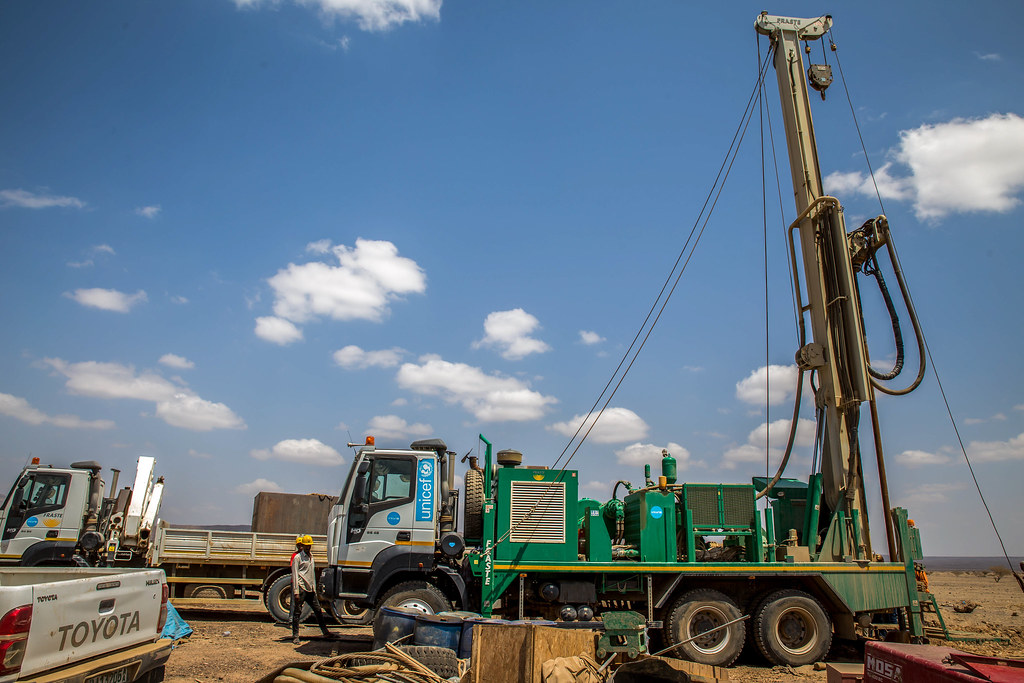
Navigating the Legal Requirements for Borehole Drilling in Kenya Embarking on a borehole drilling project in Kenya is a significant investment that provides long-term water security. However, before any drilling can begin, it’s crucial to understand and comply with the necessary legal and regulatory frameworks. This is not just a bureaucratic formality; it’s a vital step to ensure the sustainability of our shared water resources and to protect your investment. This article serves as a comprehensive guide to the legal requirements for borehole drilling in Kenya. At Vinsol Kenya, we are committed to providing professional borehole drilling services in Kenya and helping our clients navigate this complex process seamlessly. The Core Legal Requirements for Borehole Drilling in Kenya The process of obtaining permits is designed to ensure that boreholes are drilled and managed responsibly. The main regulatory bodies involved are the Water Resources Authority (WRA) and the National Environment Management Authority (NEMA). Hydrogeological Survey Report The first and most critical step is a hydrogeological survey. This technical assessment must be conducted by a certified and licensed hydrogeologist. The purpose of this survey is to determine the feasibility of drilling. The report identifies the most suitable site, estimates the depth to the aquifer, and predicts the expected water yield. This report is the foundation of your application and must be submitted to the WRA. Without a professional survey, you risk drilling a dry well, which can be a costly mistake. Water Resources Authority (WRA) Permit The Water Resources Authority (WRA), established under the Water Act, 2016, is the primary body that regulates water use and management in Kenya. To legally drill and abstract water from a borehole, you must obtain a permit from the WRA. The application process involves submitting your hydrogeological survey report, proof of land ownership, and other relevant documents. The WRA reviews your application to ensure that your project aligns with national water management policies and does not negatively impact existing water sources or aquifers. Obtaining a WRA permit is a mandatory legal step. National Environment Management Authority (NEMA) Approval The National Environment Management Authority (NEMA) is responsible for ensuring that all development projects comply with environmental laws. For borehole drilling, you may be required to submit a Project Report or an Environmental Impact Assessment (EIA) to NEMA for approval. This report details the potential environmental effects of the drilling process and the proposed mitigation measures. NEMA’s approval confirms that your project will be carried out in an environmentally responsible manner, preventing issues like groundwater contamination and land degradation. Other Potential Requirements In addition to the WRA and NEMA permits, some counties may have their own specific regulations or require a letter of no objection from the local water service provider. It’s essential to check with the relevant county government offices to ensure you meet all local requirements. Recommended to read: Your Ultimate Guide to Borehole Drilling in Kenya Why You Should Work with a Professional Borehole Drilling Company in Kenya Navigating the various legal requirements for borehole drilling in Kenya can be a daunting task for a private individual or a business. Working with a professional company like Vinsol Kenya simplifies this process and provides numerous benefits. Compliance is Key A reputable company understands the legal landscape. We handle all the necessary paperwork, from preparing the hydrogeological report to liaising with WRA and NEMA officials. Our expertise ensures full compliance, saving you from potential legal issues, costly fines, and project delays. Maximizing Success and Minimizing Risk Expertise goes hand-in-hand with compliance. Our team of certified hydrogeologists ensures that the initial survey is accurate, drastically reducing the risk of a dry borehole. This professional approach to site selection and planning is a crucial factor in avoiding financial loss and securing a reliable water source. Vinsol Kenya: Your Trusted Partner for Borehole Drilling Choosing the right borehole drilling company in Kenya is the most important decision you’ll make. It determines not only the success of your project but also its long-term viability. At Vinsol Kenya, we pride ourselves on being the best choice for all your water drilling needs. Why Our Borehole Drilling Services in Kenya Stand Out Expertise and Experience: Our team is composed of highly qualified hydrogeologists and experienced drillers who have successfully completed countless projects across the country. We have a deep understanding of Kenya’s diverse geological formations, ensuring an efficient and effective drilling process. State-of-the-Art Technology: We invest in modern drilling rigs and equipment. Our technology allows us to drill accurately and swiftly, minimizing project timelines and costs. This commitment to advanced equipment ensures we can handle complex projects with ease. Transparent and Affordable Pricing: We believe in providing value without hidden costs. Our quotes are detailed and transparent, breaking down every aspect of the cost of drilling a borehole in Kenya. We offer some of the most competitive and affordable rates in the market, making water security accessible to more Kenyans. Comprehensive Service: Our services cover the entire water well drilling process in Kenya, from the initial hydrogeological survey and permit application to the final equipping and maintenance of the borehole. This end-to-end service ensures a seamless and hassle-free experience for our clients. Proven Track Record: Our reputation as one of the best borehole drilling companies in Kenya is built on a history of successful projects. We have a long list of satisfied clients who can attest to our professionalism, reliability, and commitment to quality. Summary of Legal Requirements for Borehole Drilling in Kenya A successful borehole project requires more than just a powerful drilling rig; it demands a professional and compliant approach. The legal requirements for borehole drilling in Kenya, including the hydrogeological survey, WRA permit, and NEMA approval, are essential steps that protect both your investment and our environment. By partnering with a reputable firm, you ensure a smooth process and a sustainable outcome. For a truly professional and seamless experience, choose Vinsol Kenya. We have the expertise, the technology, and the dedication to help you navigate these requirements and secure